Tag: fertility awareness methods

  • Technology meets Tradition: Finding a Balance with Fertility Tracking Methods

    Technology has revolutionized many aspects of our lives, including the way we approach family planning and fertility tracking. In recent years, there has been an explosion of fertility tracking methods and apps that claim to accurately predict a woman’s fertile window and help her conceive or avoid pregnancy. However, with the rise of technology, there has also been a resurgence of traditional methods of fertility tracking, such as natural family planning and the use of fertility awareness methods.

    While both technology-based and traditional methods have their pros and cons, finding a balance between the two can provide women with a more comprehensive and accurate understanding of their fertility. In this blog post, we will explore the intersection of technology and tradition in fertility tracking and the benefits of incorporating both approaches into our family planning journey.

    The Rise of Technology in Fertility Tracking

    Technology has made it easier than ever for women to track their fertility. There are now countless apps and devices on the market that use various methods, such as basal body temperature tracking, cervical mucus monitoring, and hormone level tracking, to predict a woman’s fertile window and help her conceive or avoid pregnancy.

    One major advantage of technology-based fertility tracking is the convenience it offers. With just a few taps on their phones, women can input their data and receive personalized predictions about their fertility. These apps also often come with additional features, such as reminders for ovulation tests and medication, making it easier for women to stay on top of their fertility journey.

    Moreover, technology has made fertility tracking more accessible to women. In the past, traditional methods of fertility tracking required a significant amount of knowledge and commitment, making it challenging for some women to incorporate them into their daily routines. With technology-based methods, the process is much more user-friendly, and women can easily access information and support online.

    The Limitations of Technology-Based Fertility Tracking

    While technology-based methods of fertility tracking offer convenience and accessibility, they also have their limitations. One of the most significant drawbacks is their reliance on algorithms and predictions, which may not always be accurate. Many factors can affect a woman’s fertility, such as stress, diet, and medication, which may not be accounted for in these apps and devices.

    Another limitation is the lack of personalization in technology-based methods. Every woman’s body is unique, and the same tracking method may not work for everyone. Additionally, these apps and devices often do not consider underlying health conditions or hormonal imbalances that may affect a woman’s fertility. This can lead to inaccurate predictions and potential frustration for women trying to conceive or avoid pregnancy.

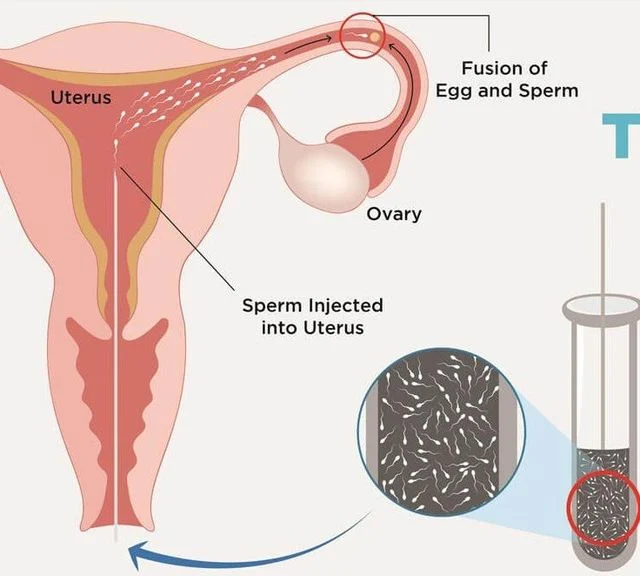
    illustration of intrauterine insemination procedure with a syringe and catheter in the uterus.

    Technology meets Tradition: Finding a Balance with Fertility Tracking Methods

    The Role of Traditional Fertility Tracking Methods

    Traditional methods of fertility tracking, such as natural family planning and fertility awareness methods, have been used for centuries and are based on observing and charting a woman’s natural fertility signs. These methods rely on a woman’s understanding of her body and require regular tracking of her basal body temperature, cervical mucus, and other fertility indicators.

    One significant advantage of traditional methods is their effectiveness. When used correctly, these methods can be up to 99% effective in preventing pregnancy. They also offer women a deeper understanding of their fertility and can help identify potential health issues that may affect their reproductive health.

    Moreover, traditional methods of fertility tracking can be used in conjunction with technology-based methods to provide a more accurate understanding of a woman’s fertility. For example, a woman can use an app to track her basal body temperature and cervical mucus while also learning to interpret her body’s natural fertility signs. This combination can help women better predict their fertile window and increase their chances of conception.

    Finding a Balance Between Technology and Tradition

    The key to finding a balance between technology and tradition in fertility tracking is to understand the strengths and limitations of each method. While technology-based methods offer convenience and accessibility, they may not always be accurate. On the other hand, traditional methods require more effort and commitment but can provide a deeper understanding of a woman’s fertility.

    Women can also benefit from seeking guidance from healthcare professionals who specialize in fertility tracking. These experts can help women navigate the various methods available and customize a tracking plan that works best for their unique needs.

    Incorporating both technology and tradition into fertility tracking can also help women feel more in control of their reproductive health. By understanding their bodies and tracking their natural fertility signs, women can make informed decisions about their family planning journey.

    In conclusion, technology and tradition can work hand in hand when it comes to fertility tracking. While technology has made the process more accessible and convenient, traditional methods provide a deeper understanding of a woman’s fertility and can be used to complement technology-based methods. By finding a balance between the two, women can make more informed decisions about their reproductive health and achieve their family planning goals.
  • The Role of Natural Fertility Methods in At-Home Intrauterine Insemination

    Blog Post:

    The desire to have a child is an innate human instinct that is shared by many individuals and couples. However, for some, conceiving a child may not come as easily as they had hoped. This can lead to feelings of frustration, disappointment, and even heartbreak. While there are various medical procedures and treatments available to assist in conception, they can often be expensive, invasive, and emotionally taxing. As a result, many people are turning to natural fertility methods and at-home intrauterine insemination (IUI) as a more affordable and less invasive option. In this blog post, we will explore the role of natural fertility methods in at-home IUI and how they can increase the chances of successful conception.

    Natural fertility methods, also known as fertility awareness methods or natural family planning, involve tracking and monitoring a woman’s menstrual cycle to determine the most fertile days for conception. This can be done through various methods such as tracking basal body temperature, cervical mucus changes, and ovulation predictor kits. These methods are based on the understanding that a woman is most fertile during her ovulation period, which is when the egg is released from the ovary.

    At-home IUI, on the other hand, is a procedure that involves placing prepared sperm directly into the uterus using a catheter. This bypasses the need for sperm to travel through the cervix and into the uterus, increasing the chances of fertilization. While IUI is traditionally done in a medical setting, there are now at-home kits available that make it possible for couples to perform the procedure themselves in the comfort of their own home.

    So, what is the role of natural fertility methods in at-home IUI? Let’s delve deeper into the benefits and effectiveness of combining these two approaches.

    1. Increased Timing Accuracy:

    One of the main advantages of using natural fertility methods in at-home IUI is the increased accuracy in timing. By tracking and monitoring the woman’s menstrual cycle, couples can pinpoint the most fertile days for conception. This can significantly increase the chances of success as the sperm is introduced into the uterus during the optimal time for fertilization.

    2. Lower Cost:

    Traditional IUI procedures can be expensive, especially when multiple attempts are needed. At-home IUI kits, on the other hand, are relatively affordable and can save couples thousands of dollars. This makes it a more accessible option for those who may not be able to afford costly medical treatments.

    Diagram illustrating the IUI process, showing sperm injection into the uterus and egg fertilization.

    The Role of Natural Fertility Methods in At-Home Intrauterine Insemination

    3. Less Invasive:

    At-home IUI is a minimally invasive procedure, which can be a more comfortable and less stressful experience for couples. Unlike traditional IUI, there is no need for frequent visits to a medical facility, reducing the risk of infections and other complications. This also allows couples to have more control over the process and make it a more intimate and personal experience.

    4. Higher Success Rates:

    Combining natural fertility methods and at-home IUI can significantly increase the chances of successful conception. By tracking the woman’s fertile window and using the at-home IUI kit during that time, couples can optimize their chances of fertilization. Additionally, the relaxed and comfortable environment of the home can also contribute to a more successful outcome.

    5. Empowerment and Involvement:

    For couples struggling with infertility, it can be a very emotional and isolating experience. By utilizing natural fertility methods and performing at-home IUI, couples can feel more empowered and involved in the process. This can help alleviate some of the stress and anxiety associated with trying to conceive and promote a sense of teamwork between partners.

    However, it is essential to note that at-home IUI may not be suitable for everyone. It is crucial to consult with a medical professional to determine if this method is right for you and to ensure that you are following the correct procedure and using sterile equipment.

    In conclusion, the combination of natural fertility methods and at-home IUI can be a promising option for couples struggling with conception. It offers a more affordable, less invasive, and potentially more successful alternative to traditional medical treatments. By tracking and monitoring the woman’s menstrual cycle and performing the procedure during the fertile window, couples can optimize their chances of successful conception. However, it is essential to seek guidance from a medical professional and to follow proper protocols to ensure safety and effectiveness.

    Summary:

    The desire to have a child is universal, but for some, it may not come as easily. Traditional medical treatments for infertility can be expensive, invasive, and emotionally taxing. As a result, many couples are turning to natural fertility methods and at-home intrauterine insemination (IUI) as a more affordable and less invasive option. By tracking and monitoring the woman’s menstrual cycle and performing the procedure during the fertile window, this approach can increase the chances of successful conception. Additionally, at-home IUI can be a more empowering and involving experience for couples. However, it is essential to consult with a medical professional and follow proper protocols for safety and effectiveness.