Tag: Fertility awareness

  • The Cost of Conception: Comparing Prices of Fertility Tracking Devices and Traditional Methods

    In today’s world, many couples are choosing to delay starting a family for various reasons such as career goals, financial stability, or personal preferences. However, when the time comes to conceive, many couples may face challenges and obstacles that they did not anticipate. This can lead to frustration, stress, and even financial strain. One factor that can greatly impact the cost of conception is the method used for fertility tracking. In this blog post, we will compare the prices of fertility tracking devices and traditional methods to understand the cost of conception.

    Fertility tracking is the process of monitoring a woman’s fertility to determine the most fertile days for conception. This is crucial for couples trying to conceive, as it can increase their chances of getting pregnant. Traditional methods of fertility tracking include tracking menstrual cycles, monitoring basal body temperature, and checking cervical mucus. These methods require a lot of patience, time, and consistency. On the other hand, fertility tracking devices use advanced technology to make the process easier and more accurate. Let’s take a closer look at the cost of using these methods.

    Traditional methods of fertility tracking do not require any financial investment. However, they do require commitment and consistency, which can be a challenge for many couples. Tracking menstrual cycles requires keeping track of the length of each cycle and calculating the fertile days. This can be time-consuming and prone to errors. Monitoring basal body temperature involves taking your temperature every morning before getting out of bed and charting it to detect the slight temperature increase that occurs during ovulation. This method can be affected by factors such as illness, stress, and lack of sleep, making it less reliable. Checking cervical mucus involves observing changes in the texture and appearance of vaginal discharge to determine fertility. This can be difficult for some women to track accurately.

    On the other hand, fertility tracking devices offer a more convenient and precise way of tracking fertility. These devices use advanced technology to track key fertility indicators such as hormone levels, temperature, and cervical mucus. They come in various forms such as wearable bracelets, ovulation prediction kits, and smartphone apps. While fertility tracking devices require an upfront cost, they can save couples time and effort in the long run. The prices of these devices can range from $50 to $200, depending on the brand and features.

    One popular fertility tracking device is the Ava bracelet, which costs $299. The bracelet tracks multiple fertility indicators, including skin temperature, heart rate, and breathing rate, to determine the fertile window. Another popular device is the Clearblue Advanced Digital Ovulation Test, which costs $40 for a pack of 20 tests. This device uses urine samples to detect the surge in luteinizing hormone (LH) that occurs before ovulation. The fertility tracking app Fertility Friend is another popular option, with a basic version available for free and a premium version for $45 per year. The app uses data inputted by the user, such as basal body temperature and menstrual cycle length, to predict ovulation and fertile days.

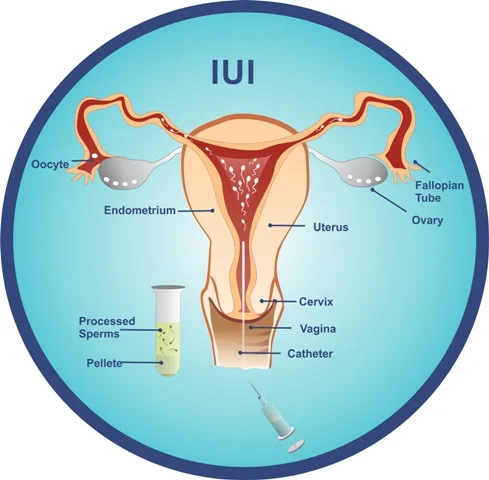
    illustration of a uterus with a syringe, representing intrauterine insemination procedure

    The Cost of Conception: Comparing Prices of Fertility Tracking Devices and Traditional Methods

    While fertility tracking devices may seem like a more expensive option, they can actually save couples money in the long run. By accurately predicting ovulation and fertile days, these devices can increase the chances of conception, reducing the need for expensive fertility treatments. According to a study published in the journal Obstetrics & Gynecology, using fertility tracking devices can increase the chances of conception by up to 89%. This can save couples thousands of dollars that would otherwise be spent on fertility treatments.

    In addition to the cost of the device itself, couples also need to consider the cost of replacements or additional features. For example, some fertility tracking devices require monthly subscriptions for access to advanced features such as personalized coaching or data analysis. The cost of additional features can range from $5 to $50 per month. Replacement parts such as test strips for ovulation prediction kits or batteries for wearable devices also add to the overall cost.

    While traditional methods of fertility tracking may seem more cost-effective, the time and effort required may make them less desirable for some couples. Fertility tracking devices offer a more convenient and precise way of tracking fertility, which can save couples time, effort, and money in the long run. However, it is important to consider the individual needs and preferences of each couple when deciding which method to use.

    In conclusion, the cost of conception can be greatly impacted by the method used for fertility tracking. Traditional methods may seem more cost-effective, but they require a lot of effort and consistency. On the other hand, fertility tracking devices offer a more convenient and precise way of tracking fertility, but they come with an upfront cost. It is important for couples to weigh their options and choose the method that best suits their needs and budget.

    SEO metadata:
  • From Charts to Apps: Exploring the History of Fertility Tracking Methods

    From Charts to Apps: Exploring the History of Fertility Tracking Methods

    Fertility tracking has been an important aspect of human life for centuries. From ancient times to the present day, people have been using various methods to monitor and track their fertility for purposes such as family planning, reproductive health, and pregnancy prevention or achievement. With the advancement of technology, fertility tracking methods have evolved from simple charting and tracking to sophisticated apps and devices. In this blog post, we will dive into the history of fertility tracking methods and how they have evolved over time.

    Ancient Methods of Fertility Tracking

    The earliest known method of fertility tracking dates back to ancient Egypt, where women would drink a mixture of honey and beer to determine if they were pregnant. If the mixture fermented and produced bubbles, it was believed that the woman was pregnant. In ancient Greece, women would observe their cervical mucus to determine their fertility status. They believed that clear and stretchy mucus indicated fertility, while cloudy and sticky mucus meant infertility.

    Charting and Tracking Methods

    In the early 20th century, doctors started using basal body temperature (BBT) charting to track a woman’s ovulation. This method involves taking the woman’s body temperature every morning before getting out of bed and recording it on a chart. A slight increase in temperature indicates ovulation has occurred. This method is still widely used today, especially by women trying to conceive.

    Another popular method of fertility tracking is the calendar method, also known as the rhythm method. This method involves tracking a woman’s menstrual cycle and predicting when she is most likely to ovulate based on the length of her cycle. However, this method is not very accurate as it relies on the assumption that a woman’s cycle is regular, which is not always the case.

    In the 1970s, fertility awareness methods (FAMs) gained popularity. FAMs involve tracking a woman’s BBT, cervical mucus, and other fertility signs to determine her fertile window. These methods are more accurate than the calendar method and can be used for both pregnancy achievement and prevention.

    The Rise of Technology in Fertility Tracking

    With the rise of technology, fertility tracking has become more convenient and accurate. In the 1980s, home ovulation predictor kits (OPKs) were introduced. These kits use urine samples to detect the surge in luteinizing hormone (LH) that occurs right before ovulation. This method is widely used by women trying to conceive.

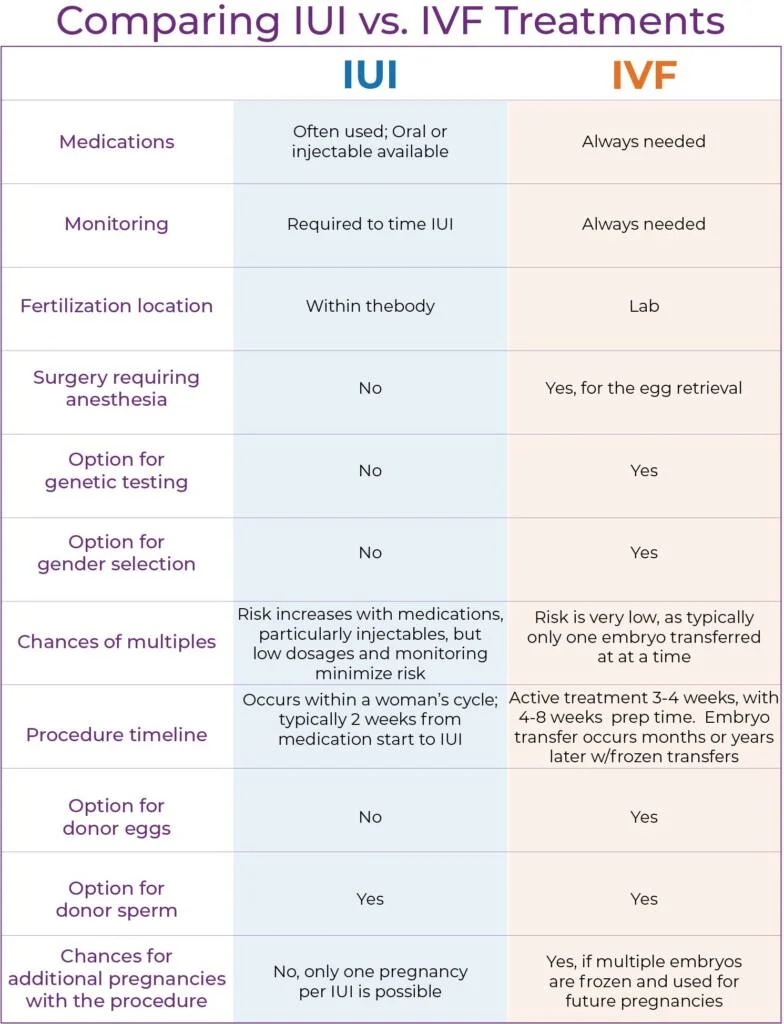
    Comparison chart of IUI and IVF treatments, detailing medications, monitoring, procedures, and success rates.

    From Charts to Apps: Exploring the History of Fertility Tracking Methods

    In the 1990s, fertility tracking software was introduced, making it easier for women to track their fertility using their computer. These programs allow women to input their fertility signs and generate charts and predictions based on the data.

    In the 2000s, fertility tracking apps became popular, with the rise of smartphones and mobile technology. These apps offer a more user-friendly and convenient way of tracking fertility signs. They also come with additional features such as reminders, community support, and integration with other health apps.

    Modern Fertility Tracking Methods

    Today, there are various modern fertility tracking methods available, ranging from wearable devices to hormonal birth control methods. One popular method is the fertility monitor, which uses hormonal tracking and algorithms to predict ovulation. Another method is the fertility tracker, a wearable device that tracks various fertility signs and syncs with an app to provide personalized insights and predictions.

    Hormonal birth control methods, such as the pill, patch, and ring, also have the ability to track a woman’s cycle and fertility window. These methods work by suppressing ovulation, but some also come with apps or reminder systems to help women stay on track with their birth control schedule.

    The Future of Fertility Tracking

    As technology continues to advance, we can expect more innovations in the field of fertility tracking. One promising method is the use of biosensors, which can analyze a woman’s saliva or sweat to determine her fertility status. These sensors can be worn as a bracelet or attached to a smartphone, making it easier for women to track their fertility on the go.

    Another area of development is the use of artificial intelligence (AI) in fertility tracking. AI algorithms can analyze a woman’s fertility data and provide more accurate predictions and personalized insights. With the help of AI, fertility tracking could become even more precise and convenient in the future.

    In conclusion, fertility tracking methods have come a long way since ancient times. From simple observations and charting to sophisticated apps and devices, these methods have evolved to provide more accurate and convenient ways for women to track their fertility. With the continuous advancement of technology, we can expect even more innovations in the field of fertility tracking, making it easier for women to manage their reproductive health and family planning.

    SEO metadata:

  • A Holistic Approach: Combining Fertility Tracking Apps with Traditional Methods

    Summary:

    Fertility is a topic that has been gaining more attention in recent years, as couples struggle with issues of infertility and unplanned pregnancies. With the advancements in technology, there has been an increase in the number of fertility tracking apps available to women. These apps use various methods such as temperature tracking, cervical mucus analysis, and ovulation predictor kits to help women track their fertile window. While these apps can be helpful, they often overlook the importance of combining traditional methods of fertility tracking. In this blog post, we will explore the benefits of taking a holistic approach to fertility tracking by combining both fertility tracking apps and traditional methods.

    One of the key benefits of combining fertility tracking apps with traditional methods is the increased accuracy in predicting ovulation. While fertility tracking apps use algorithms and data input by the user to predict ovulation, traditional methods such as basal body temperature charting and cervical mucus analysis provide more concrete evidence of ovulation. By combining the two, women can have a more comprehensive understanding of their menstrual cycle and accurately pinpoint their fertile window.

    Moreover, fertility tracking apps often overlook the importance of lifestyle factors that can affect fertility. Traditional methods, such as the Sympto-Thermal Method, take into account factors such as stress, diet, and sleep patterns, which can impact a woman’s fertility. By incorporating traditional methods into their fertility tracking routine, women can gain a better understanding of their overall reproductive health and make necessary lifestyle changes to improve their chances of conceiving.

    diagram illustrating intrauterine insemination (IUI) with labeled reproductive anatomy and procedures

    A Holistic Approach: Combining Fertility Tracking Apps with Traditional Methods

    Another advantage of combining fertility tracking apps with traditional methods is the ability to detect any underlying reproductive health issues. Fertility tracking apps may only focus on predicting ovulation, but traditional methods can provide valuable insights into a woman’s menstrual cycle. For example, tracking basal body temperature can help identify if a woman is experiencing anovulatory cycles, which could be a sign of an underlying health issue. By noticing these patterns, women can seek medical help and address any potential fertility issues earlier.

    Additionally, taking a holistic approach to fertility tracking can also improve a couple’s communication and understanding of each other’s reproductive health. By involving partners in the tracking process, couples can gain a deeper understanding of the female partner’s menstrual cycle and fertility. This can lead to a more open and honest conversation about family planning and can help couples make informed decisions about when to try to conceive.

    While fertility tracking apps can be convenient and easy to use, they often come with a price tag. On the other hand, traditional methods of fertility tracking, such as the Billings Ovulation Method, are natural and cost-effective. By combining the two, couples can save money and still have access to accurate and comprehensive fertility tracking.

    In conclusion, there are numerous benefits to taking a holistic approach to fertility tracking by combining both fertility tracking apps and traditional methods. By doing so, women can have a more accurate understanding of their menstrual cycle, improve their reproductive health, and increase their chances of conceiving. It also allows for better communication and decision-making for couples when it comes to family planning. So, instead of relying solely on fertility tracking apps, consider incorporating traditional methods into your routine for a more holistic approach to reproductive health.

  • Customized to Your Needs: The Personalization of Fertility Tracking Apps

    Blog Post: Customized to Your Needs: The Personalization of Fertility Tracking Apps

    In today’s digital age, there seems to be an app for everything. From tracking your steps and sleep to managing your finances and grocery lists, there’s no shortage of personalized apps to help us navigate our daily lives. And now, fertility tracking apps have joined the mix, offering women a convenient and customizable way to monitor their reproductive health.

    Fertility tracking, also known as natural family planning or fertility awareness, is the process of monitoring and recording various fertility indicators such as basal body temperature, cervical mucus, and menstrual cycles to determine the most fertile days in a woman’s cycle. This method can be used both to achieve or avoid pregnancy, making it a valuable tool for women at any stage of their reproductive journey.

    While traditional methods of fertility tracking involved pen and paper or complicated charts, the rise of technology has brought about the development of fertility tracking apps. These apps offer a more user-friendly and efficient way to track fertility, with features such as customizable reminders, data entry options, and even predictive algorithms to help predict ovulation and fertile days.

    One of the biggest advantages of fertility tracking apps is their ability to personalize the experience for each user. No two women have the exact same cycle, and these apps take that into account by allowing users to input their own data and preferences. This personalization allows for more accurate predictions and a better understanding of one’s fertility patterns.

    Furthermore, these apps often come with additional features that cater to individual needs. For example, some apps offer options for tracking specific symptoms or health conditions, such as endometriosis or PCOS, which may affect fertility. Others may offer insights into lifestyle factors such as stress levels, exercise, and diet, which can also impact fertility. By tailoring the app to their unique needs, women can gain a better understanding of their fertility and make more informed decisions about their reproductive health.

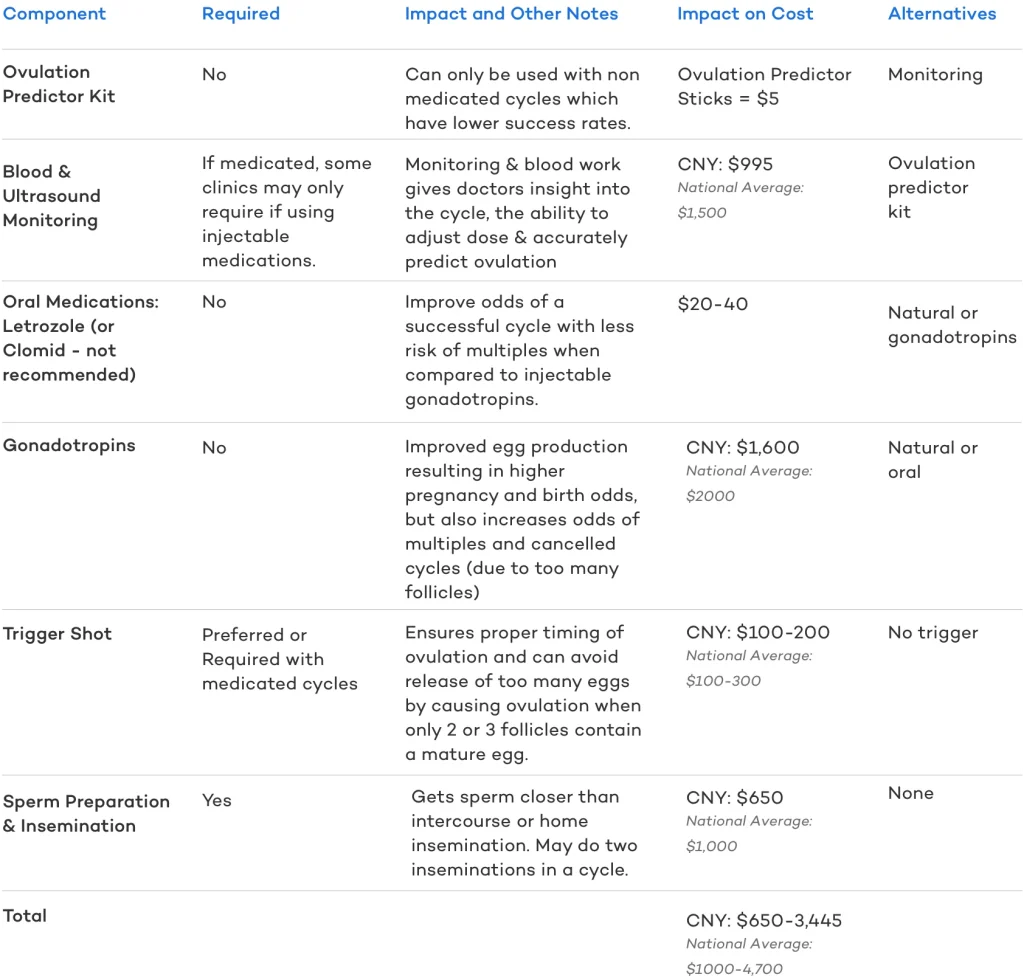
    Cost breakdown for IUI components, including requirements, impacts, and alternatives.

    Customized to Your Needs: The Personalization of Fertility Tracking Apps

    In addition to personalization, fertility tracking apps also offer convenience and accessibility. With most of us constantly glued to our smartphones, it’s much easier to input data and track fertility on an app rather than through traditional methods. These apps also allow for easy sharing of data with partners, doctors, or fertility specialists, making it a collaborative effort in managing reproductive health.

    But with the increasing popularity of fertility tracking apps, it’s important to note that not all apps are created equal. As with any digital tool, it’s crucial to do thorough research and choose a reputable app that has been developed with input from medical professionals. Some apps may claim to be accurate but lack the necessary scientific evidence to back it up, leading to incorrect predictions and potential consequences for those using the app for contraceptive purposes.

    Moreover, as with any personal data shared online, there are concerns about privacy and security when it comes to fertility tracking apps. It’s essential to choose an app that has strong privacy policies and takes measures to protect user data. Reading reviews and doing thorough research before downloading an app can help ensure that your information is in safe hands.

    In conclusion, the personalization of fertility tracking apps has revolutionized the way women approach their reproductive health. These apps offer convenience, accuracy, and customization, making them a valuable tool for women at any stage of their reproductive journey. However, it’s crucial to choose a reputable app and be mindful of privacy and security concerns. With the right app, women can take control of their fertility and make informed decisions about their reproductive health.

    Summary:

    Fertility tracking apps have become increasingly popular in recent years, offering women a convenient and customizable way to monitor their reproductive health. These apps allow for personalization, taking into account individual cycle variations and offering features tailored to specific needs and health conditions. They also offer convenience and accessibility, with the ability to easily share data with partners and healthcare providers. However, it’s essential to choose a reputable app and be mindful of privacy and security concerns. With the right app, women can take control of their fertility and make informed decisions about their reproductive health.