Tag: fertility apps

  • Maximizing Your Fertility: Which Tracking Method is Right for You?

    Blog Post Title: Maximizing Your Fertility: Which Tracking Method is Right for You?

    Fertility is a topic that is often surrounded by myths and misconceptions. For many individuals and couples, trying to conceive can be a challenging and emotional journey. However, with the advancement of technology and research, there are now various methods available to help maximize fertility and increase the chances of getting pregnant. One of the most effective ways to boost fertility is by tracking your menstrual cycle and ovulation. In this blog post, we will explore the different tracking methods available and help you determine which one is the right fit for you.

    1. Basal Body Temperature (BBT) Tracking
    Basal body temperature tracking involves measuring your body’s temperature using a special thermometer every morning before getting out of bed. This method works on the premise that a woman’s body temperature rises slightly after ovulation. By tracking your BBT over a few months, you can identify the pattern of when you ovulate. This information can help you plan intercourse during your most fertile days.

    Pros:
    – Inexpensive and easy to do at home
    – Can help identify ovulation patterns
    – Can be used in conjunction with other tracking methods

    Cons:
    – Requires consistency and commitment
    – Can be affected by factors such as illness, alcohol consumption, and lack of sleep
    – Only predicts ovulation after it has occurred, not before

    2. Ovulation Predictor Kits (OPKs)
    OPKs work by detecting the surge in luteinizing hormone (LH) that occurs 24-36 hours before ovulation. This surge triggers the release of an egg from the ovary. By testing your urine with an OPK, you can identify when your LH surge is happening, and therefore predict when you will ovulate.

    Pros:
    – Easy to use and read
    – Can predict ovulation 24-36 hours in advance
    – Can be used at home

    Cons:
    – Can be expensive if used every month
    – Can give false positives if not used correctly
    – May not work for women with irregular cycles or certain medical conditions

    3. Cervical Mucus Tracking
    Cervical mucus tracking involves monitoring changes in the consistency and appearance of your cervical mucus throughout your menstrual cycle. As you approach ovulation, your cervical mucus becomes clear, slippery and stretchy, similar to egg whites. This type of mucus helps sperm travel to the egg more easily.

    Pros:
    – Can be done at home with no cost
    – Provides information about the quality of your cervical mucus, which is important for fertility
    – Can be used in conjunction with other tracking methods

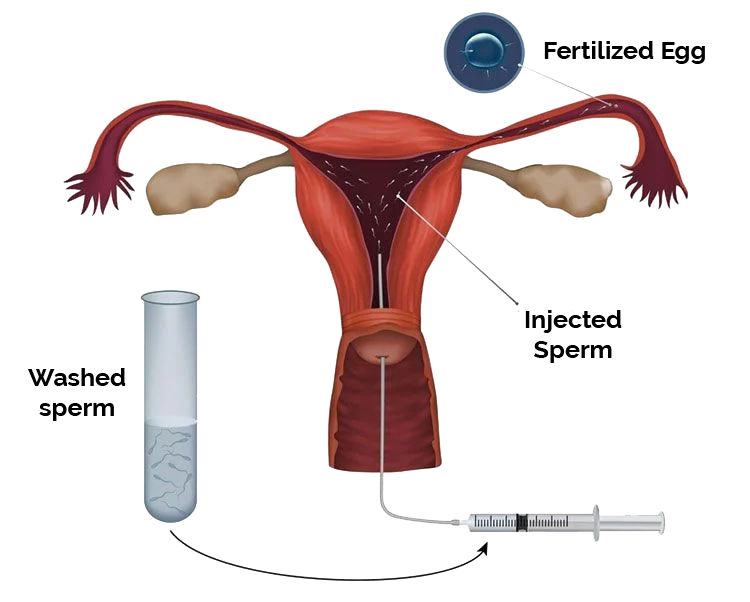
    Comparison of IUI and IVF, illustrating procedures and definitions for each fertility treatment.

    Maximizing Your Fertility: Which Tracking Method is Right for You?

    Cons:
    – May be difficult to determine the changes in cervical mucus for some women
    – Can be affected by factors such as sexual arousal, lubricants, and spermicide
    – Does not predict ovulation, only indicates when it has occurred

    4. Fertility Tracking Apps
    In recent years, there has been an increase in the popularity of fertility tracking apps. These apps use data such as BBT, menstrual cycle length, and symptoms to predict ovulation and fertile days. Some apps also allow you to input other information such as cervical mucus and ovulation predictor kit results to provide a more accurate prediction.

    Pros:
    – Convenient and easy to use
    – Can track and analyze data over time
    – Can provide personalized insights and recommendations
    – Can be used in conjunction with other tracking methods

    Cons:
    – Relies on user input, which may not always be accurate
    – Can be affected by factors such as illnesses and changes in lifestyle
    – May not work for women with irregular cycles or certain medical conditions

    5. Fertility Monitors
    Fertility monitors are devices that track various fertility signs, such as BBT, LH surge, and cervical mucus, to provide a more accurate prediction of ovulation and fertile days. They often come with a handheld monitor and test sticks that measure hormone levels in urine.

    Pros:
    – More accurate than other tracking methods
    – Can be used at home
    – Can track multiple fertility signs
    – Can be used by women with irregular cycles or certain medical conditions

    Cons:
    – Can be expensive upfront
    – May require additional test sticks to be purchased
    – May need to be used for a few months before giving accurate readings

    After exploring the various tracking methods, it is essential to choose the one that best fits your lifestyle, preferences, and needs. You may also want to consult with your healthcare provider for personalized recommendations.

    In conclusion, tracking your menstrual cycle and ovulation can greatly increase your chances of getting pregnant. Whether you choose to use a combination of tracking methods or stick to one, the key is consistency and patience. With time and effort, you can maximize your fertility and take a step closer to growing your family.

    SEO Metadata:
  • The Role of Apps in Fertility Tracking: A Comparison of Devices and Traditional Methods

    Blog Post Title: The Role of Apps in Fertility Tracking: A Comparison of Devices and Traditional Methods

    Fertility tracking is a crucial aspect for many individuals and couples who are trying to conceive or prevent pregnancy. In the past, the most common method of tracking fertility was through traditional methods such as using a basal body thermometer or tracking menstrual cycles on a calendar. However, with the advancement of technology, many new devices and apps have emerged to help individuals track their fertility more accurately and conveniently. In this blog post, we will explore the role of apps in fertility tracking and compare them to traditional methods.

    The Rise of Fertility Tracking Apps
    In recent years, fertility tracking apps have gained immense popularity among women who are trying to conceive or simply monitor their reproductive health. These apps offer features such as tracking menstrual cycles, predicting ovulation, and recording symptoms such as mood changes and cervical mucus consistency. They also allow users to input data about their lifestyle habits, such as exercise and diet, to provide a more comprehensive picture of their fertility.

    One of the main advantages of fertility tracking apps is the convenience they offer. With just a few taps on a smartphone, users can easily input their data and receive personalized insights about their fertility. These apps also often provide educational resources and tips for optimizing fertility, making them a valuable tool for those on their fertility journey.

    Comparison to Traditional Methods
    While fertility tracking apps have become increasingly popular, there are still some who prefer traditional methods of tracking fertility. One of the most common traditional methods is using a basal body thermometer to track changes in body temperature, which can indicate ovulation. This method requires a bit more effort as it involves taking your temperature at the same time every morning and charting it on a graph. However, it is a reliable method that has been used for decades by many women.

    Another traditional method is tracking menstrual cycles on a calendar. This involves marking the first day of your period and using the average length of your cycle to predict when ovulation may occur. While this method is simple and inexpensive, it may not be accurate for women with irregular cycles or those who have recently stopped using hormonal birth control.

    Accuracy and Effectiveness
    When it comes to accuracy and effectiveness, fertility tracking apps and traditional methods have their pros and cons. Fertility tracking apps use algorithms to predict ovulation based on the data entered by the user. This means that the accuracy of the predictions is dependent on the accuracy of the data inputted. These apps can also be affected by external factors such as illness or travel, which may throw off the predictions.

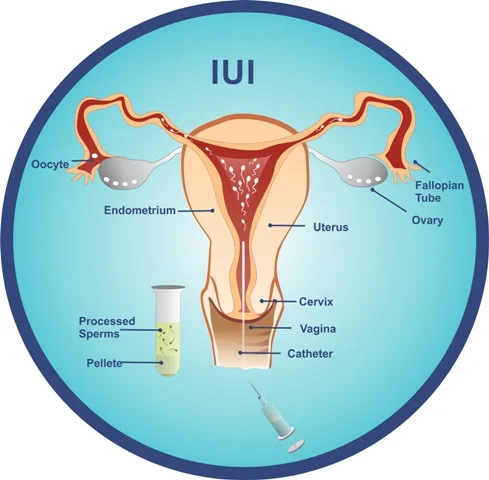
    diagram illustrating intrauterine insemination (IUI) with labeled reproductive anatomy and procedures

    The Role of Apps in Fertility Tracking: A Comparison of Devices and Traditional Methods

    On the other hand, traditional methods such as basal body thermometers and calendar tracking rely on physical signs and symptoms. While these methods may be more accurate for some women, they also require a high level of commitment and consistency to be effective.

    The Role of Technology
    One of the main advantages of fertility tracking apps is the use of technology. These apps often use advanced algorithms and machine learning to analyze data and provide personalized insights. They also offer features such as reminders and notifications, making it easier for users to stay on track with their fertility tracking.

    Additionally, many fertility tracking apps have partnered with healthcare professionals and experts to provide accurate and evidence-based information. This is particularly helpful for individuals who may not have access to fertility specialists or are looking for more information and support on their journey.

    Privacy and Security Concerns
    Privacy and security are important considerations when it comes to fertility tracking apps. As these apps often collect sensitive personal information, it is crucial to choose a reputable and secure app. Look for apps that have a privacy policy and ensure that your data is only shared with your consent.

    Another factor to consider is whether the app is HIPAA compliant. This means that the app meets the standards of the Health Insurance Portability and Accountability Act, which protects the privacy of individuals’ health information. HIPAA compliant apps have additional security measures in place to protect your data.

    In Conclusion
    Fertility tracking apps offer a convenient and accessible way for individuals to monitor their fertility. They provide personalized insights and educational resources, making them a valuable tool for those trying to conceive or monitor their reproductive health. However, traditional methods such as basal body thermometers and calendar tracking may still be more accurate and effective for some individuals. Ultimately, the choice between apps and traditional methods will depend on personal preference and individual needs.

    Summary:
    In this blog post, we discussed the role of apps in fertility tracking and compared them to traditional methods. Fertility tracking apps offer convenience and personalized insights, but traditional methods may be more accurate for some individuals. We also discussed the role of technology in these apps and the importance of privacy and security. Ultimately, the choice between apps and traditional methods depends on personal preference and individual needs.

  • The User Experience: A Comparison of Fertility Tracking Apps and Traditional Methods

    User experience (UX) has become a crucial factor in the success of any product or service. It refers to the overall experience a user has while interacting with a product or service, and it plays a significant role in the decision-making process of consumers. Fertility tracking is no exception to this, as there has been a rise in the use of fertility tracking apps in recent years. These apps promise to make the process of tracking fertility easier and more convenient than traditional methods. In this blog post, we will compare the user experience of fertility tracking apps and traditional methods, and determine which one is more effective.

    Fertility tracking is the process of monitoring a woman’s menstrual cycle to determine the most fertile days for conception or to avoid pregnancy. Traditional methods of fertility tracking include tracking the menstrual cycle using a calendar, monitoring changes in cervical mucus, and measuring basal body temperature. On the other hand, fertility tracking apps use technology such as algorithms and artificial intelligence to predict ovulation and fertility window.

    One of the main advantages of fertility tracking apps is the convenience factor. These apps can be easily downloaded on smartphones and can be accessed anytime, anywhere. This eliminates the need for carrying a physical calendar or relying on memory to track the menstrual cycle. Additionally, these apps often come with features such as reminders and notifications, making it easier for users to stay on track with their fertility tracking.

    Moreover, fertility tracking apps offer a user-friendly interface. They are designed to be intuitive and easy to navigate, making it easier for users to input data and track their cycles. These apps also often come with features such as charts and graphs, which provide a visual representation of the data, making it easier to understand and interpret. This can be particularly helpful for women who are new to fertility tracking and may not be familiar with the terminology and concepts involved.

    Another significant advantage of fertility tracking apps is the accuracy and reliability of the data. These apps use advanced technology and algorithms to track and predict ovulation and fertility, making the process more accurate than traditional methods. This can be especially beneficial for women with irregular cycles, as the app can adjust and adapt to their unique patterns.

    diagram of the female reproductive system with an IUI syringe and test tube for artificial insemination

    The User Experience: A Comparison of Fertility Tracking Apps and Traditional Methods

    On the other hand, traditional methods of fertility tracking have their own set of advantages. One of the main benefits is the cost-effectiveness. Unlike fertility tracking apps, which often require a subscription or one-time purchase, traditional methods do not involve any additional expenses. This can be particularly helpful for women who may not have access to smartphones or may not be able to afford fertility tracking apps.

    Traditional methods of fertility tracking also promote a deeper understanding of one’s body. By tracking changes in cervical mucus and basal body temperature, women can become more in tune with their bodies and better understand their menstrual cycle. This can also help in identifying any irregularities or potential issues with fertility.

    Moreover, traditional methods of fertility tracking do not rely on technology or artificial intelligence, but rather on natural bodily changes. This can be seen as a more holistic and natural approach to fertility tracking for some women.

    However, traditional methods of fertility tracking have their limitations. They require a lot of effort and consistency, which can be challenging for some women. This can lead to errors in tracking, which can affect the accuracy of the data. Additionally, traditional methods may not be as precise as fertility tracking apps, as they rely on personal interpretation and observation.

    In conclusion, both fertility tracking apps and traditional methods have their own set of advantages and limitations. Fertility tracking apps offer convenience, accuracy, and a user-friendly interface, while traditional methods promote a deeper understanding of one’s body and are more cost-effective. Ultimately, the choice between the two will depend on individual preferences and needs.

    In summary, fertility tracking apps and traditional methods offer different user experiences. While fertility tracking apps provide convenience and accuracy, traditional methods promote a deeper understanding of one’s body. Both have their own advantages and limitations, and the choice between the two will depend on individual preferences and needs.

  • The Future of Fertility Tracking: What’s Next for Apps and Traditional Techniques?

    Blog Post:

    Fertility tracking has been around for centuries, with various traditional techniques such as tracking menstrual cycles and observing cervical mucus changes. However, in recent years, there has been a rise in the use of fertility tracking apps, making it easier for women to monitor their cycles and increase their chances of conception. These apps use advanced technology and algorithms to predict ovulation and fertile days, aiding women in their journey towards motherhood. But what does the future hold for fertility tracking? Will apps continue to dominate, or will traditional techniques make a comeback? In this blog post, we will explore the future of fertility tracking, including the potential advancements in apps and the possible revival of traditional methods.

    The Rise of Fertility Tracking Apps

    Fertility tracking apps have seen a significant increase in popularity in recent years, with more and more women turning to technology to help them conceive. These apps provide a convenient and discreet way to track menstrual cycles, monitor basal body temperature, and record other fertility indicators such as cervical mucus and ovulation test results. With the use of advanced algorithms, these apps can predict the fertile window and help women pinpoint the best time to conceive.

    One of the main advantages of fertility tracking apps is the ease of use and accessibility. They can be downloaded on smartphones, making it convenient for women to track their cycles on-the-go. Furthermore, these apps often come with additional features such as personalized insights and reminders, making the process of fertility tracking more efficient and accurate.

    The Future of Fertility Tracking Apps

    In the future, we can expect to see even more advancements in fertility tracking apps. With the use of artificial intelligence (AI) and machine learning, these apps can become more personalized and accurate. By analyzing data from thousands of users, these apps can make more accurate predictions and provide tailored recommendations for each individual.

    Another potential advancement for fertility tracking apps is the integration of wearable technology. With the rise of smartwatches and fitness trackers, it is not far-fetched to imagine a fertility tracking app that can sync with these devices to collect more data and provide more precise predictions. This would also eliminate the need for manual input of data, making the process more seamless and hassle-free.

    Challenges and Concerns

    While fertility tracking apps have many benefits, there are also challenges and concerns that need to be addressed. One of the main concerns is the lack of regulation and oversight of these apps. Unlike medical devices, fertility tracking apps are not subjected to strict regulations, which may result in inaccurate predictions and unreliable data.

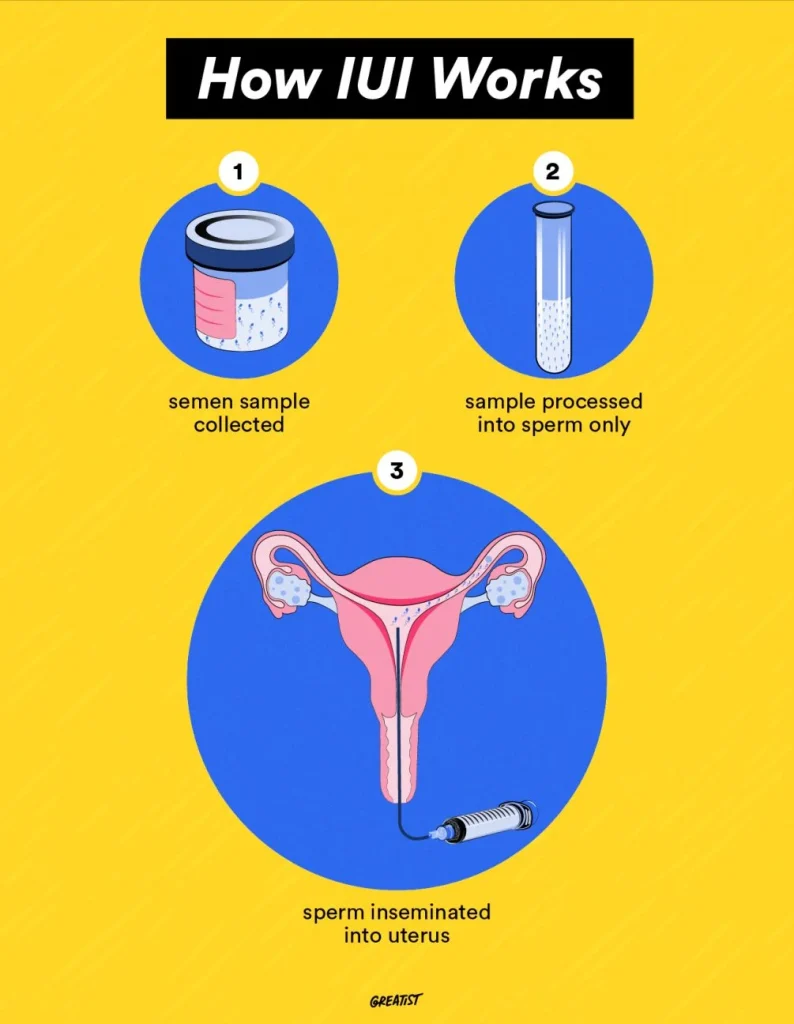
    illustration explaining the steps of intrauterine insemination (IUI) process on a bright yellow background

    The Future of Fertility Tracking: What's Next for Apps and Traditional Techniques?

    There is also a concern about the privacy and security of data collected by these apps. As they gather sensitive information about an individual’s menstrual cycle and fertility, it is crucial for these apps to have proper security measures in place to protect user data.

    The Revival of Traditional Techniques

    As technology continues to advance, it is easy to overlook the effectiveness of traditional fertility tracking methods. However, in recent years, there has been a resurgence in the use of traditional techniques such as tracking basal body temperature and observing cervical mucus changes. This is due to the increasing awareness of the limitations and potential inaccuracies of fertility tracking apps.

    While these traditional techniques may require more effort and time, they can provide valuable insights into a woman’s fertility. For example, tracking basal body temperature can help identify if ovulation has occurred, while monitoring cervical mucus can indicate the most fertile days of the cycle.

    Combining Traditional Techniques with Technology

    Rather than choosing between apps and traditional techniques, the future of fertility tracking may involve a combination of both. With the use of technology, traditional methods can be enhanced, making them more efficient and accurate. For instance, fertility tracking apps can provide a platform for women to record their observations from traditional techniques, creating a more comprehensive and detailed overview of their fertility.

    Moreover, by combining both approaches, women can have a backup in case of any discrepancies or inaccuracies. This can provide peace of mind and increase confidence in the fertility tracking process.

    In conclusion, the future of fertility tracking is a combination of advanced technology and traditional techniques. While apps will continue to play a significant role in helping women conceive, there is also a place for traditional methods in the journey towards motherhood. As technology continues to evolve and improve, we can expect to see even more advancements in fertility tracking, making it easier and more accurate for women to track their cycles and increase their chances of conception.

    Summary:

    Fertility tracking has evolved with the rise of apps, providing a convenient and accurate way for women to monitor their cycles and increase chances of conception. In the future, we can expect to see even more advancements in apps, including the use of AI and wearable technology. However, concerns about regulation and privacy have also emerged. This has led to a resurgence of traditional techniques, which may be enhanced by technology in the future. The combination of apps and traditional methods may provide a more comprehensive and accurate approach to fertility tracking.

  • Fertility Tracking for All: How Apps are Making Tracking Accessible

    Title: Fertility Tracking for All: How Apps are Making Tracking Accessible

    Word Count: 2000

    Introduction

    Fertility tracking has become an increasingly popular method for couples and individuals trying to conceive or avoid pregnancy. However, traditional methods such as charting basal body temperature and cervical mucus can be time-consuming and difficult to interpret. This is where fertility tracking apps come in. With the rise of technology and smartphones, these apps have made tracking fertility more accessible for all. In this blog post, we will explore the benefits of fertility tracking apps and how they are making tracking accessible for everyone.

    The Rise of Fertility Tracking Apps

    Fertility tracking apps have been around for over a decade, but they have gained significant popularity in recent years. These apps use advanced algorithms and data input by the user to accurately predict ovulation and fertile days. They also provide a platform for users to track their menstrual cycles, symptoms, and sexual activity. With the increasing number of smartphone users, these apps have become widely available and accessible.

    Benefits of Using Fertility Tracking Apps

    1. Convenience and Accessibility

    One of the main benefits of fertility tracking apps is the convenience they offer. Unlike traditional methods, these apps are easily accessible on a smartphone and can be used anywhere and at any time. This is particularly useful for busy individuals who may not have the time to track their fertility manually. With just a few clicks, users can input their data and receive accurate predictions.

    2. Personalized and Accurate Predictions

    Fertility tracking apps use advanced algorithms to analyze data input by the user and provide personalized predictions. This means that the app takes into account factors such as cycle length, ovulation patterns, and symptoms to accurately predict fertile days and ovulation. This personalized approach makes tracking more accurate compared to traditional methods, which rely on general guidelines.

    3. Educational Resources

    Many fertility tracking apps also offer educational resources and information about fertility and reproductive health. This can be beneficial for users who are trying to conceive or simply want to learn more about their bodies. These resources can include articles, videos, and forums where users can interact with experts and other app users.

    4. Inclusivity and Privacy

    Fertility tracking apps are inclusive and cater to all individuals, regardless of their gender, sexual orientation, or relationship status. This is particularly beneficial for LGBTQ+ couples and individuals who may not have access to traditional fertility tracking methods. These apps also offer a level of privacy that traditional methods may not provide, as all data is stored securely on the user’s phone.

    Comparison of IUI and IVF with illustrations of each procedure.

    Fertility Tracking for All: How Apps are Making Tracking Accessible

    Making Tracking Accessible for All

    1. Language Options

    Fertility tracking apps have made tracking accessible for individuals who do not speak English as their first language. Many apps offer multiple language options, making it easier for non-English speakers to use the app and understand the information provided.

    2. Cost-effective

    Traditional fertility tracking methods such as ovulation kits and fertility monitors can be expensive. Fertility tracking apps, on the other hand, are relatively low-cost or even free. This makes tracking accessible for individuals who may not have the financial means to invest in traditional methods.

    3. User-friendly Interface

    Fertility tracking apps have a user-friendly interface that is easy to navigate and understand. This makes tracking accessible for individuals who may not be familiar with technology or have difficulty using traditional methods.

    4. Integration with Other Health Apps

    Many fertility tracking apps also offer integration with other health apps, such as fitness trackers and period trackers. This allows users to have all their health data in one place, making it easier to track and understand patterns in their bodies.

    5. Remote and Virtual Options

    In today’s digital age, many fertility tracking apps offer remote and virtual options. This means that users can communicate with experts and receive support and guidance without having to leave their homes. This is particularly beneficial for individuals who may not have access to fertility clinics or experts in their area.

    The Future of Fertility Tracking Apps

    Fertility tracking apps have come a long way in terms of accessibility and accuracy. However, there is still room for improvement. In the future, we can expect to see even more advanced algorithms and artificial intelligence being used to make predictions more accurate. There may also be more integration with other health apps and virtual options for support and guidance.

    Conclusion

    Fertility tracking apps have revolutionized the way individuals and couples track their fertility. With their convenience, accuracy, and accessibility, they have made tracking accessible for all. By providing educational resources, language options, and inclusivity, these apps have created a more inclusive and user-friendly experience. As technology continues to advance, we can expect to see even more benefits and improvements in fertility tracking apps.

  • Tracking Your Way to Pregnancy: Choosing Between Apps and Traditional Methods

    Blog Post Title: Tracking Your Way to Pregnancy: Choosing Between Apps and Traditional Methods

    Summary:

    Trying to conceive can be an exciting, yet overwhelming journey. With so many different methods and tools available, it can be difficult to determine which one is best for tracking your fertility. In this blog post, we will explore the two main options for tracking your way to pregnancy: fertility tracking apps and traditional methods.

    Fertility tracking apps have gained popularity in recent years, offering convenience and ease for those trying to get pregnant. These apps use advanced algorithms and data inputted by the user to predict when ovulation will occur and the best time to try to conceive. However, they are not without their limitations and may not be the best choice for everyone.

    On the other hand, traditional methods, such as tracking basal body temperature, cervical mucus, and ovulation predictor kits, have been used for decades by women trying to conceive. These methods are considered more natural and may provide a deeper understanding of the body’s fertility patterns, but they require more effort and consistency.

    illustration of IUI procedure with text on symptoms, reasons, and causes of IUI failure

    Tracking Your Way to Pregnancy: Choosing Between Apps and Traditional Methods

    When deciding between these two options, it is important to consider your personal preferences and needs. Fertility tracking apps are best for those who prefer technology and want a quick and convenient way to track their fertility. They are also helpful for those with irregular cycles or fertility issues, as they can provide more accurate predictions. However, they may not be as reliable for those with consistent cycles or for those who do not want to rely solely on technology.

    On the other hand, traditional methods may be more suitable for individuals who prefer a natural approach and want a deeper understanding of their body’s fertility patterns. These methods also require more consistency and effort, as they involve daily tracking and observation. However, they may not be as accurate as fertility tracking apps, and they can be more time-consuming.

    It is also worth noting that these two options are not mutually exclusive. Many women choose to combine the use of fertility tracking apps with traditional methods for a more comprehensive approach to tracking fertility.

    In addition to considering your preferences, it is important to consult with a healthcare professional when choosing a fertility tracking method. They can provide guidance and help determine which option may be best for you based on your individual circumstances.

    In conclusion, both fertility tracking apps and traditional methods have their pros and cons, and the decision ultimately comes down to personal preference and individual needs. It is essential to consult with a healthcare professional and consider your options carefully before choosing a method to track your way to pregnancy.