Navigating the Gender Divide: Male vs Female Fertility Tests
Infertility affects millions of couples around the world, and it can be a difficult and emotional journey to navigate. When a couple is struggling to conceive, it’s important for both partners to undergo fertility testing to determine the underlying causes. However, there is often a lack of understanding and awareness when it comes to male and female fertility tests. In this blog post, we will delve into the differences between male and female fertility tests and how to navigate the gender divide when it comes to fertility testing.
Male Fertility Tests:
When it comes to infertility, men are often overlooked as the cause. However, male infertility accounts for about 40% of all infertility cases. There are several male fertility tests that can be done to determine the health and quality of sperm.
1. Semen Analysis:
The most common and basic male fertility test is the semen analysis. This test measures the quantity and quality of sperm present in a semen sample. The sample is collected through masturbation and analyzed under a microscope. The results of this test can provide information on sperm count, motility (movement), and morphology (shape).
2. Hormone Tests:
Hormone tests can also be done to check for any hormonal imbalances that may be affecting sperm production. The most common hormones tested in male fertility are testosterone, follicle-stimulating hormone (FSH), and luteinizing hormone (LH).
3. Genetic Testing:
In some cases, genetic testing may be recommended to identify any inherited conditions or chromosomal abnormalities that may be affecting fertility. This is especially important for men with a family history of genetic disorders or those who have a low sperm count.
Female Fertility Tests:
Women undergo a more complex process when it comes to fertility testing. This is because there are multiple factors that can affect a woman’s fertility, such as ovulation, hormone levels, and the health of the reproductive organs.
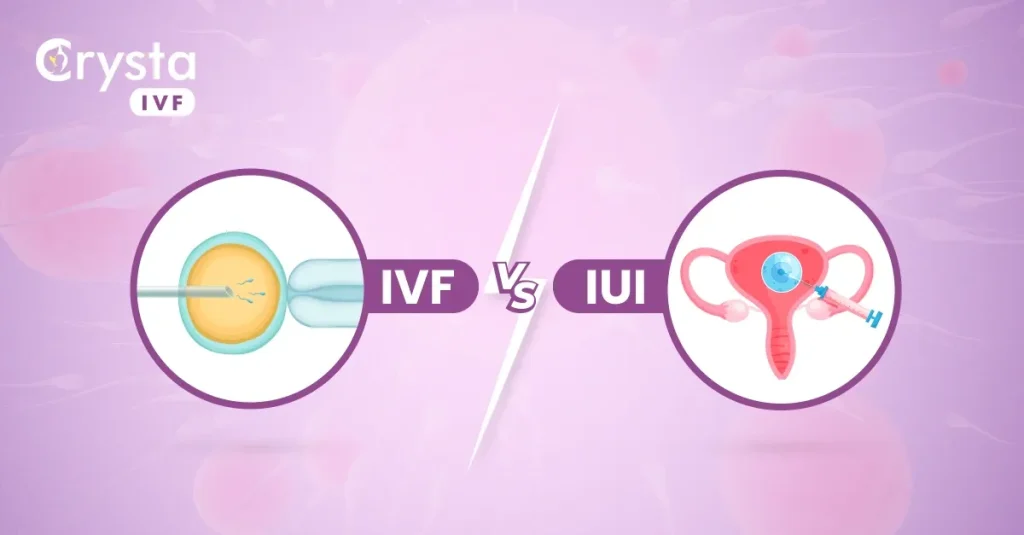
Navigating the Gender Divide: Male vs Female Fertility Tests
1. Ovulation Tests:
One of the first tests that a woman may undergo is an ovulation test. This can be done at home with an ovulation predictor kit or through blood tests to measure levels of luteinizing hormone (LH). These tests help to determine if a woman is ovulating regularly, which is essential for conception.
2. Hormone Tests:
Similar to male fertility testing, hormone tests are also done for women to check for any hormonal imbalances that may be affecting fertility. The most common hormones tested in female fertility are estrogen, progesterone, FSH, and LH.
3. Ultrasound:
An ultrasound can be used to check the health and function of the reproductive organs. It can detect any abnormalities in the uterus, ovaries, and fallopian tubes that may be causing infertility.
Navigating the Gender Divide:
One of the biggest challenges when it comes to fertility testing is the perception that infertility is solely a female issue. This often leads to men being hesitant or resistant to undergo testing. However, it’s crucial for both partners to be involved in the testing process to determine the cause of infertility and find the best treatment plan.
Communication is key when navigating the gender divide in fertility testing. Couples should openly discuss their concerns and fears, and support each other throughout the testing process. It’s also important to keep in mind that fertility testing is not a reflection of one’s worth or masculinity/femininity. It’s simply a way to gather information and find solutions to overcome infertility.
In some cases, both partners may need to undergo further testing if initial results are inconclusive. It’s important to stay positive and work together as a team to find answers and explore treatment options.
In conclusion, fertility testing is an essential step in the journey towards parenthood. Both men and women should undergo testing to determine the cause of infertility and find the best course of action. By understanding the differences between male and female fertility tests and navigating the gender divide, couples can overcome the challenges of infertility and achieve their dream of starting a family.
Summary:
Infertility affects millions of couples and both men and women should undergo fertility tests. Male fertility tests include semen analysis, hormone tests, and genetic testing, while female fertility tests include ovulation tests, hormone tests, and ultrasounds. Communication and support are crucial when navigating the gender divide in fertility testing, as both partners should be involved and open to further testing if needed.