Home insemination, also known as self-insemination, is the process of manually inserting sperm into the uterus or cervix at home in order to achieve pregnancy. With the advancements in reproductive technology, more and more people are turning to home insemination as an alternative to costly and invasive fertility treatments. However, this method of conception raises important legal implications that should not be overlooked. In this blog post, we will explore the legal considerations and responsibilities that come with home insemination in order to protect your family’s rights.
Family Rights in Home Insemination:
One of the main concerns when it comes to home insemination is the legal rights of the family involved. In the case of a heterosexual couple, the husband is automatically presumed to be the legal father of the child. However, in cases of same-sex couples or single parents, the legal parentage can be more complex. In some states, the non-biological parent may need to go through a second parent adoption process in order to establish legal parentage. This can be a lengthy and expensive process, but it is essential in order to protect the rights of the non-biological parent and ensure that they have equal parental rights and responsibilities.
In addition, if the sperm donor is known and involved in the child’s life, it is important to establish legal agreements and agreements about parental rights and responsibilities. This can help prevent future disputes and ensure that all parties involved are on the same page.
Parental Rights in Home Insemination:
For the donor or biological parent, it is important to understand their legal rights and responsibilities. In some cases, the donor may have no legal rights to the child, especially if they have signed a sperm donor agreement and have no involvement in the child’s life. However, in other cases, the donor may be considered a legal parent and may have rights to custody and visitation.
It is crucial for all parties involved to have a clear understanding of their rights and responsibilities before moving forward with home insemination. This can help avoid any legal battles or disputes in the future.
Reproductive Technology and Legal Considerations:
Home insemination involves the use of reproductive technology, which also raises important legal considerations. In some states, there are laws and regulations surrounding the use of reproductive technology, such as who can use it and what type of consent is required. It is important to research and understand the laws in your state before proceeding with home insemination.
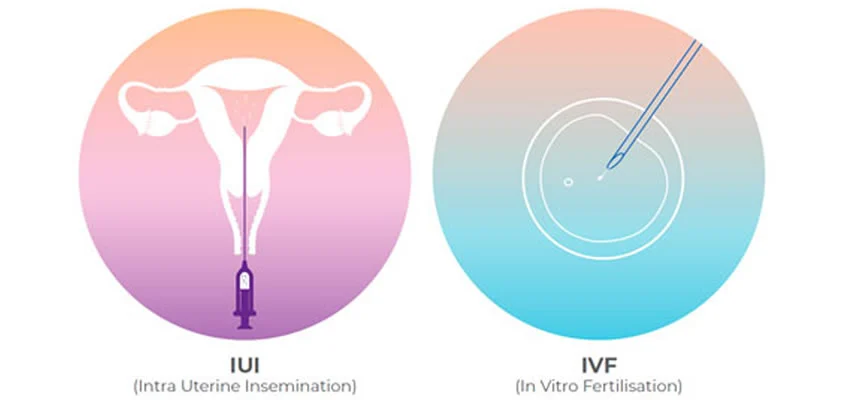
The Legal Implications of Home Insemination: Protecting Your Family's Rights and Responsibilities
In addition, it is important to ensure that any equipment or supplies used in the home insemination process are safe and approved for use. This can help prevent any potential harm to the donor, recipient, or future child.
Legal Responsibilities in Home Insemination:
With any type of assisted reproduction, there are legal responsibilities that must be considered. This includes the financial responsibilities of both the donor and recipient, as well as any potential legal liabilities. For example, if the sperm donor is not properly screened for infectious diseases, they could be held liable if the recipient or child becomes ill.
It is crucial to have a written agreement in place that outlines all financial and legal responsibilities of all parties involved in the home insemination process. This can help protect all individuals and ensure that everyone is aware of their obligations.
Protecting Your Family’s Rights:
In order to protect your family’s rights and responsibilities, it is important to seek legal guidance before proceeding with home insemination. A lawyer who specializes in reproductive law can help you navigate the legal implications and ensure that all necessary agreements are in place. They can also provide guidance on the laws and regulations in your state and help you understand your rights and responsibilities.
In addition, it is important to keep thorough records of all agreements and any medical procedures involved in the home insemination process. This can help protect your family’s rights in the event of any legal disputes.
In summary, home insemination can be a viable option for those looking to start a family, but it is important to understand the legal implications and responsibilities that come with it. Family rights, parental rights, reproductive technology, and legal responsibilities should all be carefully considered and addressed in order to protect your family’s rights. Seeking legal guidance and having clear agreements in place can help ensure a smooth and legally sound home insemination process.