The Role of Timing: Intrauterine Insemination vs Low-Tech IVF
Timing plays a crucial role in the success of fertility treatments, such as intrauterine insemination (IUI) and low-tech in vitro fertilization (IVF). These two options have become popular choices for couples struggling with infertility, but they differ in their approach and success rates. In this blog post, we will discuss the importance of timing in these two fertility treatments and compare their pros and cons.
Intrauterine Insemination (IUI)
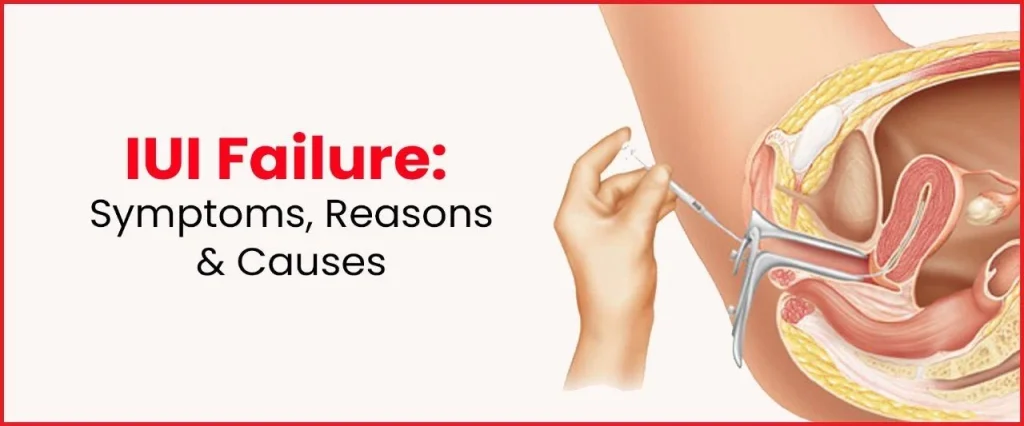
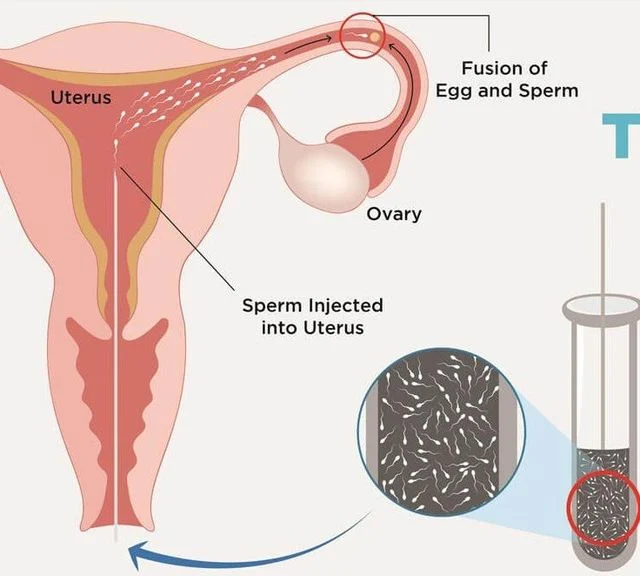
IUI, also known as artificial insemination, is a low-cost and less invasive fertility treatment. It involves placing washed and prepared sperm directly into the uterus, bypassing the cervix. The timing of IUI is crucial as it should be done around the time of ovulation to increase the chances of fertilization. Ovulation usually occurs 24-36 hours after the luteinizing hormone (LH) surge, which can be detected through at-home ovulation predictor kits or ultrasound monitoring.
The success rate of IUI depends on the cause of infertility, the age of the female partner, and the quality of the sperm used. For couples with unexplained infertility, the success rate of IUI is around 9-15% per cycle. However, for those with male factor infertility, the success rate can be as high as 26% per cycle. The advantage of IUI is that it is less invasive, has minimal side effects, and is less expensive compared to other fertility treatments.
Low-Tech In Vitro Fertilization (IVF)
Low-tech IVF is a fertility treatment that involves stimulating the ovaries with low doses of medications to produce a small number of eggs. The eggs are then retrieved and fertilized with sperm in a laboratory, and the resulting embryos are transferred into the uterus. The timing for low-tech IVF is crucial as it requires closely monitoring the ovaries to retrieve the eggs at the right time.
The success rate of low-tech IVF depends on various factors, including the age of the female partner, the quality of the eggs, and the sperm used. The average success rate for low-tech IVF is around 20-35% per cycle, making it a more effective option than IUI. However, low-tech IVF is more invasive, requires more appointments, and is more expensive than IUI.
The Role of Timing: Intrauterine Insemination vs Low-Tech IVF
Timing is Key: Intrauterine Insemination vs Low-Tech IVF
The timing of IUI and low-tech IVF is crucial for their success. While both treatments aim to increase the chances of fertilization, they differ in their approach. IUI relies on the natural process of ovulation, while low-tech IVF involves stimulating the ovaries to produce multiple eggs. This difference in approach also affects the timing of the treatments.
IUI is a less invasive and more affordable option for couples with unexplained or male factor infertility. However, the success rate of IUI is lower compared to low-tech IVF. On the other hand, low-tech IVF has a higher success rate but is more invasive and expensive. Therefore, the choice between the two treatments depends on the individual circumstances of the couple.
Factors to Consider
When deciding between IUI and low-tech IVF, several factors should be considered, including:
1. Age and fertility status of the female partner.
2. Cause of infertility.
3. Quality of sperm.
4. Financial constraints.
5. Personal preferences.
It is essential to consult with a fertility specialist to determine the best treatment option based on these factors.
In conclusion, the role of timing in fertility treatments cannot be overlooked. Both IUI and low-tech IVF require precise timing to increase the chances of success. While IUI is a less invasive and more affordable option, low-tech IVF has a higher success rate but is more invasive and expensive. The decision between the two treatments should be based on individual circumstances and after consulting with a fertility specialist.