Fertility treatments and adoption are both paths to building a family for couples struggling with infertility. While both options can bring immense joy and fulfillment, they also come with significant financial costs. In this blog post, we will break down the costs of fertility treatments versus adoption expenses, so that you can make an informed decision on which route is best for you and your family.
Fertility Treatments:
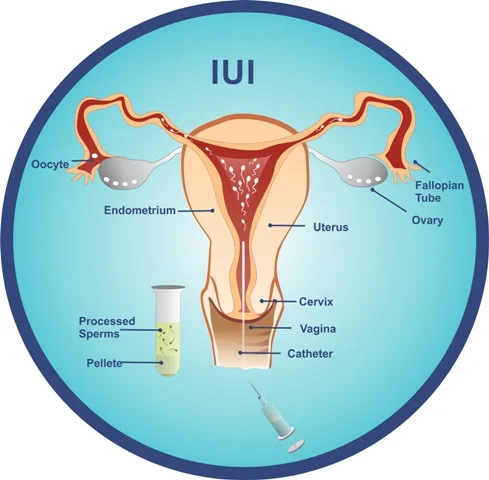
Fertility treatments involve various medical procedures and techniques that help couples conceive a child. These treatments can range from simple lifestyle changes to more complex procedures like in vitro fertilization (IVF). The costs of fertility treatments can vary greatly depending on the type of treatment, location, and individual circumstances. On average, a single cycle of IVF in the United States can cost anywhere from $12,000 to $17,000, not including medication or additional procedures.
Additional costs to consider with fertility treatments include medications, which can range from $2,000 to $5,000 per cycle, and diagnostic tests, which can range from $1,000 to $3,000. If a couple chooses to use a sperm or egg donor, the costs can increase significantly, with sperm donors costing around $500 per vial and egg donors costing around $8,000 to $10,000. It is also important to keep in mind that many couples may need to undergo multiple cycles of fertility treatments before achieving a successful pregnancy, leading to even higher costs.
Adoption Expenses:
Adoption is another option for couples looking to build a family. The process involves legally welcoming a child into your family who is not biologically related to you. The costs of adoption can vary greatly depending on the type of adoption, agency fees, and location. On average, domestic adoptions in the United States can cost anywhere from $20,000 to $40,000, while international adoptions can range from $30,000 to $50,000.
Some of the expenses associated with adoption include home study fees, legal fees, and agency fees. A home study, which is required for all adoptions, can cost anywhere from $1,500 to $3,000. Legal fees can range from $2,000 to $5,000, and agency fees can vary greatly, with some agencies charging a flat rate and others charging a percentage of the final adoption costs. Other costs to consider with adoption include travel expenses, medical expenses for the birth mother, and post-adoption expenses.
Factors to Consider:
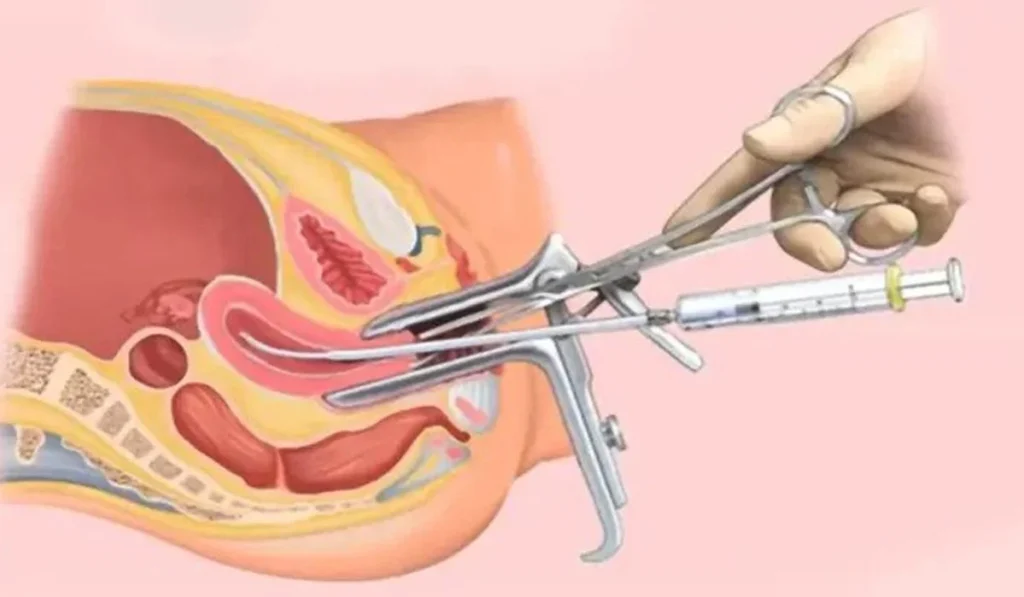
Breaking Down the Costs: Fertility Treatments vs Adoption Expenses
When deciding between fertility treatments and adoption, there are several factors to consider, including the success rates and the emotional toll of each option. The success rates of fertility treatments can vary greatly depending on the individual’s age and health, but on average, the success rate for IVF is around 30%. This means that multiple cycles may be necessary, leading to higher costs and emotional strain.
On the other hand, adoption is not always a guaranteed process, and the wait time can vary greatly. Additionally, the emotional toll of adoption can be significant, as couples may experience setbacks and heartache throughout the process. It is essential to carefully weigh these factors and consider which option is best for you and your family.
Financial Assistance:
Both fertility treatments and adoption can be costly, and many couples may not have the funds readily available to cover these expenses. However, there are options available to help alleviate the financial burden. Some employers offer fertility treatment coverage as part of their employee benefits, and some states have laws mandating insurance coverage for fertility treatments. Additionally, there are grants and loans available specifically for fertility treatments and adoption.
Conclusion:
Fertility treatments and adoption are both viable options for couples struggling with infertility. While fertility treatments can be costly and may not always result in a successful pregnancy, adoption also has its own set of expenses and emotional challenges. It is crucial for couples to carefully consider all factors, including financial costs and success rates, before making a decision.
In the end, the most important thing is to choose the path that is right for you and your family. Whether you choose fertility treatments or adoption, the end result of welcoming a child into your family will be worth the financial sacrifices.
In summary, fertility treatments and adoption both come with significant financial expenses, and it is essential for couples to carefully consider all factors before making a decision. Fertility treatments can range from $12,000 to $17,000 per cycle, not including medication and other procedures, while adoption can cost anywhere from $20,000 to $50,000, depending on the type and location. Both options have their own set of challenges and emotional tolls, but in the end, the most important thing is to choose the path that is best for you and your family.