Tag: emotional rollercoaster

  • Navigating the Emotional Rollercoaster: Coping with Fluctuating At-Home Insemination Success Rates

    Navigating the Emotional Rollercoaster: Coping with Fluctuating At-Home Insemination Success Rates

    At-home insemination, also known as self-insemination, is becoming an increasingly popular method for individuals and couples to conceive. This process involves using a syringe or other device to deposit semen into the vagina or cervix in hopes of achieving pregnancy. While some people may find success with this method on their first try, for others, it can be a long and emotional rollercoaster of ups and downs.

    The emotional aspect of at-home insemination cannot be ignored. It can be a stressful and overwhelming experience, especially when there are fluctuations in success rates. In this blog post, we will discuss the emotional impact of fluctuating success rates in at-home insemination and provide some coping strategies to help navigate this rollercoaster.

    Understanding the Fluctuating Success Rates

    Before delving into the emotional aspect, it is important to understand why at-home insemination success rates can fluctuate. There are various factors that can influence the success of at-home insemination, such as timing, quality of sperm, and overall health and fertility of the individual trying to conceive.

    Timing is crucial when it comes to at-home insemination. It is essential to track ovulation and have intercourse or insemination during the most fertile days of the menstrual cycle. If timing is off, it can significantly decrease the chances of success.

    The quality of sperm also plays a significant role in at-home insemination success rates. Sperm count, motility (movement), and morphology (shape) can all impact the likelihood of conception. Low sperm count or poor quality sperm can make it challenging to achieve pregnancy, even with multiple attempts.

    Finally, the overall health and fertility of the individual trying to conceive can affect success rates. Factors such as age, underlying health conditions, and previous fertility issues can all play a role in the success of at-home insemination.

    The Emotional Impact of Fluctuating Success Rates

    For those trying to conceive through at-home insemination, the fluctuating success rates can take a toll on their emotional well-being. The constant anticipation and uncertainty of whether each attempt will result in pregnancy can be emotionally draining. And when the desired outcome is not achieved, it can lead to feelings of disappointment, frustration, and even grief.
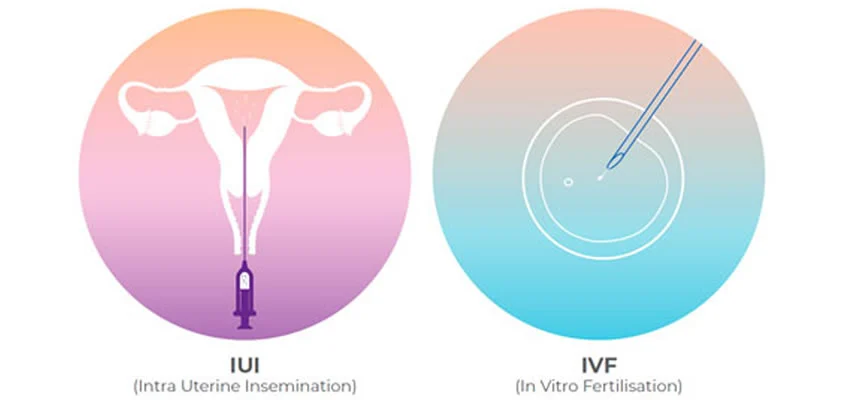
    comparison of IUI and IVF procedures illustrated with simple graphics and labels

    Navigating the Emotional Rollercoaster: Coping with Fluctuating At-Home Insemination Success Rates

    The emotional impact of fluctuating success rates can be amplified by the fact that at-home insemination is a very personal and intimate process. It involves a couple or individual putting in a significant amount of time, effort, and emotional investment. So when the results are not what they hoped for, it can feel like a personal failure.

    Coping Strategies for Navigating the Emotional Rollercoaster

    Dealing with the emotional impact of fluctuating success rates in at-home insemination is not easy, but there are some coping strategies that can help individuals and couples navigate this rollercoaster.

    1. Educate Yourself: One of the best ways to cope with the emotional impact of fluctuating success rates is to educate yourself about the process. Understanding the factors that can affect success rates and having realistic expectations can help manage emotions and reduce disappointment.

    2. Seek Support: Going through at-home insemination can be isolating, but it is crucial to seek support from friends, family, or a support group. Having a safe space to share your feelings and experiences can be incredibly helpful in coping with the emotional rollercoaster.

    3. Practice Self-Care: It is essential to take care of yourself during this process. Engage in activities that bring you joy and relaxation, such as exercise, meditation, or spending time with loved ones. Taking care of your physical and emotional well-being can help you cope with the ups and downs of at-home insemination.

    4. Communicate with Your Partner: If you are going through at-home insemination with a partner, it is essential to communicate openly and honestly with each other. Share your feelings, fears, and hopes, and work together as a team to navigate the emotional rollercoaster.

    5. Seek Professional Help: If the emotional impact of fluctuating success rates becomes overwhelming, do not hesitate to seek professional help. A therapist or counselor can provide you with the necessary tools and support to cope with the emotional ups and downs of at-home insemination.

    Summing Up

    At-home insemination can be a challenging and emotional journey, especially when success rates fluctuate. It is essential to understand the factors that can impact success and have realistic expectations. Seeking support, practicing self-care, and communicating with your partner can also help in navigating the emotional rollercoaster. And remember, it is okay to seek professional help if needed.

    Navigating the emotional rollercoaster of at-home insemination can be a difficult and overwhelming experience, but with the right tools and support, it is possible to cope with the fluctuations in success rates and stay positive on the journey to achieving pregnancy.
  • The Emotional Aspect: Intrauterine Insemination vs Intracervical Insemination

    Title: The Emotional Aspect: Intrauterine Insemination vs Intracervical Insemination

    In the world of assisted reproductive technology, there are various options available to help couples conceive. Two of the most common methods are intrauterine insemination (IUI) and intracervical insemination (ICI). Both procedures involve the placement of sperm into the female reproductive tract, but they differ in the location of the placement. While IUI involves placing sperm directly into the uterus, ICI involves placing sperm near the cervix. While these procedures may seem similar, there are significant emotional differences between them that couples should consider before deciding which one is right for them.

    The Emotional Aspect of Intrauterine Insemination
    Intrauterine insemination is a procedure that involves placing washed and concentrated sperm directly into the uterus. This is usually done around the time of ovulation, when the chances of conception are highest. One of the biggest emotional aspects of IUI is the anticipation and hope that comes with each cycle. For couples struggling with infertility, the process of trying to conceive can be emotionally draining. Each month brings a new wave of hope and excitement, followed by the crushing disappointment if the procedure is unsuccessful.

    The emotional rollercoaster of IUI is further amplified by the fact that it is a more invasive and expensive procedure compared to natural conception. The preparation for IUI involves monitoring ovulation, taking fertility medications, and undergoing ultrasounds and blood tests. All of these steps can cause stress and anxiety for couples, as they are constantly monitoring their fertility and hoping for a positive outcome.

    Another emotional aspect of IUI is the possibility of multiple pregnancies. Due to the use of fertility medications and the placement of sperm directly into the uterus, the chances of conceiving twins or more are higher with IUI compared to natural conception. While some couples may be thrilled at the idea of having multiple children at once, others may feel overwhelmed and anxious about the challenges of raising multiples.

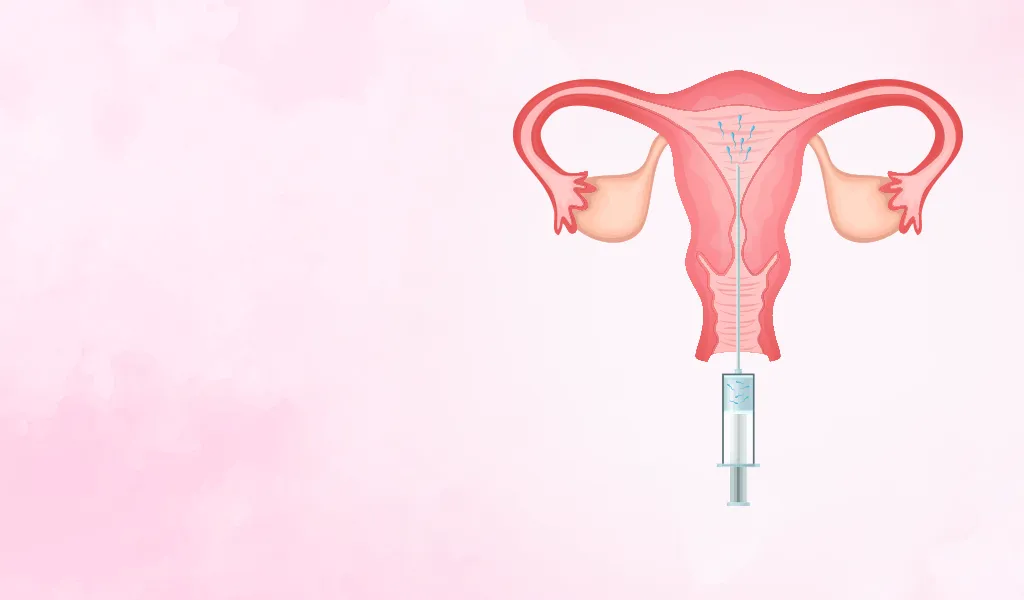
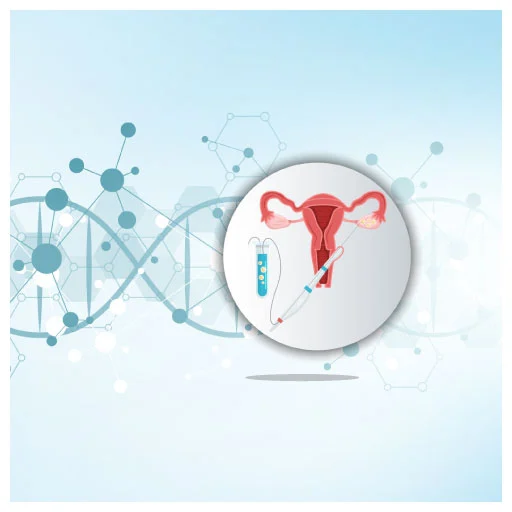
    Illustration of IUI procedure with uterus and syringe against a DNA background.

    The Emotional Aspect: Intrauterine Insemination vs Intracervical Insemination

    The Emotional Aspect of Intracervical Insemination
    Intracervical insemination, on the other hand, is a less invasive and less expensive procedure compared to IUI. It involves placing sperm near the cervix, allowing them to travel through the cervical mucus and into the uterus. Unlike IUI, ICI does not require the use of fertility medications or constant monitoring, making it a more relaxed and less stressful process for couples.

    One of the main emotional aspects of ICI is the sense of control and involvement that it gives to the female partner. With IUI, the entire procedure is carried out by a healthcare professional, and the female partner may feel like she has little control over the process. However, with ICI, the female partner can be directly involved in the placement of sperm, making her feel more connected to the process and increasing her sense of empowerment.

    Another emotional aspect of ICI is the reduced pressure and disappointment that comes with each cycle. Since ICI is a less invasive and less expensive procedure, couples may be more willing to try multiple cycles, knowing that they are not investing as much emotionally or financially compared to IUI. This can help alleviate the stress and disappointment that comes with unsuccessful cycles and allows couples to take a more relaxed approach to the process.

    Which One is Right for You?
    When it comes to choosing between IUI and ICI, there is no one-size-fits-all solution. Both procedures have their own emotional aspects that couples should consider before making a decision. Some couples may prefer the more controlled and monitored approach of IUI, while others may feel more comfortable with the less invasive and less expensive option of ICI. It is important for couples to discuss their feelings and concerns with each other and with their healthcare provider in order to make an informed decision.

    In conclusion, the emotional aspect of intrauterine insemination and intracervical insemination is an important factor for couples to consider when trying to conceive. While IUI may bring a sense of hope and anticipation, it also comes with a higher level of stress and disappointment. On the other hand, ICI may provide a more relaxed and less expensive option, but it may not be as effective as IUI. Ultimately, the decision should be based on what feels right for each individual couple.

    SEO metadata:

  • Navigating the Emotional Rollercoaster of Fertility: A Holistic Perspective

    Navigating the Emotional Rollercoaster of Fertility: A Holistic Perspective

    Fertility is a deeply personal and emotionally charged topic for many individuals and couples. The journey to starting a family can be filled with joy, excitement, hope, and anticipation, but it can also bring about feelings of frustration, disappointment, and sadness. The ups and downs of trying to conceive can take a toll on one’s emotional well-being and can impact every aspect of life. In this blog post, we will explore the emotional rollercoaster of fertility and how taking a holistic approach can help individuals and couples navigate this challenging journey.

    Understanding the Emotional Impact of Fertility

    Fertility struggles can bring about a range of emotions that can be difficult to manage. The most common emotions experienced by individuals and couples going through fertility treatments are anxiety, stress, grief, and depression. These emotions can be triggered by a variety of factors, such as unsuccessful attempts at conceiving, financial strain, and the pressure of societal expectations. It is essential to acknowledge and address these emotions to maintain a healthy mental and emotional state and to cope with the challenges of fertility.

    The Importance of a Holistic Approach

    Taking a holistic approach to fertility means addressing not only the physical aspects but also the emotional, mental, and spiritual aspects of fertility. It involves looking at the individual or couple as a whole and understanding that all aspects of their well-being are interconnected. By taking a holistic approach, individuals and couples can better manage their emotions, cope with the challenges of fertility, and improve their chances of conceiving.

    Ways to Navigate the Emotional Rollercoaster of Fertility

    1. Acknowledge Your Emotions

    The first step in navigating the emotional rollercoaster of fertility is to acknowledge your emotions and give yourself permission to feel them. It is normal to feel a wide range of emotions, and it’s essential to allow yourself to experience them. Ignoring or suppressing your emotions can lead to further distress and can hinder your ability to cope with the challenges of fertility.

    2. Seek Support

    Going through fertility treatments can feel isolating, but it’s crucial to remember that you are not alone. Seek support from friends and family members who can provide a listening ear and offer words of encouragement. You can also join support groups or seek professional counseling to help you process your emotions and develop coping strategies.

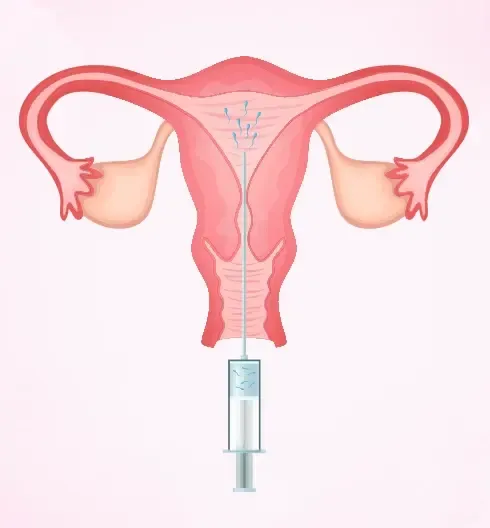
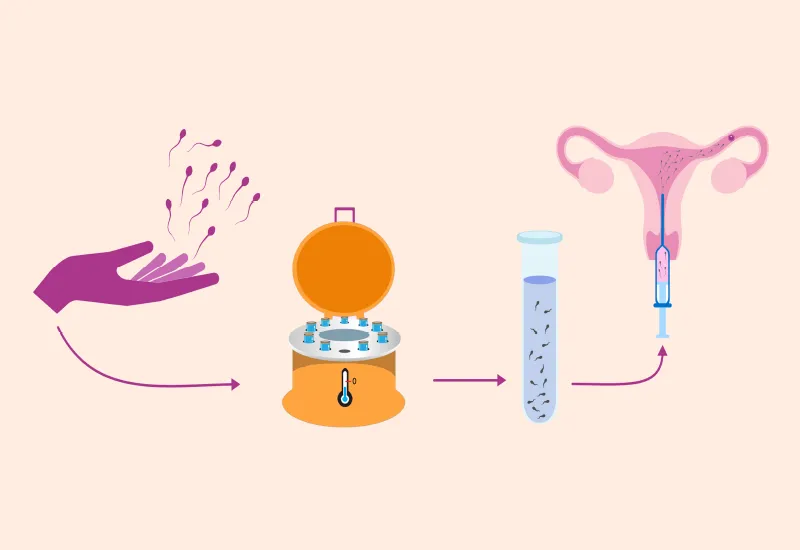
    illustration of the IUI process, showing sperm collection, preparation, and insertion into the uterus

    Navigating the Emotional Rollercoaster of Fertility: A Holistic Perspective

    3. Practice Self-Care

    During this emotional rollercoaster, it’s essential to take care of yourself. Make time for activities that bring you joy and relaxation, such as exercise, meditation, or hobbies. Prioritizing self-care can help reduce stress and improve your overall well-being.

    4. Communicate with Your Partner

    Fertility struggles can put a strain on a couple’s relationship. It’s important to communicate openly and honestly with your partner about your emotions, fears, and hopes. This can strengthen your relationship and provide mutual support during this challenging journey.

    5. Consider Alternative Therapies

    Alternative therapies, such as acupuncture, massage, and yoga, can help reduce stress and promote relaxation. These practices can also improve blood flow to the reproductive organs, potentially increasing fertility.

    6. Focus on the Present

    It’s easy to get caught up in the past or worry about the future, but it’s essential to focus on the present moment. Mindfulness practices, such as meditation and journaling, can help you stay grounded and reduce anxiety.

    7. Be Kind to Yourself

    Lastly, it’s crucial to be kind to yourself during this journey. Don’t blame yourself for any fertility struggles, and don’t compare your journey to others. Each person’s journey is unique, and it’s important to be patient and kind to yourself throughout the process.

    In conclusion, navigating the emotional rollercoaster of fertility can be a challenging and overwhelming experience. However, taking a holistic approach can help individuals and couples manage their emotions and improve their chances of conceiving. By acknowledging and addressing emotions, seeking support, practicing self-care, and being kind to yourself, you can navigate this journey with more ease and find the strength to persevere.

  • The Emotional Rollercoaster of At-Home Insemination: Coping Strategies

    Blog Post:

    At-home insemination, also known as self-insemination or self-injection, is a method of assisted reproduction that involves inserting sperm into the vagina or cervix without medical assistance. This method is often chosen by couples or individuals who are trying to conceive but are unable to do so naturally. While at-home insemination can be a hopeful and exciting journey, it can also be an emotional rollercoaster. In this blog post, we will explore the different emotions that can come with at-home insemination and provide some coping strategies to help you navigate this journey.

    The Emotional Rollercoaster:

    1. Hope and excitement: The decision to try at-home insemination is often accompanied by a sense of hope and excitement. After months or even years of trying to conceive, this method can feel like a glimmer of hope. You may feel excited about the possibility of finally becoming pregnant and starting a family.

    2. Anxiety and fear: Despite the hope and excitement, at-home insemination can also bring about feelings of anxiety and fear. You may worry about the success rate of the method, the potential challenges, and the financial burden. The fear of not being able to conceive can also be overwhelming.

    3. Frustration and disappointment: At-home insemination is not a guaranteed method of conception, and it can take several attempts before achieving a positive result. This can lead to feelings of frustration and disappointment, especially if you have been trying for a long time. It is important to remember that conception is a journey, and it may take time to achieve your goal.

    4. Isolation and loneliness: At-home insemination can be a very private and isolating experience. Unlike other methods of assisted reproduction that involve medical professionals, at-home insemination relies solely on you and your partner. This can lead to feelings of loneliness and isolation, especially if you do not have a support system in place.

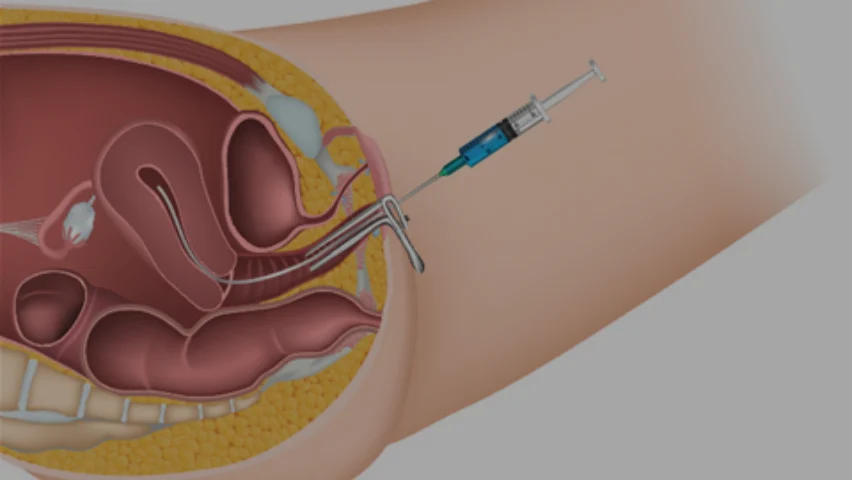
    illustration of intrauterine insemination procedure with a syringe and catheter in the uterus.

    The Emotional Rollercoaster of At-Home Insemination: Coping Strategies

    5. Stress and pressure: The process of at-home insemination can be physically and emotionally demanding. The constant tracking of ovulation, timing intercourse, and waiting for results can be stressful and put pressure on you and your partner. This can lead to arguments and strain in your relationship.

    Coping Strategies:

    1. Educate yourself: One of the best ways to cope with the emotional rollercoaster of at-home insemination is to educate yourself about the process. Talk to your doctor, do research, and join online support groups. Knowing what to expect can help ease your fears and anxieties.

    2. Communicate with your partner: Open and honest communication with your partner is crucial during this journey. Talk about your feelings, fears, and hopes. Support each other and be there for one another during the ups and downs.

    3. Seek support: It is essential to have a support system in place during at-home insemination. This can include friends, family, or a therapist who can provide emotional support and guidance. You can also join online support groups to connect with others who are going through a similar experience.

    4. Take breaks: The process of at-home insemination can be emotionally draining. It is important to take breaks and allow yourself to relax and recharge. This can be as simple as going for a walk, meditating, or taking a day off from tracking ovulation and timing intercourse.

    5. Practice self-care: Taking care of your physical and mental well-being is crucial during this journey. Eat well, exercise, and get enough rest. Engage in activities that bring you joy and help you relax. This can include reading, watching a movie, or spending time with loved ones.

    In summary, at-home insemination can be a rollercoaster of emotions, but there are coping strategies that can help you navigate this journey. Educate yourself, communicate with your partner, seek support, take breaks, and practice self-care. Remember to be patient and kind to yourself, and know that you are not alone in this journey.

  • The Importance of Patience in At-Home Insemination

    Title: The Power of Patience: Why It Matters in At-Home Insemination

    At-home insemination, also known as self-insemination, is becoming an increasingly popular option for couples and individuals trying to conceive. This method involves using a donor’s sperm to fertilize an egg at home, without the assistance of a medical professional. While this process may seem simple and straightforward, there is one crucial element that is often overlooked: patience.

    Patience is defined as the ability to endure difficult situations or delays without becoming frustrated or anxious. In the context of at-home insemination, patience refers to the ability to wait for the right time and conditions to achieve a successful pregnancy. It may seem like a minor factor, but the truth is that patience plays a significant role in the success of at-home insemination. Let’s take a closer look at why patience is crucial in this process.

    Timing is Everything
    One of the most critical aspects of at-home insemination is timing. Unlike in a medical setting, where a doctor can precisely determine the best time for insemination, at-home insemination requires a bit of guesswork. Sperm can live inside the female body for up to five days, while an egg is only viable for 12-24 hours after ovulation. This means that timing is crucial, and patience is essential in waiting for the right time to begin insemination. Rushing the process or becoming impatient can result in missed opportunities and decreased chances of pregnancy.

    Tracking Ovulation
    To determine the best time for insemination, it is essential to track ovulation. This can be done through various methods, such as tracking basal body temperature, monitoring cervical mucus, or using ovulation predictor kits. However, these methods require patience and consistency. It may take a few cycles to understand your ovulation patterns fully, and it is crucial to remain patient during this learning process. Becoming impatient and skipping or forgetting to track ovulation accurately can lead to missed opportunities for conception.

    illustration of a uterus with a syringe, representing intrauterine insemination procedure

    The Importance of Patience in At-Home Insemination

    The Two-Week Wait
    After insemination, the waiting game begins. This period is often referred to as the two-week wait, as it is the average amount of time it takes for a pregnancy test to detect the hormone hCG, which indicates pregnancy. This period can be incredibly challenging for those trying to conceive, as it is filled with uncertainty and anticipation. However, patience is vital during this time. It is crucial not to take a pregnancy test too early, as it may result in a false negative. Waiting the full two weeks, or even a few days longer, can provide more accurate results and prevent heartache caused by false hope.

    An Emotional Rollercoaster
    The journey of at-home insemination can be an emotional rollercoaster. From the initial decision to try insemination to the two-week wait and beyond, there are many ups and downs. It is essential to remain patient and manage expectations throughout this process. Becoming impatient or frustrated can lead to added stress, which can affect both physical and emotional well-being. Maintaining a positive and patient mindset is crucial in navigating this journey and increasing the chances of success.

    Challenges and Setbacks
    At-home insemination is not always a smooth process. There may be challenges and setbacks along the way, such as missed ovulation or negative pregnancy tests. These moments can be frustrating and disheartening, but it is important to remember that patience is key. It may take multiple cycles before achieving a successful pregnancy, and it is essential to remain patient and keep trying. Giving up too soon due to impatience or frustration can result in missing out on the joy of starting a family.

    In conclusion, patience is a crucial element in the at-home insemination process. It requires patience to track ovulation accurately, wait for the right time to begin insemination, and endure the two-week wait. It is also essential to maintain patience and a positive mindset during the emotional journey of trying to conceive. Challenges and setbacks may arise, but remaining patient and persistent can ultimately lead to success in achieving pregnancy.

    In a world where everything is fast-paced and instant, it can be challenging to cultivate patience. However, when it comes to at-home insemination, patience is a necessary virtue. Taking the time to track ovulation, wait for the right time, and manage expectations can increase the chances of a successful pregnancy. So, if you are considering at-home insemination, remember the power of patience and embrace it as a vital part of the process.

  • The Emotional Journey of At-Home Insemination

    Blog Post Title: The Emotional Journey of At-Home Insemination: Navigating the Ups and Downs

    At-home insemination is a popular method for individuals and couples who are trying to conceive but may face challenges with traditional methods. This process involves using a sperm donor or partner’s sperm to fertilize an egg at home, rather than in a clinical setting. While it can be an exciting and empowering journey, it can also be an emotional rollercoaster. In this blog post, we will explore the emotional journey of at-home insemination and provide tips on how to navigate the ups and downs.

    The Beginning: Excitement and Hope

    For many individuals and couples, the decision to try at-home insemination is met with a mix of excitement and hope. This may be the first step towards building their family, and the possibility of conceiving a child can be overwhelming. The idea of creating a life together can bring joy and anticipation, and the thought of finally holding a baby in their arms can be a source of motivation and determination.

    However, alongside this excitement may also come fears and doubts. Will this method work for us? What if we face challenges? These concerns are completely normal and valid, but it is important to focus on the hope and possibilities that at-home insemination can bring.

    The Planning Stage: Anxiety and Stress

    Once the decision has been made to try at-home insemination, the planning stage begins. This involves researching the process, choosing a sperm donor or preparing for using a partner’s sperm, and purchasing necessary supplies. This stage can bring about a lot of anxiety and stress as individuals and couples may feel overwhelmed with all the information and decisions they need to make.

    Additionally, there may be concerns about the success rate of at-home insemination and the potential financial strain it may bring. It is important to have open and honest communication with your partner or support system during this stage to help alleviate some of the stress and anxiety.

    The Insemination Process: Nervousness and Anticipation

    The actual insemination process can bring about a mix of emotions. Nervousness and anticipation may be at an all-time high as individuals and couples prepare for the procedure. It is common to experience feelings of nervousness as insemination is a very personal and intimate process.

    At the same time, there may also be a sense of excitement and anticipation as the possibility of creating a life together becomes more real. It is important to stay calm and focused during this stage and remember the end goal.

    Illustration of the IUI process, showing a syringe and catheter in the reproductive system.

    The Emotional Journey of At-Home Insemination

    The Two-Week Wait: Impatience and Anxiety

    After the insemination process, the two-week wait begins. This is the period between the insemination and the time when a pregnancy test can accurately determine if conception has occurred. This period can feel like the longest two weeks of your life as individuals and couples anxiously wait for any signs or symptoms of pregnancy.

    Impatience and anxiety are common during this time, and it can be challenging to stay positive and hopeful. It is important to have a support system during this stage and to find healthy ways to manage stress and anxiety.

    The Result: Joy or Disappointment

    Finally, the two-week wait is over, and the moment of truth arrives. The pregnancy test will either bring joy or disappointment. If the result is positive, it can be an overwhelming and emotional experience. The realization that you are pregnant and that your dreams of starting a family are coming true can bring tears of joy and happiness.

    On the other hand, if the result is negative, there may be feelings of disappointment, sadness, and frustration. It is important to allow yourself to feel these emotions and to seek support from your partner or loved ones. Remember that at-home insemination is not a guaranteed method, and it may take multiple attempts before achieving a successful pregnancy.

    The Next Step: Moving Forward

    No matter the result, the emotional journey of at-home insemination does not end there. If the result is positive, this is just the beginning of a new journey towards parenthood. If the result is negative, there are still options and other paths to explore.

    It is crucial to take care of your emotional and mental well-being during this time. Seeking therapy or joining support groups can be helpful in processing your emotions and navigating the next steps. Remember to be kind and patient with yourself and your partner, and know that there is no right or wrong way to feel.

    In conclusion, the emotional journey of at-home insemination is a complex and challenging one, but it can also be a beautiful and rewarding experience. It is important to acknowledge and process the various emotions that come with this journey and to have a strong support system in place. Whether your journey leads to a positive or negative result, know that you are not alone and that there is always hope for building the family of your dreams.

    Summary:

    At-home insemination can be an exciting and empowering journey, but it can also be an emotional rollercoaster. The emotional journey begins with excitement and hope, followed by anxiety and stress during the planning stage. Nervousness and anticipation may be felt during the insemination process, and the two-week wait can bring impatience and anxiety. The result can bring either joy or disappointment, and it is important to seek support and take care of your emotional well-being during this time. No matter the outcome, the journey does not end there, and it is essential to have a strong support system and to be kind to yourself and your partner.

  • The Emotional Rollercoaster: Artificial Insemination vs Natural Conception

    Blog Post:

    The journey to parenthood is often filled with a range of emotions, from excitement and joy to anxiety and disappointment. For couples struggling with fertility issues, this emotional rollercoaster can be even more intense. One of the biggest decisions they may face is whether to pursue artificial insemination or try for natural conception. While both options have their own set of benefits and challenges, they also come with their own unique emotional implications. In this blog post, we will explore the emotional rollercoaster of artificial insemination versus natural conception, and how couples can navigate these intense feelings.

    Artificial insemination, also known as intrauterine insemination (IUI), involves placing sperm directly into the uterus to increase the chances of fertilization. This method is often used for couples with male infertility issues or for single women and same-sex couples. On the other hand, natural conception refers to the process of conceiving a child through sexual intercourse.

    The decision to pursue artificial insemination or natural conception can be a difficult one for couples. It often involves a deep exploration of their values, beliefs, and desires. For some, the idea of using medical intervention to conceive a child may feel like giving up on the dream of conceiving naturally. On the other hand, the thought of relying on timing and luck for natural conception can be overwhelming and seem like an endless waiting game.

    The Emotional Rollercoaster of Artificial Insemination

    For couples opting for artificial insemination, the process can be emotionally taxing. It often involves multiple doctor’s appointments, fertility treatments, and the use of medication. The emotional toll of going through these procedures and waiting for the results can be overwhelming. Many couples may feel anxious, stressed, and even depressed as they navigate this journey.

    One of the biggest sources of emotional turmoil for couples undergoing artificial insemination is the uncertainty of its success. While the procedure may increase the chances of conception, there is no guarantee that it will result in a pregnancy. Each failed attempt can bring a wave of disappointment, sadness, and frustration. These feelings can be even more intense for couples who have been trying for a long time or have experienced multiple failed attempts.

    Moreover, artificial insemination can also bring up feelings of inadequacy, shame, and guilt. Some couples may feel like they have failed at the one thing that is supposed to come naturally – conceiving a child. This can put a strain on their relationship and lead to feelings of resentment, anger, and blame. It is essential for couples to communicate openly and support each other through these difficult emotions.

    The Emotional Rollercoaster of Natural Conception

    For couples trying to conceive naturally, the emotional journey can also be challenging. The constant tracking of ovulation, timing intercourse, and waiting for the results can be an emotionally draining experience. Each month, there is a build-up of hope and expectations, followed by a crash of disappointment and heartache if the pregnancy does not occur.

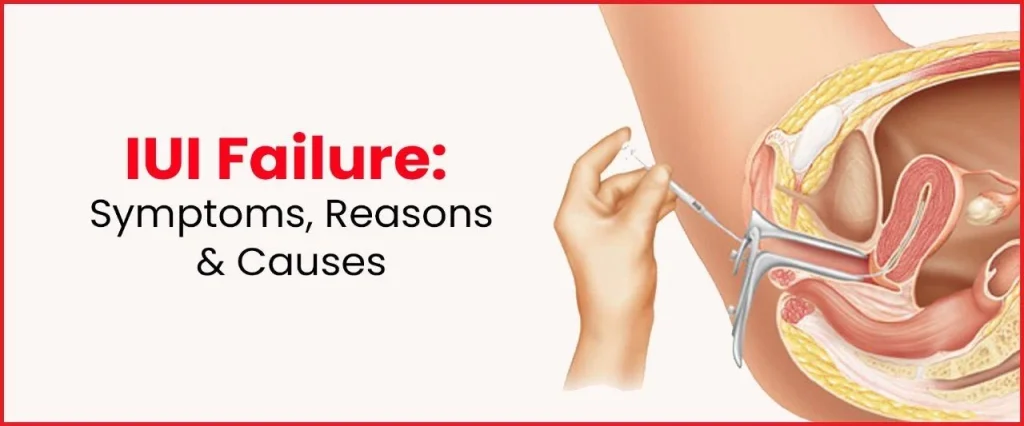
    illustration of IUI procedure with text on symptoms, reasons, and causes of IUI failure

    The Emotional Rollercoaster: Artificial Insemination vs Natural Conception

    The uncertainty of natural conception can also take a toll on a couple’s mental health. The constant questioning of “what if” and the pressure to conceive can lead to feelings of anxiety and stress. This, in turn, can affect a couple’s relationship, as they may become distant, irritable, and frustrated with each other.

    Moreover, the emotional rollercoaster of natural conception can also be influenced by external factors, such as family and friends. Constant questions and comments about when a couple will have a baby can add to the pressure and feelings of inadequacy. It is essential for couples to set boundaries and communicate their needs with their loved ones during this time.

    Coping with the Emotional Rollercoaster

    No matter which path a couple chooses, the emotional rollercoaster of trying to conceive can take a toll on their mental health and relationship. It is crucial for couples to find healthy ways to cope with these feelings and support each other through the ups and downs of the journey.

    One of the most important things couples can do is to communicate openly and honestly with each other. This means sharing their fears, frustrations, and hopes. It is also important to seek support from friends, family, or a therapist who can provide a safe space to express these emotions.

    Practicing self-care is also essential for couples going through this emotional rollercoaster. Taking care of one’s physical and mental well-being can help reduce stress and anxiety. This can include activities such as exercise, meditation, journaling, or spending quality time together as a couple.

    Conclusion

    The journey to parenthood is not an easy one, and it often comes with a range of intense emotions. For couples struggling with fertility issues, the decision to pursue artificial insemination or natural conception can bring its own set of emotional implications. It is crucial for couples to communicate, seek support, and practice self-care during this time to navigate the emotional rollercoaster and come out stronger together.

    Summary:

    The journey to parenthood can be an emotional rollercoaster, especially for couples facing fertility issues. One of the biggest decisions they may face is whether to pursue artificial insemination or try for natural conception. Both options come with their own set of benefits and challenges, as well as unique emotional implications. Artificial insemination can bring feelings of uncertainty, disappointment, and inadequacy, while natural conception can cause anxiety, stress, and pressure. It is essential for couples to communicate openly, seek support, and practice self-care during this emotional journey.

  • The Emotional Journey of Home Insemination and IVF for Same-Sex Couples

    The process of starting a family for same-sex couples can be an emotional rollercoaster, filled with highs and lows, hopes and fears. For many couples, the journey begins with home insemination or in vitro fertilization (IVF). These methods allow same-sex couples to have a biological connection to their child and fulfill their dream of becoming parents. However, the emotional journey of home insemination and IVF is not an easy one. It involves physical, financial, and emotional challenges that can take a toll on both partners. In this blog post, we will explore the emotional journey of home insemination and IVF for same-sex couples, from the decision to start a family to the birth of their child.

    The Decision to Start a Family
    For same-sex couples, the decision to start a family is a big one. It involves not only the desire to have a child but also the realization of the challenges that come with it. Same-sex couples may face societal judgment, legal barriers, and financial constraints when it comes to starting a family. Despite these challenges, the desire to have a child and build a family is often strong and cannot be ignored.

    Choosing Between Home Insemination and IVF
    Once the decision to start a family is made, same-sex couples must then decide between home insemination and IVF. Home insemination involves using a syringe or a cervical cap to insert donated sperm into the vagina, while IVF involves retrieving eggs from one partner, fertilizing them with donor sperm, and then transferring them to the other partner’s uterus. Both methods have their benefits and drawbacks, and the choice often depends on various factors such as cost, success rates, and personal preferences.

    The Emotional Impact of Home Insemination
    For same-sex couples who choose home insemination, the process can be emotionally taxing. It involves tracking ovulation, purchasing donor sperm, and performing the insemination at home. This can be a daunting task, especially for couples who have no prior experience with fertility treatments. The pressure to get it right and the fear of not being successful can cause stress and anxiety. Moreover, the emotional burden often falls on one partner, who may have to undergo multiple insemination attempts before getting pregnant.

    The Emotional Toll of IVF
    IVF, on the other hand, is a more complex and invasive process. It requires hormone injections, frequent doctor visits, and a surgical procedure to retrieve eggs. For same-sex couples, the partner who carries the pregnancy may have to endure these physical and emotional challenges. The other partner may also feel left out or helpless, unable to contribute to the pregnancy in any way. The financial strain of IVF can also be a significant source of stress for many couples, as it can be an expensive process with no guarantee of success.

    Illustration of intrauterine insemination (IUI) procedure with syringe and catheter in the uterus.

    The Emotional Journey of Home Insemination and IVF for Same-Sex Couples

    The Waiting Game
    Once the insemination or IVF is done, the waiting game begins. For same-sex couples, this wait can be excruciatingly long and emotionally draining. Every month or two-week wait feels like an eternity, with each negative pregnancy test bringing disappointment and sadness. The constant hope and disappointment cycle can be exhausting and take a toll on the couple’s mental health.

    Dealing with Pregnancy Loss
    Unfortunately, pregnancy loss is a common occurrence for many couples, including same-sex couples. Whether it is a failed insemination or a miscarriage, the emotional impact can be devastating. For same-sex couples, the loss may feel more significant, as it may be their only chance at having a biological child. The grief and sadness that come with pregnancy loss can be overwhelming, and it may take some time for the couple to recover and try again.

    The Joy of Pregnancy
    After months or even years of trying, when a same-sex couple finally gets pregnant, it is a moment of pure joy and celebration. The emotional journey of home insemination or IVF finally feels worth it, and the couple can start planning for the future and their growing family. The physical and emotional changes of pregnancy, such as feeling the baby’s first kicks, attending doctor appointments, and preparing for the arrival of the baby, can bring immense happiness to the couple.

    The Birth of Their Child
    The emotional journey of home insemination and IVF for same-sex couples ultimately leads to the birth of their child. For many, this moment is the happiest and most emotional experience of their lives. Holding their baby for the first time and realizing that they have created a family together is a feeling that cannot be put into words. The challenges, struggles, and emotions of the journey are all worth it when they see their child’s face and know that they are finally a family.

    In conclusion, the emotional journey of home insemination and IVF for same-sex couples is a tumultuous one, filled with highs and lows, fears and hopes. It involves making difficult decisions, facing physical and emotional challenges, and experiencing the joy and sadness of pregnancy. But in the end, the love and determination of same-sex couples to start a family and create a life together triumph over all the obstacles they face. It is a journey that may be difficult, but one that is undoubtedly worth it when they hold their child in their arms for the first time.

  • The Emotional Rollercoaster of Fertility Treatment: Coping Strategies

    Title: The Emotional Rollercoaster of Fertility Treatment: Coping Strategies

    Fertility treatment is often a long and difficult journey for couples who are struggling to conceive. It can bring a rollercoaster of emotions, from hope and excitement to disappointment and sadness. The physical and emotional toll of fertility treatment can be overwhelming, leaving couples feeling drained and exhausted. In this blog post, we will explore the emotional rollercoaster of fertility treatment and provide some coping strategies to help couples navigate this challenging journey.

    The Emotional Impact of Fertility Treatment:

    The journey of fertility treatment is often filled with a mix of emotions. For couples who have been trying to conceive for a long time, the news of infertility can be devastating. It can bring feelings of failure, inadequacy, and even guilt. The thought of not being able to have a child of their own can be heartbreaking for many couples.

    As couples begin fertility treatment, there is a sense of hope and excitement. They believe that this is the solution to their fertility struggles and that they will soon have a baby of their own. However, as the treatment progresses, there can also be feelings of anxiety and fear. The fear of failure, the fear of the unknown, and the fear of the financial burden can all add to the emotional rollercoaster.

    The constant ups and downs of emotions can take a toll on the mental health of couples. Many may experience depression, anxiety, and even anger throughout the process. It is important for couples to acknowledge and address these emotions in a healthy way to avoid feeling overwhelmed and burnt out.

    Coping Strategies for the Emotional Rollercoaster:

    1. Seek Support: Going through fertility treatment can feel isolating, but it is important to remember that you are not alone. Reach out to friends and family for support, or join a support group for couples going through similar experiences. Talking to others who understand what you are going through can provide a sense of comfort and validation.

    Illustration of a uterus with a syringe indicating an intrauterine insemination procedure.

    The Emotional Rollercoaster of Fertility Treatment: Coping Strategies

    2. Communicate with your Partner: It is crucial to maintain open and honest communication with your partner throughout the fertility treatment process. Share your feelings, fears, and hopes with each other. This will not only help strengthen your relationship but also provide a sense of understanding and support.

    3. Take Care of Yourself: It is easy to neglect self-care while going through fertility treatment, but it is crucial to prioritize your physical and emotional well-being. Make time for activities that bring you joy and relaxation, such as exercise, meditation, or spending time with loved ones. Taking care of yourself will help you cope with the emotional toll of fertility treatment.

    4. Educate Yourself: Knowledge is power, and educating yourself about the different stages of fertility treatment can help you feel more prepared and in control. Attend support groups, read books, or talk to your doctor to learn more about the process and what to expect. This can help alleviate some of the fear and anxiety you may be feeling.

    5. Practice Mindfulness: Mindfulness techniques, such as deep breathing or meditation, can help you stay present and calm during the emotional rollercoaster of fertility treatment. These practices can also help reduce stress and anxiety, allowing you to cope better with the ups and downs of the journey.

    6. Seek Professional Help: If you are struggling to cope with the emotional toll of fertility treatment, do not hesitate to seek professional help. A therapist or counselor can provide you with the support and guidance you need to navigate this challenging journey.

    Final Thoughts:

    Fertility treatment is a difficult and emotional journey, but it is important to remember that it is worth it in the end. While there will be ups and downs, it is crucial to find healthy ways to cope with the emotional rollercoaster. With the right support and coping strategies, couples can navigate through this challenging time and come out stronger on the other side.

    In summary, fertility treatment can bring a rollercoaster of emotions, from hope and excitement to disappointment and sadness. The constant ups and downs can take a toll on the mental health of couples, but there are coping strategies that can help. Seeking support, communicating with your partner, taking care of yourself, educating yourself, practicing mindfulness, and seeking professional help are all ways to cope with the emotional toll of fertility treatment. By acknowledging and addressing these emotions, couples can navigate through this journey and come out stronger on the other side.

  • Navigating the Emotional Rollercoaster of Fertility: Clinic vs DIY

    Navigating the Emotional Rollercoaster of Fertility: Clinic vs DIY

    Fertility has become a topic of increasing concern and discussion in recent years as more and more couples struggle to conceive. With infertility rates on the rise and the pressure to start a family at a certain age, many couples find themselves facing the emotional rollercoaster of trying to conceive. While some may turn to fertility clinics for specialized treatment, others may opt for a more DIY approach. Both options have their own set of challenges and emotions, and it’s important for couples to understand and navigate them in order to make the best decision for their fertility journey. In this blog post, we will explore the emotional rollercoaster of fertility and compare the experiences of going to a fertility clinic versus taking a DIY approach.

    The Emotional Rollercoaster of Fertility

    For many couples, the journey to parenthood is filled with excitement, anticipation, and hope. However, when faced with the challenges of infertility, these emotions can quickly turn into frustration, disappointment, and even despair. The process of trying to conceive can take a toll on both the body and the mind, and it’s important for couples to acknowledge and manage their emotions throughout the process.

    One of the key emotions that couples face when struggling with fertility is stress. The pressure to conceive can cause a great deal of stress on both partners, and this can be further exacerbated by the various treatment options available. This stress can lead to feelings of anxiety, depression, and even strain on the relationship.

    Another common emotion that couples experience is guilt. Many couples blame themselves for their fertility struggles, whether it’s due to lifestyle choices, age, or medical conditions. This guilt can also be compounded by societal expectations and pressure to conceive. It’s important for couples to remember that infertility is not their fault and to support each other through this difficult time.

    Other emotions that couples may experience during their fertility journey include fear, hope, and disappointment. Fear of the unknown and the potential outcomes of treatments can be overwhelming, while hope for a successful pregnancy can give couples the strength to continue trying. However, with each failed attempt, disappointment and sadness can set in, making it difficult to stay positive and motivated.

    Fertility Clinic Experience

    Fertility clinics offer specialized treatment and support for couples struggling with infertility. The process typically involves initial consultations, diagnostic tests, and various treatment options such as intrauterine insemination (IUI), in vitro fertilization (IVF), and fertility medications. While these treatments can increase the chances of pregnancy, they also come with a hefty price tag and a lot of emotions.

    One of the main emotions that couples may experience when going through the process of fertility treatments at a clinic is hope. Seeing a specialist and having a plan in place can give couples hope for a successful outcome. However, this can also be accompanied by feelings of anxiety and fear. The uncertainty of whether the treatments will work can be overwhelming and add extra stress to an already emotional situation.

    A person administering an injection into their abdomen with a yellow pen-like device.

    Navigating the Emotional Rollercoaster of Fertility: Clinic vs DIY

    Another emotion that couples may face is frustration. Fertility treatments can be physically and emotionally demanding, and it can be frustrating when they don’t produce the desired results. This can also lead to feelings of disappointment and even anger towards the healthcare providers or oneself.

    A major benefit of going to a fertility clinic is the availability of emotional support. Most clinics have counselors or support groups for couples going through fertility treatments. This can be incredibly helpful in managing the emotional rollercoaster of fertility and provide a safe space for couples to share their experiences and feelings.

    DIY Approach to Fertility

    On the other hand, some couples may opt for a more DIY approach to fertility. This can include tracking ovulation, using natural supplements, and making lifestyle changes to improve chances of conception. While this option may be more budget-friendly, it also comes with its own set of emotional challenges.

    One of the main emotions that couples may experience when taking a DIY approach to fertility is control. By taking matters into their own hands, couples may feel more in control of their fertility journey. However, this can also lead to added pressure and stress if the desired results are not achieved.

    Another emotion that couples may face is guilt. With a DIY approach, couples may blame themselves if conception doesn’t happen. They may also feel guilty for not seeking professional help or not doing enough to improve their chances of getting pregnant.

    A DIY approach can also bring about feelings of isolation and loneliness. Unlike going to a fertility clinic, couples may not have a support system or access to emotional support. This can make the journey even more challenging and overwhelming.

    Ultimately, the decision to take a DIY approach to fertility should be made carefully and with the support of a healthcare professional. While it may work for some couples, it may not be the best option for others. It’s important for couples to consider their emotional well-being and the potential challenges they may face before embarking on this journey.

    Navigating the emotional rollercoaster of fertility can be a daunting task, and there is no one-size-fits-all solution. Whether you choose to go to a fertility clinic or take a DIY approach, it’s important to prioritize emotional well-being and seek support when needed. Remember that every fertility journey is unique, and it’s important to be kind to yourself and your partner throughout the process. With the right support and mindset, couples can navigate the emotional rollercoaster of fertility and come out stronger together.

    In summary, fertility can be an emotional rollercoaster for couples, with stress, guilt, fear, hope, and disappointment being common emotions experienced. Choosing between a fertility clinic or a DIY approach can also bring about its own set of emotions, such as hope and frustration for those going to a clinic, and control and guilt for those taking a DIY approach. It’s important for couples to prioritize their emotional well-being and seek support when needed, regardless of the path they choose to take on their fertility journey.