Egg donation and sperm banks have become increasingly popular methods for couples struggling with fertility issues to conceive a child. These methods involve using donated eggs and/or sperm to fertilize an embryo and implant it into the mother’s uterus. While both egg donation and sperm banks offer hopeful parents the opportunity to have a child, there are distinct differences between the two in terms of the process, cost, and success rates. In this blog post, we will explore the ins and outs of egg donors and sperm banks, and the differences between artificial insemination and natural conception.
Egg donors are women who choose to donate their eggs to help others struggling with infertility to have a child. These women undergo a rigorous screening process to ensure they are healthy and suitable to be donors. Once selected, the egg donor will undergo a process called ovarian stimulation, where she will take medication to stimulate her ovaries to produce multiple eggs. These eggs are then retrieved through a minimally invasive surgical procedure. The eggs are then fertilized with the sperm of the intended father or a donor, and the resulting embryos are transferred into the recipient’s uterus.
On the other hand, sperm banks are facilities that collect and store donated sperm for use in assisted reproductive technology (ART). Donated sperm is also rigorously screened for any genetic or infectious diseases before being frozen and stored. This allows individuals or couples to choose a sperm donor based on characteristics such as physical appearance, education, and medical history. The sperm can then be used for intrauterine insemination (IUI) or in vitro fertilization (IVF) procedures.
One of the main differences between egg donors and sperm banks is the process involved. Egg donation requires a more invasive and time-consuming procedure compared to sperm donation. While sperm donation involves a simple process of collecting and freezing the sperm, egg donation requires the donor to undergo hormonal injections and a surgical procedure. This can also make egg donation more costly compared to sperm donation.
The success rates of egg donation and sperm banks also differ. Egg donation has a higher success rate compared to sperm banks, with an average pregnancy success rate of 50%. This is because the quality of the egg is crucial in the success of the procedure. On the other hand, sperm banks have a success rate of around 20-30%. This can be affected by factors such as the quality of the sperm and the age of the woman receiving the sperm.
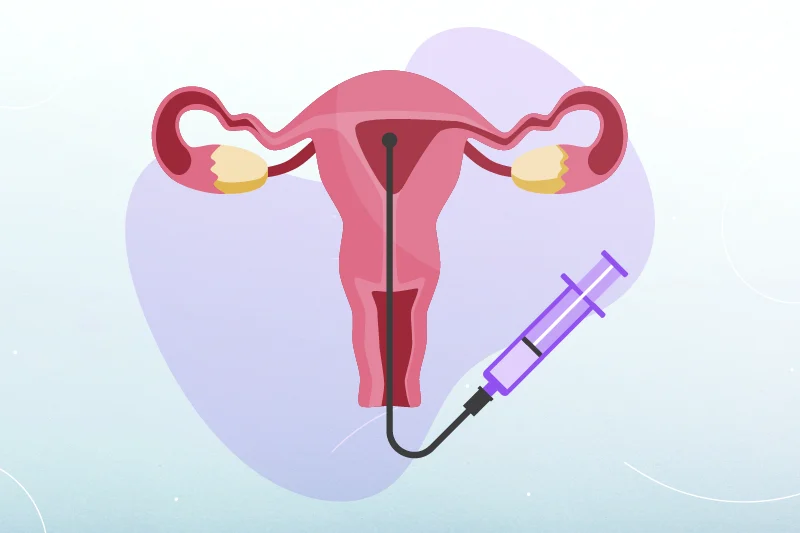
Egg Donors and Sperm Banks: Artificial Insemination vs Natural Conception
Another significant difference between egg donors and sperm banks is the legal implications involved. In egg donation, the egg donor has no legal rights or responsibilities towards the child conceived using her donated eggs. The intended parents are considered the legal guardians of the child. However, in sperm donation, the sperm donor may have a legal obligation to the child, depending on the laws of the country or state. This can make sperm donation a more complicated process.
When it comes to artificial insemination vs natural conception, there are also significant differences. Artificial insemination involves the use of assisted reproductive technology, such as IUI or IVF, to fertilize the egg outside the body and implant it into the uterus. Natural conception, on the other hand, occurs when a sperm fertilizes an egg inside the woman’s body through sexual intercourse. There are various reasons why couples may choose one over the other, including fertility issues, age, and personal preferences.
While both artificial insemination and natural conception can result in a successful pregnancy, they have different success rates. Artificial insemination has a higher success rate compared to natural conception, especially for couples struggling with fertility issues. This is because the sperm is placed directly into the uterus, increasing the chances of fertilization. Natural conception, on the other hand, has a lower success rate and can take longer to achieve a pregnancy.
In conclusion, egg donors and sperm banks offer hopeful parents the opportunity to have a child through assisted reproductive technology. However, there are significant differences between the two in terms of the process, cost, and success rates. Similarly, artificial insemination and natural conception also have distinct differences, and the choice between the two will depend on individual circumstances. It is essential to consult with a medical professional to determine the best option for you and your partner.
Summary:
Egg donors and sperm banks, both involving the use of donated eggs and sperm, are popular methods for couples struggling with fertility issues to conceive a child. Egg donors undergo a rigorous screening process and a surgical procedure to donate their eggs, while sperm banks collect and store donated sperm. The success rates, process, and legal implications differ between the two. Artificial insemination, using assisted reproductive technology, has a higher success rate compared to natural conception, where the sperm fertilizes the egg inside the woman’s body through sexual intercourse. It is essential to consult with a medical professional to determine the best option for you and your partner.