Blog Post: The Risks and Side Effects of Hormone Injections for Fertility
Hormone injections are a common form of fertility treatment for both men and women. These injections contain hormones that can help regulate and stimulate ovulation in women or increase sperm production in men. While they can be effective in helping couples conceive, it is important to understand the potential risks and side effects associated with hormone injections for fertility.
Risks of Hormone Injections
1. Ovarian Hyperstimulation Syndrome (OHSS)
One of the most common risks associated with hormone injections for fertility is OHSS. This condition occurs when the ovaries become overstimulated and produce too many eggs. Symptoms of OHSS include abdominal pain, bloating, and nausea. In severe cases, OHSS can lead to fluid accumulation in the chest and abdomen, blood clots, and kidney failure. While OHSS is rare, it is important to closely monitor hormone levels during treatment to prevent this potential complication.
2. Multiple Pregnancies
Another risk of hormone injections for fertility is the potential for multiple pregnancies. Since these injections stimulate the ovaries to produce more eggs, there is a higher chance of multiple eggs being fertilized. This can result in twins, triplets, or even higher-order multiples. While some couples may view this as a positive outcome, multiple pregnancies can also increase the risk of complications for both the mother and babies.
3. Ectopic Pregnancy
Ectopic pregnancy is a serious risk associated with hormone injections for fertility. This occurs when a fertilized egg implants outside of the uterus, typically in the fallopian tubes. Ectopic pregnancies can be life-threatening if not detected and treated early. Women who have had previous ectopic pregnancies or have a history of fallopian tube issues are at a higher risk for this complication.
4. Allergic Reactions
Some individuals may experience allergic reactions to the hormones in the injections. Symptoms can include rash, itching, swelling, and difficulty breathing. It is important to inform your doctor of any allergies before starting hormone injections.
5. Mood Swings and Emotional Distress
Hormone injections can also cause mood swings and emotional distress in both men and women. These hormones can affect the levels of estrogen and testosterone in the body, leading to changes in mood and behavior. It is important for couples to be aware of these potential side effects and communicate with each other and their doctor to manage any emotional distress.
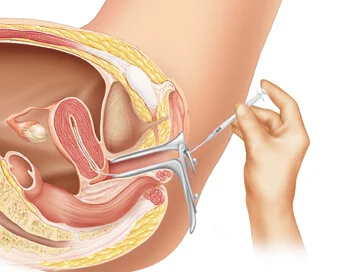
The Risks and Side Effects of Hormone Injections for Fertility
Side Effects of Hormone Injections
1. Headaches and Hot Flashes
Headaches and hot flashes are common side effects of hormone injections for fertility. These are caused by the hormonal changes in the body and can be managed with over-the-counter pain relievers and staying hydrated.
2. Nausea and Vomiting
Some individuals may experience nausea and vomiting as a side effect of hormone injections. This can be managed by eating small, frequent meals and staying hydrated. If the nausea is severe, it is important to contact your doctor.
3. Injection Site Reactions
Since hormone injections are given through a needle, some individuals may experience pain, redness, or swelling at the injection site. These reactions are usually mild and go away within a few days.
4. Breast Tenderness
Hormone injections can also cause breast tenderness in both men and women. This is due to the changes in hormone levels and should subside once treatment is completed.
5. Fatigue
Feeling tired and fatigued is another common side effect of hormone injections. This can be managed by getting enough rest and staying hydrated.
In conclusion, hormone injections for fertility can be an effective treatment for couples struggling to conceive. However, it is important to be aware of the potential risks and side effects associated with this form of treatment. It is crucial to closely monitor hormone levels and communicate with your doctor throughout the process to minimize any potential complications. With proper care and monitoring, hormone injections can help couples achieve their dream of starting a family.
Summary:
Hormone injections for fertility are a common form of treatment for couples struggling to conceive. However, they come with potential risks and side effects that should not be overlooked. These include ovarian hyperstimulation syndrome, multiple pregnancies, ectopic pregnancy, allergic reactions, and mood swings. Common side effects include headaches, hot flashes, nausea, injection site reactions, breast tenderness, and fatigue. It is important to closely monitor hormone levels and communicate with your doctor to minimize any potential complications.