Tag: donor-conceived children

  • The Impact of Donor Anonymity on Donor-Conceived Children in Sperm Banks vs Known Donors

    Donor-conceived children, or children who are conceived through sperm donation, have become increasingly common in modern society. Sperm banks provide a convenient and anonymous way for individuals and couples to have children, while known donors offer a more personal and involved approach. However, the decision to use a sperm bank or a known donor can have a significant impact on the children conceived through these methods. In this blog post, we will explore the impact of donor anonymity on donor-conceived children, comparing the experiences of children born through sperm banks and those with known donors.

    Sperm banks have been around since the early 20th century, but it wasn’t until the 1970s that they became popular and widely accessible. Today, sperm banks offer a wide range of donors to choose from, including physical characteristics, educational background, and medical history. However, the one factor that remains constant in sperm bank donations is the anonymity of the donors.

    One of the main arguments for donor anonymity is the protection of the donor’s privacy. Donors may not want to be involved in the child’s life or have any legal responsibilities towards them. This anonymity also allows donors to donate multiple times, increasing the chances of successful pregnancies. However, this anonymity also means that the child will never know who their biological father is, which can have a profound impact on their sense of identity.

    For donor-conceived children, not knowing their biological father can lead to feelings of confusion, anger, and a sense of loss. They may have questions about their genetic history, heritage, and medical background that cannot be answered. This lack of information can also affect their sense of self, as they may struggle to understand where they come from and who they are.

    On the other hand, known donors offer a different experience for donor-conceived children. Known donors are individuals who are known to the recipient, either through a personal connection or through a donor registry. Unlike sperm bank donors, known donors are involved in the child’s life, and the child knows who their biological father is. This can provide a sense of security and reassurance for the child, knowing that they have someone they can turn to for answers and support.

    Furthermore, known donors can also provide valuable information about their medical history, which can be crucial for the child’s health. They can also play an active role in the child’s life, whether it is through regular contact or occasional visits. This involvement can bring a sense of completeness and belonging to the child, as they have a connection to their biological father.
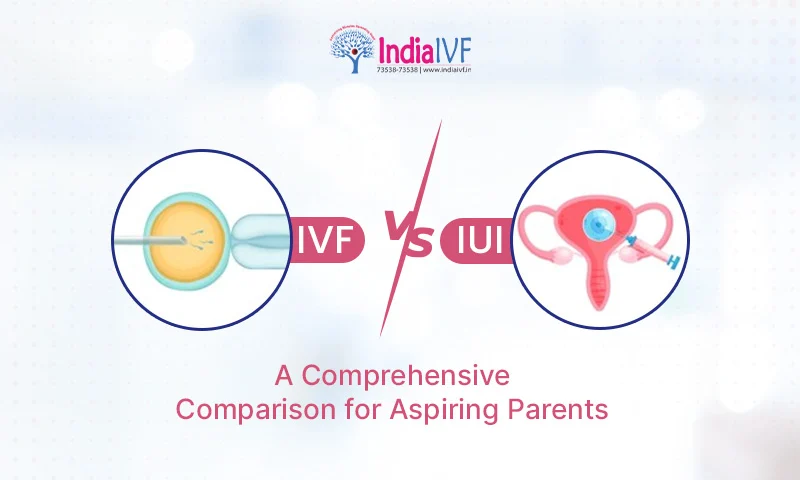
    IVF vs IUI comparison graphic highlighting reproductive methods for aspiring parents.

    The Impact of Donor Anonymity on Donor-Conceived Children in Sperm Banks vs Known Donors

    However, using a known donor also comes with its challenges. Unlike sperm banks, known donors do not have to undergo strict medical and psychological screenings. This can pose a risk to the child’s health, as there is a higher chance of genetic diseases or disorders being passed on. Additionally, the involvement of a known donor can also lead to complex family dynamics, especially if the donor has his own family.

    Another factor to consider is the legal aspect of using a sperm bank or known donor. In most countries, sperm bank donors have no legal rights or responsibilities towards the child. This can provide a sense of security for the recipient, knowing that the donor cannot suddenly claim parental rights. However, in some cases, donors have been able to successfully sue for parental rights, leading to complicated legal battles.

    On the other hand, known donors may have legal rights and responsibilities towards the child, depending on the laws of the country. This can create a complex situation, especially when the donor is not the intended parent of the child. It is essential for both parties to have a clear understanding of their legal rights and responsibilities before entering into a known donor arrangement.

    Moreover, the decision to use a sperm bank or a known donor can also have financial implications. Sperm banks can be costly, with the cost of one cycle of artificial insemination ranging from $500 to $1,000. However, the cost of using a known donor can vary greatly, depending on the agreement made between the parties. This can include medical expenses, travel costs, and even compensation for the donor’s time and effort.

    In conclusion, the impact of donor anonymity on donor-conceived children can be significant. While sperm banks offer a convenient and anonymous way to have children, it also means that the child will never know their biological father. On the other hand, known donors provide a more personal and involved approach, but it comes with its challenges and complexities. It is crucial for both the donor and recipient to carefully consider the long-term implications before making a decision that will ultimately affect the child’s life.

    In summary, the use of sperm banks and known donors can have a profound impact on donor-conceived children. While sperm banks offer anonymity and convenience, known donors provide a more personal and involved approach. The decision between the two can affect the child’s sense of identity, medical history, and legal rights. It is essential for both parties to carefully consider these factors before deciding on the best option for creating a family.

  • The Role of Parental Rights in Sperm Banks vs Known Donors

    In today’s world, there are many ways for individuals and couples to start a family. With advancements in assisted reproductive technology, individuals who are unable to conceive naturally can turn to options such as sperm banks and known donors. While these methods have provided hope and happiness for many families, they also raise complex legal issues, specifically surrounding parental rights. In this blog post, we will explore the role of parental rights in sperm banks versus known donors.

    Sperm banks are facilities that collect, freeze, and store sperm from donors for the purpose of artificial insemination. These donors are typically anonymous and are only known by a code or number. Sperm banks are regulated by the Food and Drug Administration (FDA) and must follow strict guidelines to ensure the safety and quality of the donated sperm. However, when a child is conceived through a sperm bank, the donor does not have any legal rights or responsibilities towards the child.

    On the other hand, known donors are individuals who provide sperm directly to the intended parents, either through sexual intercourse or by donating it for artificial insemination. These donors can be family members, friends, or individuals chosen by the intended parents. In this case, the donor may have some legal rights and responsibilities towards the child, depending on the laws of the state in which the child is born.

    One of the main differences between sperm banks and known donors is the level of involvement and control that the intended parents have over the process. In sperm banks, the intended parents have little to no control over the selection of the donor, as the donors are anonymous. This can sometimes lead to concerns about the health and genetic background of the donor. On the other hand, with known donors, the intended parents have more control over the selection process and can choose someone they know and trust.

    Another important factor to consider is the legal rights and responsibilities of the donor. In the case of sperm banks, the donor has no legal rights or responsibilities towards the child, as they are protected by anonymity. This means that they cannot be held financially or emotionally responsible for the child. However, known donors may have some legal rights and responsibilities, depending on the state laws. In some cases, known donors may be required to pay child support or have visitation rights.

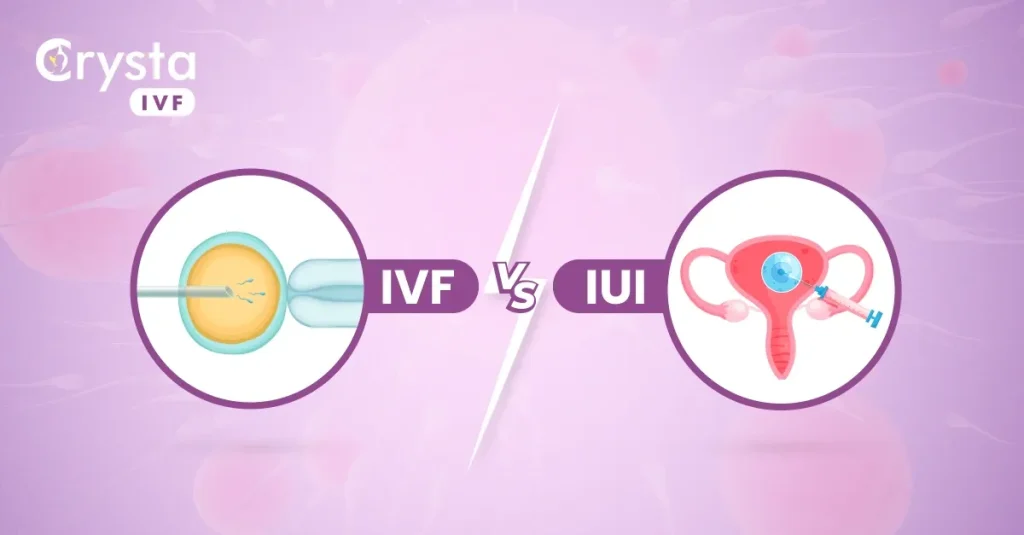
    comparison of IUI and IVF procedures illustrated with simple graphics and labels

    The Role of Parental Rights in Sperm Banks vs Known Donors

    The issue of parental rights becomes even more complex when it comes to donor-conceived children. These are children who are conceived through sperm donation and may have a desire to know more about their biological father. In the case of sperm banks, these children may never have the opportunity to know their donor or have any information about their biological background. This can lead to feelings of confusion and identity issues for the child. On the other hand, with known donors, the child may have access to information about their biological father and have the opportunity to form a relationship with them.

    In recent years, there have been legal battles surrounding the rights of known donors and the children they have helped conceive. In some cases, known donors have been granted parental rights, especially if they have formed a strong bond with the child. This raises questions about the rights of the intended parents and the stability of the family unit.

    It is important to note that the laws surrounding parental rights in sperm banks and known donors vary from state to state. It is crucial for intended parents to research and understand the laws in their state before choosing a method of conception.

    In conclusion, the role of parental rights in sperm banks versus known donors is a complex and ever-evolving issue. While sperm banks offer a safe and regulated option for conception, they may lack the personal connection and information about the donor that known donors provide. On the other hand, known donors may offer more control and involvement in the process, but can also raise legal issues and complications. As technology continues to advance, it is important for laws and regulations to keep up with the changing landscape of assisted reproduction to ensure the best interests of all parties involved, especially the child.

    SEO metadata:

  • The Role of Intimacy in Sperm Banks vs Known Donors

    Blog Post Title: The Role of Intimacy in Sperm Banks vs Known Donors: Exploring the Impact on Donor-Conceived Children

    Intimacy is often seen as a crucial aspect in creating a family, whether it is through a traditional pregnancy or alternative methods such as sperm donation. In recent years, there has been a growing debate surrounding the role of intimacy in sperm banks versus known donors. While both options have their own benefits and drawbacks, it is important to understand how the level of intimacy can impact the well-being of donor-conceived children. In this blog post, we will delve into the differences between sperm banks and known donors, the role of intimacy in each, and the potential effects on donor-conceived children.

    Sperm Banks: A Transactional Approach

    Sperm banks have been around for decades and have become a popular option for individuals and couples looking to start a family. The process typically involves choosing a donor from a catalog, with limited information available such as physical characteristics, education, and occupation. In most cases, the donor remains anonymous, and there is no direct contact between the donor and the recipient.

    While sperm banks provide a convenient and efficient way to access donor sperm, the lack of intimacy can have a significant impact on the donor-conceived child. Without a known donor, children may have questions about their genetic background, identity, and medical history that cannot be answered. This lack of information can create a sense of loss and identity confusion, leading to psychological issues in the future.

    Known Donors: A Personal Connection

    Known donors, on the other hand, involve more intimacy and personal connection in the process. This can include using a friend or family member as a donor or finding a known donor through online communities or fertility clinics. In this scenario, the donor and the recipient have a pre-existing relationship, and there is often some level of emotional connection.

    The presence of intimacy and a personal connection can have a positive impact on donor-conceived children. They have access to more information about their donor, including their personality, values, and beliefs. This can help them develop a stronger sense of identity and a better understanding of their genetic background. Additionally, having a known donor can also provide a sense of security and stability for the child, knowing that they have a real connection to their biological father.

    Comparison of IVF and IUI procedures with illustrations of each method.

    The Role of Intimacy in Sperm Banks vs Known Donors

    The Impact on Donor-Conceived Children

    The level of intimacy in the sperm donation process can have a profound effect on donor-conceived children. Research has shown that children conceived through known donors tend to have a better understanding of their genetic origins and feel more connected to their donor. They also have fewer psychological issues and a stronger sense of identity compared to those conceived through sperm banks.

    Furthermore, children conceived through known donors have the opportunity to build a relationship with their donor over time. They can ask questions, share experiences, and have a sense of belonging to a larger family structure. This can have a positive impact on their emotional well-being and overall development.

    On the other hand, children conceived through sperm banks may have a harder time coping with the lack of intimacy and connection to their donor. They may feel a sense of loss and confusion about their identity, leading to psychological issues such as low self-esteem, depression, and anxiety.

    The Role of Intimacy in Creating a Family

    While the debate between sperm banks and known donors continues, it is essential to recognize the role of intimacy in creating a family. For many couples and individuals, the desire for a child is deeply rooted in the need for a biological connection and the desire to create a family together. The lack of intimacy in sperm banks can hinder this process, as it removes the emotional and personal element from the equation.

    However, it is also important to note that known donors may not always be a feasible option for everyone. There may be legal concerns, financial constraints, or a lack of suitable donors available. In these cases, sperm banks can provide a viable solution for starting a family.

    In summary, the role of intimacy in sperm banks versus known donors is a crucial factor to consider when choosing a sperm donation method. While sperm banks offer convenience and efficiency, known donors provide a more personal and emotional connection for donor-conceived children. Ultimately, the well-being and psychological health of the child should be the top priority when making this decision.