Tag: Donor Agreements

  • Home Insemination vs Clinical Insemination: Legal Considerations for Donor Agreements

    Blog Post:

    When couples or individuals decide to start a family through sperm donation, there are many factors to consider. One of the most important aspects is the legal considerations surrounding the type of insemination chosen – home insemination or clinical insemination. While both options can be viable for creating a family, it is crucial to understand the legal implications and protections that come with each method.

    Home Insemination:

    Home insemination refers to the process of using donor sperm at home, without the involvement of a medical professional. This method is typically less expensive and more convenient, as it can be done in the comfort and privacy of one’s own home. However, it is important to note that home insemination is not regulated by any governing body and therefore, carries certain legal risks.

    Legal Considerations for Home Insemination:

    1. Donor Agreements:

    When using donor sperm for home insemination, it is essential to have a written donor agreement in place. This agreement should outline the terms and conditions of the donation, including the rights and responsibilities of all parties involved. It should also include provisions for any potential future legal issues that may arise, such as custody or financial support.

    2. Legal Parentage:

    One of the most significant concerns with home insemination is the issue of legal parentage. In most jurisdictions, the donor is not automatically considered the legal parent of the child, even if they provided the sperm. This can create complications in terms of parental rights and responsibilities. Therefore, it is crucial to seek legal advice and establish parentage through a court order to protect all parties involved.

    3. Health and Genetic Screening:

    Another important consideration is the health and genetic screening of the donor. Unlike clinical insemination, where the donor is required to undergo rigorous testing, home insemination relies on the honesty and integrity of the donor. This can lead to potential health risks for the child and the recipient, as well as legal liabilities if any health issues arise.

    Clinical Insemination:
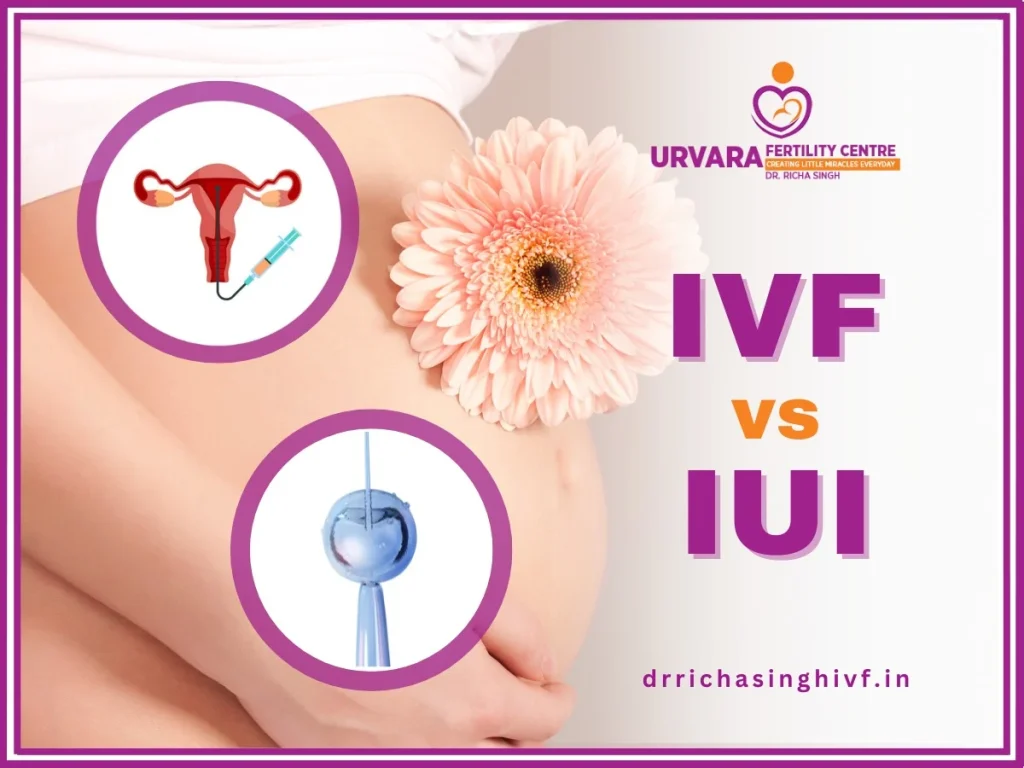
    IVF vs IUI comparison with illustrations of reproductive processes and a flower on a pregnant belly.

    Home Insemination vs Clinical Insemination: Legal Considerations for Donor Agreements

    Clinical insemination, also known as artificial insemination, involves a medical professional inserting donor sperm into the recipient’s uterus or cervix. This method is closely monitored and regulated by medical authorities, providing a more secure and legally protected option for creating a family.

    Legal Considerations for Clinical Insemination:

    1. Donor Screening and Health Checks:

    One of the most significant advantages of clinical insemination is the rigorous screening process that donors must undergo. This includes thorough medical and genetic testing to ensure the health and safety of the donor and the recipient. This reduces the risk of potential health issues and legal liabilities.

    2. Legal Parentage:

    In most jurisdictions, the legal parentage of a child conceived through clinical insemination is clear. The donor is not considered the legal parent, and the recipient and their partner (if applicable) are recognized as the child’s legal parents. This provides a more stable and secure legal foundation for the family.

    3. Donor Anonymity:

    In clinical insemination, donors are usually anonymous, and their identity is protected by law. This can be beneficial for all parties involved, as it eliminates the potential for future legal disputes or claims for custody or financial support.

    Importance of Donor Agreements:

    Regardless of the method chosen, having a written donor agreement is essential for protecting all parties involved. In both home and clinical insemination, the agreement should outline the rights and responsibilities of the donor, recipient, and any other parties involved. It should also address issues such as legal parentage, financial responsibilities, and potential future disputes.

    In conclusion, both home insemination and clinical insemination can be viable options for starting a family through sperm donation. However, it is crucial to understand the legal implications and protections that come with each method. Seeking legal advice and having a written donor agreement in place is crucial for ensuring a smooth and legally protected process for all parties involved.

    Summary:

    When choosing between home insemination and clinical insemination for starting a family through sperm donation, it is essential to consider the legal aspects of each method. While home insemination may be more convenient and cost-effective, it comes with certain legal risks. On the other hand, clinical insemination is closely monitored and regulated, providing a more secure and legally protected option. Regardless of the method chosen, having a written donor agreement in place is crucial for protecting all parties involved and addressing potential legal issues.


  • Legal Considerations of Home Insemination: What Every Couple Should Know

    Blog Post:

    Home insemination, also known as self-insemination, is the process of a couple using a donor’s sperm to conceive a child at home without the aid of a medical professional. This method of conception has become increasingly popular for couples who are unable to conceive naturally or who want to have a more intimate and personal experience. However, before embarking on this journey, it is important for couples to understand the legal considerations involved in home insemination. In this blog post, we will discuss everything that couples should know about the legal aspects of home insemination.

    1. Legal Parentage:

    The first and most important consideration in home insemination is the legal parentage of the child. In most cases, the donor of the sperm will not have any legal rights or responsibilities towards the child. However, it is crucial for couples to understand that the laws regarding parentage may vary from state to state or country to country. Therefore, it is important to consult with a lawyer or research the laws in your specific area to ensure that you are aware of your legal rights and responsibilities as parents.

    2. Donor Agreements:

    Before starting the home insemination process, it is essential for couples to have a written agreement with the sperm donor. This agreement should outline the responsibilities and rights of both parties and can include matters such as financial support, visitation rights, and confidentiality. It is important to note that these agreements are not legally binding, but they can serve as evidence in case of any disputes in the future.

    3. Medical Screenings:

    It is vital for couples to ensure that the donor they choose has undergone proper medical screenings for any potential health issues. While home insemination does not involve a medical professional, it is still essential to take the same precautions as one would in a clinic setting. These screenings can include tests for sexually transmitted infections, genetic disorders, and overall health. It is also recommended to have the donor sign a consent form stating that they have been screened and are aware of any potential risks involved.

    Illustration of intrauterine insemination (IUI) procedure, showing sperm injection into the uterus.

    Legal Considerations of Home Insemination: What Every Couple Should Know

    4. Legal Rights of the Child:

    Another crucial aspect of home insemination is understanding the legal rights of the child. In most cases, the child will have the same legal rights as any child born through natural conception. However, it is important to note that in some states or countries, the child may not have the right to inherit from the donor or may not be eligible for government benefits. Again, it is crucial to research the laws in your area to ensure that the child’s rights are protected.

    5. Potential Legal Issues:

    While home insemination is a personal and intimate experience for couples, it is not without its legal risks. In some cases, there may be disputes regarding the legal parentage of the child, or the donor may try to claim parental rights. It is essential to have a clear understanding of the laws and to have proper documentation in place to avoid any legal issues in the future. In case of any disputes, it is recommended to seek legal counsel to protect the rights and best interests of all parties involved.

    6. Legal Implications of Using a Known Donor:

    Using a known donor, such as a friend or family member, for home insemination can have more complex legal implications. In this case, it is crucial to have a clear understanding of the laws and to have a comprehensive agreement in place to avoid any legal disputes. It is also recommended to seek legal advice before starting the insemination process with a known donor.

    7. Adoption and Surrogacy Laws:

    In some cases, couples may choose to use home insemination as part of an adoption or surrogacy process. In these situations, it is important to understand the laws and regulations surrounding adoption and surrogacy in your area. It is also recommended to consult with a lawyer to ensure that all legal requirements are met and the process is carried out smoothly.

    In summary, home insemination can be a beautiful and intimate experience for couples who are looking to conceive. However, it is crucial to be aware of the legal considerations involved to protect the rights and best interests of all parties involved. It is recommended to consult with a lawyer to understand the laws and regulations in your area and to have proper documentation in place to avoid any potential legal issues.

  • Home Insemination vs Clinical Insemination: Legal Considerations for Intended Parents

    Home Insemination vs Clinical Insemination: Legal Considerations for Intended Parents

    For many couples and individuals who are unable to conceive a child naturally, assisted reproductive technology (ART) has become a popular and viable option. ART includes various methods such as in vitro fertilization (IVF), surrogacy, and insemination, which involve the use of donated sperm or eggs to achieve pregnancy. Insemination, in particular, has gained attention in recent years, with more and more people choosing to use this method for starting or expanding their families. However, there are important legal considerations that intended parents must be aware of, especially when deciding between home insemination and clinical insemination. In this blog post, we will explore the various legal aspects of both methods and how they may impact intended parents.

    Home Insemination

    Home insemination involves the process of placing sperm into the female partner’s reproductive tract through methods such as artificial insemination, intracervical insemination, or intrauterine insemination. This method can be performed at home, without the involvement of a medical professional. Many couples and individuals choose home insemination as it provides a more intimate and private setting for the conception process. It also allows for more control over the timing and frequency of insemination attempts.

    However, despite its advantages, home insemination can also come with some legal risks for intended parents. Firstly, it is essential to note that the laws surrounding home insemination vary from state to state, and in some cases, it may not be legally recognized as a method of conception. This can be problematic for intended parents, as it may affect their legal rights and responsibilities as parents. For example, in some states, the sperm donor may still be considered the legal father, and the intended parents may have to go through a lengthy and costly legal process to establish their parental rights.

    Another legal consideration for intended parents using home insemination is the potential for disputes over parental rights and responsibilities. In cases where the sperm donor is known to the intended parents and is involved in the insemination process, there may be confusion or disagreements over the extent of the donor’s involvement in the child’s life. This can lead to complicated legal battles, which can be emotionally and financially draining for all parties involved. Therefore, it is crucial for intended parents to have a clear and legally binding agreement in place with the sperm donor before proceeding with home insemination.

    Clinical Insemination

    Clinical insemination, also known as assisted insemination or medical insemination, is the process of placing donated sperm into the female partner’s reproductive tract by a medical professional. This method is typically performed at a fertility clinic or medical facility and is closely monitored by a team of healthcare professionals. One of the main advantages of clinical insemination is the high success rates, as the procedure is performed by trained and experienced medical professionals.

    From a legal perspective, clinical insemination offers more security and protection for intended parents compared to home insemination. This is because the process is carried out in a medical setting, and all parties involved are required to follow specific legal protocols and guidelines. For example, in many states, the sperm donor relinquishes all parental rights and responsibilities upon donation, and the intended parents are legally recognized as the child’s sole parents. This eliminates the risk of legal disputes and uncertainties over parental rights.

    Comparison of IUI and IVF treatments with diagrams of reproductive anatomy.

    Home Insemination vs Clinical Insemination: Legal Considerations for Intended Parents

    Another important aspect of clinical insemination is the rigorous screening process that sperm donors undergo. Fertility clinics are required to follow strict guidelines and protocols to ensure the safety and health of the donors and recipients. This includes screening for genetic diseases, infectious diseases, and overall health and fertility. By using sperm from a screened and approved donor, intended parents can have peace of mind knowing that they are receiving a safe and healthy sample for insemination.

    Legal Considerations for Intended Parents

    When considering home insemination or clinical insemination, intended parents must carefully weigh the legal implications of each method. Some important legal considerations to keep in mind include:

    1. Parental Rights: Insemination, whether at home or in a clinical setting, may not guarantee parental rights for intended parents. It is crucial for them to understand the laws in their state and ensure that all legal procedures are followed to establish their parental rights.

    2. Donor Agreements: In cases where a known sperm donor is used, a clear and legally binding agreement must be in place to outline the donor’s rights and responsibilities, as well as the intended parents’ expectations. This can help avoid disputes and legal issues in the future.

    3. Medical Screening: As mentioned earlier, fertility clinics have strict guidelines for screening sperm donors, which helps ensure the health and safety of both the donor and the recipient. This can provide peace of mind for intended parents when choosing clinical insemination.

    4. Legal Support: It is always advisable for intended parents to seek legal advice before proceeding with any method of insemination. An experienced family law attorney can help them understand their legal rights and responsibilities and guide them through the legal process.

    Summary

    In summary, both home insemination and clinical insemination offer viable options for intended parents who are looking to start or expand their families. However, there are important legal considerations to keep in mind when choosing between the two methods. Home insemination may offer more privacy and control, but it comes with legal risks and uncertainties. On the other hand, clinical insemination provides more security and legal protection, but it can also be a more costly and invasive process. It is crucial for intended parents to research and understand the legal implications of both methods and seek legal support to ensure a smooth and legally sound conception process.

  • Navigating the Legal Landscape of Co-Parenting and Sperm Donation: Tips and Resources

    Blog Post:

    Navigating the Legal Landscape of Co-Parenting and Sperm Donation: Tips and Resources

    Co-parenting and sperm donation are two paths to parenthood that have gained popularity in recent years. With advancements in technology and changing social attitudes, more and more people are choosing non-traditional methods to start a family. However, these methods also come with their own unique legal challenges.

    In this blog post, we will explore the legal landscape of co-parenting and sperm donation, and provide tips and resources for those considering or currently navigating these paths to parenthood.

    Understanding the Different Types of Co-Parenting Arrangements

    Co-parenting is an arrangement in which two or more individuals share the responsibilities of raising a child without being in a romantic relationship. There are various types of co-parenting arrangements, each with its own legal implications.

    1. Informal Co-Parenting: This is the most common type of co-parenting arrangement, where two individuals decide to have a child together without a legal agreement. While this may seem like the simplest and most cost-effective option, it can also lead to complications down the line. Without a legal agreement, both parties may have different expectations and interpretations of their roles and responsibilities as parents.

    2. Known Donor Co-Parenting: In this scenario, one individual donates sperm to the other with the intention of co-parenting the child. This type of arrangement involves a legal agreement between the donor and the parent, outlining their respective rights and responsibilities.

    3. Anonymous Donor Co-Parenting: This is when a sperm donor is chosen from a sperm bank, and the donor has no involvement in the child’s life. In this case, the non-biological parent may need to legally adopt the child to establish parental rights.

    Legal Considerations for Co-Parenting

    No matter which type of co-parenting arrangement you choose, there are certain legal considerations that must be taken into account to protect the rights and well-being of all parties involved.

    1. Parenthood and Parental Rights: In co-parenting arrangements, it is essential to establish who the legal parents of the child are. This is especially important in cases where the donor is not the biological parent, or when the child is born through a surrogate. Legal documentation, such as a co-parenting agreement or adoption papers, can help clarify and protect the parental rights of all parties involved.

    2. Child Support and Financial Responsibilities: Co-parenting arrangements also involve financial responsibilities. It is crucial to outline in a legal agreement how the costs of raising the child will be shared between the co-parents. This includes expenses such as healthcare, education, and daily living expenses.

    3. Custody and Visitation: In the event of a separation or divorce, custody and visitation rights can become a contentious issue in co-parenting arrangements. It is crucial to have a clear agreement in place regarding custody and visitation to avoid any legal battles in the future.

    illustration of intrauterine insemination procedure with a syringe and catheter in the uterus.

    Navigating the Legal Landscape of Co-Parenting and Sperm Donation: Tips and Resources

    Sperm Donation and Legal Considerations

    Sperm donation is a common method used by single individuals or same-sex couples to start a family. However, it also comes with its own set of legal considerations.

    1. Donor Agreements: If you are using a known donor, it is essential to have a legal agreement in place outlining the rights and responsibilities of the donor. This includes any financial obligations, as well as the donor’s involvement in the child’s life.

    2. Parental Rights of the Donor: In some cases, a donor may try to establish parental rights to the child, even if they were not intended to have a parental role. It is crucial to have a legal agreement in place to protect the intended parent’s rights and prevent any potential legal battles.

    3. Legal Parenthood: In cases where the donor is anonymous or the child is born through a surrogate, legal parenthood can be a complex issue. It is important to consult with a legal professional to ensure that all legal requirements are met to establish and protect the parental rights of the intended parent(s).

    Tips for Navigating the Legal Landscape of Co-Parenting and Sperm Donation

    1. Seek Legal Advice: The most important tip when navigating the legal landscape of co-parenting and sperm donation is to seek legal advice from a family law attorney. They can guide you through the legal process, help you understand your rights and responsibilities, and ensure that all necessary legal documents are in place.

    2. Communicate Openly: One of the key factors in successful co-parenting arrangements is communication. It is essential to have open and honest communication with your co-parent and any other parties involved, such as the donor or surrogate. This can help avoid misunderstandings and conflicts down the line.

    3. Consider Future Scenarios: When creating a co-parenting or donor agreement, it is important to consider future scenarios that may arise. While no one wants to think about a separation or divorce, it is crucial to have a plan in place to protect the child’s well-being in such situations.

    Resources for Co-Parenting and Sperm Donation

    1. Family Law Attorneys: As mentioned earlier, consulting with a family law attorney is crucial when navigating the legal landscape of co-parenting and sperm donation. They can provide legal advice and help you create legally binding agreements that protect your rights and the child’s well-being.

    2. Co-Parenting and Donor Agreement Templates: Several online resources offer co-parenting and donor agreement templates that can be customized to fit your specific situation. It is still recommended to have a legal professional review and finalize the document.

    3. Support Groups and Communities: Joining support groups or online communities for co-parenting and sperm donation can be a great way to connect with others who are going through similar experiences. They can provide emotional support and valuable insights into navigating the legal landscape.

    In summary, co-parenting and sperm donation are viable paths to parenthood, but they also require careful consideration and proper legal documentation. By understanding the different types of arrangements, legal considerations, and tips for navigating the process, you can ensure a smooth and legally sound journey to parenthood.
