Tag: domestic adoption

  • Breaking Down the Numbers: Fertility Treatments vs Adoption Costs

    Breaking Down the Numbers: Fertility Treatments vs Adoption Costs

    Fertility treatments and adoption are two options that many couples and individuals consider when trying to start a family. Both can be a long and emotional journey, and both come with significant financial costs. However, when it comes to comparing the numbers, it may surprise you to learn how much more expensive fertility treatments can be compared to adoption. In this blog post, we will break down the numbers and explore the costs of fertility treatments and adoption, as well as factors to consider when making this important decision.

    Fertility Treatments: A Costly Journey

    For couples struggling with infertility, fertility treatments can offer hope and the possibility of starting a family. However, these treatments come with a steep price tag. According to the American Society for Reproductive Medicine, the average cost of an IVF cycle is $12,000, and that does not include the cost of medications or additional procedures that may be needed. In fact, the total cost can easily surpass $20,000 per cycle.

    Additionally, many insurance companies do not cover fertility treatments, leaving couples to shoulder the entire cost on their own. This can be a significant financial burden, especially for couples who may need multiple cycles to achieve success.

    Adoption: A Complex but More Affordable Option

    Adoption is often seen as a more affordable option for starting a family. However, the process can be lengthy and complex, and the costs can vary greatly depending on the type of adoption. Domestic adoptions can range from $20,000-$40,000, while international adoptions can cost upwards of $50,000.
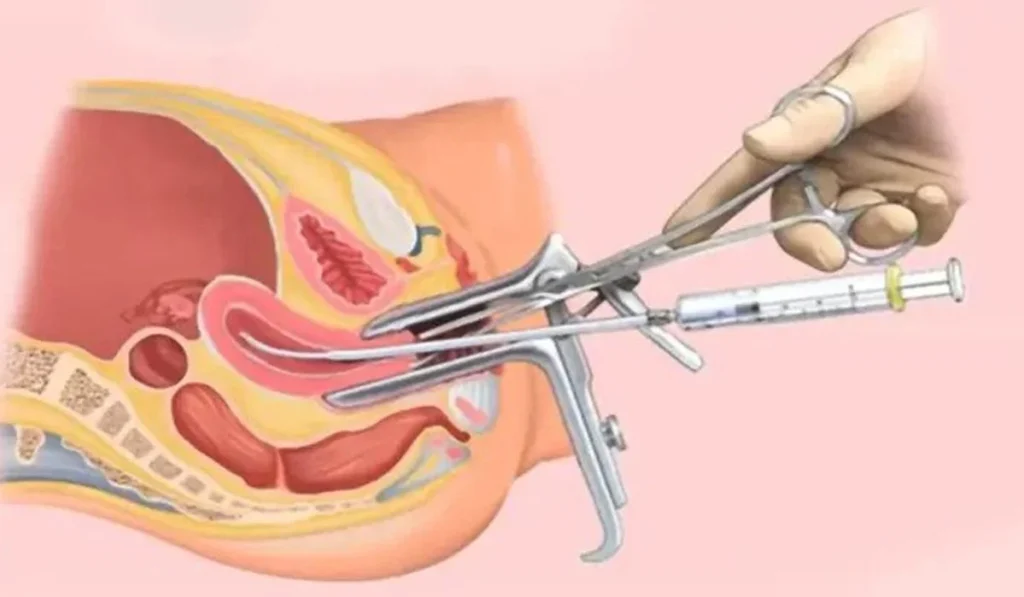
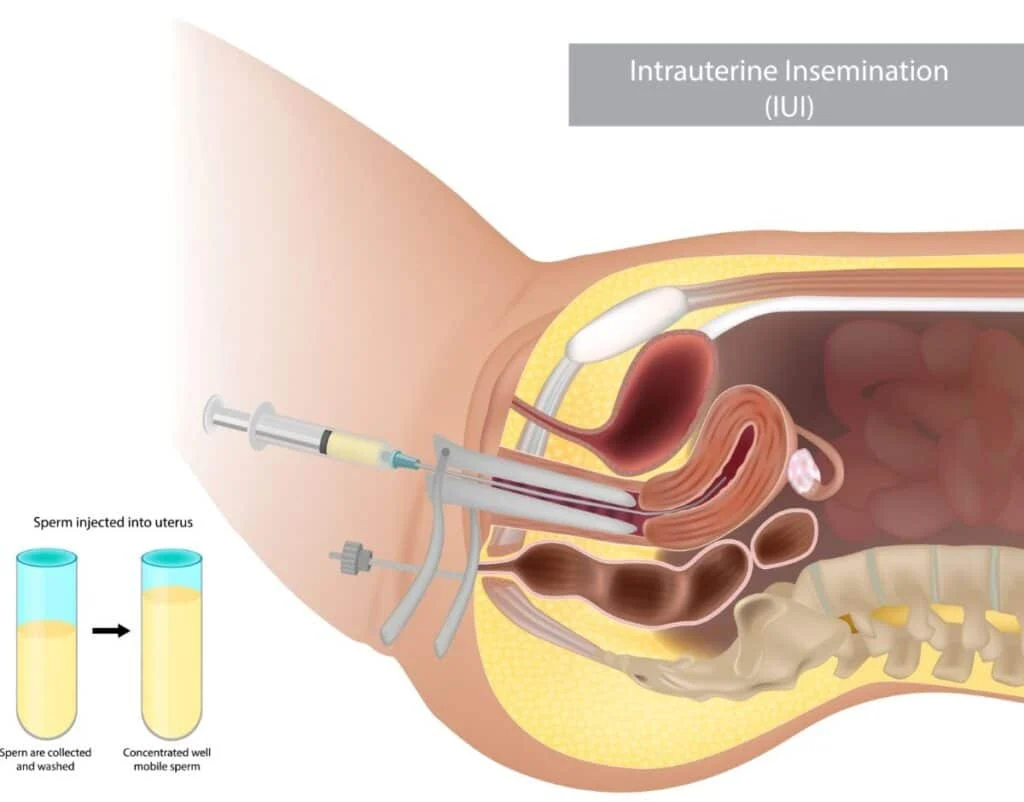
    illustration of an intrauterine insemination procedure with medical instruments and anatomical details

    Breaking Down the Numbers: Fertility Treatments vs Adoption Costs

    One of the significant factors that affect the cost of adoption is whether the adoptive parents choose to work with an agency or go through a private adoption. Agencies typically have higher fees but also offer more support and services throughout the adoption process. Private adoptions, on the other hand, involve directly working with the birth parents and can have lower fees, but may also come with unexpected expenses.

    Other factors that can increase the cost of adoption include legal fees, home study fees, and travel expenses for international adoptions. However, some financial assistance, such as adoption tax credits, may be available to help offset these costs.

    Factors to Consider When Choosing Between Fertility Treatments and Adoption

    When it comes to choosing between fertility treatments and adoption, there are several factors to consider. One of the most significant considerations is the chance of success. According to the Centers for Disease Control and Prevention, the success rate for IVF is around 30%. This means that couples may need multiple cycles to achieve success, which can significantly increase the cost.

    On the other hand, the success rate for adoption is generally higher, as the majority of adoptions are successful. Additionally, adoption offers the opportunity to give a child a loving and stable home, which can be a fulfilling and rewarding experience.

    Another factor to consider is the emotional toll that both fertility treatments and adoption can take on individuals and couples. Fertility treatments can be physically and emotionally demanding, with no guarantee of success. Meanwhile, the adoption process can also be emotional, as there may be waiting periods and uncertainty involved. It is essential to carefully consider these factors and be prepared for the emotional challenges that may arise.

    Summary:

    Fertility treatments and adoption are two options for couples and individuals looking to start a family. While both can be emotionally and financially challenging, the numbers show that fertility treatments can be significantly more expensive than adoption. The average cost of an IVF cycle is $12,000, while adoption costs can range from $20,000-$50,000. When choosing between the two, factors such as success rates and emotional toll should also be considered.
  • The High Cost of Fertility: Comparing Treatments and Adoption Expenses

    Blog Post:

    Fertility struggles can be a heartbreaking and expensive journey for many couples. With advancements in technology and medical treatments, there are now more options than ever for those struggling to conceive. However, with these options comes a high cost that can often be overwhelming and financially draining. In this blog post, we will explore the high cost of fertility treatments and adoption expenses, comparing the two and providing insights into the financial considerations that come with each option.

    Fertility Treatments:

    Fertility treatments can range from basic procedures such as intrauterine insemination (IUI) to more complex treatments like in vitro fertilization (IVF). While these treatments offer hope for many couples, they come at a steep price. According to the American Society for Reproductive Medicine, the average cost of one IVF cycle is around $12,000, not including medications and additional procedures. This means that for couples who require multiple cycles to achieve a successful pregnancy, the cost can quickly add up to tens of thousands of dollars.

    In addition to the high cost of IVF, there are also additional expenses that couples may encounter. Medications, which can range from $3,000 to $5,000 per cycle, are often not covered by insurance. These medications are crucial for stimulating egg production and preparing the body for implantation, making them a necessary and costly part of the process. Furthermore, additional procedures such as genetic testing, embryo freezing, and egg or sperm donation can also significantly increase the overall cost of fertility treatments.

    Adoption Expenses:

    For couples who are unable to conceive through fertility treatments, adoption can be another option for building a family. However, like fertility treatments, adoption comes with its own set of expenses. The cost of adoption can vary greatly depending on the type of adoption and the agency used. Domestic adoption, where a child is adopted within the same country, can range from $20,000 to $40,000. International adoption, where a child is adopted from another country, can cost upwards of $50,000. These expenses often cover fees for the adoption agency, legal fees, travel expenses, and medical costs for the birth mother.

    In addition to these costs, families who choose to adopt also need to consider ongoing expenses such as childcare, education, and healthcare for the child. These expenses can add up over time and should be factored into the overall cost of adoption. It is also important to note that not all adoptions are successful, and families may encounter additional expenses if an adoption falls through.

    IVF vs IUI comparison with illustrations of reproductive processes and a flower on a pregnant belly.

    The High Cost of Fertility: Comparing Treatments and Adoption Expenses

    Comparing the Costs:

    When comparing the costs of fertility treatments and adoption, it is essential to consider not only the financial aspect but also the emotional toll it can take on couples. Fertility treatments often require multiple cycles before a successful pregnancy, meaning that the financial burden can be prolonged. On the other hand, adoption can also be a long and unpredictable process, with no guarantee of a successful adoption.

    It is also crucial to note that while fertility treatments may have a higher upfront cost, adoption expenses can add up over time, especially when considering the ongoing expenses of raising a child. Additionally, fertility treatments may offer a higher chance of success for couples who are able to conceive, while there is always a risk of an adoption falling through.

    Alternative Options:

    For couples who are unable to afford the high cost of fertility treatments or adoption, there are alternative options available. Some insurance companies may cover a portion of fertility treatments, so it is essential to check with your provider to see if you have any coverage. Additionally, some fertility clinics offer financing options for treatments, allowing couples to spread out the cost over time. For those considering adoption, there are also grants and loans available to help with the expenses.

    Conclusion:

    The high cost of fertility treatments and adoption can be a significant barrier for couples hoping to start a family. It is crucial for couples to carefully consider their financial situation and discuss all options with their healthcare provider and adoption agency. While both options come with a hefty price tag, the end goal of building a family is priceless.

    In summary, fertility treatments and adoption both come with a high cost, with fertility treatments averaging around $12,000 per cycle and adoption ranging from $20,000 to $50,000. Couples must consider not only the financial aspect but also the emotional toll of both options. Alternative options such as insurance coverage and financing may help alleviate some of the financial burden. Ultimately, the decision between fertility treatments and adoption is a personal one that should be made after careful consideration and discussion with healthcare providers and adoption agencies.

  • Is Adoption a More Affordable Path to Parenthood? A Look at the Numbers

    Summary:

    Parenthood is a dream for many couples, but the cost of fertility treatments and surrogacy can be overwhelming. Adoption, on the other hand, is often seen as a more affordable path to parenthood. However, there are many misconceptions and uncertainties surrounding the cost of adoption. In this blog post, we will take a closer look at the numbers and explore whether adoption truly is a more affordable option for those looking to start a family.

    First, let’s define what we mean by adoption. There are two main types of adoption: domestic and international. Domestic adoption occurs within the same country, while international adoption involves adopting a child from another country. The cost of adoption can vary greatly depending on the type of adoption, the agency used, and other factors.

    When it comes to domestic adoption, the average cost can range from $20,000 to $40,000. This includes fees for the adoption agency, legal fees, and birth mother expenses. While this may seem like a hefty sum, it is important to note that this cost is spread out over a period of time. Most agencies have payment plans and offer financial assistance for families who may not be able to afford the full amount upfront. Additionally, there are tax credits and subsidies available for adoptive families, which can significantly reduce the cost.

    International adoption, on the other hand, can be more expensive due to the additional travel and legal fees involved. The average cost for international adoption ranges from $25,000 to $50,000. However, it is important to note that this cost also includes fees for the adoption agency, legal fees, and travel expenses. As with domestic adoption, there are also tax credits and subsidies available for international adoptive families.

    Now, let’s compare these numbers to the cost of fertility treatments and surrogacy. In vitro fertilization (IVF) can cost anywhere from $12,000 to $20,000 per cycle, and many couples require multiple cycles for a successful pregnancy. Surrogacy, on the other hand, can cost upwards of $100,000. These costs do not include any additional fees for egg or sperm donors, which can add thousands of dollars more.

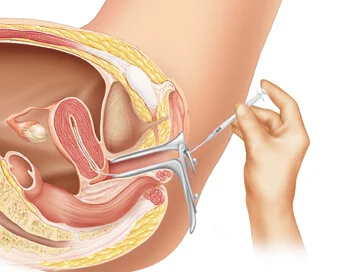
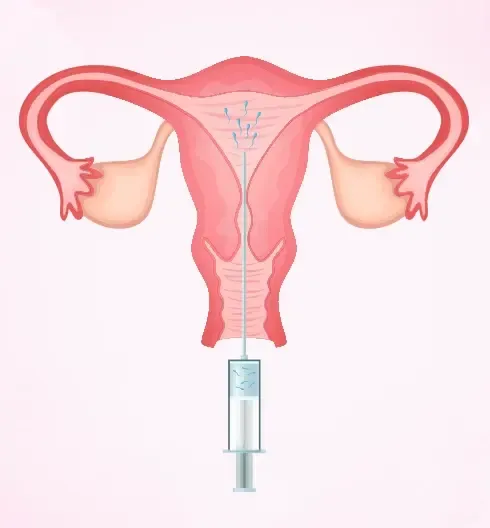
    Illustration of a uterus with a syringe indicating an intrauterine insemination procedure.

    Is Adoption a More Affordable Path to Parenthood? A Look at the Numbers

    Another factor to consider is the success rate of these methods. While adoption may have a higher upfront cost, the success rate is much higher compared to fertility treatments. The success rate for IVF ranges from 20% to 40% depending on the age of the woman, while the success rate for adoption is around 90%. This means that couples may end up spending more money on multiple rounds of fertility treatments before they are successful, whereas with adoption, the cost is upfront and more likely to result in a successful adoption.

    There are also ongoing costs to consider when it comes to parenthood. With adoption, there are no additional medical costs, as the child is already born. However, with fertility treatments and surrogacy, there may be additional medical costs for the mother and child. Additionally, adoption does not have any ongoing legal fees, whereas fertility treatments and surrogacy may require ongoing legal assistance.

    It is also important to note that the cost of adoption can vary greatly depending on the agency and the type of adoption. Some agencies may offer lower fees, while others may have higher fees but also provide more services. It is important for couples to do their research and compare different agencies to find one that fits their budget and needs.

    In some cases, adoption may even be free. For example, foster care adoption is often free or has minimal costs involved. This type of adoption involves adopting a child from the foster care system, and the fees are usually covered by the state. This can be a great option for couples who may not have the financial means for a traditional adoption.

    Another misconception about adoption is that it is only for heterosexual couples. However, adoption is open to all types of families, including single parents, same-sex couples, and couples of different races and religions. This means that adoption can be a more inclusive and accessible option for those looking to start a family.

    Of course, there are emotional and personal factors to consider when it comes to choosing between adoption and other methods of parenthood. Some couples may have a strong desire to have a biological child, while others may feel a strong connection to adoption. It is important for couples to explore their options and make the decision that is best for their family.

    In conclusion, while adoption may have an upfront cost, it is often a more affordable path to parenthood compared to fertility treatments and surrogacy. The cost of adoption varies depending on the type of adoption and the agency used, but there are financial assistance options available, as well as tax credits and subsidies. Additionally, the success rate of adoption is higher compared to fertility treatments, and there are no ongoing medical or legal fees to consider. Adoption is also open to all types of families, making it a more inclusive and accessible option. Ultimately, the decision between adoption and other methods of parenthood is a personal one, but it is important to have all the facts and numbers when making this important decision.

  • Is Adoption More Affordable Than Fertility Treatments? A Comprehensive Comparison

    Summary:

    Adoption and fertility treatments are two options for couples struggling with infertility who still want to start a family. While both paths can lead to the same result, there are significant differences in terms of cost. In this blog post, we will compare the costs of adoption and fertility treatments and explore the various factors that can affect the overall affordability. We will also delve into the emotional and psychological impact of both options and provide resources for couples to consider when making this important decision. By the end of this post, you will have a better understanding of which option may be more affordable for you and your family.

    Adoption Costs:

    Adoption is the legal process of permanently transferring parental rights and responsibilities from one family to another. There are three main types of adoption: domestic, international, and foster care. Each type has its own unique costs and requirements.

    Domestic adoption, where a child is adopted from within the country, typically has the highest costs. The average cost of a domestic adoption can range from $20,000 to $40,000. This includes expenses such as agency fees, legal fees, birth mother expenses, and home study fees.

    International adoption, where a child is adopted from another country, can also be expensive. The average cost can range from $25,000 to $50,000. This includes expenses such as agency fees, travel expenses, and foreign country fees.

    Foster care adoption, where a child in the foster care system is adopted, is generally the most affordable option. The average cost can range from $2,000 to $5,000. This includes expenses such as home study fees and legal fees.

    Fertility Treatment Costs:

    Fertility treatments are medical procedures that are used to help couples conceive a child. There are various types of fertility treatments, such as in vitro fertilization (IVF), intrauterine insemination (IUI), and fertility drugs. The costs of these treatments can vary depending on the type of treatment, the number of cycles needed, and any additional procedures or medications required.

    The average cost of one cycle of IVF can range from $12,000 to $15,000. This does not include additional costs such as medications, which can add another $3,000 to $5,000 to the total cost.

    IUI, which involves placing sperm directly into the uterus, is a less expensive option with an average cost of $500 to $4,000 per cycle. However, multiple cycles may be needed for success.

    Fertility drugs, which are used to stimulate ovulation, can range from $50 to $5,000 per cycle, depending on the type of medication and dosage needed.

    illustration of intrauterine insemination procedure with a hand holding a speculum and syringe near the uterus

    Is Adoption More Affordable Than Fertility Treatments? A Comprehensive Comparison

    Factors Affecting Cost:

    There are several factors that can affect the overall cost of adoption and fertility treatments. One of the biggest factors is the type of adoption or treatment chosen. As mentioned earlier, domestic adoption and IVF tend to have higher costs compared to foster care adoption and IUI.

    The location can also play a significant role in cost. Adoption costs can vary depending on the state and country, while fertility treatment costs can differ between clinics. It is essential to research and compare costs in different locations to find the most affordable option for your specific situation.

    Another factor to consider is the age of the child or the woman undergoing fertility treatments. Older children and women may require more extensive medical care, which can increase costs. Additionally, women over the age of 35 may need to use more expensive fertility treatments, such as IVF, due to a decline in fertility.

    Emotional and Psychological Impact:

    The decision to pursue adoption or fertility treatments can be emotionally and psychologically taxing for couples. Adoption can be a lengthy process, and the uncertainty of being matched with a child can be stressful. On the other hand, fertility treatments can also take a toll on a couple’s emotional well-being, with the added pressure of undergoing medical procedures and the possibility of not being successful.

    It is crucial for couples to consider the emotional and psychological impact of both options and to seek support from professionals or support groups throughout the process.

    Resources for Couples:

    There are many resources available for couples who are considering adoption or fertility treatments. These resources can provide guidance, support, and financial assistance.

    For adoption, there are grants, loans, and tax credits available to help offset the costs. Organizations such as the National Adoption Foundation and the Dave Thomas Foundation for Adoption offer financial assistance for families looking to adopt.

    For fertility treatments, some insurance plans may cover some of the costs. It is essential to research and understand your insurance coverage and consider speaking with a financial advisor to explore other options such as loans or grants.

    Conclusion:

    In conclusion, the cost of adoption and fertility treatments can vary significantly depending on various factors. While foster care adoption and IUI may be more affordable options, they are not suitable for every couple. It is crucial for couples to carefully consider their financial situation, emotional readiness, and personal preferences when deciding between adoption and fertility treatments. Seeking support from professionals and utilizing available resources can also make the process more manageable. Ultimately, the most affordable option for starting a family will depend on each couple’s unique circumstances.

  • Surrogacy vs Adoption: A Comparison of Waiting Times

    Blog Post:

    Surrogacy and adoption are two popular options for couples and individuals looking to start or expand their families. Both methods have their own unique set of benefits and challenges, but one aspect that often comes into consideration is the waiting time. How long does it take to find a surrogate or adopt a child? In this blog post, we will delve into the comparison of waiting times between surrogacy and adoption.

    Surrogacy is the process of using a gestational carrier, also known as a surrogate, to carry and give birth to a child for someone else. This method allows individuals or couples who are unable to carry a child themselves to still have a biological connection to their child. On the other hand, adoption involves legally taking on the responsibility of raising a child who is not biologically related to the adoptive parents. Let’s take a closer look at the waiting times for each of these options.

    Surrogacy Waiting Time:

    The waiting time for surrogacy can vary depending on the type of surrogacy chosen. Traditional surrogacy, where the surrogate’s own egg is used, is less common and can take longer as it involves finding a suitable surrogate and going through the insemination process. In contrast, gestational surrogacy, where the surrogate carries an embryo created through in vitro fertilization (IVF), is more common and has a shorter waiting time.

    Finding a surrogate can take anywhere from a few months to a year or more. This process involves finding a surrogate who is medically and psychologically screened, and whose values and expectations align with those of the intended parents. Once a match is found, the IVF process can take around 3-6 months, including the time for embryo creation, transfer, and pregnancy confirmation. Therefore, the total waiting time for surrogacy can range from 9 months to 1.5 years.

    Adoption Waiting Time:

    Adoption waiting times can also vary depending on the type of adoption chosen. Domestic adoption, where a child is adopted within the same country, generally has a shorter waiting time compared to international adoption, where a child is adopted from another country. The waiting time for domestic adoption can range from a few months to a couple of years, while international adoption can take 2-5 years or more.

    The waiting time for adoption also depends on the age of the child being adopted. Infants and young children tend to have longer waiting times as they are in high demand. On the other hand, older children, especially those with special needs, may have shorter waiting times as they are often overlooked by potential adoptive parents.

    Diagram illustrating intrauterine insemination (IUI) procedure with sperm injection into the uterus.

    Surrogacy vs Adoption: A Comparison of Waiting Times

    Factors Affecting Waiting Times:

    Several factors can affect the waiting times for both surrogacy and adoption. For surrogacy, the availability of surrogates, their location, and the IVF process can all impact the waiting time. In adoption, the availability of children, the adoptive parents’ preferences, and the adoption agency’s procedures can influence the waiting time.

    Another factor that can affect waiting times is the legal process involved in both surrogacy and adoption. Both processes require the involvement of lawyers and the completion of various legal documents, which can add to the overall waiting time.

    Additional Considerations:

    Apart from the waiting time, there are other important factors to consider when deciding between surrogacy and adoption. Surrogacy can be a more expensive option, with the costs of medical procedures, surrogate compensation, and legal fees. Adoption, on the other hand, can be more affordable, especially if adopting through the foster care system.

    Furthermore, surrogacy allows for a biological connection to the child, while adoption provides a loving home for a child in need. It is essential to carefully consider all these factors and make the decision that best suits your individual situation.

    Summary:

    In conclusion, the waiting times for surrogacy and adoption can vary depending on several factors. Surrogacy can take anywhere from 9 months to 1.5 years, while adoption can take a few months to several years. Various factors such as the type of surrogacy or adoption, the availability of surrogates or children, and the legal process can all impact the waiting time. It is crucial to carefully consider these factors and make an informed decision when choosing between surrogacy and adoption.

    SEO Metadata: