The Role of Technology: How Male and Female Fertility Tests Have Evolved
In today’s world, technology plays a crucial role in almost every aspect of our lives. From communication to healthcare, it has revolutionized the way we live. One area where technology has made significant advancements is in the field of fertility testing. With the increasing prevalence of infertility, the need for accurate and accessible fertility tests has become more important than ever. In this blog post, we will explore the evolution of male and female fertility tests and how technology has played a vital role in their development.
Male Fertility Tests
Traditionally, when a couple faced difficulties in conceiving, the burden of testing and treatment fell on the woman. However, with advancements in technology, it has become easier to diagnose male factors that contribute to infertility. Male fertility tests have evolved from simple semen analysis to more advanced methods that provide a comprehensive evaluation of sperm quality and quantity.
One of the most significant advancements in male fertility testing is the introduction of computer-assisted semen analysis (CASA). This technology uses computer algorithms to analyze sperm movement, count, and shape, providing a more accurate and objective assessment than manual methods. CASA has significantly improved the diagnosis and treatment of male infertility, allowing doctors to identify specific issues and provide targeted treatment.
Another innovative technology in male fertility testing is the sperm DNA fragmentation test. This test evaluates the quality of sperm DNA and its potential to fertilize an egg. High levels of sperm DNA fragmentation have been linked to recurrent miscarriages and failed IVF cycles. By identifying this issue, doctors can recommend treatments such as antioxidant therapy to improve the chances of a successful pregnancy.
Apart from these advanced tests, technology has also made it possible to perform fertility tests at home. At-home male fertility tests, such as SpermCheck, use a semen sample to detect the presence of sperm and provide an accurate result within minutes. These tests not only save time and money but also provide privacy and convenience for men who may feel uncomfortable with traditional testing methods.
Female Fertility Tests
The Role of Technology: How Male and Female Fertility Tests Have Evolved
Female fertility tests have also seen significant advancements with the help of technology. One of the most common tests used to evaluate female fertility is the ovarian reserve test. This test measures the quantity and quality of a woman’s eggs, providing an estimate of her reproductive potential. Traditional ovarian reserve tests, such as the follicle-stimulating hormone (FSH) and anti-mullerian hormone (AMH) tests, have been around for decades. However, technology has improved these tests by making them more accurate and accessible.
The FSH and AMH tests have evolved from traditional blood tests to more advanced methods, such as the Antral Follicle Count (AFC) and the Inhibin B test. AFC uses ultrasound technology to count the number of small follicles in the ovaries, providing a more accurate assessment of ovarian reserve. The Inhibin B test measures the levels of a hormone produced by the ovaries, which can indicate the number of eggs remaining in a woman’s ovaries.
Apart from these tests, technology has also improved the process of tracking ovulation, which is crucial for couples trying to conceive. Ovulation predictor kits (OPKs) use urine samples to detect the surge in luteinizing hormone (LH), which occurs right before ovulation. These kits have become more accurate and user-friendly with the introduction of digital OPKs, which provide a clear “positive” or “negative” result, eliminating the need for interpretation.
The Role of Technology in Fertility Treatment
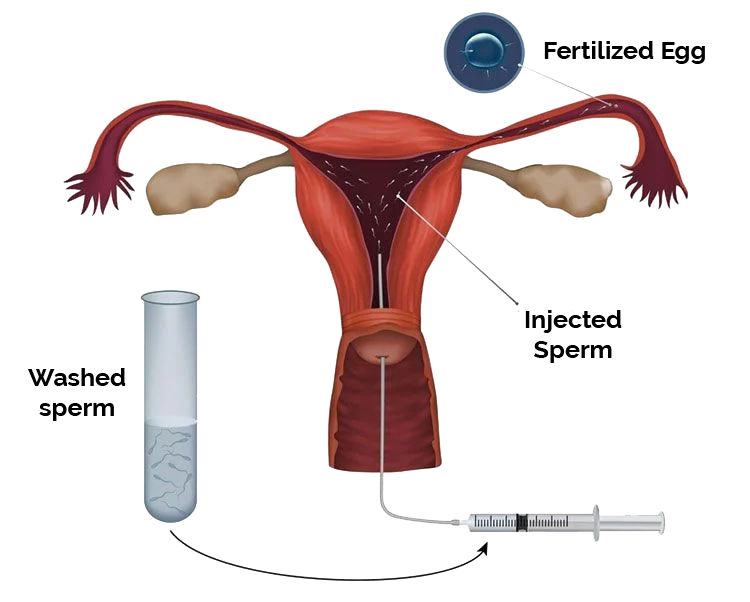
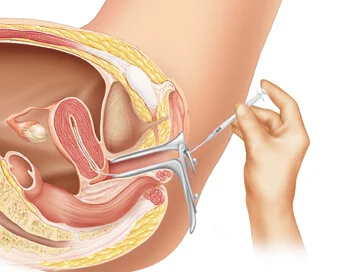
With the advancements in fertility testing technology, the treatment of infertility has also seen significant progress. For men, accurate diagnosis through advanced tests has allowed for targeted and effective treatments. Intrauterine insemination (IUI) and in-vitro fertilization (IVF) are two common treatments for male factor infertility that have been greatly improved by technology.
For women, tracking ovulation accurately has helped in timing intercourse and increasing the chances of conception. In addition, the development of assisted reproductive technologies (ART), such as IVF and intracytoplasmic sperm injection (ICSI), have revolutionized the treatment of female infertility. These procedures use advanced laboratory techniques to fertilize eggs with sperm outside of the body, providing hope for couples struggling to conceive.
In conclusion, technology has played a crucial role in the evolution of male and female fertility tests. From traditional methods to more advanced technologies, we have come a long way in accurately diagnosing fertility issues and providing effective treatments. With the continuous development of technology, we can expect even more advancements in the field of fertility testing, giving hope to couples who dream of starting a family.
Summary:
Technology has revolutionized the field of fertility testing, making it easier and more accurate to diagnose fertility issues in both men and women. Male fertility tests have evolved from simple semen analysis to advanced techniques like CASA and sperm DNA fragmentation tests. Female fertility tests, such as ovarian reserve tests and ovulation tracking, have also seen significant advancements with the help of technology. These improved tests have also led to more effective fertility treatments like IUI and IVF, providing hope for couples struggling with infertility. With continuous advancements, technology will continue to play a crucial role in the field of fertility testing and treatment.