Blog Post: The Impact of Environmental Toxins on Fertility and How to Detox Naturally
Infertility is a growing concern for many couples around the world. It is estimated that one in six couples struggle with fertility issues, and the number is only increasing. While there are various factors that can contribute to infertility, one often overlooked factor is environmental toxins. These toxins are harmful substances found in our air, water, food, and everyday products. They can disrupt our hormonal balance and have a significant impact on reproductive health. In this blog post, we will explore the effects of environmental toxins on fertility and share natural ways to detoxify our bodies to improve our chances of conceiving.
The Link Between Environmental Toxins and Fertility
Environmental toxins are present in our daily lives, and we are exposed to them in various ways. They can enter our bodies through the air we breathe, the food we eat, the water we drink, and even the products we use on our bodies. These toxins can accumulate in our bodies over time and have adverse effects on our reproductive health.
One of the main ways environmental toxins affect fertility is by disrupting our hormones. Hormones play a crucial role in the reproductive system, and any imbalance can lead to problems with ovulation, menstruation, and sperm production. Toxins such as pesticides, plastics, and heavy metals can mimic hormones in our bodies, leading to hormonal imbalances and fertility issues.
Another way environmental toxins can impact fertility is by damaging our eggs and sperm. These toxins can cause oxidative stress, which damages cells and DNA. This damage can affect the quality of eggs and sperm, making it challenging to conceive. Additionally, toxins can also lead to inflammation in the reproductive organs, making it harder for fertilization to occur.
Common Environmental Toxins that Affect Fertility
There are numerous environmental toxins that can harm our reproductive health. Some of the most common ones include:
1. Pesticides: These chemicals are widely used in agriculture and can be found in our food and water. Pesticides can disrupt hormone production and have been linked to decreased sperm quality and miscarriages.
2. Plastics: Plastic products contain chemicals such as BPA and phthalates, which can leach into our food and drinks. These chemicals can disrupt our hormones and affect fertility.
3. Heavy Metals: Exposure to heavy metals like lead, mercury, and cadmium can have adverse effects on fertility. These toxins can accumulate in the body and cause oxidative stress, leading to damage to eggs and sperm.
4. Air Pollution: The air we breathe contains harmful particles and chemicals that can affect our reproductive health. Studies have shown that exposure to air pollution can lead to decreased sperm quality and an increased risk of miscarriage.
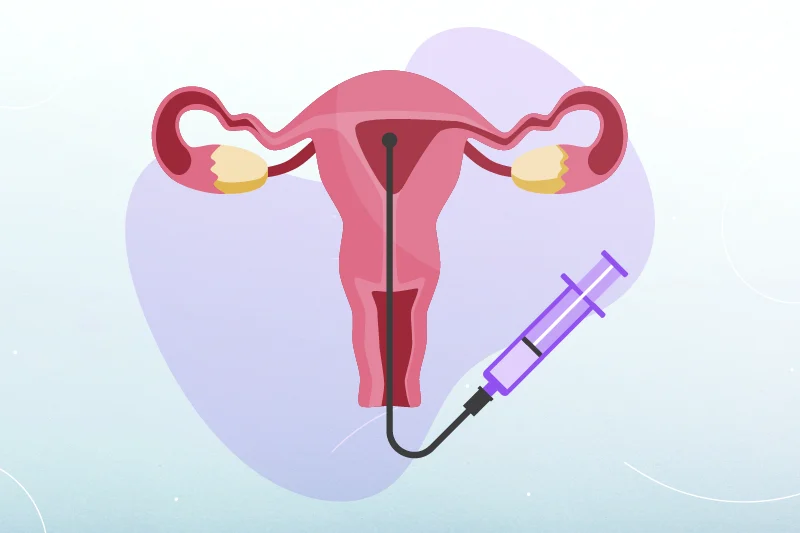
The Impact of Environmental Toxins on Fertility and How to Detox Naturally
5. Personal Care Products: Many personal care products, such as cosmetics, contain harmful chemicals like parabens and phthalates. These toxins can disrupt our hormones and affect fertility.
How to Detox Naturally to Improve Fertility
Now that we understand the impact of environmental toxins on fertility, it is essential to take steps to detoxify our bodies. Here are some natural ways to reduce our exposure to toxins and eliminate them from our bodies:
1. Eat Organic: Choosing organic fruits and vegetables can reduce our exposure to pesticides. It is also essential to wash non-organic produce thoroughly before consuming it.
2. Use Natural Products: Switching to natural and organic personal care products can help reduce our exposure to harmful chemicals. Look for products that are free from parabens, phthalates, and other toxins.
3. Filter Your Water: Investing in a good water filter can help eliminate harmful chemicals from your drinking water. This can reduce your exposure to toxins and improve your overall health.
4. Exercise Regularly: Regular exercise can help stimulate the lymphatic system, which is responsible for removing toxins from our bodies. It can also reduce stress, which can affect fertility.
5. Try Herbal Supplements: Certain herbs, such as milk thistle, dandelion root, and turmeric, have detoxifying properties and can help eliminate toxins from the body.
6. Practice Safer Cleaning: Many household cleaning products contain harmful chemicals. Switching to natural and non-toxic cleaners can help reduce your exposure to toxins.
7. Manage Stress: Chronic stress can affect hormone production and disrupt fertility. It is essential to manage stress through techniques like meditation, yoga, or therapy.
Summary:
Environmental toxins can have a significant impact on fertility by disrupting hormones, damaging eggs and sperm, and causing inflammation in the reproductive organs. Pesticides, plastics, heavy metals, air pollution, and personal care products are some of the most common toxins that can affect fertility. To reduce our exposure and eliminate toxins from our bodies, we can opt for organic food, natural products, water filters, regular exercise, herbal supplements, safer cleaning products, and stress management techniques.
In conclusion, environmental toxins are a critical factor to consider when dealing with fertility issues. By taking steps to detoxify our bodies naturally, we can improve our reproductive health and increase our chances of conceiving. Remember, small changes can make a big difference in reducing our exposure to harmful toxins and promoting overall wellness.