Tag: cultural differences

  • A Global Issue: Comparing Male and Female Infertility Treatments Around the World

    Summary:

    Infertility is a global issue affecting millions of couples around the world. While both men and women can experience fertility issues, the treatments available for each gender vary greatly. In this blog post, we will explore the different types of male and female infertility treatments available across the globe, as well as the cultural differences that may impact access and availability of these treatments.

    First, we will delve into the various treatments available for male infertility. This includes medical procedures such as varicocelectomy, which aims to repair enlarged veins in the scrotum, and intracytoplasmic sperm injection (ICSI), which involves injecting a single sperm into an egg. We will also discuss lifestyle changes and alternative therapies that may be recommended for male infertility, such as acupuncture and herbal remedies.

    Next, we will examine the treatments commonly used for female infertility. These include medications like Clomiphene and Gonadotropins, which stimulate ovulation, as well as more invasive procedures like in vitro fertilization (IVF) and intrauterine insemination (IUI). Additionally, we will discuss the use of donor eggs and surrogacy as options for women who are unable to conceive with their own eggs.
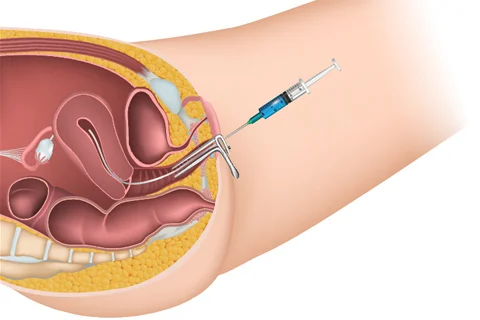
    illustration of intrauterine insemination procedure with a syringe and catheter in the uterus.

    A Global Issue: Comparing Male and Female Infertility Treatments Around the World

    The availability and access to these treatments can vary greatly from country to country, and cultural factors play a significant role. In some parts of the world, there may be limited resources and access to advanced fertility treatments, leading to a reliance on traditional and alternative methods. In other regions, cultural beliefs and societal pressures may impact the use of certain treatments, such as the reluctance to use donor eggs or surrogates.

    Another important aspect to consider is the cost of infertility treatments. In many countries, these treatments can be expensive and not covered by insurance, making it difficult for some couples to afford them. This can lead to couples seeking treatment abroad, where the cost may be lower. However, this also raises concerns about the quality and safety of these treatments in other countries.

    It is also worth noting that the success rates of fertility treatments can vary depending on the country. Factors such as the quality of healthcare, expertise of medical professionals, and the use of advanced technology can all impact the success rates of these treatments.

    In conclusion, male and female infertility treatments are available worldwide, but the access, availability, and success rates may differ depending on cultural and economic factors. It is important for couples struggling with infertility to do their research and consult with medical professionals to find the best treatment option for their specific situation.

    SEO metadata:
  • Navigating Cultural Differences: Artificial Insemination vs Natural Conception

    Blog Post:

    As technology continues to advance, the ways in which we create families are also changing. One area that has seen significant shifts in recent years is the process of conception. Traditionally, natural conception has been the only method of creating a child, but with the rise of artificial insemination, cultural differences have emerged on how families are formed. In this blog post, we will explore the cultural differences between artificial insemination and natural conception and how individuals and couples can navigate these differences.

    Artificial insemination, also known as assisted reproductive technology (ART), involves the use of medical procedures to fertilize an egg outside of the body and then implant it into the uterus. This can be done using a donor’s sperm or a partner’s sperm. On the other hand, natural conception is the process of fertilization occurring through sexual intercourse between a man and a woman. While the end result is the same – a child – the cultural implications and beliefs surrounding these methods can vary greatly.

    One of the main cultural differences between artificial insemination and natural conception is the role of technology. In many cultures, technology is seen as a tool to improve our lives, and therefore, artificial insemination is seen as a positive and helpful way to create a family. However, in other cultures, technology is viewed with suspicion and seen as interfering with the natural order of things. In these societies, natural conception is often seen as the only acceptable way to conceive a child.

    Another cultural difference is the role of genetics in creating a family. In many cultures, the idea of a bloodline and passing down family traits and traditions is highly valued. Therefore, using a donor’s sperm or egg through artificial insemination can be seen as a threat to this idea. In contrast, natural conception ensures that the child is genetically related to both parents, preserving the family’s bloodline.

    Religion also plays a significant role in cultural differences between artificial insemination and natural conception. Some religions have strict guidelines on how conception should occur, and these beliefs can influence an individual or couple’s decision on which method to use. For example, in some religions, artificial insemination using a donor’s sperm is considered a sin, while others see it as a gift from God to help infertile couples create a family.

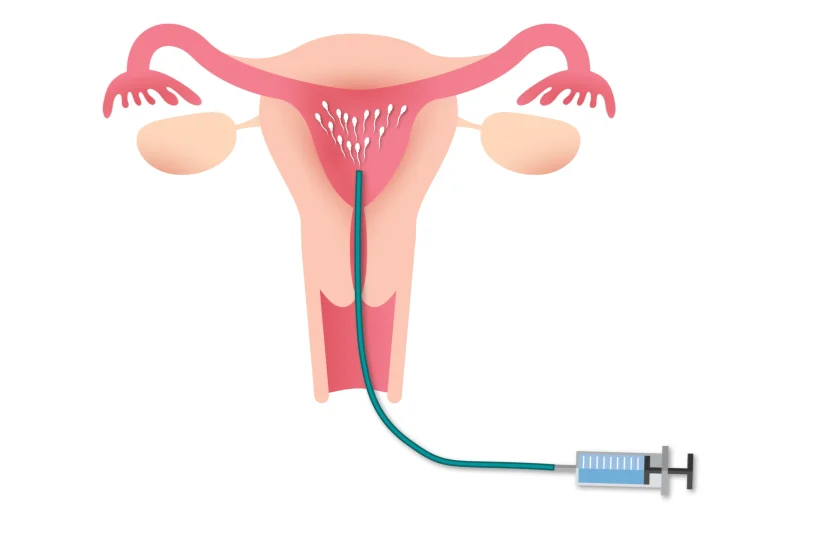
    diagram of a uterus with a syringe for intrauterine insemination procedure

    Navigating Cultural Differences: Artificial Insemination vs Natural Conception

    Moreover, cultural norms and values around gender roles can also impact the decision between artificial insemination and natural conception. In some cultures, the role of a man is to provide sperm for conception, and anything else is seen as a threat to his masculinity. This can lead to discomfort and resistance towards using artificial insemination. On the other hand, in cultures that value equality and shared responsibility in relationships, artificial insemination may be more readily accepted.

    In addition to these larger cultural differences, there are also personal and familial beliefs and values that can influence the decision between artificial insemination and natural conception. For some individuals and couples, the idea of creating a child through a medical procedure may be unsettling, and they may prefer the intimacy and natural process of conceiving a child through sexual intercourse. Others may feel that using artificial insemination is a way to ensure the health and well-being of their child by choosing a donor with desirable traits and characteristics.

    Navigating these cultural differences can be challenging, especially for couples in multicultural relationships. It is essential to have open and honest communication about beliefs and values surrounding conception and to respect each other’s perspectives. Seeking counseling or therapy can also be beneficial in understanding and addressing any cultural conflicts that may arise.

    In conclusion, the cultural differences between artificial insemination and natural conception are multifaceted and can vary greatly from culture to culture and individual to individual. Understanding and respecting these differences is crucial in navigating the decision-making process and creating a family. Whether through artificial insemination or natural conception, the most important thing is to create a loving and supportive environment for the child to grow and thrive in.

    Summary:

    As technology advances, the cultural differences between artificial insemination and natural conception have become more prominent. While some cultures embrace technology and view it as a helpful tool, others see it as interfering with the natural order. Additionally, beliefs about genetics, religion, and gender roles can also impact the decision between these two methods of conception. Navigating these cultural differences requires open communication and respect for each other’s perspectives. Ultimately, the most important thing is to create a loving and supportive environment for the child, regardless of the method of conception.