Tag: Coping with Stress

  • The Role of Stress in Male and Female Factor Infertility: Managing and Coping

    Blog Post:

    Infertility affects approximately 12% of couples worldwide and can be a difficult and emotionally taxing experience for both men and women. While there are various factors that can contribute to infertility, one that is often overlooked is stress. Stress can have a significant impact on both male and female fertility and it is important for couples to understand how to manage and cope with it in order to improve their chances of conceiving. In this blog post, we will explore the role of stress in male and female factor infertility and provide tips on how to manage and cope with it.

    The Impact of Stress on Male Factor Infertility:

    Stress can have a significant impact on male fertility by affecting sperm production, quality, and function. When a man is under stress, the body produces high levels of cortisol, commonly known as the stress hormone. This can lead to a decrease in the production of testosterone, which is crucial for sperm production. In addition, high levels of cortisol can also cause inflammation in the body, which can damage sperm cells and impair their ability to swim and fertilize an egg.

    Furthermore, stress can also affect the quality of sperm. Studies have shown that men who experience chronic stress have lower sperm counts and a higher percentage of abnormal sperm. This can significantly reduce the chances of successful fertilization and pregnancy.

    The Impact of Stress on Female Factor Infertility:

    In women, stress can have an impact on fertility in several ways. Firstly, stress can disrupt the hormonal balance in the body, leading to irregular or absent ovulation. This can make it difficult for women to conceive as ovulation is necessary for pregnancy to occur.

    Moreover, stress can also affect the lining of the uterus, making it difficult for a fertilized egg to implant and grow. In addition, stress can cause spasms in the fallopian tubes, which can interfere with the movement of the egg towards the uterus, further reducing the chances of conception.
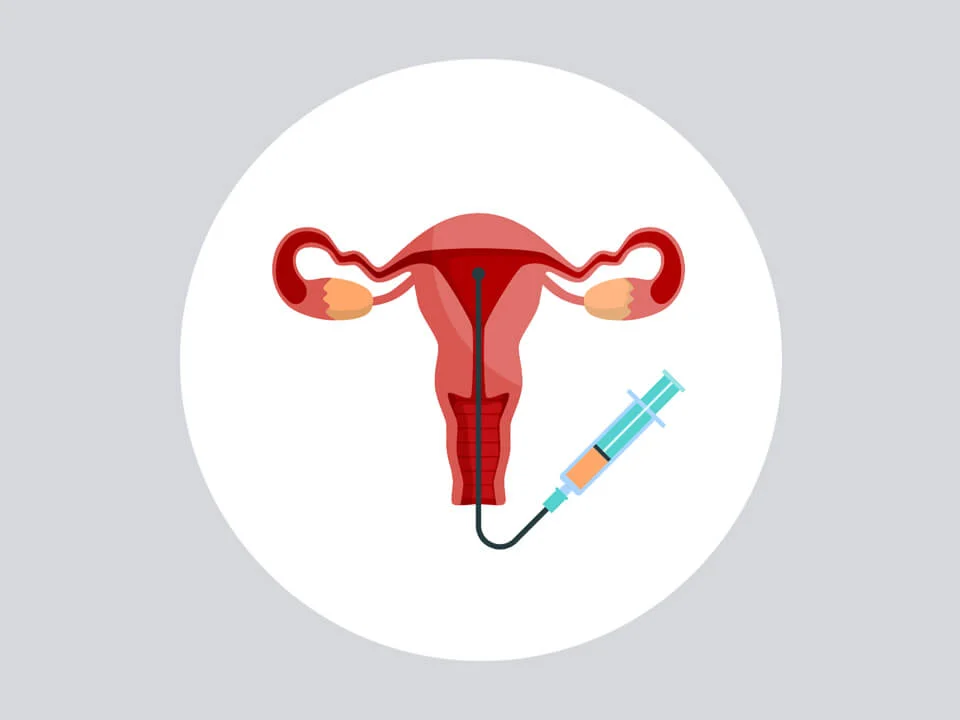
    Illustration of a uterus with a syringe, representing intrauterine insemination (IUI) procedure.

    The Role of Stress in Male and Female Factor Infertility: Managing and Coping

    Managing and Coping with Stress for Male and Female Factor Infertility:

    1. Communicate with your partner: Dealing with infertility can be a stressful and emotionally draining experience. It is important for couples to communicate openly and support each other during this time. Talk to your partner about your feelings, fears, and concerns. This can help alleviate stress and strengthen your relationship.

    2. Seek professional help: Dealing with infertility can be overwhelming and it is important to seek professional help if you are struggling to cope. A therapist or counselor can provide you with tools and techniques to manage stress and improve your overall well-being.

    3. Practice relaxation techniques: Engage in activities that help you relax and reduce stress, such as meditation, yoga, or deep breathing exercises. These techniques can help lower cortisol levels and promote feelings of calmness and well-being.

    4. Maintain a healthy lifestyle: Eating a balanced diet, exercising regularly, and getting enough sleep are all important in managing stress. A healthy lifestyle can also improve fertility by regulating hormone levels and promoting overall wellness.

    5. Seek support from others: Joining a support group or talking to others who are going through a similar experience can be helpful in managing stress. It can provide a sense of community and understanding, as well as valuable tips and advice.

    6. Consider alternative therapies: Some couples find relief from stress through alternative therapies such as acupuncture, massage, or aromatherapy. These therapies have been shown to reduce stress and promote relaxation, which can be beneficial for fertility.

    Summary:

    Infertility can be a difficult and emotionally draining experience for couples, and stress can play a significant role in both male and female factor infertility. Stress can affect male fertility by decreasing sperm production and quality, while in women it can disrupt ovulation and interfere with the implantation of a fertilized egg. To manage and cope with stress, it is important for couples to communicate, seek professional help, practice relaxation techniques, maintain a healthy lifestyle, seek support from others, and consider alternative therapies.
  • The Impact of Stress on Insemination Outcomes

    Blog Post:

    Insemination, also known as artificial insemination, is a widely used fertility treatment method for couples struggling with conception. It involves the placement of sperm directly into a woman’s reproductive tract, increasing the chances of fertilization. However, like any medical procedure, there are certain factors that can impact the success of insemination. One of these factors is stress.

    Stress is a common occurrence in our daily lives, and it can have a significant impact on our physical and mental well-being. It is a natural response to challenging or threatening situations, and it can manifest in various forms, including emotional, physical, and behavioral symptoms. While stress is a normal part of life, chronic or prolonged stress can have adverse effects on our health, including our reproductive system.

    When it comes to insemination, stress can have a significant impact on the overall outcome. Let’s take a closer look at how stress can affect the success of insemination and what steps can be taken to manage it.

    The Link Between Stress and Fertility:

    Before delving into the impact of stress on insemination outcomes, it’s essential to understand the link between stress and fertility. Studies have shown that stress can affect both male and female fertility. Chronic stress can lead to hormonal imbalances, which can disrupt ovulation, sperm production, and the overall reproductive process.

    For women, stress can cause irregular menstrual cycles, making it challenging to predict ovulation accurately. It can also affect the quality of eggs and cause implantation issues. In men, stress can lead to a decrease in sperm count, motility, and morphology, reducing the chances of successful fertilization.

    The Impact of Stress on Insemination Outcomes:

    When undergoing insemination, stress can have a direct impact on the success of the procedure. Firstly, stress can affect a woman’s ability to ovulate, making it difficult to time the insemination correctly. Ovulation is a crucial factor in insemination, and if it is disrupted due to stress, it can decrease the chances of fertilization.

    Moreover, stress can also affect the quality of sperm used in insemination. As mentioned earlier, chronic stress can lead to hormonal imbalances in men, resulting in a decline in sperm quality. This can ultimately reduce the chances of successful fertilization and pregnancy.

    Stress can also have an indirect impact on insemination outcomes. For couples undergoing fertility treatments, the process can be emotionally and physically taxing. The pressure to conceive and the constant cycle of hope and disappointment can cause significant stress. This stress can lead to decreased sexual desire and performance, affecting the timing of insemination and reducing the chances of success.

    Managing Stress during Insemination:

    Given the significant impact of stress on insemination outcomes, it is crucial to manage it effectively. Here are some tips to help you cope with stress during insemination:

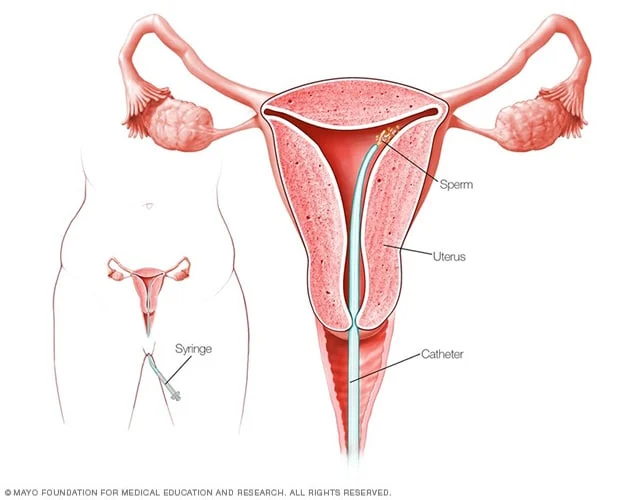
    diagram illustrating intrauterine insemination (IUI) procedure with uterus, sperm, and catheter labeled

    The Impact of Stress on Insemination Outcomes

    1. Communicate with your Partner:

    Going through fertility treatments can be a challenging and emotional experience for both partners. It’s essential to communicate openly and support each other during this process. Share your feelings and fears with your partner, and work together to find ways to manage stress.

    2. Seek Support:

    Don’t hesitate to seek support from family, friends, or a therapist during this process. Talking to someone can help alleviate stress and provide a much-needed outlet for your emotions.

    3. Practice Relaxation Techniques:

    Incorporate relaxation techniques such as deep breathing, meditation, or yoga into your daily routine. These techniques can help reduce stress levels and promote a sense of calm and well-being.

    4. Take Care of Your Physical Health:

    Stress can take a toll on our physical health, making it essential to take care of our bodies during insemination. Eat a healthy, balanced diet, exercise regularly, and get enough sleep to help manage stress levels.

    5. Consider Mind-Body Therapies:

    Mind-body therapies such as acupuncture, hypnotherapy, and cognitive-behavioral therapy have shown promising results in reducing stress and improving fertility outcomes. Consider incorporating these therapies into your treatment plan.

    Conclusion:

    Stress can have a significant impact on insemination outcomes, making it crucial to manage it effectively. By understanding the link between stress and fertility and implementing strategies to cope with stress, couples can improve their chances of success with insemination. Remember to communicate openly with your partner, seek support, and take care of your physical and emotional well-being during this process.

    Summary:

    Stress can have a significant impact on the success of insemination, a fertility treatment method used by couples struggling with conception. It can affect ovulation, sperm quality, and sexual performance, leading to lower chances of successful fertilization. To improve insemination outcomes, it’s essential to manage stress effectively by communicating with your partner, seeking support, practicing relaxation techniques, taking care of your physical health, and considering mind-body therapies.