Tag: coping with fertility treatments

  • The Emotional Impact of Fertility Medications vs Surgical Treatments

    Fertility struggles can be a challenging and emotionally taxing experience for individuals and couples. When faced with difficulties in conceiving, there are various treatment options available, such as fertility medications and surgical treatments. Both types of treatments have their own benefits and risks, but the emotional impact they have on individuals can differ greatly. In this blog post, we will explore the emotional impact of fertility medications vs surgical treatments, and how individuals can cope with the emotional rollercoaster that comes with these treatments.

    Fertility Medications:
    Fertility medications are often the first line of treatment for individuals seeking to conceive. These medications work by stimulating the ovaries to produce more eggs, increasing the chances of pregnancy. Some common fertility medications include Clomid, Letrozole, and Gonadotropins. While these medications can be effective in helping individuals conceive, they also come with a range of emotional side effects.

    One of the most common emotional side effects of fertility medications is mood swings. The hormonal changes caused by these medications can lead to increased irritability, mood swings, and even depression. This can be difficult for both the individual undergoing treatment and their partner, as it can put a strain on their relationship. In addition, the uncertainty and stress of not knowing if the treatment will be successful can also contribute to emotional distress.

    Another emotional impact of fertility medications is the feeling of loss of control. Unlike natural conception, where the timing and outcome are largely out of our hands, fertility medications involve a strict schedule and monitoring. This can make individuals feel like they have lost control over their own bodies and their fertility journey. This loss of control can lead to increased anxiety and feelings of helplessness.

    Surgical Treatments:
    If fertility medications are not successful, or if there are underlying medical conditions that prevent pregnancy, surgical treatments may be recommended. These treatments can include procedures such as intrauterine insemination (IUI), in vitro fertilization (IVF), and surgical interventions like laparoscopy or hysteroscopy. While surgical treatments can offer higher success rates, they also come with their own emotional impact.

    One of the most significant emotional impacts of surgical treatments is the financial burden. These treatments can be expensive, and often require multiple rounds before success. This can lead to added stress and pressure, as individuals and couples try to navigate the financial aspect of fertility treatments.
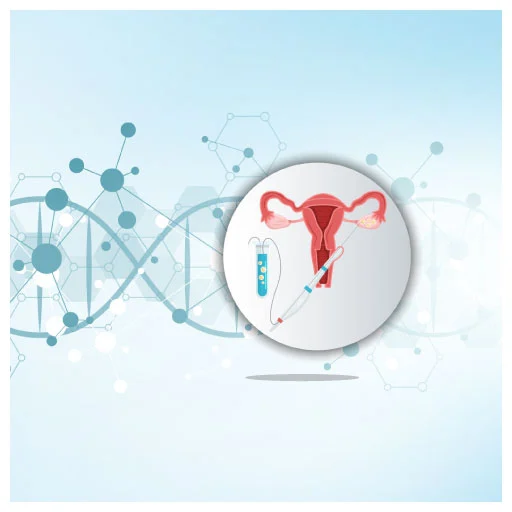
    Illustration of IUI procedure with uterus and syringe against a DNA background.

    The Emotional Impact of Fertility Medications vs Surgical Treatments

    Another emotional impact of surgical treatments is the physical toll it takes on the body. These procedures can be invasive and require a recovery period, which can be emotionally taxing for individuals. In addition, the uncertainty of whether the treatment will be successful or not can also contribute to feelings of anxiety and stress.

    Coping with Fertility Treatments:
    Dealing with the emotional impact of fertility treatments can be difficult, but there are ways to cope with these challenges. One of the most important things is to seek emotional support. Whether it is from a partner, family member, or therapist, having someone to talk to and lean on can make a significant difference in managing the emotional rollercoaster of fertility treatments.

    It is also essential to prioritize self-care during this time. Fertility treatments can be physically and emotionally draining, so it is crucial to take care of oneself. This can involve engaging in activities that bring joy and relaxation, such as yoga, meditation, or spending time with loved ones.

    Additionally, it is essential to have realistic expectations and be prepared for potential setbacks. Fertility treatments can be a long and challenging journey, and it is crucial to acknowledge that there may be bumps along the way. Having a support system and being mentally prepared for these challenges can help individuals cope better with the emotional impact of fertility treatments.

    In conclusion, fertility medications and surgical treatments can have a significant emotional impact on individuals seeking to conceive. While fertility medications can lead to mood swings and a loss of control, surgical treatments can bring financial and physical stress. However, with the right support and coping strategies, individuals can navigate these emotional challenges and continue their journey towards building a family.

    SEO metadata:
  • IUI vs Timed Intercourse: A Look at the Emotional and Psychological Impact of Fertility Treatments

    Blog Post Title: IUI vs Timed Intercourse: A Look at the Emotional and Psychological Impact of Fertility Treatments

    Introduction:

    Infertility is a common issue that affects millions of couples worldwide. It can be a physically and emotionally taxing journey, with many couples struggling to conceive despite numerous attempts. While there are various fertility treatments available, two of the most commonly used methods are Intrauterine Insemination (IUI) and Timed Intercourse. Both of these procedures involve the use of fertility drugs to stimulate the ovaries and improve the chances of conception. However, they differ in terms of the process and the emotional and psychological impact they can have on couples. In this blog post, we will take a closer look at IUI and Timed Intercourse and how they affect the emotional and psychological well-being of couples going through fertility treatments.

    The Process of IUI and Timed Intercourse:

    IUI is a relatively simple procedure that involves the insertion of washed sperm into the uterus through a catheter. It is typically performed around the time of ovulation, and fertility drugs may be used to stimulate the ovaries and increase the chances of pregnancy. On the other hand, Timed Intercourse is a more natural method that involves having sex during the woman’s fertile window, which is usually the five days leading up to ovulation. In this method, fertility drugs may also be used to stimulate ovulation.

    Emotional Impact of IUI:

    The emotional impact of IUI can vary from person to person, but it is often accompanied by feelings of hope, excitement, and anxiety. The process of IUI can be stressful, especially for couples who have been trying to conceive for a long time. The use of fertility drugs can also cause mood swings and emotional ups and downs, making the experience even more challenging. While the success rates of IUI are relatively low, many couples still cling to the hope that this procedure will be the one that leads to pregnancy. However, if the procedure fails, it can be emotionally devastating for couples, leading to feelings of disappointment, frustration, and even guilt.

    Psychological Impact of IUI:

    The psychological impact of IUI can be significant, as it often involves multiple attempts and can take a toll on a couple’s mental well-being. The constant monitoring of ovulation, the use of fertility drugs, and the invasive nature of the procedure can all contribute to feelings of stress and anxiety. Additionally, the financial strain of IUI can also add to the psychological burden, as it can be an expensive procedure that may not be covered by insurance. For couples who have been trying to conceive for a long time, the process of IUI can also bring up feelings of inadequacy and self-doubt, as they may question their fertility and their ability to become parents.

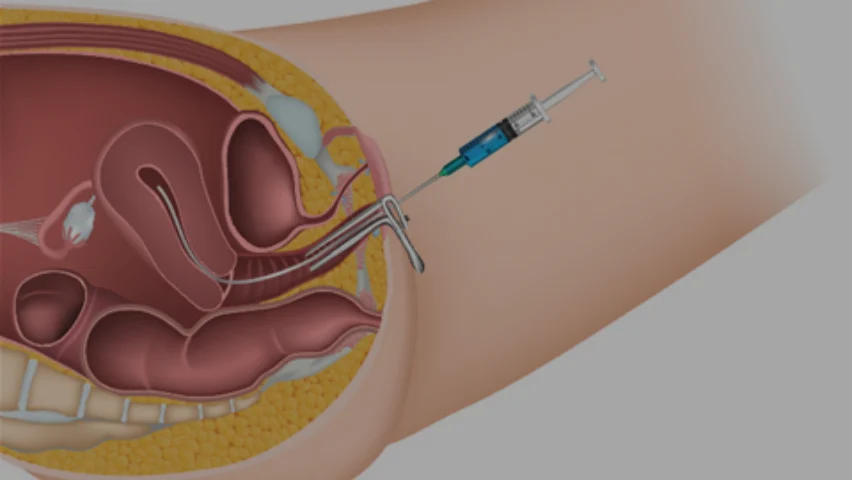
    Illustration of intrauterine insemination (IUI) procedure with syringe and catheter in the uterus.

    IUI vs Timed Intercourse: A Look at the Emotional and Psychological Impact of Fertility Treatments

    Emotional Impact of Timed Intercourse:

    Like IUI, Timed Intercourse can also bring about a range of emotions for couples. The initial excitement and hope of trying to conceive can quickly turn into feelings of frustration and disappointment if conception does not occur. For couples who have been trying to conceive for a long time, the pressure of having sex during the fertile window can also lead to feelings of stress and anxiety. Furthermore, the use of fertility drugs can cause mood swings and heightened emotions, adding to the emotional rollercoaster that many couples experience during this process.

    Psychological Impact of Timed Intercourse:

    Unlike IUI, Timed Intercourse is a more natural method of fertility treatment. However, this does not mean that it is any less challenging for couples. The constant pressure to have sex during the fertile window can take a toll on a couple’s mental well-being, as it can feel like a chore rather than an intimate act. The use of fertility drugs can also add to the psychological burden, as it may lead to feelings of disappointment and frustration if conception does not occur. Additionally, the unpredictability of the outcome can also cause stress and anxiety for couples, as they have no control over the success of the treatment.

    Coping with the Emotional and Psychological Impact of Fertility Treatments:

    Going through fertility treatments can be a difficult and emotional journey for couples, and it is essential to find ways to cope with the emotional and psychological impact. One of the most crucial factors is having a strong support system, whether it be a partner, family, or friends. It is also essential to communicate openly with your partner and seek professional counseling if needed. Additionally, engaging in stress-reducing activities such as yoga, meditation, or therapy can also help to cope with the emotional and psychological burden of fertility treatments.

    In conclusion, fertility treatments such as IUI and Timed Intercourse can have a significant emotional and psychological impact on couples. The process of trying to conceive can be physically and emotionally draining, and it is essential to find ways to cope with the emotional rollercoaster that comes with it. Whether you opt for IUI or Timed Intercourse, it is crucial to prioritize your mental health and seek support from loved ones and professionals to navigate this challenging journey.

    Summary:

    Infertility is a common issue that affects millions of couples worldwide. Two of the most commonly used fertility treatments are IUI and Timed Intercourse, both of which involve the use of fertility drugs to stimulate ovulation. However, these procedures can have a significant emotional and psychological impact on couples. The emotional impact of IUI and Timed Intercourse can include feelings of hope, excitement, and anxiety, while the psychological impact can range from stress and anxiety to feelings of inadequacy and self-doubt. It is essential to find ways to cope with these emotional and psychological burdens, such as having a strong support system, communicating openly with your partner, and engaging in stress-reducing activities.

  • The Impact of Stress: Coping with the Emotional and Physical Effects of Artificial Insemination and IVF

    Blog Post Title: The Impact of Stress: Coping with the Emotional and Physical Effects of Artificial Insemination and IVF

    Introduction:
    Infertility is a deeply personal and emotionally challenging experience for those struggling to conceive. In recent years, advancements in reproductive technology have provided new options for couples facing infertility, such as artificial insemination and in vitro fertilization (IVF). While these procedures offer hope for starting a family, they can also come with a significant amount of stress and emotional strain. In this blog post, we will explore the impact of stress on individuals going through artificial insemination and IVF, and discuss coping mechanisms to manage the emotional and physical effects.

    The Physical Effects of Stress on Artificial Insemination and IVF:
    The process of artificial insemination and IVF involves a series of medical procedures, medications, and hormonal injections. These can have a significant impact on the body, causing physical discomfort and side effects, such as bloating, cramping, and fatigue. Stress can exacerbate these symptoms and make the entire process more challenging for the body to handle.

    In a study conducted by the American Society for Reproductive Medicine, it was found that stress can affect the outcome of IVF treatment. Women who experienced high levels of stress during their treatment were less likely to become pregnant compared to those with lower stress levels. Stress can also lead to irregular menstrual cycles, making it more difficult to accurately time fertility treatments.

    Moreover, the medications used in artificial insemination and IVF can also have an impact on mental health. Hormonal injections can cause mood swings, irritability, and anxiety, which can intensify with added stress. These physical and emotional effects can take a toll on individuals undergoing fertility treatments and make the already challenging process even more difficult to cope with.

    The Emotional Effects of Stress on Artificial Insemination and IVF:
    The emotional toll of infertility and fertility treatments cannot be overlooked. The journey towards parenthood is often filled with hope, disappointment, and uncertainty. And when faced with the added stress of artificial insemination and IVF, individuals may experience a range of emotions, from anxiety and fear to sadness and anger.

    One of the most significant emotional effects of stress on artificial insemination and IVF is the feeling of failure. Many individuals may feel like they have failed at the one thing they are supposed to do naturally – conceive a child. This can lead to a sense of guilt, shame, and self-blame, which can further intensify stress levels.

    Moreover, the financial burden of fertility treatments can also add to the emotional stress. The cost of artificial insemination and IVF can be high, and many individuals may experience anxiety and worry about the financial strain it may put on their family. This added stress can take a toll on mental health and make it more challenging to cope with the emotional effects of fertility treatments.

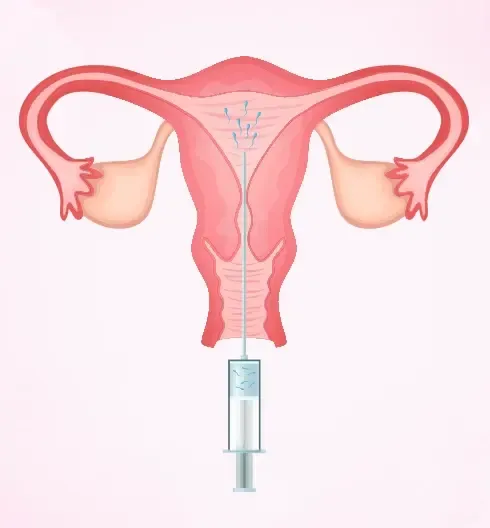
    Illustration of a uterus with a syringe indicating an intrauterine insemination procedure.

    The Impact of Stress: Coping with the Emotional and Physical Effects of Artificial Insemination and IVF

    Coping Mechanisms for Managing Stress:
    While stress is an inevitable part of the artificial insemination and IVF process, there are ways to manage its impact and improve overall well-being. Here are some coping mechanisms that can help individuals cope with the emotional and physical effects of fertility treatments.

    1. Seek Support: Going through fertility treatments can be a lonely and isolating experience. It is essential to seek support from friends, family, or a support group who can understand and empathize with what you are going through. Talking to someone can help alleviate stress and provide emotional relief.

    2. Practice Relaxation Techniques: Stress can take a toll on the mind and body, and it is essential to find ways to relax and unwind. Activities such as yoga, meditation, or deep breathing can help reduce stress levels and promote relaxation.

    3. Maintain a Healthy Lifestyle: Eating well, getting enough sleep, and exercising regularly can help improve overall well-being and reduce stress. It is essential to prioritize self-care and make healthy lifestyle choices during fertility treatments.

    4. Seek Professional Help: If stress and anxiety become overwhelming, it is crucial to seek professional help. A therapist or counselor can provide valuable support and guidance in managing stress and improving mental health.

    5. Be Kind to Yourself: The journey towards parenthood can be challenging, and it is essential to be kind to yourself. Be patient and forgiving with yourself, and remember that you are doing everything you can to achieve your dream of starting a family.

    In conclusion, artificial insemination and IVF can be emotionally and physically taxing for individuals struggling with infertility. The stress of the process can have a significant impact on both the mind and body, making it challenging to cope with the emotional and physical effects. However, by seeking support, practicing relaxation techniques, maintaining a healthy lifestyle, and being kind to oneself, individuals can manage stress and improve their overall well-being during fertility treatments.

    Summary:
    Infertility and fertility treatments, such as artificial insemination and IVF, can cause a significant amount of stress and emotional strain. The physical effects of stress on these procedures can lead to discomfort and impact their success, while the emotional effects can lead to feelings of failure, guilt, and anxiety. To manage stress during fertility treatments, individuals can seek support, practice relaxation techniques, maintain a healthy lifestyle, and be kind to themselves.