Tag: Comprehensive care

  • Fertility Clinics vs Hospitals: Which is Better for International Patients?

    Blog Post:

    For couples struggling with infertility, the decision to seek medical help is often a difficult one. And for international patients, this decision can become even more complicated when faced with the choice between fertility clinics and hospitals. Both options offer specialized care and advanced treatments, but which is better for international patients? In this blog post, we will explore the differences between fertility clinics and hospitals, and discuss the pros and cons of each for international patients.

    Fertility Clinics:

    Fertility clinics are specialized medical facilities that focus solely on reproductive health. They offer a wide range of treatments for both men and women, including in vitro fertilization (IVF), intrauterine insemination (IUI), and other assisted reproductive techniques. Fertility clinics are staffed by reproductive endocrinologists, urologists, embryologists, and other highly trained professionals who specialize in fertility treatments.

    Pros:

    1. Specialized Care: Fertility clinics have a dedicated team of experts who focus solely on reproductive health. This means that patients can expect to receive the highest level of specialized care and attention.

    2. Advanced Treatments: Fertility clinics are at the forefront of reproductive medicine and offer the latest and most advanced treatments for infertility. This includes cutting-edge technologies such as preimplantation genetic testing, egg freezing, and sperm donation.

    3. Personalized Treatment Plans: Fertility clinics understand that every patient is unique and therefore, offer personalized treatment plans tailored to each individual’s specific needs. This ensures that patients receive the most effective treatment for their particular situation.

    4. Support and Counseling: Infertility can take a toll on a person’s mental and emotional well-being. Fertility clinics offer support and counseling services to help patients cope with the emotional challenges of infertility and fertility treatments.

    Cons:

    1. Cost: Fertility treatments can be expensive, and international patients may face additional costs such as travel expenses and accommodation. This can make fertility clinics a costly option for international patients, especially if insurance does not cover the treatments.

    2. Limited Services: Fertility clinics specialize in reproductive health and may not offer other medical services that a hospital does. This means that if a patient requires additional medical care, they may have to seek treatment at another facility.

    Hospitals:

    Hospitals are large medical facilities that offer a wide range of medical services, including fertility treatments. They have a team of doctors and specialists who can provide comprehensive care for various health conditions.
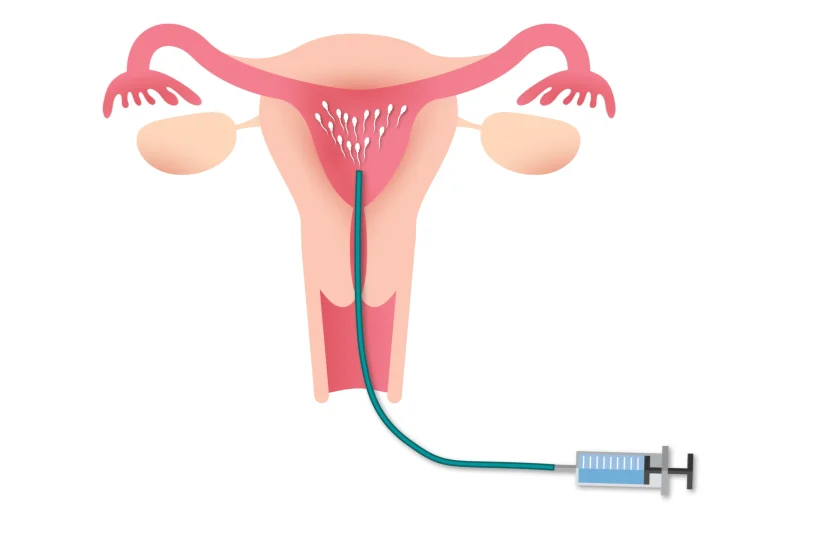
    diagram of a uterus with a syringe for intrauterine insemination procedure

    Fertility Clinics vs Hospitals: Which is Better for International Patients?

    Pros:

    1. Comprehensive Care: Hospitals offer a wide range of medical services, and if a patient requires additional medical care, they can receive it at the same facility. This can be beneficial for international patients who may require other treatments in addition to fertility treatments.

    2. Insurance Coverage: Hospitals are more likely to accept insurance coverage for fertility treatments, making it a more affordable option for international patients.

    3. Emergency Care: Hospitals have emergency departments and intensive care units, making them better equipped to handle any medical emergencies that may arise during fertility treatments.

    Cons:

    1. Less Specialized Care: Hospitals may not have a dedicated team of experts who specialize in reproductive health. This means that patients may not receive the same level of specialized care as they would at a fertility clinic.

    2. Long Waiting Times: Hospitals are large facilities that cater to a wide range of patients, which can result in longer waiting times for appointments and treatments.

    3. Limited Treatment Options: Hospitals may not offer the same range of advanced fertility treatments as fertility clinics, which could limit the options for international patients.

    Which is Better for International Patients?

    The answer to this question ultimately depends on the individual patient’s needs and preferences. Fertility clinics offer specialized care and advanced treatments for infertility, making them a great option for patients who require focused reproductive care. However, they can be costly and may not offer comprehensive medical services.

    On the other hand, hospitals provide a wide range of medical services and may be a more affordable option for international patients. However, they may not offer the same level of specialized care and may have longer waiting times.

    In conclusion, both fertility clinics and hospitals have their pros and cons for international patients seeking fertility treatments. It is essential for patients to research and consider their options carefully before making a decision. Consulting with a healthcare professional and seeking recommendations from other international patients can also be helpful in making an informed decision.

    Summary:

    For international patients seeking fertility treatments, the decision between fertility clinics and hospitals can be a tough one. Fertility clinics offer specialized care, advanced treatments, and personalized treatment plans, but can be costly. In contrast, hospitals offer comprehensive care, insurance coverage, and emergency services, but may not have the same level of specialized care. Ultimately, the best option for international patients will depend on their individual needs and preferences.
  • Fertility Clinics vs Hospitals: Which Has Better Options for Egg Freezing?

    Blog Post:

    Egg freezing, also known as oocyte cryopreservation, is a process in which a woman’s eggs are extracted, frozen, and stored for future use. This procedure has gained popularity in recent years as more women are choosing to delay starting a family for various reasons such as career advancement, financial stability, or personal reasons. As a result, fertility clinics and hospitals have started to offer egg freezing services to meet the growing demand. However, the question remains: which option has better options for egg freezing – fertility clinics or hospitals? In this blog post, we will explore the differences between the two and help you decide which option is best for you.

    Fertility Clinics: Specialized Expertise and Personalized Care

    Fertility clinics are specialized centers that focus solely on reproductive health and fertility treatments. They have a team of experts, including reproductive endocrinologists, fertility specialists, embryologists, and nurses, who are trained and experienced in all aspects of egg freezing. Fertility clinics offer a wide range of services, including fertility testing, egg retrieval, and embryo freezing.

    The primary advantage of choosing a fertility clinic for egg freezing is the specialized expertise they offer. These clinics have years of experience and expertise in reproductive health and fertility treatments, making them the ideal choice for women looking to preserve their fertility. They have state-of-the-art equipment and advanced techniques to ensure the best outcomes for their patients.

    Moreover, fertility clinics offer personalized care to their patients. They understand that every woman’s fertility journey is unique, and they tailor their treatment plans accordingly. This personalized approach allows for better communication between the patient and the fertility team, leading to a more comfortable and stress-free experience.

    Hospitals: Comprehensive Care and Higher Risk Patients

    On the other hand, hospitals are medical facilities that offer a wide range of healthcare services, including fertility treatments. While they may not specialize in reproductive health, they have the necessary equipment and expertise to provide egg freezing services.

    One of the main advantages of choosing a hospital for egg freezing is the comprehensive care they offer. As hospitals have various departments and specialties, they can provide additional services such as psychological counseling, nutrition counseling, and genetic testing. These services can be beneficial for women who may have underlying medical or genetic conditions that could affect their fertility.

    Hospitals also have the resources to cater to higher risk patients, such as women with cancer or other medical conditions. These patients may require more extensive monitoring and specialized care, which a hospital can provide.

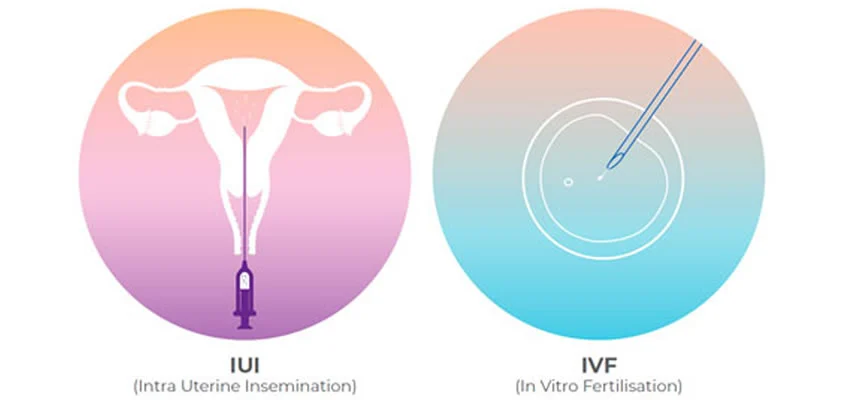
    comparison of IUI and IVF procedures illustrated with simple graphics and labels

    Fertility Clinics vs Hospitals: Which Has Better Options for Egg Freezing?

    Cost Comparison

    Cost is a significant factor when considering egg freezing, and it is often more expensive than traditional fertility treatments. Fertility clinics typically have a higher cost for egg freezing services compared to hospitals. This is because of the specialized care and expertise they offer. However, it is essential to consider that fertility clinics are more likely to have success rates for egg freezing, making the cost worth it in the long run.

    Hospitals, on the other hand, may have lower costs for egg freezing, but they may not have the same level of expertise and success rates as fertility clinics. It is crucial to consider the risks and potential outcomes when making a decision solely based on cost.

    Factors to Consider When Choosing Between Fertility Clinics and Hospitals

    When making a decision between fertility clinics and hospitals for egg freezing, there are several factors to consider:

    1. Expertise and Success Rates: Fertility clinics have specialized expertise in reproductive health and high success rates for egg freezing. Hospitals may not have the same level of expertise or success rates, but they can cater to higher risk patients.

    2. Personalized Care: Fertility clinics offer personalized care and a more intimate experience, compared to hospitals, which have a more clinical setting.

    3. Additional Services: Hospitals have the resources to offer additional services such as psychological counseling and genetic testing, which may be beneficial for some patients.

    4. Cost: Fertility clinics tend to have a higher cost for egg freezing compared to hospitals. However, it is essential to consider the success rates and long-term outcomes when making a decision based on cost.

    In summary, both fertility clinics and hospitals offer egg freezing services, but they have their unique differences. Fertility clinics provide specialized expertise, personalized care, and higher success rates, while hospitals offer comprehensive care and cater to higher risk patients. Ultimately, the decision depends on the individual’s needs, preferences, and budget.

    In conclusion, choosing between fertility clinics and hospitals for egg freezing is a personal decision and should be based on individual circumstances. Both options have their advantages and offer quality care, but it is crucial to consider factors such as expertise, success rates, personalized care, and cost when making a decision. Consulting with a fertility specialist and doing thorough research can help you make an informed decision and choose the best option for your needs.

  • The Pros and Cons of Fertility Clinics vs Hospitals

    Pros and Cons of Fertility Clinics vs Hospitals

    Fertility issues can be a sensitive and emotional topic for many couples. And when faced with the challenge of trying to conceive, many couples turn to fertility clinics or hospitals for assistance. Both options offer various treatments and services to help couples achieve their dream of starting a family. But which one is the better choice? In this blog post, we will discuss the pros and cons of fertility clinics versus hospitals to help you make an informed decision.

    Pros of Fertility Clinics:

    1. Specialization in Reproductive Health: Fertility clinics are specialized medical facilities that focus solely on reproductive health. They have a team of experts, including gynecologists, urologists, embryologists, and nurses, who have extensive knowledge and experience in treating fertility issues. This specialization allows them to provide personalized and specialized care to their patients.

    2. Advanced Technology and Techniques: Fertility clinics utilize advanced technology and techniques to diagnose and treat fertility problems. They have state-of-the-art equipment and tools, such as ultrasound machines, laparoscopes, and fertility drugs, to aid in the process. These advanced technologies and techniques increase the chances of success for couples seeking treatment.

    3. Wide Range of Treatments: Fertility clinics offer a variety of treatments, including in vitro fertilization (IVF), intrauterine insemination (IUI), egg freezing, and surrogacy. This wide range of treatments allows couples to choose the one that best suits their needs and preferences.

    4. Support and Counseling: Dealing with fertility issues can be emotionally challenging for couples. Fertility clinics provide support and counseling services to help couples cope with the stress and anxiety associated with fertility treatments. They also offer support groups and resources for couples, providing a sense of community and understanding.

    5. Privacy and Confidentiality: Fertility clinics understand the sensitive nature of fertility treatments and prioritize privacy and confidentiality. They have strict protocols in place to protect the privacy of their patients, ensuring a safe and comfortable environment for couples seeking treatment.

    Cons of Fertility Clinics:

    1. Cost: Fertility treatments can be expensive, and some couples may find it difficult to afford the high costs associated with fertility clinics. In addition to the cost of treatments, there may also be additional fees for consultations, medications, and procedures, which can add up quickly.

    2. Limited Availability: Fertility clinics may have limited availability, especially in rural areas. This can make it challenging for couples to access treatment, requiring them to travel long distances or relocate to a different city or state.

    3. High Emotional Investment: Fertility treatments can be emotionally taxing, and the high emotional investment can take a toll on couples. The process can be physically and mentally draining, and the constant ups and downs of treatment can be emotionally exhausting.

    IVF vs IUI comparison with illustrations of reproductive processes and a flower on a pregnant belly.

    The Pros and Cons of Fertility Clinics vs Hospitals

    Pros of Hospitals:

    1. Availability of Specialists: Hospitals have a wide range of specialists on staff, including reproductive endocrinologists who specialize in fertility treatments. This allows couples to have access to a team of experts who can address various health issues that may be contributing to fertility problems.

    2. Comprehensive Care: Hospitals offer comprehensive care for patients, including diagnostic testing, surgeries, and post-treatment follow-up. This means that couples can receive all their medical care in one location, making it more convenient and efficient.

    3. Insurance Coverage: Some insurance plans cover fertility treatments when performed in hospitals, making it a more affordable option for couples. This can significantly reduce the financial burden of seeking fertility treatment.

    4. Emergency Care: In case of any complications or emergencies, hospitals have the necessary resources and facilities to provide immediate care. This can provide peace of mind for couples undergoing fertility treatments.

    Cons of Hospitals:

    1. Lack of Specialization: While hospitals have reproductive endocrinologists on staff, they may not have the same level of specialization and expertise as fertility clinics. This can lead to a less personalized and tailored approach to treatment.

    2. Longer Wait Times: Hospitals are often busy and have longer wait times for appointments and procedures. This can be frustrating for couples who are eager to start their treatment journey.

    3. Limited Range of Treatments: Hospitals may not offer the same range of treatments as fertility clinics. This means that couples may not have access to more advanced or specialized treatments that could potentially increase their chances of success.

    Summary:

    Choosing between a fertility clinic and a hospital for fertility treatment requires careful consideration of the pros and cons of each option. Fertility clinics offer specialized care, advanced technology, and a wide range of treatments, but they can be costly and may have limited availability. On the other hand, hospitals offer comprehensive care, insurance coverage, and emergency care, but may lack specialization and have longer wait times. Ultimately, the decision will depend on the individual needs and preferences of each couple.

    In summary, fertility clinics and hospitals both have their own advantages and disadvantages, and the best choice will vary from couple to couple. It is essential to carefully weigh these pros and cons and consult with medical professionals to determine the best course of action for your unique situation.