Tag: complementary treatment

  • Exploring the Role of Acupuncture in Conjunction with Fertility Medications or Surgery

    Exploring the Role of Acupuncture in Conjunction with Fertility Medications or Surgery

    Infertility is a common issue that affects many couples around the world. According to the Centers for Disease Control and Prevention (CDC), approximately 6.1 million women in the United States between the ages of 15-44 have difficulty getting or staying pregnant. While there are various factors that can contribute to infertility, one treatment option that has gained attention and popularity in recent years is acupuncture. This ancient Chinese practice involves the insertion of thin needles into specific points in the body to stimulate and balance the flow of energy. But how effective is acupuncture when used in conjunction with fertility medications or surgery? In this blog post, we will explore the role of acupuncture in fertility and its potential benefits when used alongside traditional fertility treatments.

    Understanding Acupuncture and Fertility

    Acupuncture has been used for thousands of years in traditional Chinese medicine to treat a variety of health conditions. It is based on the belief that the body has a natural flow of energy, known as qi, that travels through channels called meridians. When this energy is disrupted or blocked, it can lead to illness and other health problems. Acupuncture aims to restore the flow of qi and bring the body back into balance.

    In terms of fertility, acupuncture is believed to help by regulating the hormones involved in the reproductive system, improving blood flow to the reproductive organs, and reducing stress and anxiety. Many practitioners also believe that acupuncture can help to increase the chances of successful conception by improving the quality of eggs and sperm.

    Acupuncture in Conjunction with Fertility Medications

    Fertility medications, such as Clomid, are commonly prescribed to women who are struggling to get pregnant. These medications work by stimulating the ovaries to produce more eggs, increasing the chances of conception. However, these medications can also have side effects such as headaches, mood swings, and bloating.
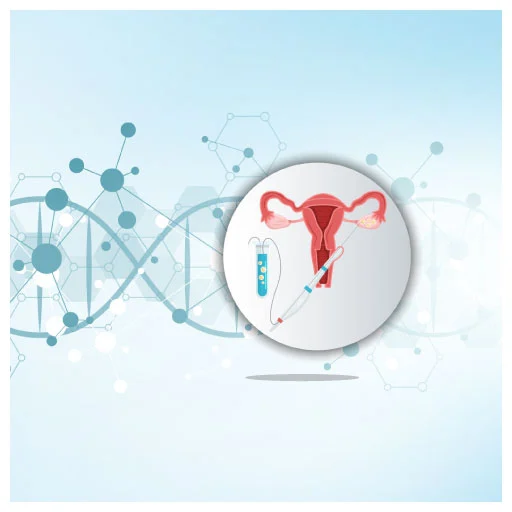
    Illustration of IUI procedure with uterus and syringe against a DNA background.

    Exploring the Role of Acupuncture in Conjunction with Fertility Medications or Surgery

    Studies have shown that acupuncture can help to alleviate these side effects and improve the chances of success when used alongside fertility medications. In a study published in the Journal of Complementary and Alternative Medicine, women who received acupuncture in conjunction with Clomid had a significantly higher pregnancy rate than those who only received Clomid treatment. This suggests that acupuncture can enhance the effectiveness of fertility medications and improve the chances of successful conception.

    Acupuncture in Conjunction with Fertility Surgery

    For some couples, fertility surgery may be necessary to address issues such as blocked fallopian tubes, fibroids, or endometriosis. While these procedures can improve the chances of pregnancy, they can also be physically and emotionally taxing. This is where acupuncture can play a role in supporting the body during and after surgery.

    Research has shown that acupuncture can help to reduce pain and inflammation, as well as improve wound healing. In a study published in the Journal of Alternative and Complementary Medicine, women who received acupuncture before and after laparoscopic surgery for endometriosis reported less pain and a faster recovery compared to those who did not receive acupuncture. Additionally, acupuncture has been found to improve sperm quality and motility in men who have had fertility surgery.

    The Benefits of Combining Acupuncture and Fertility Treatments

    There are several potential benefits to combining acupuncture with fertility medications or surgery. Firstly, acupuncture can help to reduce the side effects of fertility medications, making the process more comfortable for women. It can also improve the chances of success by regulating hormones and improving the quality of eggs and sperm. Furthermore, acupuncture can help to alleviate stress and anxiety, which can have a negative impact on fertility.

    Additionally, using acupuncture in conjunction with fertility treatments can also be more cost-effective in the long run, as it may reduce the need for multiple rounds of treatments. It can also provide a more holistic approach to fertility, addressing not only the physical but also the emotional and mental aspects of the journey.

    In conclusion, while more research is needed to fully understand the role of acupuncture in fertility, the evidence suggests that it can be a beneficial complementary treatment when used alongside traditional fertility medications or surgery. By regulating hormones, improving blood flow, reducing stress, and supporting the body during and after procedures, acupuncture can enhance the effectiveness of fertility treatments and improve the chances of successful conception.

  • Fertility Acupuncture for Egg Freezing: A Promising Option for Future Motherhood

    Blog Post:

    In recent years, egg freezing has become a popular option for women who want to preserve their fertility and have the option to become a mother in the future. This process involves retrieving a woman’s eggs from her ovaries and freezing them for potential use at a later time. While this technology has advanced significantly, many women are turning to alternative methods to enhance the success of egg freezing, such as fertility acupuncture. In this blog post, we will explore the benefits of fertility acupuncture for egg freezing and how it can be a promising option for future motherhood.

    What is Fertility Acupuncture?

    Acupuncture is a traditional Chinese medicine practice that involves inserting thin needles into specific points on the body to promote health and well-being. Fertility acupuncture, also known as reproductive acupuncture, is a specialized form of acupuncture that focuses on enhancing fertility and reproductive health. It has been used for centuries in China and is now gaining popularity in Western countries as a complementary treatment for fertility issues.

    How Does Fertility Acupuncture Work?

    According to Chinese medicine, the body has a flow of energy called Qi, which travels through channels known as meridians. When there is an imbalance or blockage in these meridians, it can lead to health issues, including fertility problems. Fertility acupuncture aims to restore the balance of Qi by stimulating specific points on the body, which can help regulate hormones, improve blood flow to the reproductive organs, and reduce stress and anxiety.

    Benefits of Fertility Acupuncture for Egg Freezing

    1. Enhances Egg Quality

    As women age, the quality of their eggs decreases, making it more challenging to achieve a successful pregnancy. Fertility acupuncture can improve egg quality by increasing blood flow to the ovaries, which provides them with essential nutrients and oxygen. It can also help reduce inflammation and oxidative stress, both of which can damage the eggs and decrease their quality.

    2. Regulates Hormonal Imbalances

    Hormonal imbalances can have a significant impact on a woman’s fertility and can make it more challenging to retrieve healthy eggs for freezing. Fertility acupuncture can help regulate the hormones involved in the menstrual cycle, such as estrogen and progesterone. By restoring hormonal balance, it can improve ovulation and promote the development of healthy eggs.

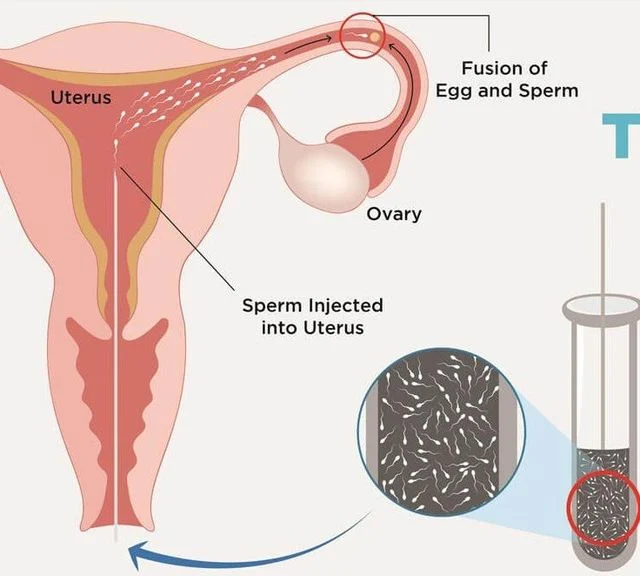
    Illustration of intrauterine insemination (IUI) procedure, showing sperm injection into the uterus.

    Fertility Acupuncture for Egg Freezing: A Promising Option for Future Motherhood

    3. Reduces Stress and Anxiety

    The process of egg freezing can be emotionally and physically taxing for women, causing stress and anxiety. Studies have shown that stress can affect fertility by disrupting hormone levels and reducing blood flow to the reproductive organs. Fertility acupuncture can help reduce stress and anxiety by promoting relaxation and releasing endorphins, which are natural mood-boosting hormones.

    4. Improves the Success of Egg Retrieval

    The success of egg freezing depends on the number and quality of eggs retrieved. Fertility acupuncture can increase the number of eggs produced during a stimulation cycle, leading to a higher chance of retrieving healthy eggs. It can also improve the quality of the eggs, increasing the likelihood of a successful thaw and fertilization in the future.

    5. Complements Western Fertility Treatments

    Many women who choose to freeze their eggs also undergo other fertility treatments, such as in vitro fertilization (IVF). Fertility acupuncture can be used as a complementary treatment to enhance the effectiveness of these procedures. It can help prepare the body for IVF by improving egg quality, reducing stress, and regulating hormones. It can also be used during the IVF process to help reduce side effects and improve the chances of success.

    Is Fertility Acupuncture Safe for Egg Freezing?

    Fertility acupuncture is generally considered safe when performed by a licensed and experienced practitioner. However, it is essential to consult with a fertility specialist before starting any alternative treatments, as they can provide personalized recommendations and ensure they do not interfere with the egg freezing process.

    In conclusion, fertility acupuncture can be a promising option for women who are considering egg freezing for future motherhood. It can improve egg quality, regulate hormones, reduce stress and anxiety, and enhance the success of egg retrieval. As a complementary treatment, it can improve the overall effectiveness of egg freezing and other fertility procedures. If you are considering egg freezing, speak to your fertility specialist about incorporating fertility acupuncture into your treatment plan.

    Summary:

    Egg freezing has become a popular option for women who want to preserve their fertility for future motherhood. To enhance the success of this process, many women are turning to fertility acupuncture, a traditional Chinese medicine practice that involves stimulating specific points on the body to promote health and well-being. Fertility acupuncture can improve egg quality, regulate hormones, reduce stress and anxiety, and enhance the success of egg retrieval. As a complementary treatment, it can also improve the overall effectiveness of egg freezing and other fertility procedures. However, it is essential to consult with a fertility specialist before starting any alternative treatments.

  • Fertility Acupuncture and Egg Quality: What You Need to Know

    Blog Post Title: Fertility Acupuncture and Egg Quality: What You Need to Know

    Fertility is a deeply personal and often complex journey for many individuals and couples. When it comes to trying to conceive, one of the key factors that can greatly impact success is the quality of a woman’s eggs. In recent years, there has been a growing interest in the use of acupuncture as a complementary treatment for fertility, particularly in regards to improving egg quality. In this blog post, we will explore the connection between fertility acupuncture and egg quality and what you need to know if you are considering this treatment option.

    What is Acupuncture?

    Acupuncture is an ancient Chinese medical practice that involves the insertion of thin needles into specific points on the body. These points are believed to correspond to different organs and systems in the body, and the stimulation of these points is thought to help balance the flow of energy, or Qi, throughout the body. Traditional Chinese medicine views fertility as a reflection of overall health and well-being, and acupuncture aims to restore balance and promote optimal functioning of the reproductive system.

    How Does Acupuncture Affect Egg Quality?

    Acupuncture has been shown to have a number of potential benefits for fertility, including improving ovarian function and regulating menstrual cycles. But when it comes to egg quality, the research is still limited. Some studies have suggested that acupuncture may help improve egg quality by increasing blood flow to the ovaries and improving hormone levels. It may also help reduce stress, which can have a negative impact on fertility and egg quality.

    One of the key benefits of acupuncture for egg quality is its ability to regulate the body’s stress response. Chronic stress can lead to an increase in cortisol levels, which can interfere with the production and release of reproductive hormones. This imbalance can have a direct impact on the quality of eggs produced. Acupuncture has been shown to help reduce stress levels and promote relaxation, which can help restore the body’s natural hormonal balance and improve egg quality.

    In addition, acupuncture may also help improve blood flow to the ovaries, which is crucial for the delivery of nutrients and oxygen to developing follicles. This can help nourish the eggs and promote their development and maturation. Acupuncture may also help stimulate the release of endorphins, which can have a positive effect on the body’s immune system and may help protect eggs from damage caused by free radicals.

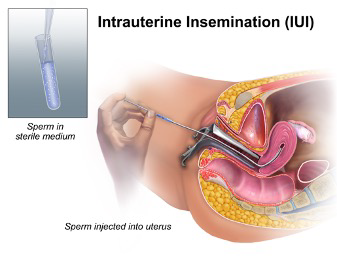
    Illustration of intrauterine insemination (IUI) procedure with syringe and catheter in the uterus.

    Fertility Acupuncture and Egg Quality: What You Need to Know

    What to Expect During a Fertility Acupuncture Session

    If you are considering fertility acupuncture as a means to improve egg quality, it is important to find a licensed and experienced acupuncturist who specializes in fertility. During your first session, your acupuncturist will conduct a thorough assessment of your overall health and fertility history. They may also perform a physical exam and ask questions about your lifestyle and diet.

    The acupuncture treatment itself involves the insertion of thin, sterile needles into specific points on the body. These points may be located on the abdomen, legs, feet, hands, or ears, depending on your specific needs. The needles are typically left in place for 20-30 minutes, during which time you will be able to relax and rest. Some people may experience a slight tingling or warmth around the needles, but the treatment is generally painless.

    It is important to note that acupuncture should not be used as a stand-alone treatment for fertility. It is best used in conjunction with other fertility treatments, such as in vitro fertilization (IVF) or intrauterine insemination (IUI). Your acupuncturist will work closely with your fertility doctor to create a treatment plan that is tailored to your specific needs and goals.

    Other Ways to Improve Egg Quality

    While acupuncture may be a beneficial tool in improving egg quality, it is not the only factor to consider. It is important to also focus on overall lifestyle factors, such as diet, exercise, and stress management. A healthy and balanced diet, rich in antioxidants, can help protect eggs from damage and promote their development. Regular exercise can also help improve blood flow and reduce stress levels. Additionally, practicing relaxation techniques, such as meditation or yoga, can help reduce stress and promote hormonal balance.

    In conclusion, the use of acupuncture as a complementary treatment for fertility is a growing trend, with some studies suggesting its potential benefits for improving egg quality. However, more research is needed to fully understand the mechanisms behind how acupuncture affects fertility and egg quality. If you are considering acupuncture as part of your fertility journey, it is important to consult with a licensed acupuncturist and work closely with your fertility doctor to create a comprehensive treatment plan.

    In summary, acupuncture may be a helpful tool in improving egg quality by promoting relaxation, regulating the stress response, and improving blood flow to the ovaries. However, it should be used in conjunction with other fertility treatments and overall lifestyle changes for optimal results.

  • Fertility Acupuncture for Unsuccessful IVF: Is It Worth Trying?

    Fertility Acupuncture for Unsuccessful IVF: Is It Worth Trying?

    In recent years, more and more couples have turned to in vitro fertilization (IVF) as a solution for their struggles with fertility. While IVF can be a successful option for some, it is not a guaranteed solution for everyone. For those who have tried IVF multiple times without success, the idea of fertility acupuncture as an alternative treatment may be intriguing. But is it worth trying?

    Acupuncture, a form of traditional Chinese medicine, has been used for centuries to treat a variety of health issues, including fertility. It involves placing thin needles into specific points on the body to stimulate energy flow and promote healing. In recent years, there has been growing interest in the use of acupuncture for fertility, particularly as a complementary treatment to IVF.

    Many studies have examined the effectiveness of acupuncture in improving IVF success rates, and the results have been mixed. Some studies have shown a significant increase in pregnancy rates for those who received acupuncture during IVF treatment, while others have shown no significant difference. So, what is the truth about fertility acupuncture for unsuccessful IVF? Let’s take a closer look.

    How Does Acupuncture Help with Fertility?

    According to traditional Chinese medicine, the body has a vital energy called Qi (pronounced “chee”) that flows through channels or meridians. When there is a blockage or disruption in the flow of Qi, it can lead to illness and disease. Acupuncture aims to restore the balance of Qi in the body by stimulating specific points along these meridians.

    In terms of fertility, acupuncture is believed to help by:

    1. Regulating Hormones: Acupuncture can help regulate the hormones responsible for ovulation, which can improve egg quality and increase the chances of fertilization.

    2. Increasing Blood Flow to the Reproductive Organs: Acupuncture has been shown to improve blood flow to the uterus and ovaries, which can help with the development of follicles and thickening of the uterine lining.

    3. Reducing Stress: The process of IVF can be stressful, and stress has been linked to lower success rates. Acupuncture can help reduce stress and anxiety, creating a more relaxed and receptive environment for the embryo to implant.

    4. Improving Sperm Quality: Acupuncture has also been shown to improve sperm count and motility, which can increase the chances of fertilization.

    Diagram illustrating the IUI process, showing sperm injection into the uterus and egg fertilization.

    Fertility Acupuncture for Unsuccessful IVF: Is It Worth Trying?

    Is Fertility Acupuncture Effective for Unsuccessful IVF?

    As mentioned earlier, the results of studies on the effectiveness of fertility acupuncture for unsuccessful IVF have been mixed. However, there are some factors to consider when interpreting these results.

    Firstly, the quality of the acupuncture treatment and the experience of the acupuncturist can play a significant role in its effectiveness. It is essential to find a licensed acupuncturist with experience in treating fertility issues.

    Secondly, the timing of acupuncture sessions is crucial. Research has shown that receiving acupuncture before and after embryo transfer can significantly improve pregnancy rates. Therefore, it is recommended to start acupuncture at least three months before beginning IVF treatment.

    Lastly, acupuncture may not be effective for everyone. Factors such as age, underlying medical conditions, and the cause of infertility can also impact its effectiveness.

    Should You Try Fertility Acupuncture for Unsuccessful IVF?

    The decision to try fertility acupuncture for unsuccessful IVF ultimately depends on the individual and their unique circumstances. It is essential to consult with a qualified acupuncturist and discuss your medical history and goals before starting treatment.

    If you have already undergone multiple unsuccessful IVF cycles, it may be worth trying acupuncture as a complementary treatment. It can help improve your overall physical and emotional well-being and create a more favorable environment for a successful outcome.

    However, it is vital to keep in mind that fertility acupuncture is not a guaranteed solution, and it may not work for everyone. It is crucial to manage your expectations and remain open to other options.

    In conclusion, fertility acupuncture may be worth trying for those who have had unsuccessful IVF cycles. While it may not be a miracle cure, it can offer many benefits and potentially increase the chances of a successful pregnancy. As with any medical treatment, it is essential to do your research, consult with a professional, and make an informed decision.

    Summary:

    Fertility acupuncture, a form of traditional Chinese medicine, has been used for centuries to treat a variety of health issues, including fertility. It involves placing thin needles into specific points on the body to stimulate energy flow and promote healing. While studies have shown mixed results, acupuncture may help with fertility by regulating hormones, increasing blood flow to the reproductive organs, reducing stress, and improving sperm quality. The decision to try fertility acupuncture for unsuccessful IVF ultimately depends on the individual and their unique circumstances. It is essential to consult with a qualified acupuncturist and manage expectations while remaining open to other options.