Tag: Clomid

  • Fertility Medications: Understanding the Options for Male and Female Factor Infertility

    Blog Post:

    Fertility Medications: Understanding the Options for Male and Female Factor Infertility

    Infertility affects millions of couples worldwide, with approximately 1 in 8 couples struggling to conceive. While infertility can be caused by a variety of factors, one of the most common causes is male and female factor infertility. In these cases, fertility medications can be a helpful tool in helping couples achieve their dream of parenthood. In this blog post, we will dive into the different types of fertility medications available for both men and women, their uses, and potential side effects.

    Fertility Medications for Women

    1. Clomiphene Citrate (Clomid)

    Clomiphene Citrate, commonly known as Clomid, is a medication used to treat ovulation disorders in women. It works by stimulating the ovaries to release an egg, increasing the chances of conception. This medication is taken orally and is usually the first line of treatment for women with ovulation issues. It is also often used in combination with other fertility treatments such as intrauterine insemination (IUI) or in vitro fertilization (IVF).

    2. Gonadotropins

    Gonadotropins are injectable medications that contain follicle-stimulating hormone (FSH) and luteinizing hormone (LH). These hormones play a crucial role in the development of eggs in the ovaries. Gonadotropins are often used in women who do not respond well to Clomid or have other fertility issues such as polycystic ovary syndrome (PCOS). These medications require close monitoring and can increase the risk of multiple pregnancies.

    3. Metformin

    Metformin is a medication commonly used to treat type 2 diabetes, but it can also be beneficial for women with PCOS. PCOS is a condition that affects a woman’s hormone levels, leading to irregular periods and ovulation issues. Metformin can help regulate hormone levels and improve ovulation in women with PCOS, increasing their chances of conception.

    4. Letrozole

    Letrozole is another medication used to treat ovulation disorders in women. It works by inhibiting estrogen production, leading to an increase in FSH and LH levels, which can help stimulate ovulation. This medication is often used in women who do not respond well to Clomid or have other fertility issues.

    Fertility Medications for Men
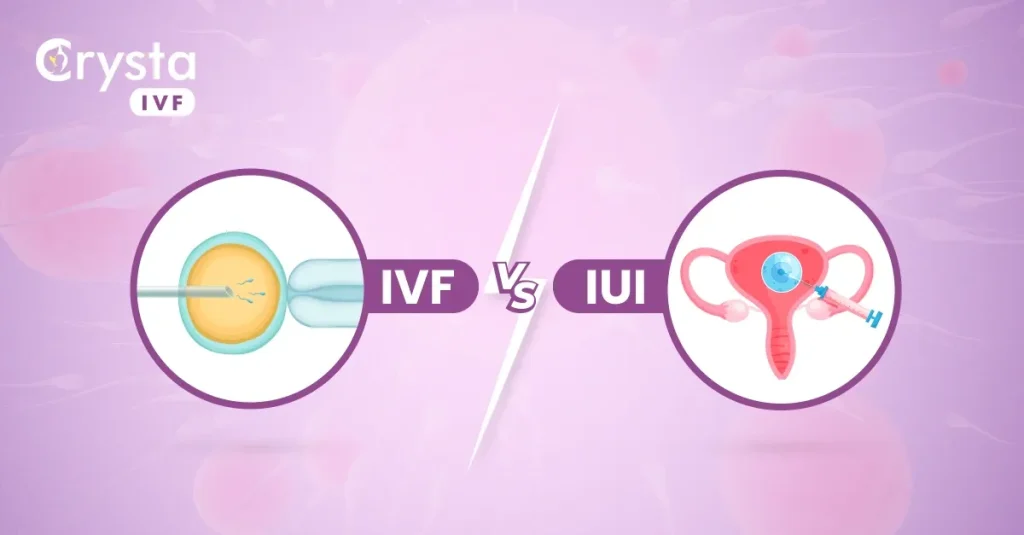
    Comparison of IVF and IUI procedures with illustrations of each method.

    Fertility Medications: Understanding the Options for Male and Female Factor Infertility

    1. Human Chorionic Gonadotropin (HCG)

    Human Chorionic Gonadotropin (HCG) is a hormone that is naturally produced in the body. In men, it can help stimulate the testicles to produce testosterone and increase sperm production. HCG is often used in combination with other medications to treat male factor infertility.

    2. Clomiphene Citrate (Clomid)

    While Clomid is primarily used in women, it can also be beneficial for men with low testosterone levels and sperm count. By stimulating the production of testosterone, it can help improve sperm count and motility, increasing the chances of conception.

    3. Anastrozole

    Anastrozole is a medication used to treat breast cancer, but it can also be helpful in treating male factor infertility. It works by inhibiting estrogen production, leading to an increase in testosterone levels, which can improve sperm production.

    4. Bromocriptine

    Bromocriptine is a medication used to treat high levels of prolactin in the body. High levels of prolactin can interfere with the production of testosterone, leading to male factor infertility. By lowering prolactin levels, Bromocriptine can help improve sperm production and increase the chances of conception.

    Side Effects of Fertility Medications

    As with any medication, fertility medications can have potential side effects. Some common side effects of fertility medications for women include hot flashes, mood swings, bloating, and headaches. In some cases, these medications can also increase the risk of multiple pregnancies. For men, side effects may include acne, breast enlargement, and mood changes.

    It is essential to discuss potential side effects with your doctor and monitor your body’s response to the medication closely. If you experience severe side effects, it is essential to contact your doctor immediately.

    In conclusion, fertility medications can be a valuable tool in helping couples struggling with male and female factor infertility to achieve their dream of parenthood. From stimulating ovulation in women to increasing sperm production in men, these medications have been proven to be effective in helping couples conceive. However, it is crucial to work closely with a fertility specialist and monitor your body’s response to these medications to achieve the best possible outcome.

    Summary:

    Infertility affects millions of couples worldwide, and one of the most common causes is male and female factor infertility. In these cases, fertility medications can be a helpful tool in helping couples achieve their dream of parenthood. For women, medications like Clomid, Gonadotropins, Metformin, and Letrozole can help stimulate ovulation. In men, HCG, Clomid, Anastrozole, and Bromocriptine can improve sperm production. It is essential to discuss potential side effects with a fertility specialist and closely monitor the body’s response to these medications.
  • The Role of Fertility Medications in Assisted Reproductive Techniques

    Blog Post:

    Assisted reproductive techniques (ART) have revolutionized the way couples struggling with infertility can achieve their dream of parenthood. One of the key components of ART is the use of fertility medications, which play a crucial role in stimulating the ovaries and increasing the chances of successful conception. In this blog post, we will dive into the role of fertility medications in ART and how they work to help couples achieve their goal of starting a family.

    First, it’s important to understand the different types of fertility medications used in ART. The most commonly used medications are clomiphene citrate, gonadotropins, and aromatase inhibitors. Each of these medications works in a different way, but their main goal is to stimulate the ovaries to produce multiple eggs, increasing the chances of fertilization and pregnancy.

    Clomiphene citrate, also known as Clomid, is an oral medication that works by blocking estrogen receptors in the brain. This leads to an increase in follicle-stimulating hormone (FSH) and luteinizing hormone (LH), which are essential for ovulation. Clomid is usually the first medication prescribed for women with ovulatory disorders, such as polycystic ovary syndrome (PCOS).

    Gonadotropins, on the other hand, are injectable medications that contain FSH and/or LH. These medications directly stimulate the ovaries to produce multiple eggs, and they are often used in women who do not respond to Clomid or have more severe ovulation issues. Gonadotropins can also be used in combination with other ART procedures, such as intrauterine insemination (IUI) or in vitro fertilization (IVF).

    Aromatase inhibitors, such as letrozole, are a newer class of fertility medications that work by inhibiting the production of estrogen. This leads to an increase in FSH and LH, similar to how Clomid works. Aromatase inhibitors are often used in women with PCOS, as they have shown to be more effective than Clomid in this specific group of women.

    Now, let’s discuss how these medications are used in different ART procedures. In IUI, fertility medications are used to stimulate the ovaries to produce multiple eggs. These eggs are then released during ovulation and are timed to coincide with the insemination procedure. This increases the chances of successful fertilization.

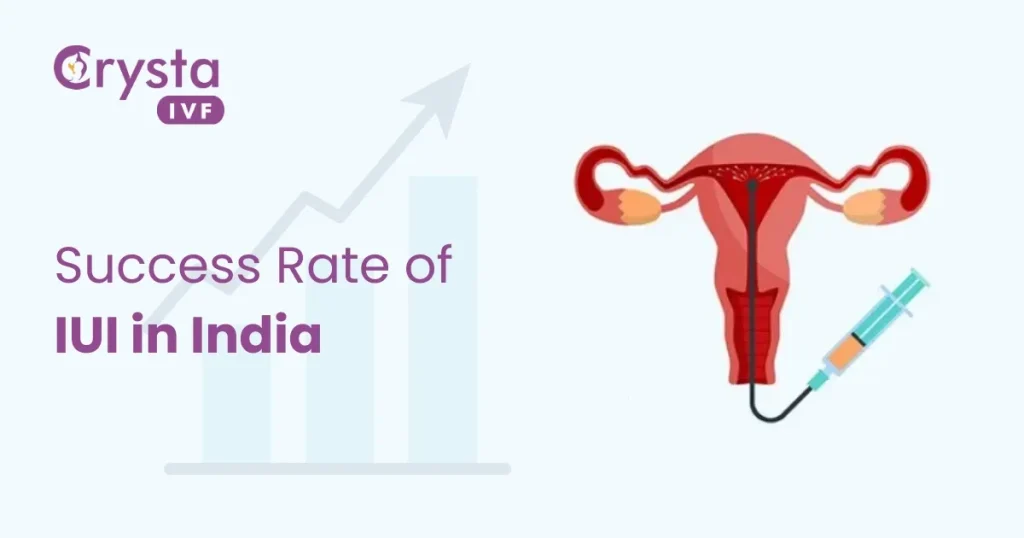
    success rate of IUI in India with a graphic of a uterus and syringe alongside a rising graph

    The Role of Fertility Medications in Assisted Reproductive Techniques

    In IVF, fertility medications are used to stimulate the ovaries to produce multiple eggs. However, in this procedure, the eggs are retrieved directly from the ovaries and fertilized in a laboratory setting. This allows for more control over the number and quality of eggs retrieved, increasing the chances of successful fertilization and implantation.

    Fertility medications can also play a role in other ART procedures, such as frozen embryo transfer (FET) and intracytoplasmic sperm injection (ICSI). In FET, medications are used to prepare the uterus for embryo transfer, ensuring the best environment for implantation. In ICSI, medications are used to stimulate the ovaries and retrieve eggs, which are then fertilized with a single sperm in a laboratory.

    Apart from stimulating the ovaries, fertility medications also play a crucial role in controlling the timing of ovulation. Ovulation is crucial in ART procedures, as it ensures that the eggs are released at the right time for fertilization. Fertility medications help to regulate the timing of ovulation, making it easier to schedule procedures such as IUI and IVF.

    While fertility medications are an essential part of ART, they also come with potential side effects. The most common side effects include bloating, breast tenderness, mood swings, and headaches. In rare cases, fertility medications can also lead to ovarian hyperstimulation syndrome (OHSS), which can be potentially dangerous. However, with proper monitoring and dosage adjustments, the risk of side effects can be minimized.

    In conclusion, fertility medications play a crucial role in ART by stimulating the ovaries and controlling the timing of ovulation. They are used in various ART procedures to increase the chances of successful conception and pregnancy. However, it’s important to work closely with a fertility specialist to ensure safe and effective use of these medications.

    Summary:

    Fertility medications are an essential part of assisted reproductive techniques (ART) and play a crucial role in stimulating the ovaries and controlling the timing of ovulation. Clomiphene citrate, gonadotropins, and aromatase inhibitors are the most commonly used medications in ART and work by increasing the production of hormones necessary for ovulation. These medications are used in various ART procedures, such as IUI and IVF, to increase the chances of successful conception and pregnancy. However, they also come with potential side effects, and it’s important to work closely with a fertility specialist to ensure safe and effective use.

  • Fertility Acupuncture vs Clomid: Which is More Effective?

    Blog Post:

    Fertility issues can be a major source of stress and heartache for many couples trying to conceive. In the pursuit of finding a solution, there are various methods and treatments available, including fertility acupuncture and Clomid. Both have been known to help increase fertility and improve the chances of conception. But which one is more effective? In this blog post, we will delve into the world of fertility treatments and compare the benefits and effectiveness of fertility acupuncture vs Clomid.

    What is Fertility Acupuncture?

    Fertility acupuncture is a form of traditional Chinese medicine that involves the insertion of thin needles into specific points on the body to stimulate energy flow. This ancient practice has been used for centuries to treat various health conditions, including fertility issues. According to traditional Chinese medicine, the body has a flow of energy called Qi, and when this flow is disrupted, it can lead to health problems.

    Acupuncture aims to restore the balance of Qi in the body by targeting specific points along channels called meridians. In terms of fertility, acupuncture is believed to improve blood flow to the reproductive organs, regulate hormone levels, and reduce stress and anxiety, all of which can contribute to fertility issues.

    What is Clomid?

    Clomid, also known as clomiphene citrate, is a medication commonly prescribed for women who have trouble ovulating. It works by stimulating the release of hormones that are necessary for ovulation to occur. Clomid is taken orally and is commonly prescribed for women with polycystic ovary syndrome (PCOS) or unexplained fertility issues.

    Fertility Acupuncture vs Clomid: Effectiveness

    When it comes to effectiveness, both fertility acupuncture and Clomid have shown promising results in helping women conceive. However, studies have shown that acupuncture may be more effective than Clomid in certain cases.

    One study published in the Journal of Alternative and Complementary Medicine found that women who received acupuncture treatments had a significantly higher pregnancy rate compared to those who received fertility medications, including Clomid. Another study published in the Journal of Chinese Medicine also reported higher pregnancy rates in women who received acupuncture compared to those who took Clomid.

    Furthermore, acupuncture has been found to be particularly effective for women with PCOS. A study published in the American Journal of Physiology-Endocrinology and Metabolism found that acupuncture helped to regulate hormone levels and improve ovulation in women with PCOS, resulting in a higher pregnancy rate.

    On the other hand, Clomid has been found to be more effective in women with unexplained fertility issues. A study published in the New England Journal of Medicine found that Clomid was more effective than a placebo in helping women with unexplained infertility conceive.

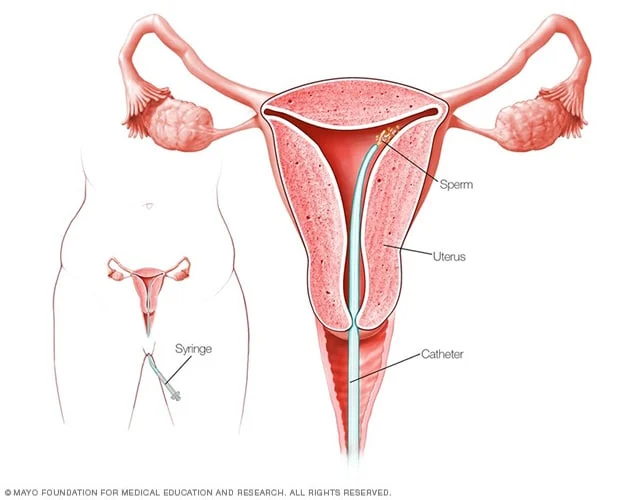
    diagram illustrating intrauterine insemination (IUI) procedure with uterus, sperm, and catheter labeled

    Fertility Acupuncture vs Clomid: Which is More Effective?

    Benefits and Side Effects

    Both fertility acupuncture and Clomid have their own set of benefits and potential side effects. Acupuncture has been found to be a natural and non-invasive method of increasing fertility. It has no known side effects and can also help to reduce stress and anxiety, which can potentially impact fertility.

    Clomid, on the other hand, is a medication that can have potential side effects, including hot flashes, headaches, nausea, and mood swings. It also has a higher risk of multiple pregnancies, which can lead to complications during pregnancy and delivery.

    In terms of cost, acupuncture sessions can range from $60 to $150 per session, and multiple sessions may be needed. Clomid, on the other hand, can cost around $50 to $100 for a one-month supply. However, the overall cost of fertility treatments can vary depending on individual needs and insurance coverage.

    Which is More Effective: Fertility Acupuncture or Clomid?

    The answer to this question ultimately depends on individual circumstances and needs. For women with PCOS, fertility acupuncture may be more effective in regulating hormone levels and increasing ovulation. On the other hand, Clomid may be a better option for women with unexplained fertility issues.

    It is also important to note that fertility acupuncture and Clomid can be used together for optimal results. Studies have shown that combining acupuncture with fertility medications, such as Clomid, can further increase pregnancy rates.

    Conclusion

    Overall, both fertility acupuncture and Clomid have shown promising results in helping women conceive. Acupuncture may be more effective for women with PCOS, while Clomid may be more effective for those with unexplained fertility issues. It is important to consult with a healthcare provider to determine the best treatment option for individual needs.

    In the end, the most important factor is to find a treatment that works for you and your partner, and to stay positive and hopeful on your journey towards parenthood.

    Summary:

    Fertility acupuncture and Clomid are two treatments commonly used to increase fertility and improve the chances of conception. Fertility acupuncture involves the insertion of thin needles into specific points on the body to stimulate energy flow, while Clomid is a medication that stimulates ovulation. Both have shown promising results, with studies suggesting that acupuncture may be more effective for women with PCOS, while Clomid may be more effective for those with unexplained fertility issues. It is important to consult with a healthcare provider to determine the best treatment option for individual needs.