Tag: chronic health conditions

  • The Impact of Underlying Health Conditions on At-Home Insemination Success Rates

    Blog Post:

    In recent years, at-home insemination has become a popular option for couples and individuals trying to conceive. This method involves using a syringe or cervical cap to transfer sperm into the vagina, eliminating the need for medical intervention. While the success rates for at-home insemination are generally good, there are certain factors that can affect its effectiveness. One of the most significant factors is underlying health conditions. In this blog post, we will explore the impact of underlying health conditions on at-home insemination success rates.

    Understanding At-Home Insemination and its Success Rates

    Before delving into the impact of underlying health conditions, it is essential to have a basic understanding of at-home insemination and its success rates. At-home insemination involves manually inserting sperm into the vagina, usually using a sterile syringe or cervical cap. This method is often used by same-sex couples, single individuals, or couples with male fertility issues. The success rates of at-home insemination can vary, but it is generally estimated to have a success rate of 10-15% per cycle.

    Factors Affecting At-Home Insemination Success Rates

    There are several factors that can affect the success rates of at-home insemination. These include the timing and frequency of insemination, the quality of sperm, ovulation timing, and underlying health conditions. While some of these factors can be managed, underlying health conditions can significantly impact the success of at-home insemination.

    Impact of Underlying Health Conditions on At-Home Insemination Success Rates

    1. Hormonal Imbalances

    Hormonal imbalances can significantly affect the success rates of at-home insemination. Hormones play a vital role in regulating ovulation, and any imbalances can disrupt the ovulation cycle. For example, conditions such as polycystic ovary syndrome (PCOS) can cause irregular ovulation, making it challenging to time insemination correctly. This can decrease the chances of success and may require medical intervention to regulate ovulation.

    2. Endometriosis

    Endometriosis is a condition where tissue similar to the lining of the uterus grows outside of the uterus. This can cause pain, discomfort, and infertility. In cases of severe endometriosis, the adhesions can block sperm from reaching the egg, making it difficult for at-home insemination to be successful. In such cases, medical intervention may be necessary to remove the adhesions and improve the chances of conceiving.

    3. Uterine Abnormalities

    Uterine abnormalities, such as fibroids or polyps, can also affect the success rates of at-home insemination. These growths can interfere with the implantation of a fertilized egg or block the sperm from reaching the egg. Depending on the severity and location of the abnormality, medical procedures may be needed to correct the issue and improve the chances of conceiving.

    4. Cervical Issues

    Cervical issues, such as an incompetent cervix or cervical stenosis, can also impact the success rates of at-home insemination. An incompetent cervix is when the cervix opens too early during pregnancy, leading to a miscarriage. Cervical stenosis, on the other hand, is a condition where the cervix becomes narrow, making it difficult for sperm to pass through. These issues may require medical intervention and monitoring to ensure successful pregnancy.
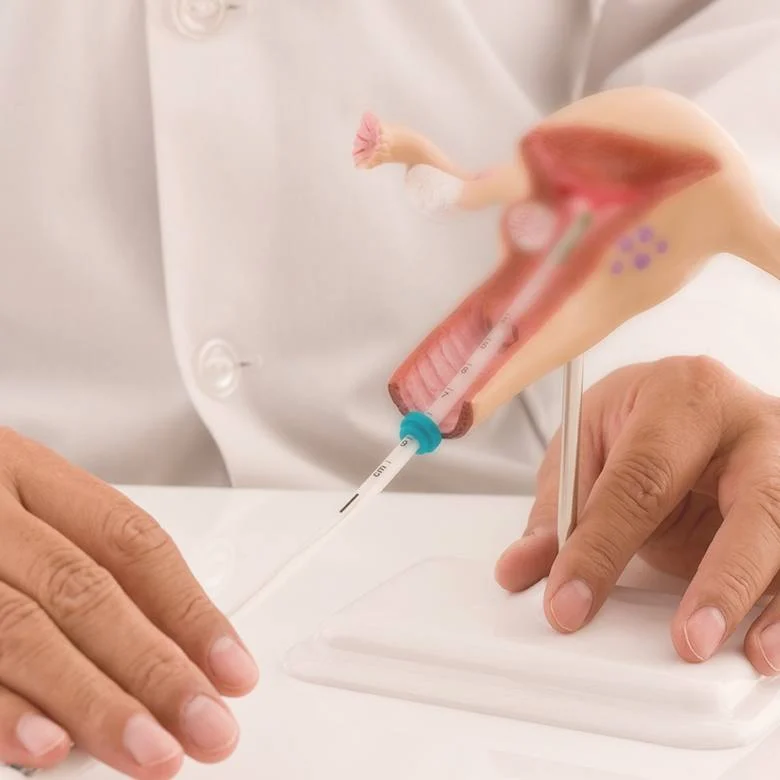
    model of the female reproductive system with a hand demonstrating intrauterine insemination technique

    The Impact of Underlying Health Conditions on At-Home Insemination Success Rates

    5. Chronic Health Conditions

    Chronic health conditions, such as diabetes, thyroid disorders, or autoimmune diseases, can also affect the success rates of at-home insemination. These conditions can cause hormonal imbalances, affect ovulation, or impact the quality of sperm. In such cases, it is essential to work closely with a healthcare provider to manage the condition and improve the chances of success.

    Managing Underlying Health Conditions for Successful At-Home Insemination

    While underlying health conditions can impact the success rates of at-home insemination, it is not impossible to conceive. With proper management, many individuals and couples have successfully conceived through at-home insemination despite underlying health conditions. Here are some tips for managing underlying health conditions for successful at-home insemination:

    1. Seek Medical Advice

    Before attempting at-home insemination, it is essential to consult with a healthcare provider. They can help identify any underlying health conditions that may affect the success of at-home insemination and provide possible solutions.

    2. Monitor Ovulation Closely

    For individuals with hormonal imbalances or conditions such as PCOS, it is crucial to monitor ovulation closely. This can help determine the best time for insemination and increase the chances of success.

    3. Consider Alternative Insemination Methods

    In some cases, at-home insemination may not be the most suitable option. In such cases, alternative insemination methods such as intrauterine insemination (IUI) or in vitro fertilization (IVF) may be recommended by a healthcare provider.

    4. Make Lifestyle Changes

    Certain lifestyle factors, such as smoking, excessive alcohol consumption, and a poor diet, can affect fertility and the success rates of at-home insemination. Making healthy lifestyle choices can improve overall health and increase the chances of conceiving.

    In conclusion, while at-home insemination can be a viable option for many individuals and couples, underlying health conditions can significantly impact its success rates. It is crucial to seek medical advice, monitor ovulation closely, and make necessary lifestyle changes to improve the chances of success. With proper management and support, at-home insemination can be a successful and fulfilling way to start a family.

    Summary:

    At-home insemination is a popular method for individuals and couples trying to conceive. However, the success rates of this method can be affected by various factors, including underlying health conditions. Hormonal imbalances, endometriosis, uterine abnormalities, cervical issues, and chronic health conditions can all impact the success rates of at-home insemination. To increase the chances of success, it is essential to seek medical advice, monitor ovulation closely, consider alternative insemination methods, and make healthy lifestyle choices.
  • Fertility Preservation for Men with Chronic Health Conditions: Ensuring Future Options

    Fertility Preservation for Men with Chronic Health Conditions: Ensuring Future Options

    Fertility is a fundamental part of human existence, and for many men, the ability to have children is a crucial aspect of their lives. However, for men living with chronic health conditions, the possibility of infertility can be a significant concern. Chronic health conditions can affect a man’s reproductive health in various ways, including causing hormonal imbalances, impairing sperm production, and affecting sexual function. These conditions can also have a significant impact on a man’s mental and emotional well-being, as the fear of losing their ability to have children can be overwhelming. In such cases, fertility preservation can provide a glimmer of hope by offering options for men to have biological children in the future. In this blog post, we will explore the concept of fertility preservation for men with chronic health conditions and how it can help ensure future options for fatherhood.

    Understanding Fertility Preservation

    Fertility preservation is the process of saving reproductive cells, such as sperm or eggs, or reproductive tissue, such as testicular or ovarian tissue, for later use. It is a way to protect fertility in individuals who are at risk of losing their ability to have children due to medical treatments, genetic conditions, or other reasons. Fertility preservation has been primarily associated with women, but it is equally important for men, especially those with chronic health conditions that may affect their fertility.

    Types of Chronic Health Conditions That Can Affect Male Fertility

    There are various chronic health conditions that can affect male fertility. These conditions can be present at birth, developed during childhood, or acquired later in life. Some of the most common chronic health conditions that can impact male fertility include:

    1. Diabetes: Diabetes is a chronic health condition that affects the body’s ability to produce or use insulin, which regulates blood sugar levels. High blood sugar levels can damage blood vessels and nerves, leading to erectile dysfunction and reduced sperm quality.

    2. Hypertension: High blood pressure is another common chronic health condition that can affect male fertility. It can cause damage to blood vessels, leading to reduced blood flow to the reproductive organs and impairing sperm production.

    3. Cancer: Certain types of cancer, such as testicular cancer, can directly affect the reproductive organs and impair sperm production. Additionally, cancer treatments like chemotherapy and radiation can also damage sperm cells and impact fertility.

    4. Autoimmune disorders: Autoimmune disorders, such as lupus and rheumatoid arthritis, can cause inflammation and damage to the reproductive organs, leading to infertility.

    5. Kidney disease: Chronic kidney disease can affect reproductive hormones, leading to hormonal imbalances that can impair sperm production and cause erectile dysfunction.

    Fertility Preservation Options for Men with Chronic Health Conditions

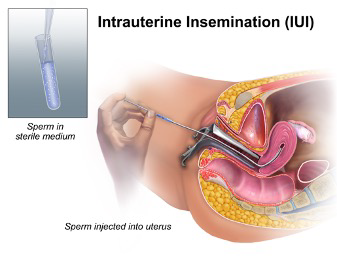
    Illustration of intrauterine insemination (IUI) procedure, showing sperm injection into the uterus.

    Fertility Preservation for Men with Chronic Health Conditions: Ensuring Future Options

    For men with chronic health conditions who are concerned about their fertility, there are several options for preserving their reproductive cells or tissue. These include:

    1. Sperm cryopreservation: Sperm cryopreservation, also known as sperm freezing, is the most common and widely available method of fertility preservation for men. It involves collecting and freezing a man’s sperm, which can then be used for assisted reproductive techniques in the future.

    2. Testicular sperm extraction (TESE): TESE is a surgical procedure in which a small tissue sample is taken from the testicles and examined for the presence of viable sperm. If sperm is found, it can be used for in vitro fertilization (IVF) or intracytoplasmic sperm injection (ICSI).

    3. Testicular tissue cryopreservation: This method involves removing and freezing a small piece of testicular tissue, which contains sperm-producing cells. This tissue can be used in the future for sperm extraction or transplanted back into the body.

    4. Hormone therapy: In some cases, hormone therapy may be used to stimulate sperm production in men with hormonal imbalances caused by chronic health conditions.

    Benefits of Fertility Preservation for Men with Chronic Health Conditions

    The primary benefit of fertility preservation for men with chronic health conditions is the opportunity to have biological children in the future. For many men, the thought of losing their ability to have children can be devastating, and fertility preservation provides a sense of control and hope for the future. It also allows men to focus on their health without worrying about their fertility being affected by their treatments or conditions. Additionally, fertility preservation can prevent the need for donor sperm or adoption, which may not be feasible or desirable for some men.

    Challenges and Considerations

    Despite its numerous benefits, fertility preservation for men with chronic health conditions also poses some challenges and considerations. One of the main challenges is the cost, as fertility preservation procedures can be expensive and may not be covered by insurance. Additionally, some procedures, such as TESE, may require invasive surgeries, which can pose a risk for individuals with certain health conditions. It is essential to discuss all potential risks and costs with a healthcare provider and a fertility specialist before making a decision about fertility preservation.

    Final Thoughts

    Fertility preservation is a crucial option for men with chronic health conditions who wish to have children in the future. It is a way to safeguard their reproductive potential and provide hope for fatherhood. However, it is essential to understand that fertility preservation is not a guarantee of future fertility, and success rates may vary depending on the individual’s health and other factors. Therefore, it is crucial to have open and honest discussions with healthcare providers and fertility specialists to determine the best course of action for each individual.

    In conclusion, for men with chronic health conditions, fertility preservation offers a ray of hope for their future family planning. By understanding the options available and considering all factors, men can make informed decisions about their fertility and ensure future options for fatherhood.