Tag: child’s well-being

  • The Legalities of DIY Insemination: Ensuring a Safe and Secure Process for All Parties Involved

    Blog Post:

    DIY insemination, also known as at-home insemination, is a method of conception that involves using a sperm donor to fertilize an egg without medical assistance. This process has become increasingly popular among individuals and couples who are looking to start a family on their own terms, without the involvement of a traditional fertility clinic. While DIY insemination can be a viable option for many, it is important to understand the legalities involved in order to ensure a safe and secure process for all parties involved.

    Legal Considerations for Sperm Donors:

    The first and most important aspect to consider in DIY insemination is the legal implications for sperm donors. In most countries, the person who provides the sperm is legally recognized as the father of the child, unless proven otherwise. This means that without proper legal documentation, a sperm donor may have legal rights and responsibilities towards the child, such as financial support and custody. It is crucial for sperm donors to understand and protect their legal rights before agreeing to donate sperm.

    One way to protect the rights of sperm donors is through a written agreement between all parties involved. This agreement should clearly outline the intention of the donor to have no legal rights or responsibilities towards the child. It should also address any potential legal implications, such as parental rights and financial obligations. It is recommended to seek legal advice when drafting such an agreement to ensure that it is legally binding and enforceable.

    Legal Considerations for Recipients:

    On the other hand, recipients of the sperm also have legal considerations to take into account. In many countries, the law recognizes the person who gives birth to the child as the legal mother, regardless of who the genetic mother is. This means that if a woman uses a sperm donor to conceive, her partner or spouse may not have any legal rights or responsibilities towards the child. In the event of separation or divorce, this could lead to a complicated custody battle for the non-biological parent.

    To avoid such circumstances, it is important for recipients to take legal steps to establish their partner’s legal rights as a parent to the child. This can be done through a legal agreement or by obtaining a second-parent adoption, which allows the non-biological parent to become a legal parent of the child. It is crucial to consult with a lawyer to ensure that all legal requirements are met and that the rights of both parents are protected.

    doctor discussing treatment with a patient in a medical office, featuring an ultrasound machine in the background

    The Legalities of DIY Insemination: Ensuring a Safe and Secure Process for All Parties Involved

    Risks of DIY Insemination:

    Aside from the legal considerations, there are also potential risks involved in DIY insemination that both donors and recipients should be aware of. These risks include the potential for sexually transmitted infections (STIs) and the potential for the donor to have a genetic condition that could be passed on to the child. In a traditional fertility clinic, donors are thoroughly screened for these risks, but in DIY insemination, this responsibility falls on the individuals involved.

    To reduce these risks, it is important for both parties to undergo STI testing and receive genetic counseling before proceeding with insemination. This not only ensures the health and safety of all parties involved, but also protects the well-being of the potential child.

    Legal Implications for the Child:

    The legal implications of DIY insemination also extend to the child. In many countries, children conceived through DIY insemination may not have access to important information about their biological origin, such as the identity of the donor. This could lead to complex emotional and psychological issues for the child, as they may have questions about their identity and medical history.

    To address these concerns, it is recommended for donors to be open to the possibility of future contact with the child. This could mean providing identifying information or agreeing to meet the child once they reach a certain age. Recipients should also consider the potential impact on the child and be open to discussing the child’s origins and answering any questions they may have.

    Summary:

    DIY insemination can be a viable option for individuals and couples looking to start a family, but it is important to understand the legalities involved. Sperm donors should protect their legal rights through a written agreement, while recipients should take legal steps to establish their partner’s rights as a parent. Both parties should also be aware of the potential risks involved and take necessary precautions to protect the health and well-being of all parties involved. Furthermore, the legal implications for the child should also be considered, and open communication and transparency between all parties can help address any potential issues.

    In conclusion, DIY insemination can be a safe and secure process for all parties involved if proper legal considerations are taken into account. It is important to consult with legal professionals and have open communication between all parties to ensure a smooth and legally sound process.

  • The Effect on the Child: Artificial Insemination and Natural Conception Compared

    Blog Post:

    Artificial insemination and natural conception are two methods of conceiving a child, but they have significant differences that can impact the child’s life. While natural conception involves the union of sperm and egg through sexual intercourse, artificial insemination is a medical procedure that involves the insertion of sperm into the woman’s reproductive tract. In this blog post, we will explore the effects of these two methods on the child and compare them to understand their potential impact.

    Effects of Artificial Insemination on the Child:

    1. Biological Connection: In artificial insemination, the sperm used to fertilize the egg may not come from the child’s biological father. The sperm can come from a sperm donor, making the child biologically unrelated to one of their parents. This lack of genetic connection can have significant psychological effects on the child as they grow up and discover the truth about their conception.

    2. Lack of Control: Children conceived through artificial insemination may feel a lack of control over their origin and identity. They may have a strong desire to know and connect with their biological father, which can create a sense of insecurity and uncertainty in their identity.

    3. Social Stigma: Despite the increasing acceptance of artificial insemination, there is still a social stigma attached to it. Children conceived through this method may face discrimination or teasing from their peers, which can affect their self-esteem and social well-being.

    4. Genetic Risks: In some cases, artificial insemination may involve the use of donated sperm or eggs, which can carry genetic disorders or diseases. This can pose potential health risks to the child, and they may have to undergo genetic testing and counseling to assess their risk.

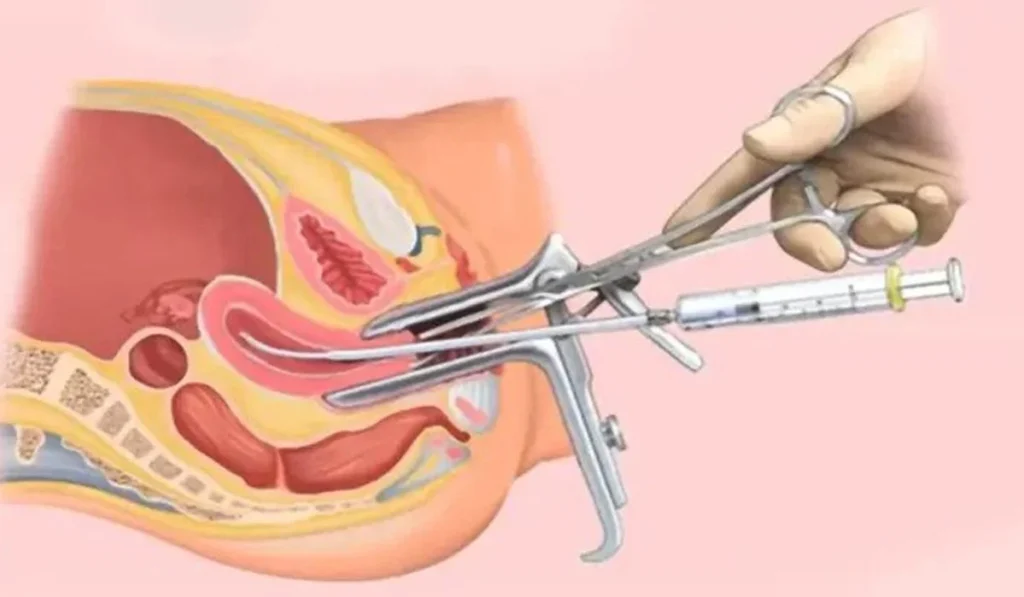
    illustration of intrauterine insemination procedure with a syringe and catheter in the uterus.

    The Effect on the Child: Artificial Insemination and Natural Conception Compared

    5. Multiple Births: Artificial insemination can also lead to multiple births, as more than one embryo may be implanted to increase the chances of conception. While this may seem like a blessing, it can also have detrimental effects on the child’s health and development, as multiple births are associated with a higher risk of premature birth, low birth weight, and developmental delays.

    Effects of Natural Conception on the Child:

    1. Biological Connection: Children conceived through natural conception are biologically connected to both their parents, which can have a positive impact on their sense of identity and belonging. They have a genetic link to their parents and can easily trace their family history.

    2. Parental Bonding: Natural conception involves the act of sexual intercourse, which can bring the parents closer and create a deep emotional bond. This bond can positively impact the child’s relationship with their parents and their overall well-being.

    3. No Social Stigma: Unlike artificial insemination, natural conception is widely accepted in society, and children conceived through this method do not face any social stigma. This can promote a sense of acceptance and normalcy in the child’s life.

    4. Lower Genetic Risks: With natural conception, the child is genetically related to their parents, reducing the risk of genetic disorders or diseases. This can save the child from potential health complications and the need for genetic testing or counseling.

    5. Single Births: In natural conception, there is a lower chance of multiple births, which can reduce the risk of health complications for the child. This can also allow the parents to focus their attention and resources on one child, providing them with better care and support.

    In summary, artificial insemination and natural conception have different effects on the child’s life. While artificial insemination may offer a solution for couples struggling with infertility, it can also have potential psychological, social, and health impacts on the child. On the other hand, natural conception may provide a more natural and emotionally fulfilling experience for both the parents and the child. Ultimately, the decision between these two methods should be carefully considered, taking into account the potential effects on the child’s well-being.

  • From Strangers to Co-Parents: Building Successful Co-Parenting Relationships

    Summary:

    Co-parenting, or raising a child together with someone you are no longer in a romantic relationship with, can be a challenging and emotional journey. However, with effective communication, mutual respect, and a focus on the well-being of the child, co-parenting can be a successful and positive experience for both parents and children.

    In this blog post, we will discuss the important steps and strategies for building successful co-parenting relationships. From setting boundaries and establishing a co-parenting plan, to managing conflict and promoting a healthy co-parenting dynamic, we will cover all aspects of creating a positive and supportive co-parenting relationship.

    Key points:

    1. Setting boundaries: One of the first and most important steps in building a successful co-parenting relationship is setting boundaries. This includes establishing clear guidelines for communication, decision-making, and parenting responsibilities. By having a shared understanding of boundaries, both parents can maintain a sense of independence and respect in their co-parenting dynamic.

    illustration of an intrauterine insemination procedure with medical instruments and anatomical details

    From Strangers to Co-Parents: Building Successful Co-Parenting Relationships

    2. Creating a co-parenting plan: A co-parenting plan is a written agreement that outlines the responsibilities and expectations of each parent in raising their child. This plan can include details such as custody schedules, communication methods, and decision-making processes. By creating a co-parenting plan, both parents can have a clear understanding of their roles and responsibilities, which can help reduce conflict and improve communication.

    3. Effective communication: Communication is key in any relationship, and co-parenting is no exception. It is important for both parents to communicate openly and honestly, while also being respectful and considerate of each other’s feelings. This can help prevent misunderstandings and conflicts, and ensure that the child’s needs are being met.

    4. Managing conflict: No relationship is without its challenges, and co-parenting is not exempt from conflicts. However, it is important for both parents to find healthy ways to manage and resolve conflicts. This can include using effective communication techniques, seeking professional help if needed, and focusing on finding a solution that is in the best interest of the child.

    5. Putting the child first: The most important aspect of successful co-parenting is putting the child’s well-being first. This means making decisions that are in the best interest of the child, even if they may not align with your personal preferences. It also involves maintaining a positive and respectful relationship with the other parent, as this can greatly benefit the child’s emotional and mental health.

    6. Promoting a healthy co-parenting dynamic: Co-parenting is a partnership, and it is important for both parents to work together to create a positive and supportive dynamic. This can involve showing appreciation for each other’s efforts, being flexible and compromising, and finding ways to co-parent as a team. By promoting a healthy co-parenting dynamic, both parents can create a stable and loving environment for their child.

    In conclusion, while co-parenting can be a challenging journey, it is possible to build successful co-parenting relationships with effective communication, mutual respect, and a focus on the well-being of the child. By setting boundaries, creating a co-parenting plan, managing conflict, and prioritizing the child’s needs, co-parents can work together to raise happy and healthy children.