Sperm Donor vs Co-Parenting: A Look at the Impact on the Child’s Identity and Development
The concept of family has evolved greatly in recent years, with more and more people choosing alternative paths to parenthood. Among these options are sperm donation and co-parenting, both of which involve the contribution of sperm to conceive a child. However, these two methods have significant differences that can greatly impact the child’s identity and development. In this blog post, we will take a closer look at sperm donation and co-parenting, and discuss the potential effects on a child’s identity and development.
Sperm Donation:
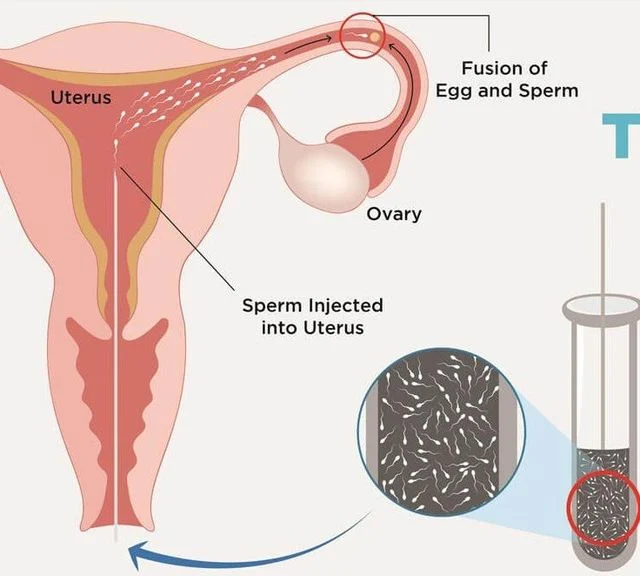
Sperm donation is a process where a man donates his sperm to a woman who is not his partner, with the intention of helping her conceive a child. This method is often used by single women, same-sex couples, and infertile couples. The sperm is usually obtained through a sperm bank or through a known donor. In the case of a known donor, the donor and the recipient may have a prior relationship or may choose to have minimal contact after the donation.
One potential effect of sperm donation on a child’s identity is the absence of a father figure. Many children who are conceived through sperm donation may never know the identity of their biological father, which can lead to feelings of curiosity, confusion, and even a sense of loss. This can also make it difficult for the child to establish a sense of identity and belonging, as they may feel like they are missing a part of themselves. Additionally, the lack of a father figure may also impact the child’s understanding of traditional family structures and relationships.
Moreover, sperm donation can also have a significant impact on a child’s development. Research has shown that children conceived through sperm donation may have a higher risk of psychological and behavioral problems, such as anxiety, depression, and attention deficit hyperactivity disorder (ADHD). This could be due to the lack of a father figure in their life and the potential feelings of confusion and loss surrounding their conception. Additionally, children may also struggle with issues related to their genetic background and identity, as they may not have access to information about their biological father’s health history or cultural background.
Co-Parenting:
Co-parenting is a process where two individuals, who are not romantically involved, come together with the intention of raising a child together. This method allows for both parents to have an active role in the child’s life and share the responsibility of raising the child. Co-parenting can involve two individuals of the opposite sex or same-sex, and they may choose to conceive through artificial insemination or natural conception.
Sperm Donor vs Co-Parenting: A Look at the Impact on the Child's Identity and Development
One of the main differences between sperm donation and co-parenting is the involvement of both parents in the child’s life. In co-parenting, the child has the opportunity to have a relationship with both parents, which can provide a sense of security and stability. This can also allow the child to have a better understanding of their identity and cultural background, as they have access to information about both parents’ genetic history.
Moreover, co-parenting can also have a positive impact on the child’s development. Research has shown that children raised in co-parenting arrangements have similar outcomes to those raised in traditional two-parent families. This is because co-parenting provides a supportive and nurturing environment for the child, with both parents actively involved in their upbringing. Additionally, having two parents involved in the child’s life can also provide a diverse range of perspectives and experiences, which can contribute to the child’s personal growth and development.
Impact on the Child’s Identity and Development:
The differences between sperm donation and co-parenting can have a significant impact on a child’s identity and development. While both methods involve the contribution of sperm to conceive a child, they have different implications for the child’s understanding of their identity and their relationship with their biological father.
Sperm donation can leave a child with a sense of loss and confusion, as they may never know their biological father or have access to information about their genetic background. This can greatly impact their sense of identity and belonging, as well as their emotional well-being. On the other hand, co-parenting can provide a more stable and supportive environment for the child, with both parents actively involved in their upbringing. This can contribute to a better understanding of their identity and cultural background, as well as their emotional and psychological development.
It is essential for parents considering sperm donation or co-parenting to carefully consider the potential impact on the child’s identity and development. Open communication, honesty, and a supportive environment are crucial in helping a child navigate these alternative paths to parenthood. Counseling and therapy may also be beneficial for the child to address any feelings of confusion or loss and to develop a strong sense of self.
In conclusion, sperm donation and co-parenting are two alternative paths to parenthood that can have a significant impact on a child’s identity and development. While sperm donation may leave a child with a sense of loss and confusion, co-parenting provides a more stable and nurturing environment for the child to grow and develop. It is important for parents to carefully consider these implications before choosing a method of conception, and to prioritize the well-being and emotional needs of the child.
Summary:
In this blog post, we discussed the differences between sperm donation and co-parenting and their potential impact on a child’s identity and development. Sperm donation involves the contribution of sperm from a donor to help a woman conceive a child, while co-parenting involves two individuals raising a child together. Sperm donation can leave a child with a sense of loss and confusion, while co-parenting can provide a more stable and nurturing environment for the child. It is important for parents to carefully consider the implications of these methods before choosing a path to parenthood and prioritize the well-being of the child.