Male Factor Infertility: Causes and Treatment Options
Infertility is a common issue that affects millions of couples around the world. In fact, it is estimated that 1 in 8 couples struggle with infertility. While many people assume that infertility is a female problem, the truth is that male factor infertility is just as common. In fact, male factor infertility is the sole cause or a contributing factor in about 30% of infertility cases. In this blog post, we will explore the causes of male factor infertility and the various treatment options available for men who are struggling with this issue.
Causes of Male Factor Infertility:
1. Low Sperm Count: One of the main causes of male factor infertility is a low sperm count. This means that a man’s semen contains fewer sperm than normal, making it more difficult for the sperm to reach and fertilize the egg. A normal sperm count is considered to be at least 15 million sperm per milliliter of semen. Anything lower than this is considered a low sperm count and can greatly decrease a man’s chances of fathering a child.
2. Abnormal Sperm Shape or Movement: Another common cause of male factor infertility is abnormal sperm shape or movement. Sperm with an abnormal shape or poor motility (movement) are less likely to fertilize an egg, making it more difficult for a man to impregnate his partner. This can be caused by genetic factors, hormonal imbalances, or lifestyle choices such as smoking and excessive alcohol consumption.
3. Varicocele: A varicocele is a condition in which the veins that drain the testicles become enlarged, leading to increased blood flow and higher testicular temperature. This can affect sperm production and quality, leading to male factor infertility. Varicoceles are a common cause of male infertility and can often be treated with surgery.
4. Infections: Certain infections, such as sexually transmitted infections (STIs), can cause damage to the male reproductive system, leading to male factor infertility. These infections can affect sperm production, sperm quality, and the health of the reproductive organs. It is important for men to practice safe sex and seek treatment for any infections to prevent potential fertility issues in the future.
Male Factor Infertility: Causes and Treatment Options
5. Hormonal Imbalances: Hormonal imbalances can also contribute to male factor infertility. Testosterone, the male sex hormone, plays a crucial role in sperm production. Any imbalance in testosterone levels can result in a decrease in sperm count and quality, making it more difficult for a man to father a child. Hormonal imbalances can be caused by various factors such as obesity, certain medications, and underlying health conditions.
Treatment Options for Male Factor Infertility:
1. Lifestyle Changes: In some cases, making simple lifestyle changes can greatly improve male fertility. This includes quitting smoking, reducing alcohol consumption, and maintaining a healthy weight. These changes can help improve sperm production and quality, increasing a man’s chances of impregnating his partner.
2. Medications: Depending on the underlying cause of male factor infertility, medications may be prescribed to help improve sperm production and quality. For example, hormonal therapy may be used to treat hormonal imbalances, while antibiotics may be prescribed to treat infections that are affecting fertility.
3. Surgery: In cases where a physical issue is causing male factor infertility, such as a varicocele or blockage in the reproductive organs, surgery may be recommended. Surgery can help correct these issues and improve sperm production and quality, increasing a man’s chances of fathering a child.
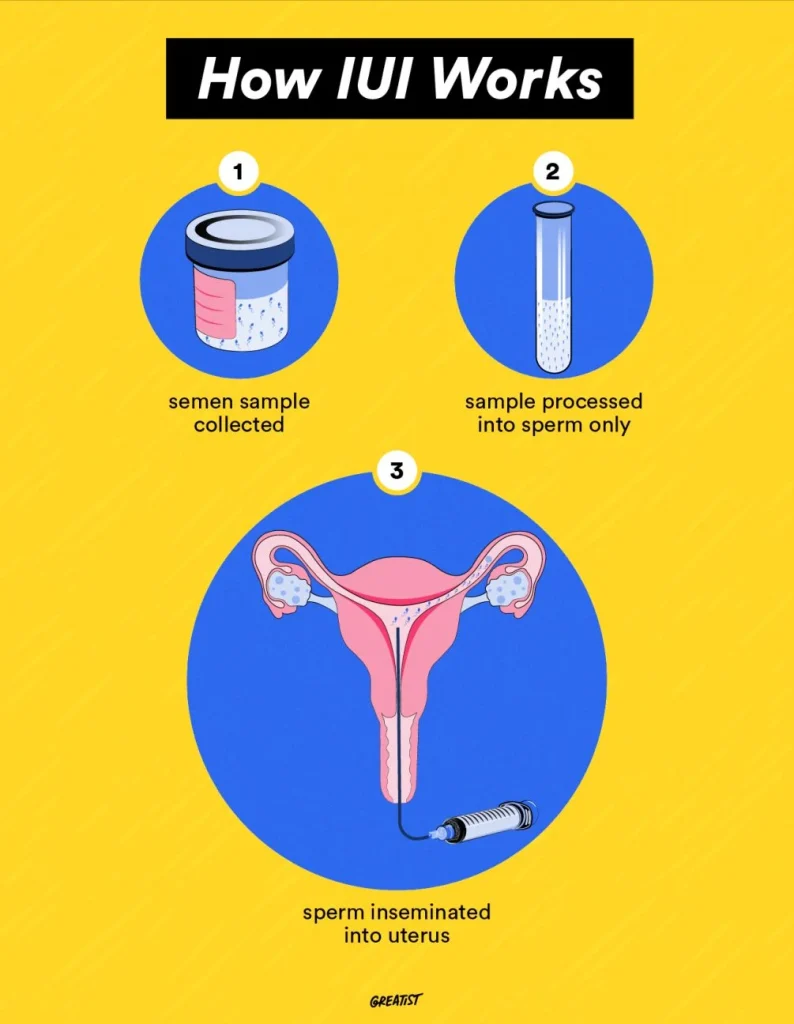
4. Assisted Reproductive Techniques (ART): ART refers to a range of fertility treatments that involve the handling of sperm and eggs outside of the body. These techniques include intrauterine insemination (IUI), in vitro fertilization (IVF), and intracytoplasmic sperm injection (ICSI). These techniques can help overcome male factor infertility by directly placing sperm in the woman’s uterus or fertilizing the egg in a laboratory setting.
5. Donor Sperm: In cases where a man has a very low or non-existent sperm count, using donor sperm may be an option. Donor sperm can be obtained from a sperm bank and used in ART procedures to help a man’s partner become pregnant.
In conclusion, male factor infertility is a common issue that affects many couples. The causes of male factor infertility can vary, but there are various treatment options available to help men overcome this issue and increase their chances of fathering a child. Whether it be lifestyle changes, medications, surgery, or ART, there is hope for men struggling with infertility. It is important for men to talk to their healthcare providers if they are experiencing fertility issues, as early diagnosis and treatment can greatly improve their chances of success.