Tag: boundaries

  • Breaking the News: How to Talk to Friends and Family About Infertility Treatments

    Breaking the News: How to Talk to Friends and Family About Infertility Treatments

    Infertility is a sensitive and often taboo topic that can be difficult to discuss with loved ones. However, when undergoing infertility treatments, it’s important to have the support of friends and family. But how do you break the news to them? In this blog post, we will discuss some tips and strategies for talking to friends and family about infertility treatments.

    1. Be open and honest

    The first step in discussing infertility treatments with friends and family is to be open and honest about your struggles. This may be difficult, as infertility can be a sensitive and emotional topic. However, it’s important to communicate your feelings and let your loved ones know what you’re going through. Being open and honest can also help to dispel any misconceptions or stigmas surrounding infertility.

    2. Choose the right time and place

    When discussing such a sensitive topic, it’s important to choose the right time and place. You want to make sure that you have enough time to have a proper conversation and that the location is comfortable and private. It’s also a good idea to choose a time when both parties are calm and not distracted.

    3. Educate your loved ones

    Many people may not fully understand what infertility is or the treatments involved. Take the time to educate your loved ones about your condition and the treatments you are undergoing. This can help them to better understand your situation and offer support in a more informed manner.

    4. Set boundaries
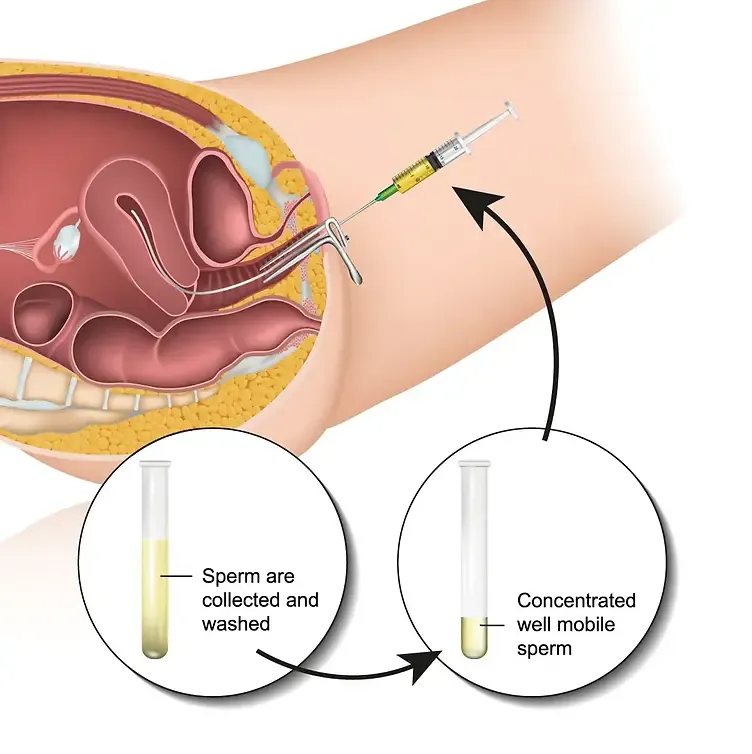
    Illustration of intrauterine insemination process, showing sperm collection and injection into the uterus.

    Breaking the News: How to Talk to Friends and Family About Infertility Treatments

    It’s important to set boundaries when discussing infertility treatments with friends and family. Let them know what kind of support you need and what kind of questions or comments may be hurtful. It’s also okay to let them know if you need some space or time to process your emotions.

    5. Ask for support

    Infertility treatments can be physically and emotionally draining, and having the support of friends and family can make a huge difference. Don’t be afraid to ask for help or support when you need it. This can include things like rides to appointments, help with household chores, or simply a listening ear.

    6. Be prepared for different reactions

    Everyone reacts differently to news of infertility treatments. Some may offer unwavering support, while others may not know how to respond. It’s important to be prepared for different reactions and to not take any negative responses personally. Remember that everyone processes information differently, and it’s okay if not everyone knows how to offer support.

    7. Consider involving them in the process

    If you feel comfortable, you may want to involve your loved ones in the infertility treatment process. This could include attending appointments with you or participating in support groups. Involving them can help them to feel more connected and supportive of your journey.

    8. Take care of yourself

    Lastly, it’s important to take care of yourself during this time. Infertility treatments can be physically and emotionally demanding, and it’s important to prioritize your well-being. Make sure to set aside time for self-care and to seek support from others when needed.

    In summary, discussing infertility treatments with friends and family can be challenging, but it’s important to have their support during this difficult time. Be open and honest, choose the right time and place, educate your loved ones, set boundaries, ask for support, be prepared for different reactions, consider involving them in the process, and most importantly, take care of yourself.

  • The Importance of Boundaries: How Fertility Support Groups Can Help Set Limits

    Boundaries are essential in maintaining our mental, emotional, and physical well-being. They are like invisible lines that we draw around ourselves to protect our personal space, emotions, and values. However, when it comes to fertility struggles, setting boundaries can become challenging. It’s a time of immense emotional vulnerability, and seeking support from others who are going through similar experiences can be comforting. This is where fertility support groups come in. These groups provide a safe space for individuals to share their struggles, but they also play a crucial role in helping individuals set boundaries.

    In this blog post, we will explore the importance of boundaries and how fertility support groups can help individuals struggling with fertility issues set limits to protect their emotional and mental well-being.

    Why Are Boundaries Important?

    Boundaries are essential for maintaining healthy relationships, setting priorities, and protecting our physical, emotional, and mental well-being. They help us establish what is acceptable and unacceptable to us, and they also guide our actions and reactions. Without boundaries, we can easily become overwhelmed, burnt out, and our relationships can suffer.

    In the context of fertility struggles, setting boundaries can be challenging. The intense desire to have a child can make individuals more vulnerable to other people’s opinions, advice, and comments. This can lead to individuals feeling pressured, judged, and even violated. It’s crucial to recognize the need for boundaries during this time and to learn how to set and communicate them effectively.

    How Fertility Support Groups Can Help Set Boundaries

    Fertility support groups are a safe space for individuals to share their struggles, receive emotional support, and learn coping mechanisms. These groups are usually led by a trained facilitator and consist of individuals who are going through similar experiences. Fertility support groups can be especially helpful in setting boundaries because:

    1. Validation of Experiences

    One of the biggest challenges in setting boundaries is feeling like our experiences are not valid. Fertility support groups provide a sense of validation as individuals can share their struggles and know that they are not alone. This helps individuals feel more confident in their boundaries and less likely to be swayed by others’ opinions.

    2. Learning from Others’ Experiences

    In a fertility support group, individuals can learn from others’ experiences and see how they have set boundaries. This can provide useful insights into what may work for them and give them the courage to set boundaries for themselves.

    3. A Safe Space to Practice Assertiveness

    Setting boundaries involves assertiveness – the ability to communicate our needs and limits confidently. In a fertility support group, individuals can practice assertiveness in a safe and non-judgmental environment. This can help individuals build their confidence and communication skills, making it easier to set boundaries in other areas of their lives.

    4. Support from Others in Enforcing Boundaries

    In some cases, individuals may face resistance when setting boundaries, which can make it challenging to maintain them. Fertility support groups can provide much-needed support from others who understand the struggle. This can help individuals stay firm in their boundaries and not give in to pressure from others.

    Illustration of the IUI process, showing a syringe and catheter in the reproductive system.

    The Importance of Boundaries: How Fertility Support Groups Can Help Set Limits

    5. Understanding the Importance of Self-Care

    Setting boundaries also involves prioritizing our own needs and well-being. In a fertility support group, individuals can learn about the importance of self-care and how it can help them cope with their struggles. This understanding can motivate individuals to set boundaries to protect their emotional and mental health.

    6. Addressing Guilt and Shame

    Sometimes, individuals may feel guilty or ashamed when setting boundaries, especially if they are turning down offers of help from family and friends. Fertility support groups can provide a safe space to address these feelings and learn how to set boundaries without feeling guilty or ashamed.

    Tips for Setting Boundaries in a Fertility Support Group

    While fertility support groups can provide a safe space for individuals to set boundaries, it’s essential to keep in mind that every individual’s needs and boundaries are unique. Here are some tips for setting boundaries in a fertility support group:

    1. Communicate Clearly and Respectfully

    When setting boundaries, it’s crucial to communicate them clearly and respectfully. Avoid using language that may come across as aggressive or defensive. Instead, use “I” statements to express your needs and limits.

    2. Be Specific

    Setting vague boundaries can lead to confusion and misunderstandings. Be specific about what you are comfortable with and what you are not. This can help others understand your boundaries and respect them.

    3. Be Firm and Consistent

    Setting boundaries can be challenging, and it’s natural to feel guilty or doubt yourself. However, it’s crucial to be firm and consistent in enforcing your boundaries. Remind yourself of the importance of protecting your well-being.

    4. Seek Support from Others

    Don’t be afraid to seek support from others in enforcing your boundaries. This can help you stay firm and not give in to pressure from others.

    Summary:

    Setting boundaries is crucial for maintaining our mental, emotional, and physical well-being. However, during times of fertility struggles, setting boundaries can become challenging. Fertility support groups can play a crucial role in helping individuals struggling with fertility issues set boundaries. These groups provide a safe space for individuals to share their struggles, learn from others’ experiences, and practice assertiveness. They also provide support in enforcing boundaries and addressing feelings of guilt and shame. When setting boundaries in a fertility support group, it’s essential to communicate clearly and respectfully, be specific, and seek support from others.

  • Fertility and Self-Care: Balancing Counseling and Support Group Sessions

    Blog Post Summary:

    Fertility and self-care are two important aspects of life that can often be overlooked, especially when dealing with the emotional and physical challenges of trying to conceive. For many individuals and couples, counseling and support group sessions can be beneficial in navigating this journey. However, finding a balance between these two forms of support is crucial for overall well-being. In this blog post, we will explore the importance of self-care in the context of fertility and how it can be balanced with counseling and support group sessions.

    The journey towards parenthood can be filled with a rollercoaster of emotions, from hope and excitement to disappointment and frustration. It is important to acknowledge and honor these emotions, and this is where counseling can be helpful. A trained therapist can provide a safe and non-judgmental space for individuals and couples to express their thoughts and feelings, and help them develop coping strategies to manage the challenges of fertility.

    However, while counseling can be a valuable resource, it is equally important to prioritize self-care during this time. Self-care refers to any intentional actions taken to promote one’s physical, mental, and emotional well-being. It is not a luxury, but a necessity for maintaining overall health and managing stress. In the context of fertility, self-care can involve activities such as exercise, mindfulness practices, and seeking out social support from loved ones.

    One way to incorporate self-care into the fertility journey is by attending support group sessions. These gatherings provide a sense of community and understanding, as individuals and couples can connect with others who are going through similar experiences. Support groups can also offer valuable insights and resources, as well as a sense of hope and empowerment.

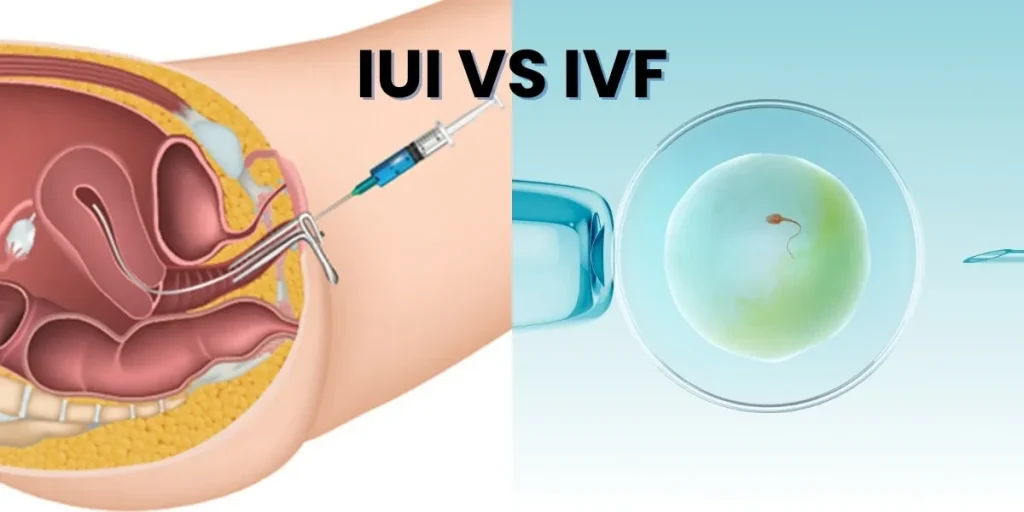
    comparison of IUI and IVF fertility treatments with illustrations of procedures and a petri dish with an egg and sperm

    Fertility and Self-Care: Balancing Counseling and Support Group Sessions

    While both counseling and support groups can be beneficial, it is important to find a balance between the two. Over-reliance on either form of support can lead to neglecting one’s own needs. This can be especially true for those who are undergoing fertility treatments, as they may feel pressure to constantly focus on their fertility journey and neglect other aspects of their life.

    One way to balance counseling and support group sessions is by setting boundaries and prioritizing self-care activities. This can involve scheduling regular breaks from fertility-related discussions and appointments, and dedicating time to engage in self-care practices. It is also important to communicate with therapists and support group facilitators about one’s needs and boundaries.

    Another way to balance these forms of support is by finding a therapist or support group that specifically focuses on fertility. These professionals will have a better understanding of the unique challenges and emotions that come with trying to conceive, and can provide tailored support and resources. Additionally, they can work together to ensure that the individual or couple’s needs are being met and that they are receiving well-rounded support.

    It is also important to keep in mind that self-care looks different for everyone and can change over time. What may have been a helpful self-care practice in the past may not be as effective in the present. It is important to regularly reassess and adjust self-care routines to fit one’s current needs and circumstances.

    In conclusion, the journey towards parenthood can be emotionally and physically taxing, and it is important to prioritize self-care in the midst of counseling and support group sessions. Finding a balance between these forms of support is crucial for overall well-being, and can help individuals and couples navigate the challenges of fertility with more resilience and self-compassion. By setting boundaries, communicating with professionals, and regularly reassessing self-care practices, individuals and couples can find a balance that works for them and supports their journey towards parenthood.

  • The Role of Donor-Recipient Relationships in Sperm Banks vs Known Donors

    Blog Post: The Role of Donor-Recipient Relationships in Sperm Banks vs Known Donors

    Sperm donation has become a widely accepted and utilized method for couples and individuals to start or expand their families. With advancements in technology and science, sperm banks have emerged as a popular option for those seeking a donor. However, another option that has gained traction in recent years is known donors, where the recipient has a personal connection with the donor. In both scenarios, the donor-recipient relationship plays a crucial role in the success and dynamics of the arrangement. In this blog post, we will explore the importance of donor-recipient relationships in sperm banks and known donors, and how they differ from each other.

    Sperm Banks: The Role of Donor-Recipient Relationships

    In sperm banks, the donor-recipient relationship is typically kept anonymous. Donors are usually chosen based on their physical characteristics, education, and health history. The recipient does not have any personal connection with the donor, and the arrangement is purely a business transaction. This anonymity can be beneficial for both parties as it allows the recipient to focus solely on the donor’s genetic material and not be influenced by any personal biases or emotions.

    However, this anonymity also means that the recipient and the child, if conceived, will not have any information about the donor’s identity or medical history. This lack of information can be challenging for the child as they grow up and may have questions about their genetic background. It can also create a sense of loss and longing for the donor, who may never know if their donation resulted in a successful pregnancy.

    In some cases, sperm banks may offer limited non-identifying information about the donor, such as their physical characteristics and occupation. This information can help the recipient feel more connected to the donor and ease any concerns they may have about their choice. However, it still does not provide the level of personal connection that known donors offer.

    Known Donors: The Role of Donor-Recipient Relationships

    Known donors are individuals who have a personal relationship with the recipient, such as a friend or family member. In this scenario, the donor-recipient relationship is more intimate and involves trust, communication, and emotional support. The recipient and the donor have a pre-existing bond, which can make the process of sperm donation more comfortable and less clinical.

    Illustration of IUI procedure with uterus and syringe against a DNA background.

    The Role of Donor-Recipient Relationships in Sperm Banks vs Known Donors

    One significant advantage of known donors is the ability to have open and honest communication about the donation process. The recipient can ask questions about the donor’s medical history, lifestyle, and motivations for donating, which can provide peace of mind and a deeper understanding of the donor. Additionally, known donors can provide the recipient and the child with a sense of connection and identity, as they know where their genetic material is coming from.

    However, there can also be challenges in known donor arrangements. The donor may feel a sense of responsibility towards the child, which can create conflicts and boundaries within the relationship. The recipient may also feel pressure to maintain a close relationship with the donor, even if it is not what they desire. It is essential to have clear communication and boundaries in place to avoid any potential issues that may arise.

    The Importance of Donor-Recipient Relationships in Both Scenarios

    While the dynamics of donor-recipient relationships differ in sperm banks and known donors, they both play a crucial role in the donation process. In sperm banks, the relationship is more transactional, but it is essential for the recipient to have trust in the donor’s medical history and genetic material. In known donor arrangements, the relationship is more personal, and trust and communication are vital for a successful donation.

    No matter the type of donor-recipient relationship, it is crucial to have open and honest communication, trust, and boundaries in place. These elements ensure that both parties are comfortable and have a clear understanding of their roles and responsibilities in the arrangement.

    In conclusion, the donor-recipient relationship is a crucial aspect of sperm donation, whether it is through sperm banks or known donors. While both scenarios have their advantages and challenges, the key is to find what works best for the recipient and the donor. Ultimately, the goal of sperm donation is to help individuals or couples achieve their dream of starting or expanding their family, and a strong donor-recipient relationship can play a significant role in making that happen.

    Summary:

    Sperm donation has become a popular method for starting or expanding families, and there are two main options: sperm banks and known donors. In sperm banks, the donor-recipient relationship is kept anonymous, while known donors involve a personal connection between the recipient and the donor. Both scenarios have their advantages and challenges, but the key to success is open communication, trust, and boundaries in the donor-recipient relationship.

  • The Single Motherhood Choice: Finding Peace and Happiness

    Blog Post:

    For many women, the decision to become a single mother is not an easy one. It can be a daunting and overwhelming journey, filled with challenges and uncertainties. Yet, for those who have made this choice, it can also be a path to finding peace and happiness.

    There are many reasons why a woman may choose to become a single mother. It could be due to a failed relationship, infertility, or simply a desire to have a child without a partner. Whatever the reason may be, the decision to embark on this journey requires courage, strength, and a strong sense of self.

    One of the first things that a single mother needs to do is to let go of any guilt or shame associated with her decision. Society often places a stigma on single mothers, portraying them as irresponsible or incapable of raising a child on their own. However, the reality is that single mothers are just as capable of providing a loving and nurturing environment for their child as any two-parent household.

    It’s also important for single mothers to surround themselves with a support system, whether it be family, friends, or other single mothers who understand and can offer guidance and encouragement. Building a network of people who can help with childcare, emotional support, and practical advice can make a huge difference in a single mother’s journey.

    Another crucial aspect of finding peace and happiness as a single mother is to prioritize self-care. It’s easy for single mothers to get caught up in the demands of parenting and neglect their own well-being. However, taking care of oneself is essential for maintaining physical, emotional, and mental balance. This can include simple acts like taking a walk, practicing mindfulness, or indulging in a hobby. It’s also important to make time for rest and relaxation, as parenthood can be exhausting, especially when done alone.

    One of the biggest challenges that single mothers face is balancing work and parenting. Many single mothers have to juggle full-time jobs while also being the sole caregiver for their child. This can be overwhelming and lead to feelings of guilt and inadequacy. However, it’s important for single mothers to remember that they are doing the best they can and that their child is their top priority. Finding a flexible job or creating a schedule that allows for quality time with their child can help alleviate some of the stress.

    IVF vs IUI comparison with illustrations of reproductive processes and a flower on a pregnant belly.

    The Single Motherhood Choice: Finding Peace and Happiness

    It’s also crucial for single mothers to maintain a positive mindset and outlook. It’s easy to get bogged down by the challenges of single motherhood, but focusing on the blessings and joys of raising a child can bring a sense of peace and happiness. Practicing gratitude and finding joy in the little things can be helpful in shifting one’s perspective.

    As a single mother, it’s also important to establish boundaries and learn to say no. With the responsibilities of parenting and potentially working, it’s easy to spread oneself too thin. Learning to set boundaries and say no to things that do not align with one’s priorities can help reduce stress and create a sense of balance.

    One of the most significant benefits of single motherhood is the close bond that is formed between a mother and her child. Being the sole caregiver, a single mother has the opportunity to develop a deep and meaningful relationship with her child. This bond can bring great joy and fulfillment to both the mother and child.

    In addition to finding peace and happiness in their own lives, single mothers also have the opportunity to be role models for their children. By showing strength, resilience, and independence, single mothers can teach their children valuable life lessons and instill important values.

    In conclusion, the decision to become a single mother is a personal and unique one. While it may come with its own set of challenges, it can also lead to a fulfilling and happy life. By letting go of guilt and shame, building a support system, prioritizing self-care, maintaining a positive mindset, and setting boundaries, single mothers can find peace and happiness in their journey. They also have the opportunity to create a strong bond with their child and be an inspiration for the next generation.

    Summary:

    The decision to become a single mother is a personal and often difficult one. However, it can also lead to a fulfilling and happy life. To find peace and happiness in this journey, single mothers should let go of guilt and shame, build a support system, prioritize self-care, maintain a positive mindset, and establish boundaries. They also have the opportunity to create a strong bond with their child and be role models for the next generation.

  • Single Motherhood: Creating a Supportive and Loving Home

    Single motherhood is a reality for many women around the world, and it comes with its own set of challenges and struggles. However, being a single mother does not mean that a home cannot be supportive and loving. In fact, with the right mindset and support system, single mothers can create a warm and nurturing environment for their children.

    In this blog post, we will discuss the various ways in which single mothers can create a supportive and loving home for their children. From establishing routines and boundaries to seeking outside help, we will cover all the essential aspects of single motherhood.

    1. Establish a Routine
    One of the first steps in creating a supportive and loving home as a single mother is to establish a routine. Children thrive on structure and knowing what to expect, so having a set routine can bring a sense of stability and security to their lives.

    This routine can include set meal times, designated homework and study times, and a consistent bedtime. This not only helps with managing the household but also allows children to feel a sense of control and stability in their daily lives.

    2. Set Boundaries
    As a single mother, it can be tempting to want to be your child’s friend rather than their parent. However, it is crucial to set boundaries and establish yourself as the authority figure in the household.

    This means having clear rules and consequences for misbehaviour, as well as enforcing them consistently. Children need structure and discipline, and by setting boundaries, you are showing them that you care about their well-being and are invested in their growth and development.

    3. Create Quality Time
    With the responsibilities of being a single mother, it can be challenging to find time for yourself, let alone quality time with your children. However, it is essential to make an effort to have one-on-one time with each child.

    This could be as simple as reading a book together, going for a walk, or having a movie night. By creating these special moments with your children, you are not only strengthening your bond but also showing them that they are a priority in your life.

    4. Seek Support
    Being a single mother can be overwhelming, and it is essential to have a support system in place. This could include family members, friends, or other single mothers who can offer advice and a listening ear.

    Diagram illustrating intrauterine insemination (IUI) procedure with sperm injection into the uterus.

    Single Motherhood: Creating a Supportive and Loving Home

    Additionally, there are many support groups and resources available for single mothers, both online and in-person. These can provide a sense of community and understanding, which can be incredibly beneficial for single mothers.

    5. Focus on Communication
    Communication is key in any relationship, and this holds true for the relationship between a single mother and her children. Open and honest communication can help build trust and understanding between you and your children.

    Make an effort to listen to your children and validate their feelings. Encourage them to express themselves and let them know that they can come to you with any concerns or issues.

    6. Practice Self-Care
    As a single mother, it can be easy to neglect your own needs while focusing on your children. However, taking care of yourself is essential in creating a supportive and loving home.

    Make time for self-care activities, whether it’s taking a relaxing bath, going for a walk, or reading a book. By taking care of yourself, you are setting a positive example for your children and showing them the importance of self-love and self-care.

    7. Be Honest
    It is important to be honest with your children about the reality of being a single mother. This doesn’t mean burdening them with your struggles and hardships, but rather explaining to them that every family is unique and that your family may look different from others.

    Being honest with your children can help them understand and appreciate your efforts as a single mother, and it can also foster a sense of empathy and understanding towards others.

    8. Create a Positive Environment
    Lastly, it is crucial to create a positive environment in your home. This can include displaying positive affirmations, keeping the space clean and organized, and avoiding negative or toxic influences.

    A positive environment can help foster a sense of peace and happiness in your home, which can greatly benefit both you and your children.

    In conclusion, being a single mother may come with its challenges, but it does not mean that a home cannot be supportive and loving. By establishing routines and boundaries, seeking support, and prioritizing communication and self-care, single mothers can create a warm and nurturing environment for their children. Remember, every family is unique, and what matters most is the love and support within the home.

  • The Role of Consent and Boundaries in Co-Parenting and Sperm Donation Agreements

    Co-parenting and sperm donation agreements have become increasingly common in today’s society, as more individuals and couples choose to start families through non-traditional means. These agreements involve two parties coming together to establish a parental relationship and outline the terms of their co-parenting or sperm donation arrangement. However, such agreements are not without their complexities and potential challenges. One of the key considerations in these agreements is the role of consent and boundaries, which are essential for ensuring a healthy and successful co-parenting or sperm donation relationship. In this blog post, we will explore the importance of consent and boundaries in co-parenting and sperm donation agreements, and how they can contribute to a positive and harmonious family dynamic.

    First and foremost, it is crucial to define what we mean by consent and boundaries in the context of co-parenting and sperm donation agreements. Consent refers to the voluntary and informed agreement of all parties involved in the arrangement. This means that all parties must fully understand and agree to the terms and conditions of the agreement, without any coercion or pressure. Boundaries, on the other hand, refer to the limits and expectations that each party has regarding their involvement in the co-parenting or sperm donation process. These boundaries can include but are not limited to, financial arrangements, visitation schedules, and decision-making processes regarding the child’s upbringing.

    One of the main reasons why consent and boundaries are crucial in co-parenting and sperm donation agreements is that they help to establish clear communication and expectations between the parties involved. Without consent, there is a risk of misunderstandings and conflicts arising later on in the co-parenting or sperm donation relationship. Boundaries also play a vital role in establishing expectations and avoiding potential disagreements, as each party knows their role and responsibilities in the arrangement.

    In co-parenting agreements, consent and boundaries are particularly essential as the parties involved are not in a romantic relationship. This means that there may be less emotional investment or shared history between the co-parents, making it even more crucial to have clear boundaries and consent in place. Without these agreements, conflicts and misunderstandings can arise, which can have a negative impact on the child’s well-being and the co-parenting relationship as a whole.

    Similarly, in sperm donation agreements, consent and boundaries are critical for establishing a healthy and respectful relationship between the donor and the intended parent(s). The donor must fully understand their role and responsibilities in the child’s life, and the intended parent(s) must respect the donor’s boundaries and decisions regarding their involvement in the child’s upbringing. Without these agreements, there is a risk of the donor feeling pressured or obligated to participate in the child’s life beyond their initial agreement, which can lead to resentment and conflict.

    Comparison chart of IUI and IVF treatments, detailing medications, monitoring, procedures, and success rates.

    The Role of Consent and Boundaries in Co-Parenting and Sperm Donation Agreements

    Another crucial aspect of consent and boundaries in co-parenting and sperm donation agreements is the protection of all parties involved. These agreements should outline the legal rights and responsibilities of each party, ensuring that everyone is protected and has a clear understanding of their role in the child’s life. In co-parenting agreements, this may include financial support, visitation rights, and decision-making processes. In sperm donation agreements, the donor’s legal rights and responsibilities may differ, depending on the specific laws and regulations in the intended parent(s)’ country or state.

    Consent and boundaries also play a significant role in promoting a positive and healthy co-parenting or sperm donation relationship. When all parties have given their informed consent and have clear boundaries in place, there is a higher likelihood of mutual respect and understanding between the co-parents or the donor and intended parent(s). This can lead to a more harmonious family dynamic and a positive upbringing for the child, as all parties are working together towards a common goal.

    However, it is essential to note that consent and boundaries may change over time in co-parenting and sperm donation agreements. As the child grows and circumstances change, the initial agreements may need to be reassessed and amended to better suit the evolving needs of all parties involved. This highlights the importance of ongoing communication and flexibility in these arrangements.

    In conclusion, consent and boundaries are crucial components of co-parenting and sperm donation agreements. They establish clear communication, expectations, and protection for all parties involved, promoting a positive and healthy family dynamic. These agreements may require ongoing communication and amendments as circumstances change, but with consent and boundaries in place, the co-parenting or sperm donation relationship can thrive. It is essential for all parties to carefully consider and discuss these aspects before entering into such agreements, to ensure a successful and fulfilling family dynamic.

    Summary:

    Co-parenting and sperm donation agreements involve two parties coming together to establish a parental relationship and outline the terms of their arrangement. Consent refers to voluntary and informed agreement, while boundaries refer to limits and expectations. Consent and boundaries are crucial for clear communication, establishing expectations, and protecting all parties involved. They also promote a positive and healthy family dynamic. These agreements may require ongoing communication and amendments as circumstances change, but with consent and boundaries in place, the co-parenting or sperm donation relationship can thrive.

  • From Friends to Co-Parents: Navigating the Transition and Maintaining a Healthy Relationship

    Summary:

    Transitioning from friends to co-parents can be a challenging and emotional journey, but with the right mindset, communication, and boundaries, it is possible to maintain a healthy relationship for the sake of your children. In this blog post, we will explore the different stages of transitioning from friends to co-parents, the importance of effective communication, setting boundaries, and tips for maintaining a positive co-parenting relationship.

    The Transition:

    The transition from friends to co-parents can be a difficult one, especially if the friendship has a long history. It is important to acknowledge and accept that the dynamic of your relationship will change, and to have realistic expectations. This means understanding that you will no longer be able to hang out as friends, and that your focus now needs to be on co-parenting your children.

    Effective Communication:

    Communication is key in any relationship, and even more so in a co-parenting relationship. It is important to establish open and honest communication from the beginning, and to continuously work on it as co-parents. This means being respectful, listening to each other’s perspectives, and finding ways to compromise when disagreements arise.

    Setting Boundaries:

    test tube with sperm in blue liquid, promoting IUI success rate and factors influencing fertility.

    From Friends to Co-Parents: Navigating the Transition and Maintaining a Healthy Relationship

    Setting boundaries is crucial in maintaining a healthy co-parenting relationship. This means clearly defining roles and responsibilities, and respecting each other’s boundaries. It is also important to establish boundaries with your children, and to communicate them to your co-parent. This helps to avoid confusion and potential conflicts in the future.

    Tips for Maintaining a Positive Co-Parenting Relationship:

    1. Put your children first: Remember that your children are the priority and that your co-parenting relationship should revolve around their well-being.

    2. Keep communication child-focused: When communicating with your co-parent, keep the conversation centered around your children and their needs. Avoid bringing up personal issues or past conflicts.

    3. Show respect: Respect is essential in any relationship, and even more so in a co-parenting one. Treat your co-parent with kindness and understanding, even when you may not see eye to eye.

    4. Be flexible: Co-parenting requires a lot of flexibility, especially when it comes to scheduling and making decisions for your children. Try to be understanding and willing to compromise when necessary.

    5. Seek outside support: It can be helpful to seek the advice of a therapist, mediator, or co-parenting coach to navigate any challenges that may arise in your co-parenting relationship.

    In conclusion, transitioning from friends to co-parents may not be easy, but it is possible to maintain a healthy relationship for the sake of your children. It requires effective communication, setting boundaries, and a commitment to putting your children’s well-being first. By following these tips and continuously working on your co-parenting relationship, you can create a positive and supportive environment for your children to thrive in.

  • The Importance of Boundaries in Co-Parenting and Sperm Donation Agreements

    Blog Post:

    Co-parenting and sperm donation agreements have become increasingly common in today’s society as more and more individuals choose alternative methods of starting a family. While these arrangements can be a wonderful way for individuals to have children and create a strong support system, they also come with their own set of challenges. One of the most crucial aspects of successful co-parenting and sperm donation agreements is the establishment of clear and healthy boundaries. In this blog post, we will explore the importance of boundaries in these types of arrangements and how they can positively impact the overall dynamic and well-being of all parties involved.

    What are boundaries?

    Boundaries can be defined as limits or guidelines that individuals set for themselves in order to maintain their physical, emotional, and mental well-being. In the context of co-parenting and sperm donation agreements, boundaries refer to the rules and expectations that are mutually agreed upon by all parties involved. These boundaries can encompass various aspects such as communication, decision-making, financial responsibilities, and involvement in the child’s life.

    Why are boundaries important in co-parenting and sperm donation agreements?

    1. Clarify roles and responsibilities

    When entering into a co-parenting or sperm donation agreement, it is crucial to establish clear boundaries in terms of roles and responsibilities. This helps avoid any confusion or misunderstandings down the line and ensures that everyone is on the same page. For instance, in a co-parenting arrangement, boundaries can be set regarding decision-making for the child’s education, healthcare, and other important aspects of their life. Similarly, in a sperm donation agreement, boundaries can be established regarding the level of involvement the donor will have in the child’s life. This clarity can help create a stable and healthy environment for the child.

    2. Promote effective communication

    Illustration of intrauterine insemination (IUI) procedure, showing sperm injection into the uterus.

    The Importance of Boundaries in Co-Parenting and Sperm Donation Agreements

    Effective communication is key to the success of any relationship, and co-parenting and sperm donation arrangements are no exception. Boundaries can help facilitate open and honest communication between all parties involved. For example, boundaries can be set around how often communication will take place and the preferred method of communication. This can help avoid any misunderstandings or conflicts and promote a positive co-parenting or donor-parent relationship.

    3. Protect the child’s well-being

    The well-being of the child should always be the top priority in any co-parenting or sperm donation agreement. Boundaries can help ensure that the child’s needs and best interests are always taken into consideration. This can include boundaries around the child’s schedule, rules for discipline, and boundaries around introducing new partners or significant others into the child’s life. By setting these boundaries, the child’s physical and emotional well-being is protected, and they can grow up in a stable and secure environment.

    4. Maintain healthy boundaries between the adults involved

    Co-parenting and sperm donation agreements involve multiple adults, and it is important to maintain healthy boundaries between them. These boundaries can help prevent any blurred lines or boundary violations that can lead to conflicts and strain the relationship. For instance, in a co-parenting arrangement, boundaries can be set around personal space, privacy, and respect for each other’s parenting styles. In a sperm donation agreement, boundaries can be established around the donor’s involvement with the recipient’s romantic partners or family members. By respecting these boundaries, the adults involved can maintain a healthy and positive relationship for the sake of the child.

    5. Avoid legal complications

    Clear and well-defined boundaries can also help avoid any legal complications in co-parenting and sperm donation arrangements. By having written agreements that outline the boundaries and expectations of all parties involved, there is less room for misunderstandings or disagreements that could potentially lead to legal battles. These agreements can also serve as a reference point in case any conflicts arise in the future.

    In summary, boundaries are crucial in co-parenting and sperm donation agreements as they help establish clear roles and responsibilities, promote effective communication, protect the child’s well-being, maintain healthy relationships between the adults involved, and avoid legal complications. It is important for all parties to openly and honestly discuss and agree upon these boundaries to ensure the success and well-being of everyone involved.

    In conclusion, co-parenting and sperm donation arrangements can be a beautiful way for individuals to create families and support systems. However, the establishment of clear and healthy boundaries is essential for the success and well-being of all parties involved. By setting boundaries, individuals can protect themselves, their relationships, and most importantly, the child. So, before entering into any co-parenting or sperm donation agreement, make sure to have open and honest discussions about boundaries to ensure a positive and successful journey ahead.

  • From Strangers to Co-Parents: Building Successful Co-Parenting Relationships

    Summary:

    Co-parenting, or raising a child together with someone you are no longer in a romantic relationship with, can be a challenging and emotional journey. However, with effective communication, mutual respect, and a focus on the well-being of the child, co-parenting can be a successful and positive experience for both parents and children.

    In this blog post, we will discuss the important steps and strategies for building successful co-parenting relationships. From setting boundaries and establishing a co-parenting plan, to managing conflict and promoting a healthy co-parenting dynamic, we will cover all aspects of creating a positive and supportive co-parenting relationship.

    Key points:

    1. Setting boundaries: One of the first and most important steps in building a successful co-parenting relationship is setting boundaries. This includes establishing clear guidelines for communication, decision-making, and parenting responsibilities. By having a shared understanding of boundaries, both parents can maintain a sense of independence and respect in their co-parenting dynamic.

    illustration of an intrauterine insemination procedure with medical instruments and anatomical details

    From Strangers to Co-Parents: Building Successful Co-Parenting Relationships

    2. Creating a co-parenting plan: A co-parenting plan is a written agreement that outlines the responsibilities and expectations of each parent in raising their child. This plan can include details such as custody schedules, communication methods, and decision-making processes. By creating a co-parenting plan, both parents can have a clear understanding of their roles and responsibilities, which can help reduce conflict and improve communication.

    3. Effective communication: Communication is key in any relationship, and co-parenting is no exception. It is important for both parents to communicate openly and honestly, while also being respectful and considerate of each other’s feelings. This can help prevent misunderstandings and conflicts, and ensure that the child’s needs are being met.

    4. Managing conflict: No relationship is without its challenges, and co-parenting is not exempt from conflicts. However, it is important for both parents to find healthy ways to manage and resolve conflicts. This can include using effective communication techniques, seeking professional help if needed, and focusing on finding a solution that is in the best interest of the child.

    5. Putting the child first: The most important aspect of successful co-parenting is putting the child’s well-being first. This means making decisions that are in the best interest of the child, even if they may not align with your personal preferences. It also involves maintaining a positive and respectful relationship with the other parent, as this can greatly benefit the child’s emotional and mental health.

    6. Promoting a healthy co-parenting dynamic: Co-parenting is a partnership, and it is important for both parents to work together to create a positive and supportive dynamic. This can involve showing appreciation for each other’s efforts, being flexible and compromising, and finding ways to co-parent as a team. By promoting a healthy co-parenting dynamic, both parents can create a stable and loving environment for their child.

    In conclusion, while co-parenting can be a challenging journey, it is possible to build successful co-parenting relationships with effective communication, mutual respect, and a focus on the well-being of the child. By setting boundaries, creating a co-parenting plan, managing conflict, and prioritizing the child’s needs, co-parents can work together to raise happy and healthy children.