Tag: Blended Families

  • Single Motherhood: Navigating Co-Parenting and Blended Families

    Blog Post: Single Motherhood: Navigating Co-Parenting and Blended Families

    Being a single mother is no easy feat. It requires a tremendous amount of strength, resilience, and patience. And for single mothers who are also navigating co-parenting and blended families, the challenges can be even greater. In this blog post, we will dive into the realities of single motherhood and provide tips and advice for successfully navigating the complexities of co-parenting and blended families.

    The Reality of Single Motherhood
    According to the US Census Bureau, there are approximately 15 million single mothers in the United States, making up about a quarter of all families with children. These numbers highlight the fact that single motherhood is a prevalent reality for many women. Whether by choice or circumstance, single mothers are faced with the task of raising their children independently.

    One of the biggest challenges of single motherhood is the financial strain. With only one source of income, single mothers often struggle to make ends meet. This can lead to feelings of stress, guilt, and inadequacy. It’s important for single mothers to seek out resources and support systems to help alleviate some of the financial burden. This could include government assistance programs, community organizations, or creating a budget and sticking to it.

    Another challenge for single mothers is the emotional toll it can take. Being the sole caregiver for their children can be overwhelming, especially when dealing with behavioral issues or emotional struggles. It’s crucial for single mothers to prioritize self-care and seek out support from friends, family, or therapists. Taking care of one’s own mental and emotional well-being is essential for being a good parent.

    Co-Parenting: Navigating a Relationship with an Ex-Partner
    For single mothers who are co-parenting with an ex-partner, the dynamics can be complicated. It’s important to establish clear boundaries and effective communication from the start. This means setting expectations and sticking to them, whether it’s around scheduling, discipline, or decision-making. It’s also essential to keep the focus on the children and their well-being, rather than personal issues or past grievances.
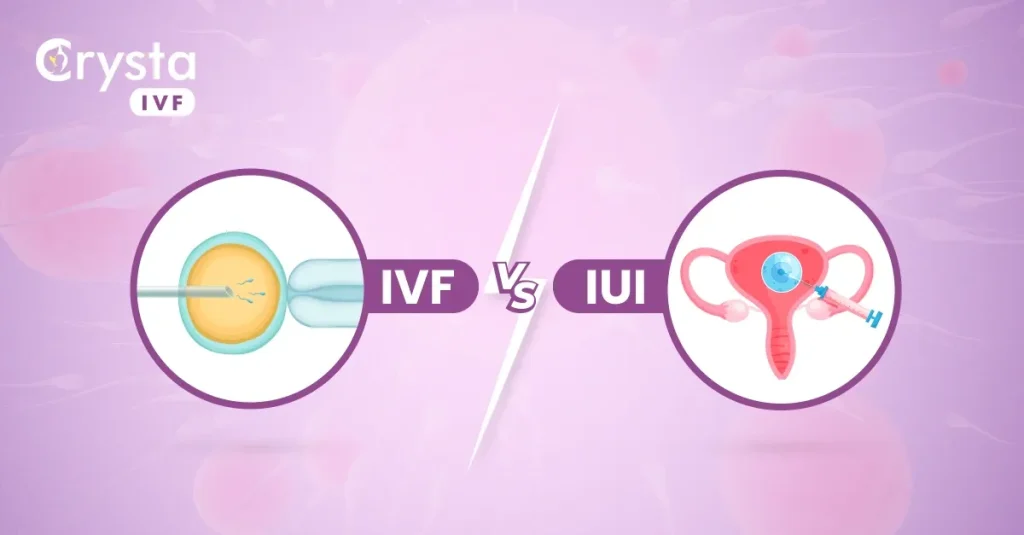
    Comparison of IVF and IUI procedures with illustrations of each method.

    Single Motherhood: Navigating Co-Parenting and Blended Families

    In some cases, co-parenting can be a positive experience for both the parents and the children. When done effectively, it allows the children to have a relationship with both parents, even if they are no longer together. It also helps to relieve some of the burden on the single mother, as she has someone to share the responsibilities and decisions with. However, it’s important to remember that co-parenting is not easy, and it takes effort and cooperation from both parties.

    Blended Families: Navigating Relationships with Step-Children and Step-Parents
    For single mothers who have entered into a new relationship and are now part of a blended family, there are even more dynamics to navigate. Building a relationship with step-children and a co-parenting relationship with a partner’s ex can be challenging. It’s crucial for single mothers to communicate openly and honestly with their partner and establish a united front when it comes to parenting decisions.

    When it comes to building relationships with step-children, it’s important to approach it with patience and understanding. It’s natural for children to have mixed feelings about a new parental figure in their lives. Single mothers should take the time to get to know their step-children and build trust and rapport. It’s also essential to respect the children’s relationship with their biological parent and not try to replace them.

    Finding a Balance: Prioritizing Self-Care and Family Time
    With all the responsibilities of single motherhood, it’s easy for self-care and quality family time to fall by the wayside. However, it’s crucial for single mothers to find a balance and prioritize these aspects of their life. Making time for self-care activities such as exercise, hobbies, or simply taking a break to relax and recharge is essential for mental and emotional well-being.

    Similarly, setting aside quality time to spend with the children is crucial. This could be in the form of family dinners, game nights, or outings. It’s important for single mothers to create a sense of stability and security for their children, especially in the midst of all the changes that come with co-parenting and blended families.

    In Summary
    Single motherhood is a reality that many women face, and it comes with its own set of challenges. Navigating co-parenting and blended families can add an extra layer of complexity, but with effective communication, clear boundaries, and prioritizing self-care and family time, it can be managed successfully. As single mothers, it’s essential to remember that you are not alone, and seeking out support and resources can make all the difference in this journey.

  • Fostering a Positive Co-Parenting Dynamic: Tips and Advice from Experienced Parents

    Co-parenting, or raising a child with a former partner or spouse, can be a challenging and emotionally charged experience. However, with the right mindset and approach, it is possible to foster a positive co-parenting dynamic that benefits both the child and the parents. In this blog post, we will share tips and advice from experienced co-parents on how to create a healthy and harmonious co-parenting relationship.

    1. Put the Child First

    The most important aspect of co-parenting is to prioritize the well-being and happiness of the child. Remember that your child did not choose to have divorced or separated parents, and it is your responsibility to ensure that they have a stable and loving environment. This means putting aside any personal issues or conflicts with your ex-partner and focusing on what is best for your child.

    2. Communicate Effectively

    Effective communication is key to a successful co-parenting relationship. It is crucial to have open and honest communication with your ex-partner about all aspects of your child’s life, including schedules, school, health, and any important decisions. Utilize technology such as email or co-parenting apps to communicate efficiently and keep a record of conversations. Avoid any confrontational or accusatory language and always try to remain calm and respectful.

    3. Create a Co-Parenting Plan

    Having a detailed co-parenting plan in place can help avoid conflicts and promote a smooth co-parenting experience. This plan should outline schedules for visitation, holidays, vacations, and any other important events. It should also include guidelines for decision-making and how to handle any potential disagreements. Both parents should have equal input in creating this plan and be willing to compromise for the sake of their child.

    4. Be Flexible

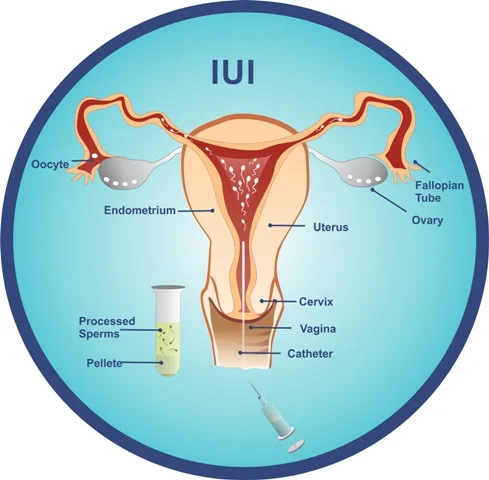
    illustration of an intrauterine insemination procedure with medical instruments and anatomical details

    Fostering a Positive Co-Parenting Dynamic: Tips and Advice from Experienced Parents

    Flexibility is crucial in co-parenting, as schedules and situations may change unexpectedly. It is essential to be open to making adjustments to the co-parenting plan when necessary. This shows a willingness to work together and puts the child’s needs first. It also helps to build trust and a positive co-parenting dynamic.

    5. Respect Boundaries

    Respecting boundaries is essential for co-parenting success. It is crucial to establish boundaries and respect each other’s privacy. This means not interfering in each other’s personal lives and not using your child as a messenger or a way to gather information about your ex-partner. Boundaries also include respecting each other’s parenting styles and not undermining one another in front of the child.

    6. Be Supportive

    Even though you are no longer in a romantic relationship with your ex-partner, you are still a team when it comes to raising your child. It is important to be supportive of each other’s parenting and show appreciation for the efforts made by both parents. This can include attending school events together, sharing important milestones, and offering emotional support when needed.

    7. Seek Professional Help

    If you find it challenging to communicate and co-parent effectively, do not hesitate to seek professional help. A therapist or co-parenting counselor can provide guidance and support in navigating a healthy co-parenting relationship. They can also help you and your ex-partner address any unresolved issues and find ways to work through them for the sake of your child.

    In summary, co-parenting requires dedication, communication, and a willingness to put the child’s needs first. By following these tips and advice from experienced co-parents, you can create a positive co-parenting dynamic that benefits everyone involved. Remember to prioritize the well-being of your child, communicate effectively, create a co-parenting plan, be flexible and respectful, be supportive, and seek professional help if needed. With patience and understanding, you and your ex-partner can successfully co-parent and provide a loving and stable environment for your child.

  • The Benefits of Co-Parenting: A New Approach to Starting a Family

    Co-parenting, also known as shared parenting, is a relatively new approach to starting a family that has been gaining popularity in recent years. It involves two or more individuals who are not in a romantic relationship coming together to raise a child or children as co-parents. While this concept may seem unconventional to some, it has many benefits for both the children and the co-parents. In this blog post, we will explore the benefits of co-parenting and how it can be a positive and rewarding experience for all involved.

    1. Shared Responsibilities: One of the main advantages of co-parenting is that the responsibilities of raising a child are shared between two or more individuals. This means that the workload is divided, making it easier for everyone involved. Co-parents can take turns with tasks such as feeding, bathing, and putting the child to bed, allowing for more balance and flexibility in their schedules.

    2. Financial Benefits: Raising a child can be expensive, and co-parenting can help alleviate some of the financial burden. By sharing the costs of raising a child, co-parents can save money on expenses such as child care, education, and extracurricular activities. This can also allow for a more stable financial situation, as the costs are divided between multiple individuals.

    3. Greater Support System: Co-parenting provides a built-in support system for both the children and the co-parents. Raising a child can be challenging, and having someone to share the ups and downs with can make a big difference. Co-parents can support each other in decision-making, provide emotional support, and share the joys and challenges of parenting together.

    4. More Quality Time with the Children: In traditional parenting arrangements, one parent often takes on the majority of the child-rearing responsibilities, leaving the other with less time to spend with the children. With co-parenting, the responsibilities are shared, allowing both parents to have more quality time with their children. This can lead to stronger and more meaningful relationships between the co-parents and their children.

    5. Positive Role Models: Co-parenting can provide children with positive role models from both genders. This can be especially beneficial for children who may not have a father or mother figure in their lives. By having multiple co-parents, children can learn from different perspectives and experiences, leading to a more well-rounded upbringing.

    diagram illustrating intrauterine insemination (IUI) with labeled reproductive anatomy and procedures

    The Benefits of Co-Parenting: A New Approach to Starting a Family

    6. Better Communication and Co-Parenting Skills: In order for co-parenting to be successful, effective communication and co-parenting skills are necessary. Co-parents must learn to work together, compromise, and make joint decisions for the well-being of their children. These skills can also translate into other areas of life and can be beneficial for future relationships.

    7. Blended Families: Co-parenting can also be a great option for blended families. In situations where one or both parents have children from previous relationships, co-parenting allows for the blending of families and creating a supportive and loving environment for all the children involved.

    8. Reduced Conflict: In traditional parenting arrangements, conflicts can arise between the parents, which can negatively affect the children. With co-parenting, the focus is on the child’s well-being, and both parents work together to make decisions that are in the best interest of the child. This can lead to less conflict and a more harmonious environment for everyone involved.

    9. Flexibility: Co-parenting allows for more flexibility in parenting arrangements. In traditional families, one parent may have to sacrifice their career or personal goals to take care of the children. With co-parenting, both parents can continue to pursue their individual goals while still being actively involved in their children’s lives.

    10. Happier Children: Children who grow up in a co-parenting arrangement often have a more positive outlook on family dynamics and relationships. They learn to adapt to different parenting styles and have the opportunity to experience love and support from multiple individuals. This can lead to happier and healthier children in the long run.

    In conclusion, co-parenting has many benefits for both the children and the co-parents involved. It allows for shared responsibilities, financial stability, a strong support system, and more quality time with the children. It also promotes positive role models, better communication and co-parenting skills, and reduced conflict. With the changing dynamics of modern families, co-parenting can be a viable and rewarding option for starting a family.

    Meta Description: Discover the benefits of co-parenting, a new approach to starting a family. From shared responsibilities to happier children, co-parenting has many advantages for both the children and the co-parents involved. Find out more in this blog post.