Tag: balance

  • Fertility Medications and Supplements: Finding the Right Balance for Your Body

    Title: Fertility Medications and Supplements: Finding the Right Balance for Your Body

    Introduction:
    Fertility issues are becoming increasingly common among couples and can be a major source of stress and anxiety. While there are various factors that can affect fertility, one aspect that many people overlook is the role of medications and supplements. In this blog post, we will discuss the different types of fertility medications and supplements, their effects on the body, and how to find the right balance for optimal fertility.

    Understanding Fertility Medications:
    Fertility medications are commonly used to treat infertility in both men and women. These medications work by regulating hormone levels and stimulating ovulation in women, and improving sperm count and motility in men. Some of the most common fertility medications include Clomid, Letrozole, and Gonadotropins. These medications can be taken orally, injected, or administered vaginally.

    Effects of Fertility Medications on the Body:
    While fertility medications can be effective in treating infertility, they can also have some side effects. These can include headaches, nausea, bloating, mood swings, and hot flashes. It is important to discuss these potential side effects with your doctor and monitor your body’s response to the medication. In some cases, medications may need to be adjusted or changed if the side effects become too severe.

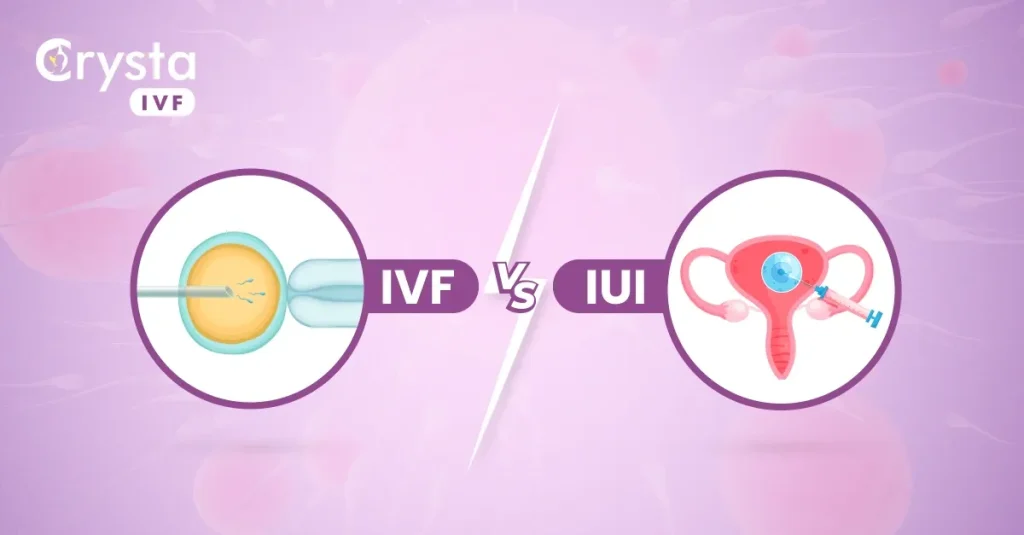
    Comparison of IUI and IVF with illustrations of each procedure.

    Fertility Medications and Supplements: Finding the Right Balance for Your Body

    Supplements for Fertility:
    In addition to fertility medications, many people turn to supplements as a natural way to boost fertility. Some of the most popular supplements for fertility include CoQ10, Vitamin D, and Omega-3 fatty acids. These supplements work by improving egg and sperm quality, regulating hormones, and reducing inflammation in the body. However, it is important to note that supplements are not regulated by the FDA and their effectiveness may vary from person to person.

    Finding the Right Balance:
    When it comes to fertility medications and supplements, it is crucial to find the right balance for your body. This can be a trial-and-error process and it is important to work closely with your doctor to monitor your body’s response. It is also recommended to start with the lowest effective dose and gradually increase if needed. Additionally, it is important to maintain a healthy and balanced diet and lifestyle, as these can also greatly impact fertility.

    Consulting with a Fertility Specialist:
    If you are struggling with infertility, it may be beneficial to consult with a fertility specialist. These doctors have specialized training and can provide individualized treatment plans based on your specific needs. They can also monitor your body’s response to medications and supplements and make necessary adjustments for optimal results.

    Conclusion:
    Fertility medications and supplements can be powerful tools in helping couples achieve their dream of starting a family. However, it is important to understand the potential side effects and find the right balance for your body. Consulting with a doctor and maintaining a healthy lifestyle are key factors in increasing the chances of success.

    In summary, fertility medications and supplements can be effective in treating infertility, but it is important to find the right balance and work closely with a doctor to monitor your body’s response. Supplements can also be helpful, but their effectiveness may vary and they should not be used as a substitute for medical treatment. Consulting with a fertility specialist can provide personalized care and increase the chances of success in achieving pregnancy.


  • Natural vs Medicinal Approaches to Fertility: Finding the Right Balance

    Natural vs Medicinal Approaches to Fertility: Finding the Right Balance

    Fertility is a topic that has gained more attention in recent years as more couples struggle with infertility issues. With the increasing availability of fertility treatments and medications, many people are turning to modern medicine for help in conceiving a child. However, there is a growing interest in natural approaches to fertility, which involves using natural methods and lifestyle changes to increase the chances of conception. In this blog post, we will explore the differences between natural and medicinal approaches to fertility and how finding the right balance between the two can lead to successful and healthy pregnancies.

    Natural Approaches to Fertility

    Natural approaches to fertility focus on using natural methods to optimize the body’s reproductive health. This can include changes in diet, exercise, stress management techniques, and the use of herbal supplements. These methods aim to support the body’s natural functions and promote overall well-being, rather than targeting a specific fertility issue.

    Diet plays a crucial role in natural fertility. A diet that is rich in whole, unprocessed foods, and low in sugar and unhealthy fats can improve hormone balance, boost egg and sperm health, and increase chances of conception. Certain foods, such as leafy greens, avocados, and nuts, are known to support fertility due to their high nutrient content.

    Regular exercise is also beneficial for fertility, as it helps regulate hormone levels, maintain a healthy weight, and reduce stress. Stress is a known contributor to infertility, and incorporating stress management techniques such as yoga, meditation, or acupuncture can help improve fertility outcomes.

    Another aspect of natural fertility is the use of herbal supplements. Herbs such as maca, chasteberry, and red raspberry leaf have been traditionally used to support reproductive health and boost fertility. However, it is essential to consult with a healthcare provider before incorporating any herbal supplements into your routine, as they may interact with other medications or have adverse effects on certain health conditions.

    Medicinal Approaches to Fertility

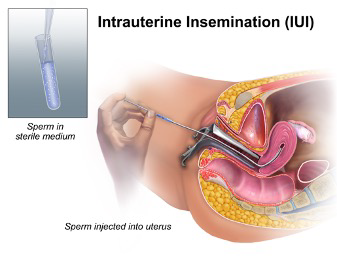
    Medicinal approaches to fertility involve using medications and assisted reproductive technologies (ART) to overcome fertility challenges. Medications such as Clomid and Letrozole are commonly used to stimulate ovulation in women with irregular menstrual cycles. ART, on the other hand, includes procedures like intrauterine insemination (IUI) and in vitro fertilization (IVF) to help couples conceive.

    Illustration of the IUI process, showing a syringe and catheter in the reproductive system.

    Natural vs Medicinal Approaches to Fertility: Finding the Right Balance

    Medications and ART can be effective in treating specific fertility issues, such as hormonal imbalances, blocked fallopian tubes, or low sperm count. However, they also come with potential side effects and risks, and they can be costly. Additionally, many couples may find the process emotionally and physically draining.

    Finding the Right Balance

    The decision between natural and medicinal approaches to fertility should not be a black and white one. Both approaches have their benefits and limitations, and it is essential to find the right balance to achieve the best possible outcome.

    For couples struggling with fertility, it is crucial to consult with a healthcare provider who specializes in fertility. They can assess your specific situation and recommend the best approach for you. In some cases, a combination of natural and medicinal approaches may be recommended.

    One example of this is using natural methods to prepare the body for an ART procedure. Studies have shown that incorporating lifestyle changes, such as diet and exercise, can improve the success rates of IVF. Additionally, some herbal supplements may support the body during fertility treatments and help reduce side effects.

    It is also important to listen to your body and make informed decisions. While medications and ART may be necessary for some couples, others may find success with natural methods alone. It is essential to understand the potential risks and benefits of each approach and choose what feels right for you.

    In conclusion, both natural and medicinal approaches to fertility have their place in helping couples conceive. By finding the right balance between the two, couples can optimize their chances of a successful and healthy pregnancy. It is crucial to consult with a healthcare provider and listen to your body to make informed decisions about your fertility journey.

    Summary:

    Fertility is a topic that has gained more attention in recent years, with more couples struggling with infertility issues. While modern medicine offers various treatments and medications, there is also a growing interest in natural approaches to fertility. These methods involve lifestyle changes, such as diet, exercise, and stress management, as well as the use of herbal supplements. On the other hand, medicinal approaches to fertility involve medications and assisted reproductive technologies (ART) like IVF. It is essential to find the right balance between the two approaches to achieve the best possible outcome. Consulting with a healthcare provider and listening to your body can help you make informed decisions about your fertility journey.

  • Traditional Exercise vs Fertility Yoga: Which Is More Effective for Fertility?

    Traditional Exercise vs Fertility Yoga: Which Is More Effective for Fertility?

    When it comes to fertility, many couples struggle to conceive and often turn to alternative methods to increase their chances. Two popular options are traditional exercise and fertility yoga. Both have their own benefits and advocates, but which one is more effective for fertility? In this blog post, we will explore the differences between traditional exercise and fertility yoga and their impact on fertility.

    Traditional Exercise:

    Traditional exercise includes activities such as running, weightlifting, and other high-intensity workouts. These types of exercises are known to improve overall health and fitness levels, but how do they specifically affect fertility?

    One study conducted by the Harvard School of Public Health found that women who performed high-intensity exercises for five or more hours per week had a 42% lower chance of ovulatory infertility compared to those who did not exercise. Another study from the University of North Carolina found that women who performed moderate to high-intensity exercises had a 3.2% lower chance of infertility compared to those who did not exercise at all.

    So, it seems that traditional exercises do have a positive impact on fertility, but there are also some drawbacks to consider. High-intensity workouts can cause stress on the body, leading to hormonal imbalances that can affect fertility. Additionally, over-exercising and having a low body fat percentage can also cause menstrual irregularities and decrease the chances of ovulation.

    Fertility Yoga:

    On the other hand, fertility yoga is a form of exercise that focuses on specific poses and breathing techniques to improve reproductive health. It is believed that certain yoga poses can increase blood flow to the reproductive organs, balance hormones, and reduce stress levels, all of which can improve fertility.

    A person administering an injection into their abdomen with a yellow pen-like device.

    Traditional Exercise vs Fertility Yoga: Which Is More Effective for Fertility?

    One study published in the Journal of Alternative and Complementary Medicine found that women who practiced yoga for three months had a 17% increase in pregnancy rates compared to those who did not. Another study from the University of Washington found that women who participated in a 10-week yoga program had improved levels of stress and fertility-related hormones.

    Fertility yoga also has additional benefits that traditional exercise does not offer. It can help regulate menstrual cycles, improve pelvic floor strength, and provide a sense of relaxation and calmness, which can be beneficial for couples struggling with fertility issues.

    So, Which Is More Effective for Fertility?

    The answer is not straightforward as both traditional exercise and fertility yoga have their own advantages and limitations. Traditional exercise can improve overall health and fitness levels, leading to better chances of fertility, but it can also cause stress and hormonal imbalances. Fertility yoga, on the other hand, has been shown to directly impact reproductive health and reduce stress levels, but it may not provide the same physical benefits as traditional exercise.

    The key is to find a balance between the two. Incorporating both traditional exercise and fertility yoga into a well-rounded fitness routine can provide the best results for fertility. For example, you can perform high-intensity workouts a few times a week and practice fertility yoga on the other days. This way, you can reap the benefits of both forms of exercise without overdoing either.

    It is also important to consult with a doctor or fertility specialist before starting any new exercise routine. They can provide personalized recommendations based on your specific health and fertility needs.

    In conclusion, both traditional exercise and fertility yoga have their own benefits and limitations when it comes to fertility. The key is to find a balance and incorporate both into a well-rounded fitness routine. Remember to consult with a healthcare professional before starting any new exercise routine, and always listen to your body to avoid over-exercising.

    Summary:

    Traditional exercise and fertility yoga are two popular methods used by couples to improve their chances of fertility. Traditional exercise, such as high-intensity workouts, can improve overall health and fitness levels, but it can also cause stress and hormonal imbalances. On the other hand, fertility yoga focuses on specific poses and breathing techniques to improve reproductive health and reduce stress levels. While both have their own benefits and limitations, finding a balance between the two may provide the best results for fertility. It is important to consult with a healthcare professional before starting any new exercise routine and to listen to your body to avoid over-exercising.

  • The Benefits of Balance: Combining Online Forums and In-Person Support Groups

    In today’s digital age, we have access to an endless amount of information and resources at our fingertips. This includes online forums and support groups that provide a virtual space for individuals to connect with others who share similar interests, experiences, or struggles. While these online platforms offer convenience and anonymity, they cannot replace the power of face-to-face interactions in traditional support groups. In this blog post, we will explore the benefits of finding balance between utilizing online forums and attending in-person support groups.

    One of the main advantages of online forums is the accessibility factor. Unlike traditional support groups that have set meeting times and locations, online forums allow individuals to connect with others at any time, from anywhere. This is especially beneficial for those who may live in remote areas or have busy schedules that make it difficult to attend in-person meetings. In addition, online forums offer a sense of anonymity, which can make it easier for individuals to open up and share their thoughts and feelings without the fear of judgment from others.

    Another benefit of online forums is the diversity of perspectives and experiences that can be found. In traditional support groups, individuals may be limited to the opinions and advice of those in their immediate geographic area. However, with online forums, individuals have access to a global community of people who may have different backgrounds and perspectives. This can be especially helpful for those who are seeking support for niche topics or have specific needs that may not be met in their local support groups.

    On the other hand, in-person support groups offer a unique level of connection and support that cannot be replicated online. Being in the physical presence of others who are going through similar struggles can provide a sense of comfort and understanding that may be lacking in online forums. In addition, the opportunity to engage in face-to-face conversations and activities can help individuals build deeper connections and form meaningful relationships.

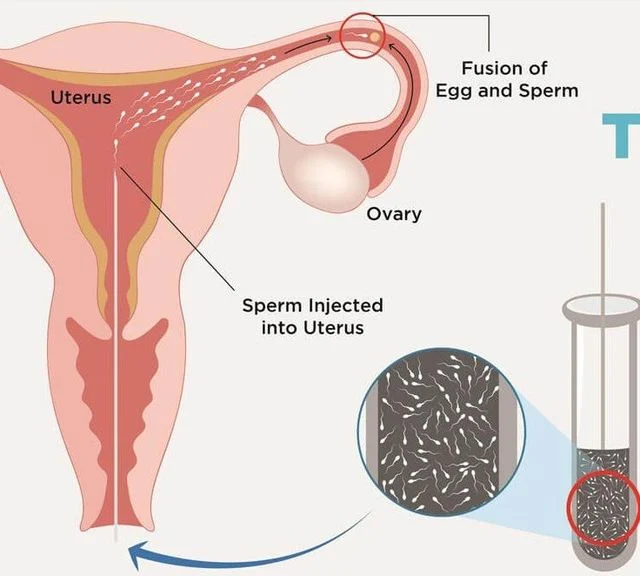
    Illustration of intrauterine insemination (IUI) procedure, showing sperm injection into the uterus.

    The Benefits of Balance: Combining Online Forums and In-Person Support Groups

    In-person support groups also offer a structured setting that can be beneficial for those who struggle with self-motivation or accountability. The regular meetings and activities provide a sense of routine and purpose, which can be helpful for individuals who may feel isolated or lost in their struggles. In addition, many in-person support groups offer educational resources and guest speakers, providing individuals with valuable knowledge and tools to help them cope with their challenges.

    One of the most significant benefits of combining online forums and in-person support groups is the opportunity for ongoing support and community. Often, individuals may feel alone in their struggles and may not have anyone to turn to for support. By utilizing both online forums and in-person support groups, individuals can build a support network that is available to them at all times. This can be especially helpful during times of crisis or when individuals need immediate support and understanding.

    Moreover, finding a balance between online and in-person support can also be beneficial for self-care. While online forums offer convenience and accessibility, in-person support groups provide a break from the digital world and allow individuals to unplug and focus on their well-being. By incorporating both into their support system, individuals can ensure that they are taking care of their mental health needs in a holistic way.

    In conclusion, online forums and in-person support groups each have their unique advantages, and finding a balance between the two can be incredibly beneficial. The convenience and accessibility of online forums allow individuals to connect with a diverse range of people and access resources at any time. On the other hand, in-person support groups provide a more personal and structured setting that can foster deeper connections and offer valuable support and resources. By utilizing both, individuals can create a well-rounded support system that meets their needs and promotes overall well-being.

    In summary, utilizing both online forums and in-person support groups can provide individuals with a well-rounded support system. Online forums offer accessibility and anonymity, while in-person support groups offer a sense of community and structure. By finding balance between the two, individuals can access a diverse range of perspectives, build meaningful connections, and prioritize their mental health needs. So, whether online or in-person, remember to prioritize your well-being and find the support that works best for you.

  • Fertility and Chiropractic Care: A Holistic Approach to Balance

    Fertility is a topic that is often surrounded by myths and misconceptions, causing many women and couples to feel overwhelmed and confused. The truth is, fertility is a complex and multifaceted issue, and there is no one-size-fits-all solution. However, one approach that has been gaining recognition in recent years is chiropractic care.

    Chiropractic care is a holistic approach to health that focuses on maintaining proper alignment and function of the spine and nervous system. While many people may associate chiropractic care with back pain or injuries, its benefits go far beyond that. In fact, studies have shown that chiropractic care can have a positive impact on fertility and reproductive health.

    In this blog post, we will explore the connection between fertility and chiropractic care, and how this holistic approach can help women achieve balance and improve their chances of conceiving.

    The Connection between Fertility and Chiropractic Care

    The nervous system plays a crucial role in the body’s functioning, including reproductive health. The nerves that control reproductive organs originate from the spine, making the spine and nervous system vital for optimal reproductive function. Any misalignments or imbalances in the spine can disrupt the communication between the brain and reproductive organs, leading to issues with fertility.

    Chiropractic care works by correcting these misalignments, also known as subluxations, through gentle adjustments of the spine. This helps restore proper nerve function and allows the body to function at its best.

    One study published in the Journal of Pediatric, Maternal, and Family Health found that 75% of women who received chiropractic care had improved fertility and were able to conceive within six months to a year. This is a significant improvement compared to the 20% success rate of those who relied on assisted reproductive technologies.

    Balancing Hormones and Menstrual Cycles

    Hormonal imbalances are a common cause of fertility issues in women. Hormones are responsible for regulating the menstrual cycle and preparing the body for pregnancy. Any disruptions in this delicate balance can make it challenging to conceive.

    Chiropractic care can help regulate hormonal imbalances by improving the function of the endocrine system. The endocrine system is responsible for producing and regulating hormones, and any interference in its function can lead to issues with fertility. By correcting spinal misalignments, chiropractic care can help restore balance to the endocrine system, improving hormonal health and menstrual cycles.

    Stress Reduction and Fertility

    Stress is a significant factor that can impact fertility. In today’s fast-paced world, many women experience high levels of stress, which can interfere with their reproductive health. Chronic stress can disrupt the balance of hormones and affect the functioning of the reproductive organs.

    Diagram illustrating the IUI process, showing sperm injection into the uterus and egg fertilization.

    Fertility and Chiropractic Care: A Holistic Approach to Balance

    Chiropractic care can help reduce stress levels by promoting relaxation and reducing tension in the body. The gentle adjustments of the spine can also help release tension in the muscles, which can alleviate physical symptoms of stress. Additionally, chiropractors can provide lifestyle recommendations and resources to help manage stress levels and promote overall well-being.

    Pregnancy and Chiropractic Care

    Pregnancy is a time of significant changes in a woman’s body, and chiropractic care can play a crucial role in supporting a healthy pregnancy. As the body changes to accommodate the growing baby, the spine and pelvis can become misaligned, leading to discomfort and pain. Chiropractic adjustments can help relieve these discomforts and ensure proper alignment of the spine and pelvis, which can also improve the baby’s positioning for birth.

    Chiropractic care during pregnancy can also help with other common pregnancy-related issues such as nausea, headaches, and sciatica. It can also aid in maintaining a healthy nervous system, which is vital for the developing baby’s growth and development.

    Postpartum Care

    Chiropractic care can also be beneficial for women after giving birth. The physical demands of labor and delivery can cause stress and strain on the body. Chiropractic adjustments can help restore proper alignment and alleviate any discomfort or pain. It can also aid in postpartum recovery by promoting relaxation and reducing stress levels.

    Additionally, chiropractic care can also help with breastfeeding challenges, such as mastitis and difficulty latching, by addressing any spinal misalignments that may be interfering with the body’s natural ability to produce and release milk.

    A Holistic Approach to Fertility and Reproductive Health

    Chiropractic care offers a holistic approach to fertility and reproductive health by addressing the root cause of the issue rather than just treating the symptoms. It focuses on bringing the body into balance, allowing it to function optimally and improve overall health and well-being.

    In addition to chiropractic adjustments, chiropractors may also provide lifestyle recommendations, such as proper nutrition and exercise, to support fertility and reproductive health. This holistic approach can help women achieve balance in their physical, emotional, and mental well-being, which is crucial for optimal fertility.

    In Summary

    Fertility issues can be challenging and overwhelming, but they do not have to be faced alone. Chiropractic care offers a holistic approach to fertility and reproductive health, focusing on restoring balance to the body and addressing the root cause of the issue. By improving spinal alignment and nerve function, chiropractic care can help regulate hormones, reduce stress, and support a healthy pregnancy and postpartum recovery. With its many benefits, chiropractic care can be an essential component of a holistic approach to balancing fertility and reproductive health.

    Metadata:

  • Finding Balance: Combining Holistic and Western Medicine for Fertility

    Blog Post Title: Finding Balance: Combining Holistic and Western Medicine for Fertility

    Summary:

    Fertility is a complex and sensitive topic, and for those struggling to conceive, it can be a stressful and emotional journey. In recent years, the use of holistic and alternative medicine has gained popularity as a way to support fertility and improve overall well-being. However, many people are still hesitant to fully embrace these approaches and may prefer the more traditional methods of Western medicine.

    In this blog post, we will explore the concept of finding balance between holistic and Western medicine when it comes to fertility. We will delve into the benefits and limitations of each approach and discuss how they can complement each other in a holistic approach to fertility. By understanding and combining both approaches, individuals and couples can find a more comprehensive and effective way to support their fertility journey.

    Understanding Holistic Medicine:

    Holistic medicine takes a whole-body approach to health and wellness, focusing on the interconnectedness of the body, mind, and spirit. It emphasizes the importance of treating the root cause of an issue rather than just the symptoms. When it comes to fertility, holistic medicine looks at the overall health and well-being of the individual, rather than just the reproductive system.

    Some common holistic approaches to fertility include acupuncture, herbal remedies, and mind-body practices such as yoga and meditation. These methods aim to balance the body’s natural energy and promote overall health, which can have a positive impact on fertility.

    Benefits of Holistic Medicine for Fertility:

    One of the main benefits of holistic medicine for fertility is its focus on overall well-being. By addressing underlying health issues and promoting balance in the body, holistic practices can improve fertility and increase the chances of conception. Additionally, many holistic methods, such as acupuncture, have been shown to reduce stress and anxiety, which can have a significant impact on fertility.

    Moreover, holistic medicine can be a more natural and non-invasive option for those who want to avoid or supplement Western medical treatments. It can also be a complementary approach for those already undergoing fertility treatments, as it can help manage side effects and improve the overall success of treatments.

    Diagram illustrating the IUI process, showing sperm injection into the uterus and egg fertilization.

    Finding Balance: Combining Holistic and Western Medicine for Fertility

    Limitations of Holistic Medicine for Fertility:

    While holistic medicine can be beneficial for fertility, it is not a quick fix or a guaranteed solution. It may take time and commitment to see results, and it may not be suitable for everyone. It is essential to consult with a qualified and experienced practitioner to ensure that you are receiving safe and effective treatment.

    Combining Western and Holistic Approaches:

    Western medicine, on the other hand, is based on scientific evidence and focuses on treating specific medical conditions with medication, surgery, or other procedures. When it comes to fertility, Western medicine can provide solutions for specific issues that may be hindering conception, such as hormonal imbalances or structural problems.

    By combining Western and holistic approaches, individuals can benefit from the best of both worlds. For example, someone undergoing IVF treatments can also incorporate acupuncture and herbal remedies to support the success of the procedure.

    Finding Balance:

    The key to finding balance between holistic and Western medicine for fertility is understanding that they are not mutually exclusive. Both approaches have their strengths and limitations, and by combining them, individuals can create a more comprehensive and personalized plan for their fertility journey.

    It is essential to consult with healthcare professionals who are open to incorporating both approaches and can work together to create a personalized treatment plan. It is also crucial to listen to your body and find what works best for you, as every individual is unique, and what works for one may not work for another.

    Conclusion:

    In conclusion, finding balance between holistic and Western medicine for fertility is about embracing a more comprehensive and individualized approach. By understanding the benefits and limitations of each approach and working with qualified practitioners, individuals can find the right balance that works for their unique needs. Whether it is through lifestyle changes, supplements, or medical treatments, the ultimate goal is to support fertility and overall well-being.

    SEO Metadata:

  • Finding Balance: Integrating Fertility Supplements and Medical Treatments

    Blog Post:

    Finding Balance: Integrating Fertility Supplements and Medical Treatments

    When it comes to trying to conceive, many couples are open to exploring any and all options to increase their chances of conception. From fertility supplements and herbal remedies to medical treatments like IVF, there are a plethora of options available. However, the question remains: can these two approaches be integrated for optimal results? In this blog post, we will dive into the world of fertility supplements and medical treatments and discuss how finding balance between the two can lead to successful outcomes.

    Understanding Fertility Supplements:

    Fertility supplements have gained popularity in recent years as more and more couples turn to alternative methods to help them conceive. These supplements come in various forms such as pills, powders, and teas and are often made with natural ingredients like herbs, vitamins, and minerals. Some of the most common supplements used for fertility include Maca, Vitex, CoQ10, and Folic Acid.

    The idea behind fertility supplements is to nourish the body with essential nutrients that can support hormonal balance, egg quality, and overall reproductive health. Many of these supplements have been used for centuries in traditional medicine and have gained attention for their potential benefits in aiding fertility.

    Understanding Medical Treatments:

    On the other hand, medical treatments for fertility, such as IVF (In Vitro Fertilization), are considered more invasive and require the use of medications and procedures to help couples conceive. IVF involves retrieving eggs from a woman’s ovaries and fertilizing them with sperm in a laboratory. The embryo is then transferred back into the woman’s uterus, with the hope of a successful pregnancy.

    While medical treatments have a higher success rate compared to fertility supplements, they also come with a higher cost and potential risks. It is important to consult with a fertility specialist to determine if IVF or other medical treatments are the right option for you.

    Comparison of IVF and IUI procedures with illustrations of each method.

    Finding Balance: Integrating Fertility Supplements and Medical Treatments

    Integrating Fertility Supplements and Medical Treatments:

    Now that we have a better understanding of both fertility supplements and medical treatments, let’s explore how they can be integrated for optimal results. Many fertility specialists agree that a balanced approach is key to increasing the chances of conception. This means incorporating both supplements and medical treatments, depending on each individual’s needs.

    For example, if a woman has been diagnosed with PCOS (Polycystic Ovary Syndrome), a common hormonal disorder that affects fertility, she may benefit from taking supplements like Vitex or Inositol to balance her hormones. At the same time, she may also need to undergo medical treatments like IVF to address any ovulation issues and increase her chances of conception.

    Another example is for men who have been diagnosed with low sperm count or poor sperm quality. Along with medical treatments like IUI (Intrauterine Insemination), supplements like CoQ10 and Maca have been shown to improve sperm health and increase the chances of pregnancy.

    The key is to work closely with a fertility specialist who can create a personalized treatment plan that integrates both supplements and medical treatments to address any underlying fertility issues.

    Considerations When Using Fertility Supplements and Medical Treatments:

    While integrating fertility supplements and medical treatments can be beneficial, there are some considerations to keep in mind. It is important to inform your fertility specialist about any supplements you are taking as they could interact with certain medications or procedures. Additionally, not all supplements are created equal, so it is essential to do thorough research and consult with a healthcare professional before adding them to your routine.

    It is also crucial to maintain a healthy lifestyle while undergoing fertility treatments. Eating a balanced diet, staying physically active, and managing stress levels can all contribute to a successful outcome.

    In summary, finding balance between fertility supplements and medical treatments can lead to optimal results when trying to conceive. While supplements can support overall reproductive health, medical treatments can address specific fertility issues. Working with a fertility specialist and maintaining a healthy lifestyle are key components in this integrated approach.

    SEO Metadata:

  • Single Motherhood: Finding Balance and Self-Care

    Blog Post: Single Motherhood: Finding Balance and Self-Care

    Being a single mother is a challenging and demanding role. You are responsible for not only caring for your children but also managing all aspects of your household and potentially working a full-time job. It can often feel overwhelming and exhausting, leaving little time for yourself. However, it is essential to find a balance and prioritize self-care as a single mother. In this blog post, we will discuss the importance of finding balance and self-care as a single mother and provide tips on how to achieve it.

    Finding Balance:

    One of the biggest challenges for single mothers is finding balance in their daily lives. Between work, caring for children, and managing household responsibilities, it can feel like there is never enough time in the day. However, finding balance is crucial for your physical and mental well-being. Here are a few tips to help you find balance as a single mother:

    1. Prioritize tasks: Make a list of all the tasks you need to accomplish each day and prioritize them. Focus on the most important tasks first and save the less important ones for later. This will help you stay organized and ensure that you are not overwhelmed by trying to do everything at once.

    2. Ask for help: As a single mother, it is essential to recognize that you cannot do everything on your own. Don’t be afraid to ask for help from friends or family members. You can also consider hiring a babysitter or a housekeeper to help you with some of the responsibilities, giving you more time to focus on self-care.

    3. Set boundaries: It is easy to get caught up in the demands of being a single mother, but it is crucial to set boundaries. Learn to say no to things that don’t align with your priorities or add unnecessary stress to your life. Setting boundaries will help you manage your time better and avoid burnout.

    IVF vs IUI comparison graphic highlighting reproductive methods for aspiring parents.

    Single Motherhood: Finding Balance and Self-Care

    4. Make time for yourself: It is essential to carve out time for yourself, even if it’s just 15 minutes a day. Use this time to do something you enjoy, whether it’s reading a book, taking a walk, or practicing a hobby. This time is crucial for recharging your batteries and taking care of your mental health.

    Self-Care:

    Self-care is often neglected by single mothers, as they prioritize the needs of their children and household above their own. However, self-care is vital for your overall well-being and should not be overlooked. Here are some self-care practices that can help single mothers find balance and reduce stress:

    1. Exercise: Exercise is not only essential for physical health, but it also has numerous mental health benefits. As a single mother, finding time to exercise may seem challenging, but even a 20-minute walk or a quick yoga session at home can make a significant difference in your overall well-being.

    2. Practice mindfulness: Mindfulness is the act of being fully present and aware of your thoughts, feelings, and surroundings. As a single mother, your mind may be constantly racing with all the things you need to do. Taking a few minutes each day to practice mindfulness can help you relax and reduce stress.

    3. Connect with others: Being a single mother can feel isolating at times, but it is essential to connect with others. Make an effort to maintain friendships or join a support group for single mothers. Having a strong support system can help you feel less alone and provide a safe space to share your struggles and concerns.

    4. Take breaks: It’s easy to feel guilty for taking breaks when there’s so much to do, but breaks are necessary for your well-being. Whenever you feel overwhelmed, take a short break to reset and recharge. You will come back to your tasks with a clearer mind and more energy.

    In summary, being a single mother comes with its unique set of challenges, but it is crucial to find balance and prioritize self-care. By following the tips mentioned above, you can find balance in your daily life and take care of your physical and mental well-being. Remember, taking care of yourself is not selfish; it is necessary to be the best mother you can be for your children.