Tag: at-home tests

  • The Role of Genetics in Fertility Testing: What At-Home Tests Can Reveal

    The Role of Genetics in Fertility Testing: What At-Home Tests Can Reveal

    Fertility is a topic that is often associated with women, but the truth is that both men and women play a crucial role in the ability to conceive and have a healthy pregnancy. While there are many factors that can affect fertility, genetics is one aspect that is often overlooked. In recent years, at-home genetic testing has become increasingly popular and has started to shed light on the impact genetics can have on fertility. In this blog post, we will explore the role of genetics in fertility testing and what at-home tests can reveal.

    Understanding Genetics and Fertility
    Before we dive into the world of genetic testing, it is important to have a basic understanding of genetics and how it relates to fertility. Genetics is the study of genes and how they are passed down from parents to children. Our genes contain the instructions for our body’s development, including reproductive capabilities. When it comes to fertility, genes play a significant role in determining the quality and quantity of eggs and sperm, as well as the functioning of reproductive organs.

    How Genetics Affect Fertility
    Genetics can impact fertility in a variety of ways. Some genetic conditions can directly affect reproductive organs, making it more difficult to conceive. For example, polycystic ovary syndrome (PCOS) is a common genetic condition that can cause hormonal imbalances and lead to irregular ovulation and difficulty getting pregnant. In men, genetic conditions like Klinefelter syndrome can result in low sperm count or abnormal sperm shape, making it harder to fertilize an egg.

    Genetics can also play a role in the quality and quantity of eggs and sperm. As we age, the quality of our eggs and sperm can decline, making it more difficult to conceive. However, some people may have a genetic predisposition to having lower egg or sperm quality even at a younger age. This can be a result of inherited genetic mutations or variants that affect the production of healthy eggs and sperm.

    At-Home Genetic Testing for Fertility
    In the past, genetic testing for fertility was only available through a fertility specialist. However, with the rise of at-home DNA testing kits, it has become more accessible for people to learn about their genetic makeup and how it may affect their fertility. These tests analyze a person’s DNA for specific genetic mutations or variants that may impact fertility.

    A person administering an injection into their abdomen with a yellow pen-like device.

    The Role of Genetics in Fertility Testing: What At-Home Tests Can Reveal

    One of the most popular at-home DNA testing kits is 23andMe, which offers a health and ancestry test that includes a fertility report. This report provides information about genetic variants that may affect fertility, such as PCOS, endometriosis, and early menopause. It also includes a carrier status report, which can identify if a person carries a genetic mutation that may be passed down to their children and potentially impact their fertility.

    Another at-home genetic testing option is Fertilome, a test specifically designed for fertility. This test analyzes genetic variants related to hormone levels, egg quality, and other factors that can affect fertility. It also provides personalized recommendations for improving fertility based on the results.

    What At-Home Testing Can Reveal
    At-home genetic testing for fertility can provide valuable insights into a person’s genetic makeup and how it may impact their ability to conceive. These tests can reveal potential genetic conditions that may affect fertility, as well as any inherited genetic mutations that could be passed down to children. With this information, individuals and couples can make more informed decisions about their reproductive health and seek appropriate medical assistance if needed.

    It is important to note that at-home genetic testing is not a replacement for medical advice from a fertility specialist. These tests can provide helpful information, but they should not be used as a diagnostic tool. If a person has concerns about their fertility, it is always best to consult with a healthcare professional who can provide a thorough evaluation and personalized recommendations.

    In conclusion, genetics play a significant role in fertility, and at-home genetic testing can provide valuable information about potential genetic factors that may impact a person’s ability to conceive. These tests can help individuals and couples make informed decisions about their reproductive health and seek appropriate medical assistance if needed. As the field of genetics continues to advance, we can expect to see more developments in at-home testing for fertility, providing even more insights into this complex and essential aspect of human health.

    Summary:
    In this blog post, we explored the role of genetics in fertility testing and what at-home tests can reveal. Genetics plays a crucial role in fertility, affecting the quality and quantity of eggs and sperm, as well as the functioning of reproductive organs. At-home genetic testing has become increasingly popular and can provide valuable insights into potential genetic factors that may impact fertility. However, it is important to remember that these tests are not a replacement for medical advice and should be used as a tool to supplement fertility evaluations. As technology continues to advance, we can expect to see more developments in at-home testing for fertility, providing even more insights into this complex and essential aspect of human health.
  • At-Home Fertility Testing for Men: How to Improve Sperm Quality and Quantity

    Blog Post:

    Fertility is a crucial factor in a couple’s journey towards starting a family. While it is often assumed that women are solely responsible for fertility, studies have shown that male infertility is just as prevalent, accounting for about 40% of infertility cases. This is why it is essential for men to also take an active role in monitoring and improving their fertility. At-home fertility testing for men is becoming increasingly popular, as it offers a convenient and private way to assess sperm quality and quantity.

    In this blog post, we will discuss everything you need to know about at-home fertility testing for men, including its benefits, how to perform the tests, and ways to improve sperm quality and quantity.

    Benefits of At-Home Fertility Testing for Men:

    One of the main benefits of at-home fertility testing for men is convenience. With traditional fertility testing, men have to make appointments, travel to a clinic, and provide a semen sample in a clinical setting. This can be a daunting and uncomfortable experience for many, leading to hesitation and delay in getting tested. At-home fertility testing allows men to collect their semen sample in the comfort and privacy of their own home, making the process less intimidating.

    Another advantage of at-home fertility testing is cost-effectiveness. Traditional fertility testing can be expensive, with some clinics charging hundreds of dollars for a single semen analysis. At-home tests are much more affordable, with prices ranging from $50 to $100, making it accessible to more people.

    How to Perform At-Home Fertility Tests for Men:

    There are several at-home fertility tests available on the market, each with its specific instructions. However, most tests require a semen sample to be collected and analyzed. The most common type of at-home fertility test is a semen analysis kit, which measures sperm count, motility, and morphology.

    To perform a semen analysis, follow these steps:

    1. Abstain from ejaculation for 2-5 days before the test to ensure an accurate sample.

    2. Wash your hands and genitals thoroughly before collecting the sample.

    3. Collect the semen sample in a sterile container provided in the testing kit.

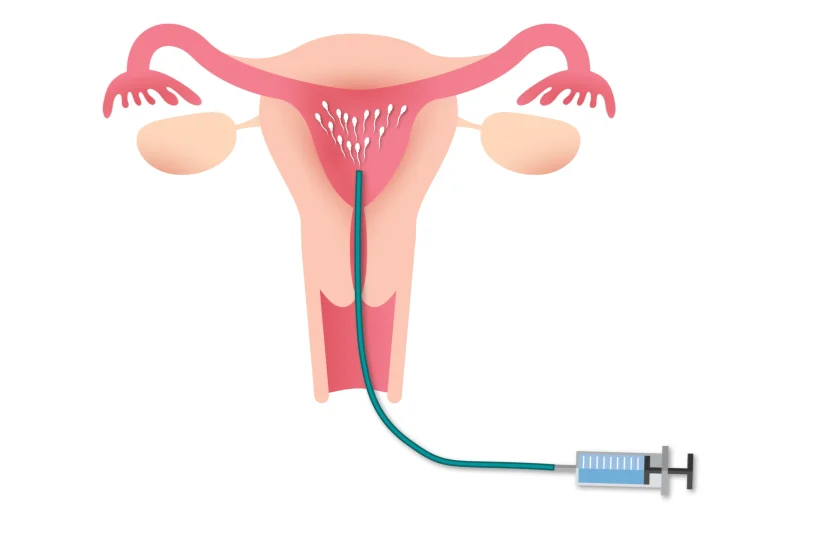
    diagram of a uterus with a syringe for intrauterine insemination procedure

    At-Home Fertility Testing for Men: How to Improve Sperm Quality and Quantity

    4. Follow the instructions on the kit to prepare and analyze the sample.

    5. Read the results and compare them to the reference values provided in the kit.

    If the results show any abnormalities, it is best to consult a healthcare professional for further evaluation and treatment.

    Ways to Improve Sperm Quality and Quantity:

    If you are planning to take an at-home fertility test, it is essential to prepare your body to ensure the most accurate results. Here are some ways to improve sperm quality and quantity:

    1. Maintain a healthy weight: Being overweight or underweight can affect sperm production. Maintaining a healthy weight through a balanced diet and regular exercise can help improve sperm quality and quantity.

    2. Quit smoking and limit alcohol consumption: Smoking and excessive alcohol intake have been linked to decreased sperm quality. Quitting smoking and reducing alcohol consumption can improve overall health and increase sperm count and motility.

    3. Reduce stress: High levels of stress can interfere with hormone production and sperm production. Engage in relaxation techniques such as meditation, yoga, or regular exercise to manage stress levels.

    4. Avoid excessive heat exposure: High temperatures can damage sperm production. Avoid activities that expose the genitals to excessive heat, such as hot tubs, saunas, or tight-fitting underwear.

    5. Take supplements: Certain supplements, such as zinc, vitamin C, and CoQ10, have been shown to improve sperm quality and quantity. Consult with a healthcare professional before taking any supplements.

    Summary:

    At-home fertility testing for men offers a convenient, private, and cost-effective way to assess sperm quality and quantity. It is essential for men to take an active role in monitoring and improving their fertility, and at-home tests make it easier to do so. To perform a semen analysis, follow the instructions provided in the testing kit and consult a healthcare professional if any abnormalities are found. Maintaining a healthy lifestyle, reducing stress, and avoiding heat exposure can also help improve sperm quality and quantity.

  • The Science Behind Fertility Testing: What Can At-Home Tests Reveal?

    Title: The Science Behind Fertility Testing: What Can At-Home Tests Reveal?

    Body:

    For many people, starting a family is a dream and a natural part of life. However, for some, conceiving a child may not come easily. This is where fertility testing can play a crucial role in understanding and potentially addressing issues with fertility. While traditionally, fertility testing was only done in a doctor’s office, advancements in technology have made at-home fertility tests more accessible and popular. But what exactly can these tests reveal and how do they work? In this blog post, we will delve into the science behind fertility testing and what at-home tests can tell us about our reproductive health.

    Understanding Fertility Testing

    Fertility testing is the process of evaluating a person’s reproductive health to determine their ability to conceive and carry a pregnancy to term. This can be done through various methods, including blood tests, ultrasounds, and physical examinations. These tests can help identify any underlying issues that may be affecting fertility, such as hormonal imbalances, ovulation problems, or structural abnormalities.

    Traditionally, fertility testing was conducted in a doctor’s office, where specialized equipment and medical professionals were available to perform and interpret the results. However, in recent years, at-home fertility tests have gained popularity due to their convenience and accessibility. These tests can be done in the comfort of one’s own home, and the results can often be obtained quickly and discreetly.

    Understanding Ovulation

    Before delving into the science behind fertility testing, it is essential to understand the process of ovulation and its role in fertility. Ovulation is the release of a mature egg from the ovary, which then travels down the fallopian tube, where it can be fertilized by sperm. This process typically occurs once a month and is controlled by hormones, primarily estrogen and progesterone.

    To conceive, a person must have regular ovulation and a healthy egg. Any disruptions in the ovulation process, such as hormonal imbalances or structural issues, can affect fertility. This is where fertility testing comes into play, as it can help identify any underlying issues that may be causing problems with ovulation.

    At-Home Fertility Tests: How Do They Work?

    At-home fertility tests work by measuring the levels of certain hormones in the body, primarily luteinizing hormone (LH) and follicle-stimulating hormone (FSH). These hormones play a crucial role in the ovulation process, and their levels can indicate whether ovulation is occurring regularly.

    LH is responsible for triggering the release of a mature egg from the ovary, while FSH is responsible for stimulating the growth of eggs in the ovaries. At-home fertility tests typically use urine samples to detect the levels of these hormones. The tests are designed to detect a surge in LH levels, which occurs a day or two before ovulation, and a rise in FSH levels, which indicates that the body is preparing to release an egg.

    diagram of a uterus with a syringe for intrauterine insemination procedure

    The Science Behind Fertility Testing: What Can At-Home Tests Reveal?

    What Can At-Home Fertility Tests Reveal?

    At-home fertility tests can reveal several key pieces of information about a person’s reproductive health. These include:

    1. Ovulation: As mentioned earlier, at-home fertility tests can detect the surge of LH levels, indicating that ovulation is about to occur. This information can be helpful for people who are trying to conceive, as it can help them identify the best time to have intercourse.

    2. Hormonal imbalances: By measuring the levels of LH and FSH, at-home fertility tests can also detect any hormonal imbalances that may be affecting ovulation. For example, if LH levels are consistently low, it may indicate a problem with the pituitary gland, which produces this hormone.

    3. Menopause: At-home fertility tests can also be used as an early indicator of menopause. As a person approaches menopause, their FSH levels tend to increase significantly. By tracking these levels, women can better understand their reproductive health and plan for the future.

    4. Fertility issues: In some cases, at-home fertility tests may also be able to identify potential fertility issues, such as blocked fallopian tubes or polycystic ovary syndrome (PCOS). These conditions can affect ovulation and make it difficult to conceive.

    Limitations of At-Home Fertility Tests

    While at-home fertility tests can provide valuable information about a person’s reproductive health, they do have some limitations. These tests cannot diagnose specific medical conditions, and they should not be used as a substitute for medical advice. If a person is having trouble conceiving, it is essential to consult a doctor for a comprehensive evaluation and diagnosis.

    Additionally, at-home fertility tests may not be suitable for everyone. These tests may not be accurate for people with irregular menstrual cycles or those who are taking certain medications, such as birth control pills. It is crucial to read the instructions carefully and consult a doctor if there are any concerns about the results.

    In conclusion, fertility testing is a vital tool for understanding and addressing issues with fertility. At-home fertility tests, while not a replacement for medical advice, can provide valuable information about a person’s reproductive health. By measuring levels of key hormones, these tests can reveal important insights into ovulation, hormonal imbalances, and potential fertility issues. However, it is essential to use these tests in conjunction with medical advice and not to rely on them as the sole source of information about one’s fertility.

    Summary:

    Fertility testing is the process of evaluating a person’s reproductive health to determine their ability to conceive and carry a pregnancy to term. While traditionally done in a doctor’s office, at-home fertility tests have gained popularity due to their convenience and accessibility. These tests work by measuring the levels of hormones in the body and can reveal information about ovulation, hormonal imbalances, menopause, and potential fertility issues. However, these tests have limitations and should be used in conjunction with medical advice.

  • Debunking Myths: Separating Fact from Fiction on At-Home Fertility Testing

    Summary:

    Fertility is a topic that can be fraught with emotions and uncertainty. Many couples who are trying to conceive often turn to at-home fertility testing as a means to gain insight into their chances of becoming pregnant. However, there are numerous myths and misconceptions surrounding at-home fertility testing that can lead to confusion and even false hope. In this blog post, we will debunk some of the most common myths and separate fact from fiction when it comes to at-home fertility testing.

    Myth #1: At-home fertility tests are just as accurate as medical tests.

    Fact: At-home fertility tests may give a general indication of fertility levels, but they are not as accurate as medical tests. These tests typically measure levels of luteinizing hormone (LH) in urine, which can fluctuate throughout a woman’s cycle. This can lead to false positives or false negatives, causing unnecessary stress and confusion for couples.

    Myth #2: At-home fertility tests can diagnose fertility issues.

    Fact: At-home fertility tests are not designed to diagnose fertility issues. They can only provide a snapshot of hormone levels at a specific moment in time. Fertility issues are complex and can have various causes, which require a thorough medical evaluation by a fertility specialist.

    Myth #3: At-home fertility tests can predict when ovulation will occur.

    Fact: While at-home fertility tests can detect the surge of LH that triggers ovulation, they cannot accurately predict when ovulation will occur. This is because LH levels can rise and fall quickly, making it difficult to pinpoint the exact timing of ovulation.

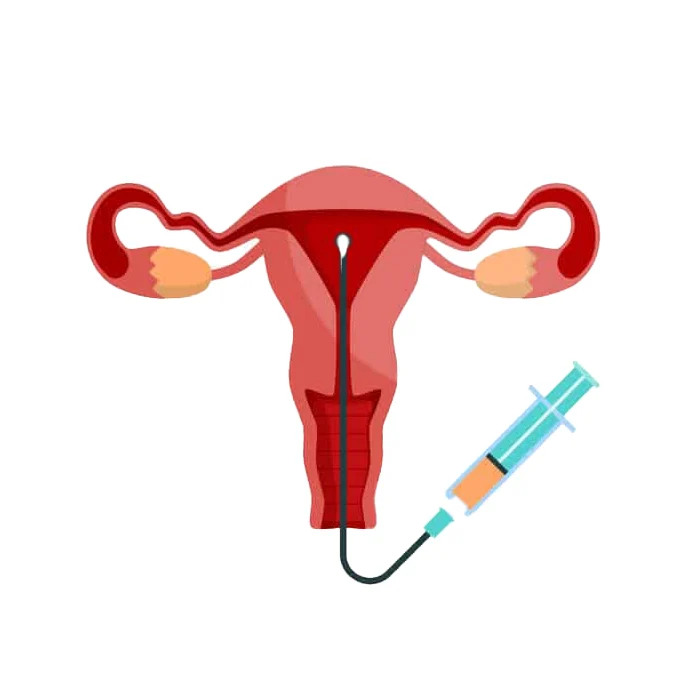
    Illustration of intrauterine insemination (IUI) procedure with syringe and catheter in the uterus.

    Debunking Myths: Separating Fact from Fiction on At-Home Fertility Testing

    Myth #4: At-home fertility tests are a reliable method of birth control.

    Fact: At-home fertility tests should not be used as a form of birth control. As mentioned earlier, these tests are not completely accurate and can lead to unexpected pregnancies if relied upon as a method of birth control.

    Myth #5: At-home fertility tests can detect all fertility issues.

    Fact: At-home fertility tests can only detect issues related to hormone levels. They cannot detect structural issues such as blocked fallopian tubes or sperm abnormalities, which can also affect fertility.

    Myth #6: At-home fertility tests are only for women.

    Fact: While most at-home fertility tests are marketed towards women, there are also tests available for men. These tests measure sperm count and motility, which can provide a general indication of male fertility.

    Myth #7: At-home fertility tests are a substitute for seeking medical advice.

    Fact: At-home fertility tests can be a helpful tool in tracking fertility, but they should not be considered a substitute for medical advice. If you have been trying to conceive for more than a year (or six months if you are over 35), it is recommended to seek a fertility evaluation from a specialist.

    In conclusion, while at-home fertility tests can provide some insight into fertility levels, they should not be relied upon as a definitive measure of fertility. It is important to understand the limitations of these tests and to seek medical advice from a fertility specialist if you are struggling to conceive. Remember, every individual’s fertility journey is unique, and there is no one-size-fits-all solution.

  • The Financial Burden of Fertility: How DIY Solutions Can Help

    Summary:

    Fertility is a topic that is often not discussed openly, yet it is a significant burden for many couples. The cost of fertility treatments and procedures can be exorbitant, leaving many couples struggling to afford the care they need. This financial burden can add stress and strain to an already emotionally taxing journey towards parenthood. However, there are DIY solutions that can help alleviate some of the financial burden of fertility. From at-home fertility tests and supplements to online support groups and affordable alternatives to traditional treatments, these DIY solutions offer hope and support to those struggling with the cost of fertility.

    The Financial Burden of Fertility:

    The average cost of fertility treatments in the United States can range from $5,000 to $20,000 per cycle, and many couples require multiple cycles to achieve success. This cost can quickly add up and become a significant financial burden for couples already struggling with the emotional toll of infertility. Insurance coverage for fertility treatments is limited, leaving many couples to foot the bill themselves. This can lead to financial strain, forcing couples to make difficult decisions about their family planning journey.

    DIY Solutions for Fertility:

    Fortunately, there are DIY solutions that can help lessen the financial burden of fertility. At-home fertility tests, such as ovulation predictor kits and sperm analysis tests, offer a more affordable alternative to expensive doctor’s visits. These tests can provide valuable information about a couple’s fertility and help guide them towards the most effective treatment options.

    Additionally, there are a plethora of supplements and natural remedies that can aid in fertility. From prenatal vitamins to herbal supplements, these DIY solutions can help regulate hormones and increase fertility without breaking the bank. Of course, it is essential to consult with a doctor before starting any supplements to ensure it is safe and effective for your specific situation.

    illustration of a uterus with a syringe for intrauterine insemination (IUI) procedure

    The Financial Burden of Fertility: How DIY Solutions Can Help

    Online Support and Resources:

    The internet has become a valuable resource for those struggling with fertility. Online support groups and forums offer a platform for individuals to connect with others going through similar experiences. These communities can provide emotional support and helpful advice on navigating the financial aspects of fertility. Additionally, there are many online resources that offer affordable alternatives to traditional fertility treatments. From telemedicine consultations to discount programs for medications, these DIY solutions can significantly reduce the cost of fertility care.

    Affordable Alternatives to Traditional Treatments:

    Traditional fertility treatments, such as in-vitro fertilization (IVF), can be cost-prohibitive for many couples. However, there are more affordable alternatives that offer similar success rates. Intrauterine insemination (IUI) is a less invasive and less expensive option for couples struggling with fertility. It involves placing sperm directly into the uterus, bypassing any potential issues with sperm motility or cervical mucus. Additionally, some clinics offer financing options or discounted packages for multiple cycles, making traditional treatments more accessible for couples on a budget.

    The Importance of Self-Care:

    While DIY solutions can help alleviate the financial burden of fertility, it is crucial to prioritize self-care throughout the journey. The stress and emotional toll of infertility can be overwhelming, and it is essential to take care of one’s mental and emotional well-being. This can include activities such as yoga, meditation, or therapy to help manage stress and anxiety. Taking care of oneself can also improve the chances of success with fertility treatments, as stress can have a significant impact on fertility.

    In Conclusion:

    The financial burden of fertility is a significant concern for many couples struggling to conceive. However, there are DIY solutions that can help reduce the cost of fertility care. From at-home tests and supplements to online resources and affordable alternatives to traditional treatments, these solutions offer hope and support to those on their journey towards parenthood. It is crucial to prioritize self-care throughout the process and to remember that there are options available to make fertility care more accessible and affordable.