Tag: at-home fertility testing

  • The Role of Stress in Fertility: Can At-Home Testing Help Identify the Cause?

    Blog Post:

    The journey of trying to conceive can be filled with excitement, hope, and joy, but it can also come with its fair share of stress and anxiety. While some level of stress is a part of everyday life, excessive stress can have a significant impact on our overall health, including fertility. In fact, studies have shown that high levels of stress can affect both male and female fertility, making it difficult to conceive. However, the good news is that there are ways to manage stress and improve fertility, and at-home testing may be able to help identify the underlying causes. In this blog post, we will explore the role of stress in fertility and how at-home testing can be a useful tool in understanding and addressing fertility issues.

    Understanding Stress and Its Impact on Fertility

    Before we dive into the connection between stress and fertility, it’s essential to understand what stress is and how it affects our bodies. Stress is the body’s natural response to any demand or threat. It triggers the release of hormones, such as cortisol and adrenaline, which prepare the body for a fight or flight response. While this response is necessary in certain situations, chronic stress can have harmful effects on our physical and mental well-being.

    When it comes to fertility, stress can disrupt the delicate balance of hormones in the body, leading to an irregular menstrual cycle and ovulation. In men, stress can affect sperm production and quality, making it difficult to fertilize an egg. Additionally, stress can also impact sexual desire and intimacy, further hindering the chances of conception.

    The Link Between Stress and Infertility

    Several studies have explored the connection between stress and fertility and have found a significant association between the two. One study from the National Institutes of Health found that women with high levels of alpha-amylase, an enzyme that indicates stress, had a 29% lower chance of getting pregnant each month than those with lower levels. Another study from the American Society for Reproductive Medicine found that women who reported feeling stressed had a lower chance of conceiving during their fertile window.

    In men, stress can also have a significant impact on fertility. A study published in the journal Fertility and Sterility found that men with high levels of perceived stress had a lower sperm count and motility compared to men with lower stress levels. This can make it challenging to fertilize an egg and lead to difficulties in conceiving.

    How At-Home Testing Can Help Identify the Cause of Infertility

    Infertility can have various underlying causes, and stress is just one of them. However, identifying the root cause is crucial in finding the right treatment and improving chances of conception. At-home fertility testing kits can be a useful tool in understanding the factors that may be impacting fertility.

    Hormone testing kits can help monitor hormone levels, such as estrogen, progesterone, and testosterone, which play a vital role in fertility. These tests can be done at home, making it more convenient for individuals and couples to track their hormone levels regularly. This can help identify any imbalances that may be causing fertility issues.

    Comparison chart of IUI and IVF treatments, detailing medications, monitoring, procedures, and success rates.

    The Role of Stress in Fertility: Can At-Home Testing Help Identify the Cause?

    Another at-home testing option is semen analysis kits, which can help men determine their sperm count and quality. These kits can provide valuable information and help identify any potential fertility issues that may be related to stress.

    Other at-home tests, such as ovulation predictor kits and fertility tracking apps, can also be helpful in understanding ovulation patterns and fertile days. These tools can be beneficial for couples trying to conceive as they can help identify the best time to have intercourse for optimal chances of pregnancy.

    Managing Stress for Improved Fertility

    While at-home testing can help identify the cause of infertility, managing stress is equally important in improving fertility. Here are some ways to reduce stress and promote overall well-being:

    1. Practice relaxation techniques: Activities such as yoga, meditation, and deep breathing can help reduce stress and promote relaxation.

    2. Exercise regularly: Regular physical activity can help release endorphins, also known as the “feel-good” hormones, which can help reduce stress levels.

    3. Get quality sleep: Lack of sleep can increase stress levels, so it’s essential to get enough rest each night.

    4. Seek support: Talking to a therapist or joining a support group can be beneficial for managing stress and coping with the emotional challenges of fertility struggles.

    5. Make time for self-care: Engage in activities that bring joy and help you relax, such as reading, listening to music, or taking a warm bath.

    Summary:

    Stress can have a significant impact on fertility, affecting both men and women. Chronic stress can disrupt hormone balance and interfere with ovulation, making it difficult to conceive. However, at-home testing can be a useful tool in identifying the underlying causes of infertility, including stress. Hormone testing kits, semen analysis kits, and ovulation predictor kits can help individuals and couples track and monitor their fertility, providing valuable information to address any potential issues. Additionally, managing stress through relaxation techniques, regular exercise, and self-care can also help improve fertility. With the help of at-home testing and stress management techniques, couples can take a proactive approach towards improving their fertility and achieving their dream of starting a family.
  • Is Medical Fertility Testing Always Necessary? When At-Home Testing is Enough

    Blog Post:

    Fertility is a topic that is often surrounded by myths and misconceptions, making it a sensitive and emotionally charged subject for many individuals and couples. With the rise of fertility treatments and the increasing number of people delaying parenthood, the demand for fertility testing has also increased. While medical fertility testing has its benefits, it is not always necessary. In fact, at-home fertility testing can often provide enough information for individuals to make informed decisions about their reproductive health. In this blog post, we will explore the question, “Is medical fertility testing always necessary?” and discuss how at-home testing can be a viable alternative.

    Understanding Fertility Testing:

    Before delving into the necessity of fertility testing, it is essential to understand what it entails. Fertility testing is a series of medical tests that assess an individual’s reproductive health and their ability to conceive naturally. These tests are typically recommended for individuals who have been trying to conceive for a year or more without success, or for those who have known fertility issues. Medical fertility testing can include a physical exam, blood work, ultrasound, and semen analysis for males.

    Is Medical Fertility Testing Always Necessary?

    The short answer is no. While medical fertility testing is beneficial for diagnosing underlying fertility issues, it is not always necessary. For many people, at-home fertility testing can provide enough information to make informed decisions about their reproductive health. At-home fertility testing kits are readily available and can be purchased online or at local pharmacies. These kits allow individuals to collect a sample of their urine, saliva, or blood and send it to a lab for analysis. The results are then shared with the individual, providing them with valuable information about their fertility.

    Benefits of At-Home Fertility Testing:

    1. Convenience:

    One of the most significant advantages of at-home fertility testing is its convenience. Many individuals may feel uncomfortable discussing their fertility with a medical professional or may not have access to a fertility clinic. At-home testing allows them to take control of their reproductive health in the comfort and privacy of their own home.

    2. Cost-Effective:

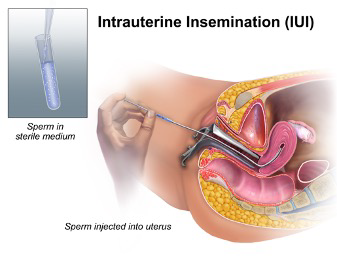
    Illustration of intrauterine insemination (IUI) procedure, showing sperm injection into the uterus.

    Is Medical Fertility Testing Always Necessary? When At-Home Testing is Enough

    Another benefit of at-home fertility testing is its affordability. Medical fertility testing can be expensive, especially if insurance does not cover it. At-home testing kits are relatively inexpensive, making it a more accessible option for individuals who cannot afford medical testing.

    3. Early Detection:

    At-home fertility testing can also detect potential issues early on, giving individuals the opportunity to seek medical intervention sooner. Early detection can increase the chances of treating fertility issues successfully and can also help individuals make informed decisions about their future family planning.

    When At-Home Fertility Testing Is Enough:

    At-home fertility testing can be enough in many cases, especially for individuals who are not actively trying to conceive. These tests can provide valuable information about an individual’s hormone levels, ovulation, and overall reproductive health. However, it is essential to keep in mind that at-home testing cannot diagnose underlying fertility issues. Therefore, if an individual has been trying to conceive for a year or more without success, it is recommended to seek medical fertility testing to identify any potential problems.

    The Importance of Seeking Professional Help:

    While at-home fertility testing can provide valuable information, it is crucial to seek professional help if an individual is experiencing fertility issues. A medical professional can provide a more in-depth analysis and diagnosis, as well as personalized treatment options. Additionally, fertility issues can be complex and may require a combination of medical treatments and lifestyle changes, which can only be prescribed by a healthcare professional.

    In conclusion, medical fertility testing is not always necessary, and at-home testing can often provide enough information for individuals to make informed decisions about their reproductive health. However, it is essential to seek professional help if an individual is experiencing fertility issues to receive proper diagnosis and treatment. Ultimately, the decision to undergo fertility testing should be based on an individual’s specific circumstances and needs.

    Summary:

    Fertility testing is a series of medical tests that assess an individual’s reproductive health and their ability to conceive. While medical fertility testing has its benefits, it is not always necessary. At-home fertility testing can provide enough information for individuals to make informed decisions about their reproductive health. This testing is convenient, cost-effective and can detect potential issues early on. However, at-home testing cannot diagnose underlying fertility issues, and it is crucial to seek professional help if an individual is experiencing fertility issues.