Making a Choice: Donor Insemination or Partner Insemination?
Choosing to start a family is one of the biggest decisions one can make in their life. And for those who are unable to conceive naturally, the decision of how to conceive can be even more daunting. The two most common methods for assisted reproduction are donor insemination and partner insemination. Both methods have their own unique advantages and considerations, and ultimately the decision should be based on what is best for the individual or couple. In this blog post, we will explore the differences between donor insemination and partner insemination and provide some considerations to help you make the best choice for your family.
Donor Insemination:
Donor insemination, also known as artificial insemination, involves using sperm from a donor to fertilize the egg. This method is typically used by single individuals or same-sex couples who do not have a male partner. The donor sperm can be obtained from a sperm bank, where donors have gone through various screenings and testing to ensure their sperm is of high quality and free of any genetic diseases. Donor insemination can also be done with a known donor, such as a friend or family member who is willing to donate their sperm.
One of the main advantages of donor insemination is the ability to choose the desired characteristics of the donor, such as physical traits, education, and medical history. This can give individuals and couples a sense of control and allows them to choose a donor who closely matches their preferences. Donor insemination also allows individuals to become pregnant without having a sexual partner, which can be a major factor for those who are single or in a same-sex relationship.
However, there are some considerations to keep in mind when considering donor insemination. The cost of donor sperm can be expensive, and depending on the clinic or sperm bank, there may be additional fees for storage and shipping. There is also the potential for legal and emotional complexities when using a known donor. It is important to have a legal agreement in place and to consider any potential implications for the child and the relationship with the donor in the future.
Partner Insemination:
Making a Choice: Donor Insemination or Partner Insemination?
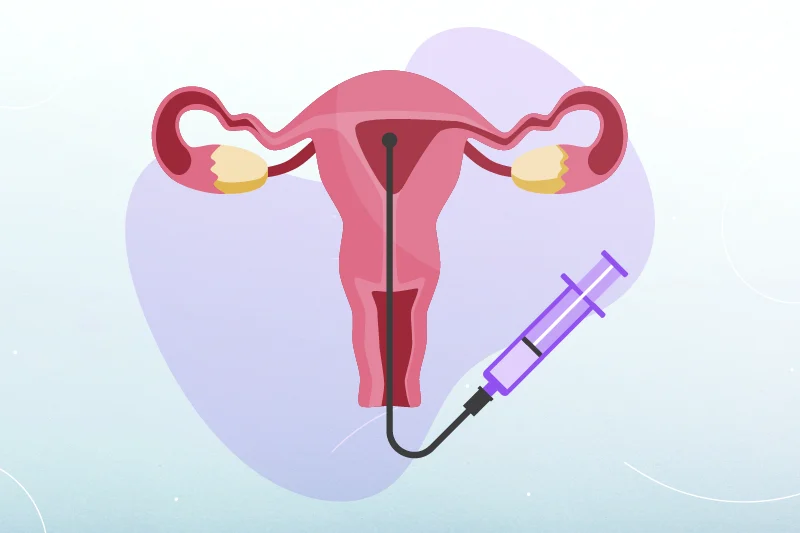
Partner insemination, also known as intrauterine insemination (IUI), involves using the sperm of a male partner to fertilize the egg. This method is commonly used by heterosexual couples who are experiencing fertility issues, but it can also be used by same-sex couples who have a male partner. The sperm is collected and prepared in a lab before being inserted into the uterus during ovulation.
One of the main advantages of partner insemination is the involvement of the male partner in the conception process. This can be a more intimate and emotional experience for couples, and it also allows for the use of the male partner’s sperm, which can be a factor for couples who value genetic ties. Partner insemination is also less expensive than donor insemination, as it does not involve the cost of donor sperm.
However, partner insemination may not be suitable for all couples. It requires the male partner to have healthy sperm, and if there are any fertility issues, it may not be successful. Partner insemination also does not allow for the selection of specific donor characteristics, which may be important for some individuals or couples. It is also important to note that partner insemination may not be covered by insurance, whereas some insurance plans may cover donor insemination.
Making the Choice:
When it comes to choosing between donor insemination and partner insemination, there is no right or wrong answer. The decision should be based on what is best for the individual or couple, taking into consideration factors such as personal preferences, medical history, cost, and legal and emotional considerations.
It is important to thoroughly research and understand both methods before making a decision. Consulting with a fertility specialist can also provide valuable insight and guidance. It is also important to have open and honest communication with your partner and any potential donors to ensure everyone is on the same page and any concerns are addressed.
In conclusion, both donor insemination and partner insemination are viable options for assisted reproduction and can help individuals and couples achieve their dream of starting a family. The decision ultimately comes down to personal circumstances and preferences, and with proper research and consideration, the right choice can be made for your family.
In summary, when it comes to starting a family through assisted reproduction, there are two main options to consider: donor insemination and partner insemination. Donor insemination involves using sperm from a donor to fertilize the egg, while partner insemination involves using the sperm of a male partner. Both methods have their own advantages and considerations, and the decision should be based on what is best for the individual or couple. It is important to thoroughly research and understand both methods, and to have open communication with all parties involved before making a decision.