The Role of Male Fertility in Deciding Between Medications and Surgery
For many men, the thought of fertility and reproduction may not cross their minds until they are ready to start a family. However, for men who are struggling with fertility issues, it becomes a constant concern that can impact every aspect of their lives, including their healthcare decisions. When it comes to treating reproductive health issues in men, there are often two options: medications or surgery. But how does male fertility play a role in deciding between the two? In this blog post, we will explore the impact of male fertility on the decision-making process and why it is crucial to consider when choosing between medications and surgery.
Understanding Male Fertility
Before delving into the relationship between male fertility and treatment options, it is essential to understand what male fertility is and how it can be affected. Male fertility is the ability of a man to impregnate a woman. This relies on the production, movement, and function of sperm. A healthy sperm count, shape, and motility are all essential for successful fertilization. However, several factors can affect male fertility, including age, lifestyle choices, and underlying medical conditions.
Medications vs. Surgery: What’s the Difference?
When it comes to treating reproductive health issues in men, there are two main options: medications and surgery. Medications are often the first line of treatment and are typically used to address hormonal imbalances, infections, and other underlying issues that may be affecting male fertility. On the other hand, surgery is usually reserved for more severe cases, such as blockages, varicoceles, or other structural abnormalities that cannot be addressed with medication.
The Impact of Medications on Male Fertility
While medications can be effective in addressing certain fertility issues, they may also have a negative impact on male fertility. Some medications, such as steroids and antidepressants, can lower sperm count and affect sperm quality, making it more difficult for men to impregnate their partners. In some cases, these effects may be reversible once the medication is stopped, but in others, the damage may be permanent. It is crucial for men to discuss any potential side effects on fertility with their doctor before starting any medication.
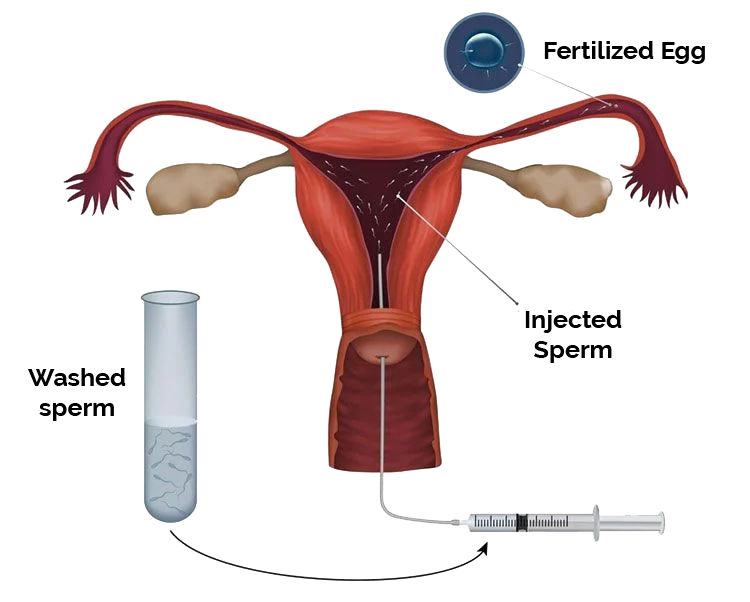
The Role of Male Fertility in Deciding Between Medications and Surgery
The Role of Surgery in Male Fertility
Surgery, on the other hand, can have a more significant and long-lasting impact on male fertility. While surgery may be necessary to correct certain underlying issues, it can also have unintended consequences. For example, varicocele surgery, which involves repairing enlarged veins in the scrotum, can result in reduced sperm production and quality. In some cases, surgery may also cause blockages or scarring, which can affect sperm movement and fertilization.
The Importance of Considering Male Fertility in Treatment Decisions
When it comes to deciding between medications and surgery for treating male fertility issues, it is crucial to consider the impact on fertility carefully. While medications may seem like a less invasive option, they can have long-term consequences on fertility. On the other hand, surgery may be necessary for addressing certain issues, but it can also have unintended effects on male fertility. Therefore, it is essential for men to have a thorough discussion with their doctor about the potential impact of treatment options on their fertility and how it may affect their future reproductive goals.
Alternative Treatment Options
In some cases, alternative treatment options may be available for men who are concerned about the impact of medications or surgery on their fertility. For example, lifestyle changes, such as quitting smoking, reducing alcohol consumption, and maintaining a healthy weight, can have a positive impact on male fertility. Alternative therapies, such as acupuncture and herbal remedies, may also be beneficial in improving sperm quality and count. It is crucial to discuss these options with a healthcare professional to determine the best course of treatment for individual cases.
In Conclusion
When it comes to male fertility, it is essential to consider all factors, including potential treatment options, before making any decisions. While medications and surgery may be necessary for addressing certain reproductive health issues, they can also have unintended consequences on male fertility. It is crucial for men to have open and honest discussions with their doctor about their fertility concerns and goals to determine the best course of treatment that will not only address their current issues but also consider their future reproductive goals.
In summary, male fertility plays a crucial role in the decision-making process between medications and surgery for treating reproductive health issues in men. While medications may have a negative impact on fertility, surgery can also have unintended consequences. It is crucial for men to discuss all potential treatment options with their doctor and consider the long-term effects on their fertility before making any decisions.