Tag: alternative fertility options

  • DIY Insemination: A Revolutionary Alternative to Traditional Conception Methods

    DIY Insemination: A Revolutionary Alternative to Traditional Conception Methods

    In today’s modern world, there are many different paths to parenthood. While traditional conception methods, such as in vitro fertilization (IVF) and artificial insemination, have become more widely accepted and accessible, there are still many individuals and couples who face financial, legal, or personal barriers to these options. This is where DIY insemination comes in – a revolutionary alternative that allows individuals and couples to take matters into their own hands and conceive in the comfort of their own home.

    What is DIY Insemination?

    DIY insemination, also known as at-home insemination, is the process of using a donor sperm sample to inseminate oneself or one’s partner at home. This method is typically used by individuals or couples who are unable to conceive through traditional methods due to factors such as same-sex relationships, single parenthood, or fertility issues. Unlike traditional methods, DIY insemination does not require the assistance of a medical professional or expensive fertility treatments.

    How Does DIY Insemination Work?

    The process of DIY insemination involves obtaining a donor sperm sample and using it to inseminate oneself or one’s partner at home. There are several different methods for obtaining donor sperm, including purchasing it from a sperm bank, asking a known donor, or using a sperm donation website.

    Once a donor sperm sample is obtained, the next step is to prepare for insemination. This can involve tracking ovulation, using ovulation predictor kits, and preparing the sperm sample for insemination. The most common method of insemination is using a syringe or needleless medicine dropper to deposit the sperm into the vagina or cervix. Some individuals and couples may also choose to use a soft cup or cervical cap to hold the sperm in place for a longer period of time.

    Why Choose DIY Insemination?
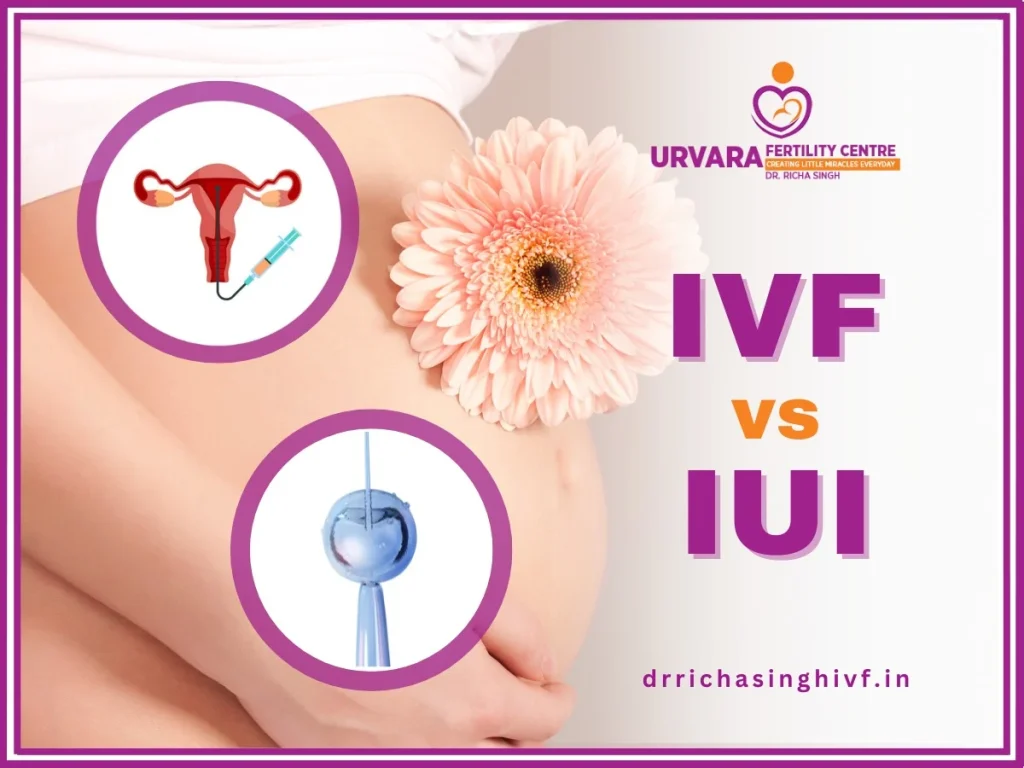
    IVF vs IUI comparison with illustrations of reproductive processes and a flower on a pregnant belly.

    DIY Insemination: A Revolutionary Alternative to Traditional Conception Methods

    There are many reasons why individuals and couples may choose DIY insemination over traditional methods. One of the main reasons is the cost – DIY insemination is significantly less expensive than traditional fertility treatments, making it more accessible to those on a budget. Additionally, DIY insemination allows individuals and couples to take control of their own fertility journey and avoid the potential legal and emotional complexities of using a sperm donor through a clinic.

    Another benefit of DIY insemination is the comfort and privacy it provides. Instead of undergoing invasive procedures in a medical setting, individuals and couples can perform insemination in the comfort and privacy of their own home. This can be especially beneficial for individuals who may feel uncomfortable or anxious in a clinical setting.

    Is DIY Insemination Safe?

    When performed correctly, DIY insemination is generally considered safe. However, it is important to take precautions and follow proper procedures to reduce the risk of infection or other complications. This includes ensuring that the donor sperm is obtained from a reputable source and properly prepared for insemination. It is also recommended to consult with a healthcare provider before beginning the process.

    DIY Insemination Success Rates

    While there is limited data on the success rates of DIY insemination, many individuals and couples have successfully used this method to conceive. The success rates may vary depending on factors such as the age and fertility of the individual or couple, the quality of the sperm sample, and the timing of insemination in relation to ovulation.

    It is also important to note that DIY insemination may not be the best option for everyone. Individuals or couples with underlying fertility issues may have a lower chance of success with this method and may benefit from seeking medical assistance.

    In conclusion, DIY insemination is a revolutionary alternative to traditional conception methods that offers a more affordable, private, and accessible option for individuals and couples looking to start a family. While it may not be the right choice for everyone, it has provided a successful path to parenthood for many individuals and couples. As with any fertility journey, it is important to do thorough research and consult with a healthcare provider before making any decisions.
  • Exploring Alternative Fertility Options: Home Insemination and IVF for Same-Sex Couples

    Exploring Alternative Fertility Options: Home Insemination and IVF for Same-Sex Couples

    Fertility is a topic that has been widely discussed for decades, but it is only recently that alternative fertility options have become more widely available and accepted. For same-sex couples, the journey to parenthood can be particularly challenging, with limited options for conceiving a child. However, with advancements in technology and medical procedures, there are now alternative fertility options available for same-sex couples, such as home insemination and IVF (in vitro fertilization).

    Home insemination, also known as artificial insemination, involves the process of placing semen into the vagina or cervix of a woman in order to facilitate fertilization. This can be done with the use of a donor sperm, which can be obtained from a sperm bank or from a known donor. For same-sex female couples, home insemination is a popular option as it allows one partner to carry the pregnancy while the other provides the sperm. This process can be done at home with the use of a home insemination kit, or it can be done under the supervision of a medical professional.

    One of the main advantages of home insemination is that it is less invasive and more affordable compared to other fertility treatments. It also allows same-sex couples to have more control over the process, as they can choose the sperm donor and perform the procedure in the comfort of their own home. However, there are also some risks and challenges associated with home insemination, such as the possibility of infection or allergic reactions, as well as the legal and emotional implications of using a known sperm donor.

    On the other hand, IVF is a more complex fertility treatment that involves the retrieval of eggs from the ovaries and the fertilization of the eggs with sperm in a laboratory. The resulting embryos are then transferred into the uterus of the intended mother or a gestational carrier. IVF has been widely used by heterosexual couples struggling with infertility, but it is also becoming a popular option for same-sex couples.

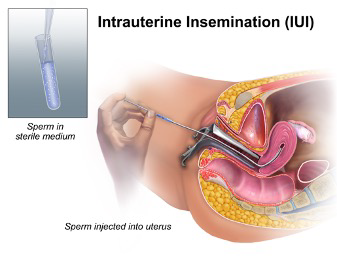
    Illustration of intrauterine insemination (IUI) procedure, showing sperm injection into the uterus.

    Exploring Alternative Fertility Options: Home Insemination and IVF for Same-Sex Couples

    One of the main advantages of IVF is that it offers a higher success rate compared to other fertility treatments. It also allows same-sex male couples to have a biological child, as they can use a surrogate mother to carry the pregnancy. However, IVF can be a more expensive and time-consuming process, and it may also involve the use of fertility drugs and hormonal injections, which can have various side effects.

    When it comes to alternative fertility options for same-sex couples, there is no one-size-fits-all solution. Each couple will have to carefully consider their individual needs and preferences, as well as the legal and financial implications of each option. It is also important to seek guidance and support from medical professionals, as well as legal and emotional support throughout the process.

    In addition, it is crucial for same-sex couples to do thorough research and understand the laws and regulations surrounding alternative fertility options in their country or state. Some countries and states may have restrictions or limitations on home insemination and IVF for same-sex couples, while others may have more progressive laws.

    In conclusion, home insemination and IVF are two alternative fertility options that offer hope for same-sex couples looking to start a family. While each option has its own benefits and challenges, it is important for couples to carefully consider their options and seek professional guidance in order to make an informed decision. With the support of medical professionals and the love and determination of the couple, the journey to parenthood can be a fulfilling and rewarding experience for same-sex couples.

    Summary: Alternative fertility options such as home insemination and IVF are available for same-sex couples looking to start a family. Home insemination involves placing semen in the vagina or cervix, while IVF involves fertilizing eggs in a laboratory and transferring them to the uterus. Each option has its own benefits and challenges, and it is important for couples to carefully consider their options and seek professional guidance. It is also important to understand the laws and regulations surrounding alternative fertility options for same-sex couples.