Breaking the Stigma: Donor Insemination vs Partner Insemination
In today’s society, the idea of starting a family through alternative methods such as donor insemination or partner insemination can still carry a certain stigma. Many people still hold onto traditional beliefs that conception should only happen through natural means, and anything else is seen as abnormal or unnatural. However, with advancements in technology and changing societal norms, these methods have become more common and accepted. In this blog post, we will take a closer look at donor insemination and partner insemination, breaking down the stigma surrounding these methods and highlighting their similarities and differences.
What is Donor Insemination?
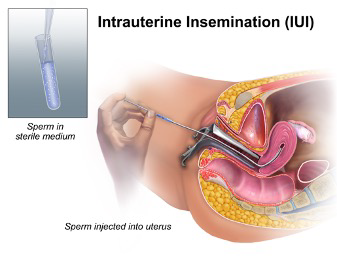
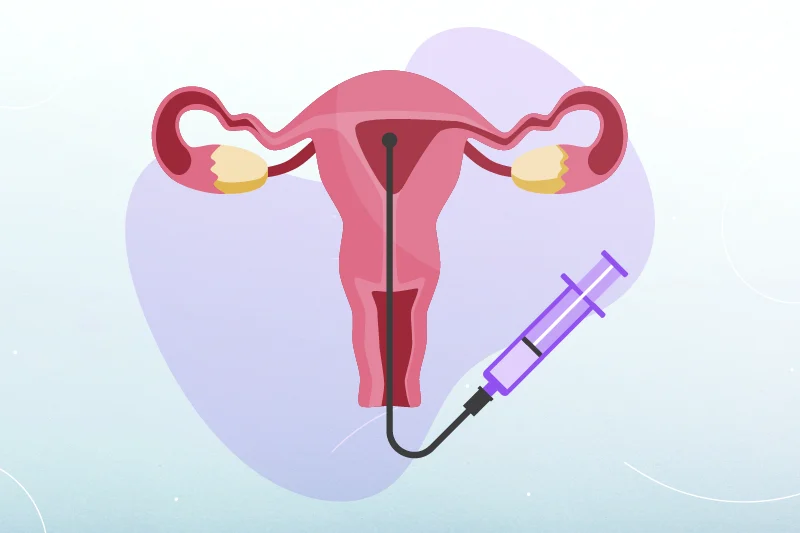
Donor insemination, also known as artificial insemination by donor (AID), is a method of conception where sperm from a donor is used to fertilize a woman’s egg. This can be done in a clinical setting or at home through self-insemination. The donor can either be anonymous or known to the recipient, and the sperm is typically screened for any genetic or infectious diseases. Donor insemination is often used by single women, same-sex female couples, or heterosexual couples where the male partner is infertile or has a genetic disorder.
Breaking the Stigma: Myths and Misconceptions
One of the biggest myths surrounding donor insemination is the idea that it is only used by desperate or infertile women. This is simply not true as many women, regardless of their fertility status, may choose this method for various reasons. Some may prefer to have a child without a male partner, while others may have a history of genetic disorders and want to avoid passing them onto their child. Additionally, some women may have a male partner but prefer to use donor insemination due to the male partner’s infertility or other personal reasons.
Another misconception is that children born through donor insemination will not have a connection to their biological father. While it is true that the donor is not involved in the child’s life, many donors choose to participate in open donation, where they are open to future contact with the child when they reach a certain age. This allows the child to have access to information about their biological father if they choose to seek it out.
What is Partner Insemination?
Partner insemination, also known as artificial insemination by partner (AIP), is a method of conception where sperm from a woman’s partner is used to fertilize her egg. This can also be done in a clinical setting or at home, and the sperm is typically not screened as it comes from the recipient’s partner. Partner insemination is often used by same-sex male couples, single men, or heterosexual couples where the male partner has a low sperm count or other fertility issues.
Breaking the Stigma: Donor Insemination vs Partner Insemination
Breaking the Stigma: Myths and Misconceptions
One of the main myths surrounding partner insemination is that it is only used by same-sex male couples or single men. This is not true as heterosexual couples may also choose this method if the male partner has fertility issues. Additionally, partner insemination is not just limited to couples in committed relationships, as some single individuals may choose this method as well.
Another misconception is that children born through partner insemination will not have a connection to their biological mother. This is not true as the egg used in the insemination process comes from the recipient, and therefore, the child will have a genetic connection to their biological mother.
Similarities and Differences
While donor insemination and partner insemination may have some differences, they also have many similarities. Both methods allow individuals and couples to start a family without traditional heterosexual intercourse, and both involve using assisted reproductive technology (ART). Additionally, both methods provide a way for individuals and couples to have a genetic connection to their child, which may be important to them.
One of the main differences between these two methods is the source of the sperm used for fertilization. In donor insemination, the sperm comes from a donor, while in partner insemination, the sperm comes from the recipient’s partner. This can also affect the legal implications of the process, as different laws may apply to donor-conceived children versus children conceived through partner insemination.
Breaking the Stigma: Why It’s Important
Breaking the stigma surrounding donor insemination and partner insemination is crucial for individuals and couples who choose these methods to start a family. The stigma can create unnecessary shame and judgment, making it difficult for those who have gone through the process to openly talk about their experiences. It also perpetuates harmful myths and misconceptions, leading to misunderstandings and discrimination against those who choose these methods.
By breaking the stigma, we can create a more inclusive and accepting society where individuals and couples are free to make decisions about their family-building without fear of judgment or discrimination. We can also educate others about the realities of donor insemination and partner insemination, dispelling myths and misconceptions, and promoting awareness and understanding.
In conclusion, donor insemination and partner insemination are two methods of conception that have been stigmatized in society. However, by breaking down the myths and misconceptions surrounding these methods, we can promote acceptance and understanding. Both methods provide individuals and couples with the opportunity to start a family and have a genetic connection to their child, and it’s time to break the stigma and celebrate these alternative paths to parenthood.