Tag: AI

  • The Impact of Technology on Fertility Clinics and Hospitals

    Technology has revolutionized the way we approach fertility treatments, making it possible for many people to fulfill their dreams of starting a family. Fertility clinics and hospitals have embraced the latest advancements in technology to improve success rates and provide more personalized and efficient care to patients. In this blog post, we will explore the impact of technology on fertility clinics and hospitals, including the benefits, challenges, and future possibilities.

    The Evolution of Technology in Fertility Treatments

    Fertility treatments have come a long way since the first successful in vitro fertilization (IVF) procedure in 1978. Back then, the process was lengthy, expensive, and had a low success rate. However, with advancements in technology, IVF success rates have significantly improved, and the procedure has become more accessible and affordable.

    One of the biggest technological advancements in fertility treatments is the development of preimplantation genetic testing (PGT). PGT allows for the screening of embryos for genetic disorders and chromosomal abnormalities before they are implanted in the uterus. This has not only increased the chances of a successful pregnancy but has also reduced the risk of passing on genetic diseases to the child.

    Another significant development is the use of time-lapse imaging in IVF. This technology allows for the continuous monitoring of embryos, providing valuable information about their development and helping doctors select the healthiest embryos for implantation. This has led to higher success rates and reduced the number of multiple births, which can be risky for both the mother and babies.

    Technology has also improved the process of egg retrieval. In the past, this procedure was done manually, which could be time-consuming and uncomfortable for the patient. Now, advanced tools such as transvaginal ultrasound and ultrasound-guided needle aspiration have made the process quicker and less invasive.

    Benefits of Technology in Fertility Clinics and Hospitals

    The use of technology in fertility clinics and hospitals has brought numerous benefits, including:

    1. Improved success rates: As mentioned earlier, technology has significantly improved the success rates of fertility treatments. This has given hope to many individuals and couples struggling with infertility.

    2. Personalized treatment: With the use of advanced tools and techniques, doctors can now tailor treatment plans to meet the specific needs of each patient. This has resulted in more successful outcomes and reduced the risk of complications.

    3. Enhanced patient experience: Technology has made fertility treatments less invasive, less painful, and more comfortable for patients. This has reduced the stress and anxiety associated with these procedures, making them more bearable for patients.
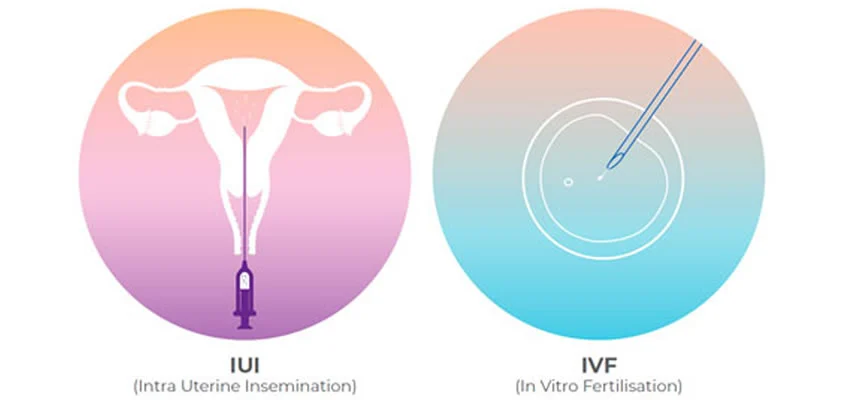
    comparison of IUI and IVF procedures illustrated with simple graphics and labels

    The Impact of Technology on Fertility Clinics and Hospitals

    4. Increased efficiency: The use of technology has streamlined processes and made them more efficient. This has reduced waiting times for patients and improved the overall experience at fertility clinics and hospitals.

    Challenges of Incorporating Technology in Fertility Treatments

    While technology has brought many benefits to fertility treatments, it has also presented some challenges, including:

    1. High costs: Advanced technology comes at a hefty price, making it inaccessible to many patients. This has created a divide between those who can afford the latest treatments and those who cannot.

    2. Ethical concerns: The use of technology in fertility treatments has raised ethical concerns, particularly with the use of PGT and other techniques that involve the manipulation of embryos.

    3. Lack of regulations: With new technologies emerging constantly, there is a lack of regulations and standardization in the field of fertility treatments. This can lead to inconsistencies in treatment and potential risks for patients.

    The Future of Technology in Fertility Clinics and Hospitals

    The future possibilities of technology in fertility clinics and hospitals are exciting and hold a lot of promise. Some of the advancements that we can expect to see in the near future include:

    1. Artificial intelligence (AI): AI has the potential to revolutionize fertility treatments by analyzing large amounts of data and identifying patterns that can improve success rates and predict outcomes.

    2. In vitro maturation (IVM): This is a technique that involves retrieving immature eggs and maturing them in a lab before fertilization. This could eliminate the need for hormone injections and reduce the risks and side effects associated with IVF.

    3. Cryopreservation: The technology for freezing and storing eggs and embryos has significantly improved in recent years, making it possible for women to preserve their fertility for future use.

    In summary, technology has had a profound impact on fertility clinics and hospitals, making it possible for many people to achieve their dream of having a child. The advancements in technology have improved success rates, personalized treatment, and enhanced the patient experience. However, it has also presented some challenges and ethical concerns that need to be addressed. With the constant evolution of technology, the future of fertility treatments looks promising, and we can expect to see more advancements that will further improve success rates and patient outcomes.

  • The Future of Fertility Tracking: Predictions for Devices and Traditional Methods

    The Future of Fertility Tracking: Predictions for Devices and Traditional Methods

    Fertility tracking has been around for centuries, with traditional methods such as tracking menstrual cycles and changes in cervical mucus. However, with the advancements in technology, fertility tracking has also evolved, and there are now various devices and apps available to help women track their fertility. In this blog post, we will discuss the future of fertility tracking and make predictions about how both devices and traditional methods will continue to evolve.

    Devices for Fertility Tracking

    The market for fertility tracking devices has been steadily growing in recent years, with more and more women looking for efficient and accurate ways to track their fertility. Currently, the most popular devices for fertility tracking are ovulation predictor kits (OPKs), basal body temperature (BBT) monitors, and fertility tracking bracelets.

    However, we can expect to see even more advanced and user-friendly devices in the future. One prediction is the development of wearable devices that can track hormone levels and provide real-time data on a woman’s fertility status. These devices could potentially eliminate the need for daily urine or saliva tests, making fertility tracking more convenient and less invasive.

    Another trend we may see is the integration of fertility tracking with other health tracking devices such as smartwatches and fitness trackers. This could provide a more holistic approach to women’s health and allow for a better understanding of how lifestyle factors can impact fertility.

    Artificial intelligence (AI) is also expected to play a significant role in the future of fertility tracking devices. With AI, these devices can learn and adapt to a woman’s unique cycle, providing more accurate predictions and personalized recommendations for conception or contraception.

    Traditional Methods of Fertility Tracking

    While devices are becoming increasingly popular, traditional methods of fertility tracking are still widely used. These methods include tracking basal body temperature, changes in cervical mucus, and ovulation symptoms.

    One prediction for the future of traditional methods is the incorporation of technology. For example, there are already apps available that allow women to track their BBT and cervical mucus, making it easier to keep records and identify patterns. We can expect to see more advancements in this area, such as wearable devices that can measure BBT and automatically input the data into the app.

    Illustration of IUI procedure with uterus and syringe against a DNA background.

    The Future of Fertility Tracking: Predictions for Devices and Traditional Methods

    Additionally, traditional methods may also see an increase in accuracy with the use of AI. By analyzing data from multiple cycles, AI can identify and predict ovulation patterns more accurately, making traditional methods a more reliable option for fertility tracking.

    The Rise of Personalized Fertility Tracking

    One of the most significant advancements in fertility tracking is the ability to personalize it based on a woman’s unique cycle and health factors. With the integration of technology and AI, fertility tracking devices and apps can gather data on a woman’s cycle, lifestyle, and health history to provide tailored recommendations.

    For example, a woman with irregular periods may receive different predictions and recommendations than someone with a regular cycle. Similarly, a woman with PCOS or endometriosis may receive personalized suggestions to help manage their condition and optimize their fertility.

    This personalized approach to fertility tracking can also extend to couples trying to conceive. By tracking and analyzing data from both partners, these devices and apps can provide insights into fertility and potential fertility issues, ultimately improving the chances of conception.

    Challenges and Controversies

    While the future of fertility tracking looks promising, there are also challenges and controversies surrounding the use of these devices and methods. One concern is the reliance on technology and the potential for it to replace the knowledge and understanding of one’s body. As with any technology, there is also a risk of malfunctions or incorrect data, which could lead to unintended consequences.

    There are also concerns about privacy and the security of the data collected by these devices and apps. As fertility tracking becomes more personalized and integrated with other health tracking devices, there is a need for strict security measures to protect sensitive information.

    Another controversy surrounding fertility tracking is the potential for it to be used as a form of birth control. While these devices and methods can provide valuable insights into fertility, they are not 100% effective and should not be relied upon as the sole method of contraception.

    In summary, the future of fertility tracking looks promising, with advancements in technology and AI making it more accurate, convenient, and personalized. However, there are also challenges and controversies that need to be addressed to ensure the safe and responsible use of these devices and methods.

  • The Future of Fertility Tracking: What’s Next for Apps and Traditional Techniques?

    Blog Post:

    Fertility tracking has been around for centuries, with various traditional techniques such as tracking menstrual cycles and observing cervical mucus changes. However, in recent years, there has been a rise in the use of fertility tracking apps, making it easier for women to monitor their cycles and increase their chances of conception. These apps use advanced technology and algorithms to predict ovulation and fertile days, aiding women in their journey towards motherhood. But what does the future hold for fertility tracking? Will apps continue to dominate, or will traditional techniques make a comeback? In this blog post, we will explore the future of fertility tracking, including the potential advancements in apps and the possible revival of traditional methods.

    The Rise of Fertility Tracking Apps

    Fertility tracking apps have seen a significant increase in popularity in recent years, with more and more women turning to technology to help them conceive. These apps provide a convenient and discreet way to track menstrual cycles, monitor basal body temperature, and record other fertility indicators such as cervical mucus and ovulation test results. With the use of advanced algorithms, these apps can predict the fertile window and help women pinpoint the best time to conceive.

    One of the main advantages of fertility tracking apps is the ease of use and accessibility. They can be downloaded on smartphones, making it convenient for women to track their cycles on-the-go. Furthermore, these apps often come with additional features such as personalized insights and reminders, making the process of fertility tracking more efficient and accurate.

    The Future of Fertility Tracking Apps

    In the future, we can expect to see even more advancements in fertility tracking apps. With the use of artificial intelligence (AI) and machine learning, these apps can become more personalized and accurate. By analyzing data from thousands of users, these apps can make more accurate predictions and provide tailored recommendations for each individual.

    Another potential advancement for fertility tracking apps is the integration of wearable technology. With the rise of smartwatches and fitness trackers, it is not far-fetched to imagine a fertility tracking app that can sync with these devices to collect more data and provide more precise predictions. This would also eliminate the need for manual input of data, making the process more seamless and hassle-free.

    Challenges and Concerns

    While fertility tracking apps have many benefits, there are also challenges and concerns that need to be addressed. One of the main concerns is the lack of regulation and oversight of these apps. Unlike medical devices, fertility tracking apps are not subjected to strict regulations, which may result in inaccurate predictions and unreliable data.

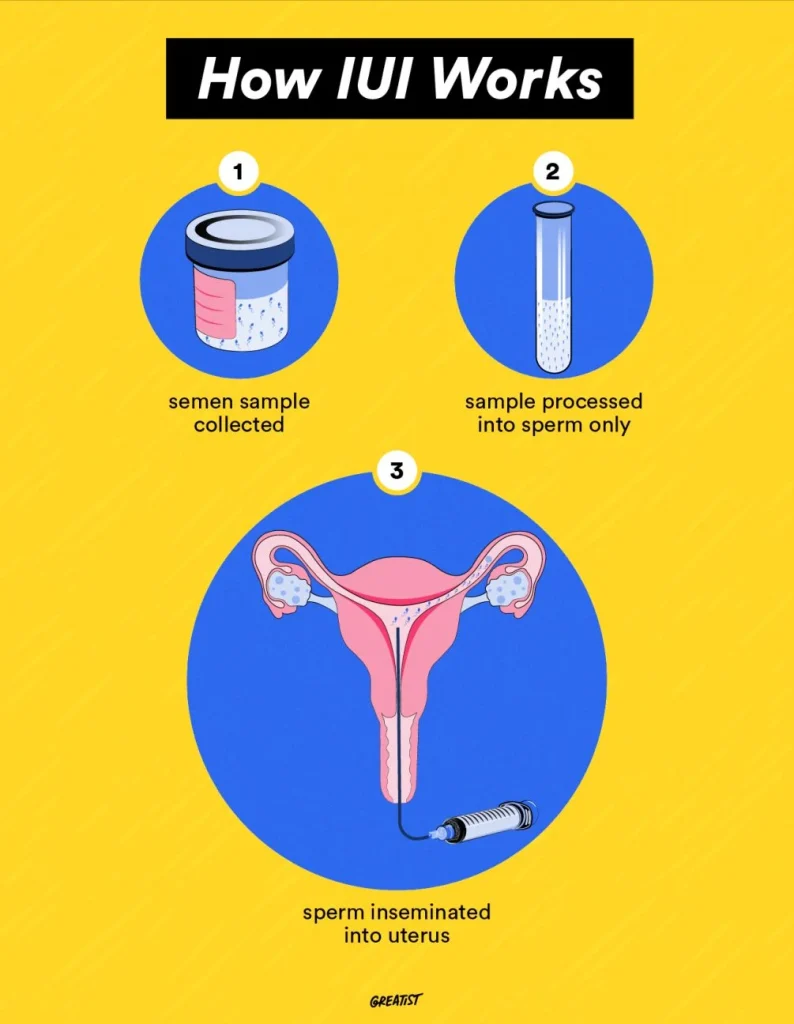
    illustration explaining the steps of intrauterine insemination (IUI) process on a bright yellow background

    The Future of Fertility Tracking: What's Next for Apps and Traditional Techniques?

    There is also a concern about the privacy and security of data collected by these apps. As they gather sensitive information about an individual’s menstrual cycle and fertility, it is crucial for these apps to have proper security measures in place to protect user data.

    The Revival of Traditional Techniques

    As technology continues to advance, it is easy to overlook the effectiveness of traditional fertility tracking methods. However, in recent years, there has been a resurgence in the use of traditional techniques such as tracking basal body temperature and observing cervical mucus changes. This is due to the increasing awareness of the limitations and potential inaccuracies of fertility tracking apps.

    While these traditional techniques may require more effort and time, they can provide valuable insights into a woman’s fertility. For example, tracking basal body temperature can help identify if ovulation has occurred, while monitoring cervical mucus can indicate the most fertile days of the cycle.

    Combining Traditional Techniques with Technology

    Rather than choosing between apps and traditional techniques, the future of fertility tracking may involve a combination of both. With the use of technology, traditional methods can be enhanced, making them more efficient and accurate. For instance, fertility tracking apps can provide a platform for women to record their observations from traditional techniques, creating a more comprehensive and detailed overview of their fertility.

    Moreover, by combining both approaches, women can have a backup in case of any discrepancies or inaccuracies. This can provide peace of mind and increase confidence in the fertility tracking process.

    In conclusion, the future of fertility tracking is a combination of advanced technology and traditional techniques. While apps will continue to play a significant role in helping women conceive, there is also a place for traditional methods in the journey towards motherhood. As technology continues to evolve and improve, we can expect to see even more advancements in fertility tracking, making it easier and more accurate for women to track their cycles and increase their chances of conception.

    Summary:

    Fertility tracking has evolved with the rise of apps, providing a convenient and accurate way for women to monitor their cycles and increase chances of conception. In the future, we can expect to see even more advancements in apps, including the use of AI and wearable technology. However, concerns about regulation and privacy have also emerged. This has led to a resurgence of traditional techniques, which may be enhanced by technology in the future. The combination of apps and traditional methods may provide a more comprehensive and accurate approach to fertility tracking.