Tag: advanced maternal age.

  • Fertility Counseling for Women of Advanced Maternal Age: Addressing Unique Challenges

    Blog Post:

    As more women are choosing to delay starting a family until later in life, the term “advanced maternal age” is becoming increasingly common. This label is typically given to women who are 35 years or older and are trying to conceive or are pregnant. While there are many benefits to waiting to start a family, it also comes with unique challenges and considerations, especially when it comes to fertility. Fertility counseling can be a valuable resource for women of advanced maternal age, addressing the physical, emotional, and psychological aspects of this stage of life.

    Physical Challenges:

    One of the primary physical challenges for women of advanced maternal age is a decline in fertility. As a woman approaches her mid-30s, the number of viable eggs in her ovaries decreases, making it more difficult to conceive. This decline continues to accelerate as she gets closer to menopause. Additionally, women over 35 are at a higher risk for pregnancy complications, such as gestational diabetes, high blood pressure, and preterm labor. Fertility counseling can help women understand their reproductive health and make informed decisions about their family planning.

    Emotional Challenges:

    Delaying motherhood can also bring about a range of emotions for women of advanced maternal age. Many women struggle with the societal pressure to have children at a younger age and may feel like they are running out of time. They may also worry about the increased risks associated with pregnancy and the potential impact on their own health. Fertility counseling can provide a safe and supportive space for women to process these emotions and work through any fears or anxieties they may have.

    Psychological Challenges:

    Women of advanced maternal age may also face psychological challenges related to their fertility journey. The process of trying to conceive can be emotionally exhausting, and the pressure to get pregnant can cause significant stress and strain on a woman’s mental health. Fertility counseling can help women develop coping strategies and provide tools to manage the psychological toll of this process. It can also address any underlying mental health issues that may be impacting the fertility journey.

    Addressing Unique Challenges:

    Comparison of IUI and IVF, illustrating procedures and definitions for each fertility treatment.

    Fertility Counseling for Women of Advanced Maternal Age: Addressing Unique Challenges

    Fertility counseling for women of advanced maternal age goes beyond just addressing the physical, emotional, and psychological challenges. It also takes into consideration the unique circumstances and needs of this group. For example, women in this age range may be juggling career demands, caring for aging parents, or dealing with financial pressures, all while trying to conceive. Fertility counselors can help women navigate these complex situations and develop a plan that works for their individual needs and goals.

    Building a Support System:

    Another critical aspect of fertility counseling for women of advanced maternal age is building a support system. Starting a family later in life can be isolating, as many of a woman’s peers may have already had children or are not yet at this stage. Fertility counseling can connect women with support groups, online forums, and other resources where they can find community and share their experiences with others who understand their unique challenges.

    Involving Partners:

    While the term “advanced maternal age” primarily refers to women, it’s essential to involve partners in the fertility counseling process. The decision to delay starting a family often involves both partners, and both may have their own fears, concerns, and questions. Fertility counseling can help partners understand the physical and emotional complexities of this stage of life and provide support for them as well.

    In Conclusion:

    Fertility counseling for women of advanced maternal age is a valuable resource that addresses the physical, emotional, and psychological aspects of this stage of life. It can help women navigate the unique challenges of starting a family later in life and provide the necessary support to make informed decisions about their fertility journey. By addressing the physical, emotional, and psychological components, fertility counseling can help women feel empowered and supported as they embark on this exciting and challenging chapter in their lives.

    Summary:

    As more women are choosing to delay starting a family until later in life, the term “advanced maternal age” is becoming increasingly common. This label is typically given to women who are 35 years or older and are trying to conceive or are pregnant. While there are many benefits to waiting to start a family, it also comes with unique challenges and considerations, especially when it comes to fertility. Fertility counseling can be a valuable resource for women of advanced maternal age, addressing the physical, emotional, and psychological aspects of this stage of life. It can help women understand their reproductive health, process emotions and fears, develop coping strategies, build a support system, and involve partners in the process.

  • The Impact of Age: Intrauterine Insemination vs Sperm Washing

    Blog Post Title: The Impact of Age: Intrauterine Insemination vs Sperm Washing

    Summary:

    As couples and individuals explore their options for assisted reproduction, one factor that may play a significant role in the success of their fertility treatment is age. While age affects both men and women in different ways, it can impact the effectiveness of two commonly used techniques – intrauterine insemination (IUI) and sperm washing. In this blog post, we will dive into the impact of age on these two procedures and provide insights into which one may be more suitable for different age groups.

    First, let’s understand what IUI and sperm washing are. Intrauterine insemination involves the placement of washed and concentrated sperm into the uterus, bypassing the cervix. On the other hand, sperm washing is a process that separates healthy sperm from semen and is often used in conjunction with other fertility treatments, such as in vitro fertilization (IVF).

    Age and Intrauterine Insemination:

    For women, age can affect the success of IUI in several ways. As women age, the quality and quantity of their eggs decrease, making it more challenging to conceive. Additionally, the risk of chromosomal abnormalities also increases with age, which can lead to failed pregnancies or genetic disorders in the baby. These factors can also impact the success of IUI, as the quality of the eggs is crucial in the fertilization process.

    Age also plays a role in male fertility, as sperm quality and quantity can decline with age. This decrease in sperm quality can make it more challenging for couples to conceive through IUI. Additionally, older men may have a higher risk of passing on genetic disorders to their offspring, which can impact the success of IUI.

    doctor discussing treatment with a patient in a medical office, featuring an ultrasound machine in the background

    The Impact of Age: Intrauterine Insemination vs Sperm Washing

    Overall, as age increases, the chances of success with IUI decrease. According to a study published in the Journal of Assisted Reproduction and Genetics, the pregnancy rates with IUI were significantly lower in women over 35 years of age compared to younger women. Therefore, for women over 35, alternative fertility treatments may be more successful.

    Age and Sperm Washing:

    Similar to IUI, age can also impact the success of sperm washing. As women age, the quality and quantity of their eggs decrease, which can affect the success of fertilization even with the use of washed sperm. Additionally, the risk of chromosomal abnormalities also increases with age, which can lead to failed pregnancies or genetic disorders in the baby.

    For men, age can affect sperm quality, which may decrease the chances of successful fertilization through sperm washing. As men age, the number of healthy sperm decreases, which can make it more challenging to separate enough healthy sperm for successful fertilization.

    Overall, the success rates of sperm washing decrease with age, making it a less viable option for couples over 35. However, it may still be a suitable option for couples with male factor infertility, where age may not have as significant an impact.

    Which Option is More Suitable?

    Based on the impact of age on IUI and sperm washing, it is evident that both procedures may have lower success rates for couples over 35. However, the success rates may vary depending on individual factors such as overall health and fertility history. Therefore, it is crucial for couples to consult with a fertility specialist to determine which option may be more suitable for their specific case.

    In conclusion, age does play a significant role in the success of intrauterine insemination and sperm washing. As age increases, the chances of successful fertilization decrease for both men and women. However, with advancements in technology and the use of complementary fertility treatments, older couples can still achieve their dream of starting a family.

  • Intrauterine Insemination vs Timed Intercourse: The Impact of Underlying Medical Conditions on Fertility Treatments

    Summary:

    When it comes to fertility treatments, there are two commonly used methods: intrauterine insemination (IUI) and timed intercourse. Both treatments involve the introduction of sperm into the female reproductive tract in order to increase the chances of fertilization. However, the impact of underlying medical conditions on these treatments can vary greatly. In this blog post, we will dive into the differences between IUI and timed intercourse, and how underlying medical conditions can affect their success rates.

    Firstly, let’s discuss the basics of IUI and timed intercourse. IUI involves the insertion of washed and prepared sperm directly into the uterus, bypassing the cervix. This method is often combined with fertility drugs to stimulate ovulation. On the other hand, timed intercourse involves tracking a woman’s ovulation cycle and having intercourse during the most fertile days. This method relies on the natural fertilization process without any medical intervention.

    One of the main factors that can impact the success of both IUI and timed intercourse is the presence of underlying medical conditions. These conditions can affect a woman’s fertility in various ways and may require different approaches in fertility treatments. Some common conditions that can affect fertility include endometriosis, polycystic ovarian syndrome (PCOS), and uterine fibroids.

    Endometriosis is a condition where the tissue that lines the uterus grows outside of it, often causing inflammation and scarring. This can lead to difficulty in conceiving as it can affect the quality of the eggs and interfere with the implantation process. For women with endometriosis, IUI may be a better option as it bypasses the cervix and the inflamed tissues, giving the sperm a better chance of reaching and fertilizing the egg. Timed intercourse may be less effective as the inflamed tissues can make it difficult for the sperm to reach the egg.

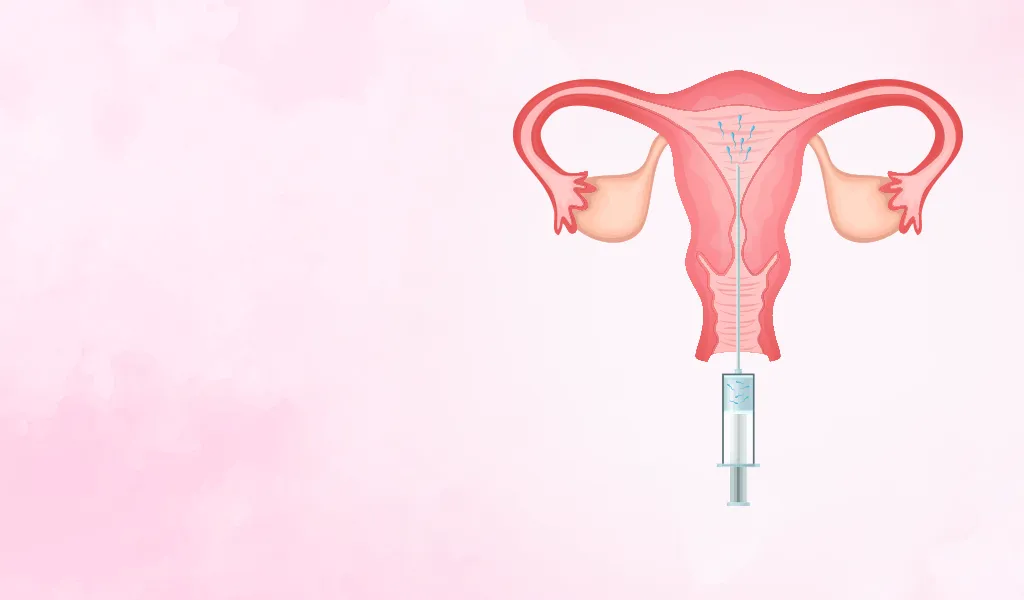
    illustration of a uterus with a syringe, representing intrauterine insemination procedure

    Intrauterine Insemination vs Timed Intercourse: The Impact of Underlying Medical Conditions on Fertility Treatments

    PCOS is a hormonal disorder that can cause irregular or absent ovulation, making it more challenging to get pregnant. In this case, both IUI and timed intercourse can be effective, depending on the severity of the condition. For women with mild PCOS, timed intercourse may be sufficient as it relies on the natural ovulation process. However, for those with more severe PCOS, IUI combined with fertility drugs may be a better option to increase the chances of conception.

    Uterine fibroids are non-cancerous growths in the uterus that can affect fertility by altering the shape and size of the uterus. These growths can interfere with the implantation process and cause recurrent miscarriages. In this case, the success rates of both IUI and timed intercourse may be lower. However, studies have shown that IUI may be more successful in women with uterine fibroids than timed intercourse, as it bypasses the cervix and increases the chances of the sperm reaching the egg.

    Other medical conditions that can impact fertility treatments include blocked fallopian tubes, male factor infertility, and advanced maternal age. In cases where there are blocked fallopian tubes, IUI may be the only option as it bypasses the tubes and allows the sperm to reach the egg directly. For male factor infertility, either IUI or timed intercourse may be effective, depending on the cause of the infertility. In cases of advanced maternal age, IUI may be a better option as fertility declines with age, and IUI can bypass any age-related issues with ovulation.

    In conclusion, both IUI and timed intercourse can be effective fertility treatments, but the success rates can be affected by underlying medical conditions. It is essential to consult with a fertility specialist to determine the best course of treatment based on individual circumstances. Factors such as the severity of the medical condition, age, and other fertility factors should be taken into consideration when deciding between IUI and timed intercourse.

    SEO metadata: