Medical fertility testing and at-home ovulation prediction are two methods commonly used by women who are trying to conceive. Both techniques aim to provide accurate information about a woman’s fertility and ovulation cycle, but there are some key differences between them. In this blog post, we will explore the pros and cons of medical fertility testing and at-home ovulation prediction, and determine which method is more accurate.
Medical Fertility Testing:
Medical fertility testing involves a series of tests and procedures that are conducted by a healthcare professional to assess a woman’s fertility. These tests may include blood work, ultrasounds, and other diagnostic procedures to evaluate the health of the reproductive organs and hormone levels. The results of these tests can help identify any underlying issues that may be impacting a woman’s ability to conceive.
Pros:
1. Accurate and comprehensive: Medical fertility testing is conducted by trained professionals and provides a thorough evaluation of a woman’s fertility. This can help identify any potential issues that may be impacting fertility, such as hormonal imbalances or structural abnormalities.
2. Personalized treatment plan: Based on the results of the tests, a healthcare provider can create a personalized treatment plan for the individual. This can include medication, surgery, or other interventions to address any identified issues and increase the chances of conception.
3. Ongoing monitoring: Medical fertility testing often involves regular monitoring to track changes in hormone levels and ovulation. This can help identify the most fertile days for conception and ensure that the treatment plan is effective.
Cons:
1. Time-consuming and expensive: Medical fertility testing can be a lengthy and costly process, with multiple appointments and tests required. This may not be feasible for everyone, especially those without insurance coverage for fertility treatments.
2. Invasive procedures: Some of the tests involved in medical fertility testing, such as ultrasounds and hysterosalpingograms, can be uncomfortable and invasive. This may deter some women from pursuing this method of fertility assessment.
At-Home Ovulation Prediction:
At-home ovulation prediction involves using various methods and devices to track ovulation and determine the most fertile days for conception. These methods include tracking basal body temperature, monitoring cervical mucus, and using ovulation predictor kits.
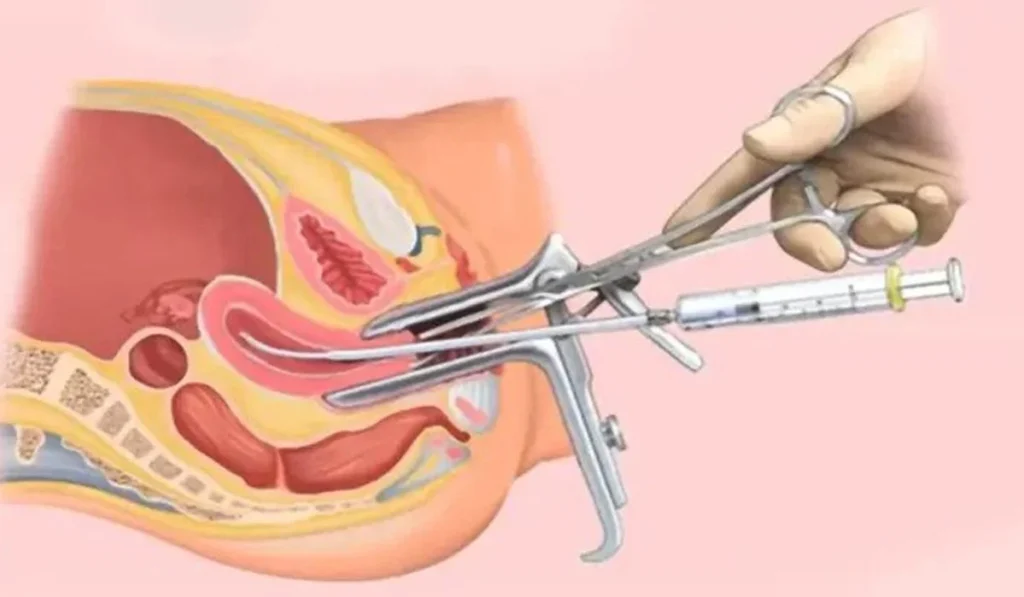
Medical Fertility Testing vs At-Home Ovulation Prediction: Which is More Accurate?
Pros:
1. Convenient and accessible: At-home ovulation prediction methods can be easily done at home, without the need for medical appointments or procedures. This makes it a more convenient and accessible option for women who may not have access to medical fertility testing.
2. Cost-effective: Compared to medical fertility testing, at-home ovulation prediction methods are much more affordable. This can be a significant factor for individuals who are on a budget or do not have insurance coverage for fertility treatments.
3. Non-invasive: At-home ovulation prediction methods do not involve any invasive procedures, making them a more comfortable option for women who may be uncomfortable with medical tests.
Cons:
1. Less comprehensive: At-home ovulation prediction methods may not provide a complete picture of a woman’s fertility. These methods only track ovulation and do not assess any underlying issues that may be impacting fertility.
2. User error: The accuracy of at-home ovulation prediction methods can be impacted by user error. For example, not following instructions correctly or misinterpreting results can lead to inaccurate predictions.
3. Limited effectiveness: These methods may not be as effective for women with irregular menstrual cycles or hormonal imbalances. This can lead to incorrect predictions and a longer time to conceive.
Which Method is More Accurate?
While both medical fertility testing and at-home ovulation prediction have their advantages and disadvantages, medical fertility testing is generally considered to be more accurate. This is because it provides a more comprehensive evaluation of a woman’s fertility and can identify any underlying issues that may be impacting conception. However, at-home ovulation prediction can still be a useful tool for women who are trying to conceive, especially when used in combination with medical fertility testing.
In conclusion, medical fertility testing and at-home ovulation prediction are both viable methods for assessing a woman’s fertility. While medical fertility testing is more comprehensive and accurate, at-home ovulation prediction can still be a useful tool for tracking ovulation and increasing the chances of conception. Ultimately, the best approach will depend on individual circumstances, and it is always recommended to consult with a healthcare professional for personalized advice.