Tag: male fertility

  • Intrauterine Insemination vs Timed Intercourse: The Impact of Male and Female Fertility on Success Rates

    Intrauterine Insemination vs Timed Intercourse: The Impact of Male and Female Fertility on Success Rates

    When it comes to trying to conceive, many couples may find themselves exploring different fertility treatments and methods. Two common options are intrauterine insemination (IUI) and timed intercourse. While both methods have the ultimate goal of helping a couple achieve pregnancy, there are some key differences in their approaches and success rates.

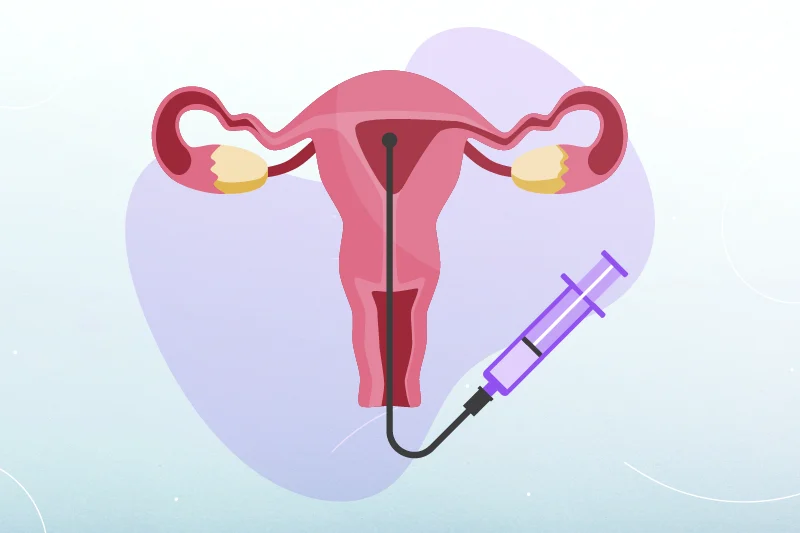
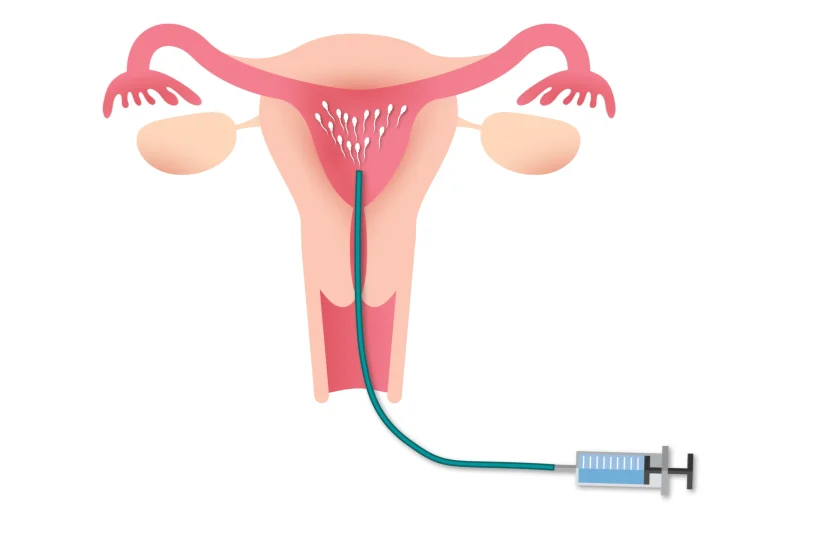
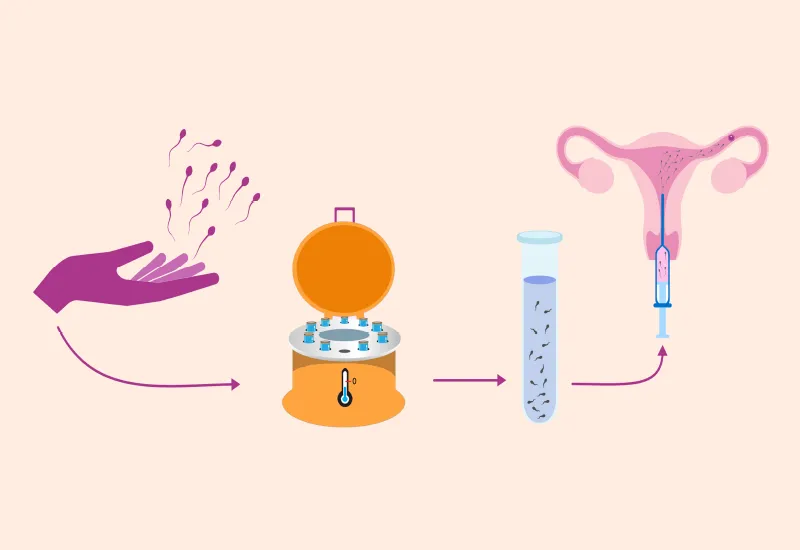
    Intrauterine insemination (IUI) is a fertility treatment where sperm is placed directly into a woman’s uterus during her ovulation cycle. This is typically done with the help of a catheter, which allows for the sperm to bypass the cervix and increase the chances of fertilization. On the other hand, timed intercourse involves tracking a woman’s ovulation cycle and having sexual intercourse during her most fertile days.

    In this blog post, we will delve deeper into the differences between intrauterine insemination and timed intercourse, and how male and female fertility can impact the success rates of these methods.

    The Role of Female Fertility

    The success of both IUI and timed intercourse greatly depends on the fertility of the female partner. For IUI, the woman’s fertility is crucial as the sperm is directly placed into her uterus, increasing the chances of fertilization. If the woman has a healthy and regular menstrual cycle, and is ovulating consistently, then the chances of IUI being successful are higher.

    However, if the woman has underlying fertility issues such as irregular ovulation or blocked fallopian tubes, IUI may not be as effective. In these cases, additional fertility treatments may be recommended to increase the chances of success.

    In timed intercourse, the woman’s fertility is also a key factor. In order to achieve pregnancy through this method, the woman must have a regular menstrual cycle and be able to accurately track her ovulation. This can be done through methods such as ovulation predictor kits or tracking basal body temperature.

    If a woman has irregular ovulation or does not ovulate at all, timed intercourse may not be as effective. In these cases, fertility medications may be prescribed to help induce ovulation and increase the chances of success.

    The Role of Male Fertility

    While female fertility plays a significant role in the success of both IUI and timed intercourse, the male partner’s fertility also has an impact. In IUI, the quality and quantity of sperm are important factors. If the male partner has a low sperm count, poor sperm motility, or abnormal sperm morphology, the chances of fertilization and pregnancy may decrease.

    In timed intercourse, the male partner’s sperm quality is also crucial. The timing of intercourse is important as sperm can survive in the female reproductive tract for up to five days. If the male partner has low sperm quality, it may decrease the chances of fertilization even if intercourse is timed correctly.

    In both methods, if the male partner has underlying fertility issues, additional treatments may be recommended to improve the chances of success.
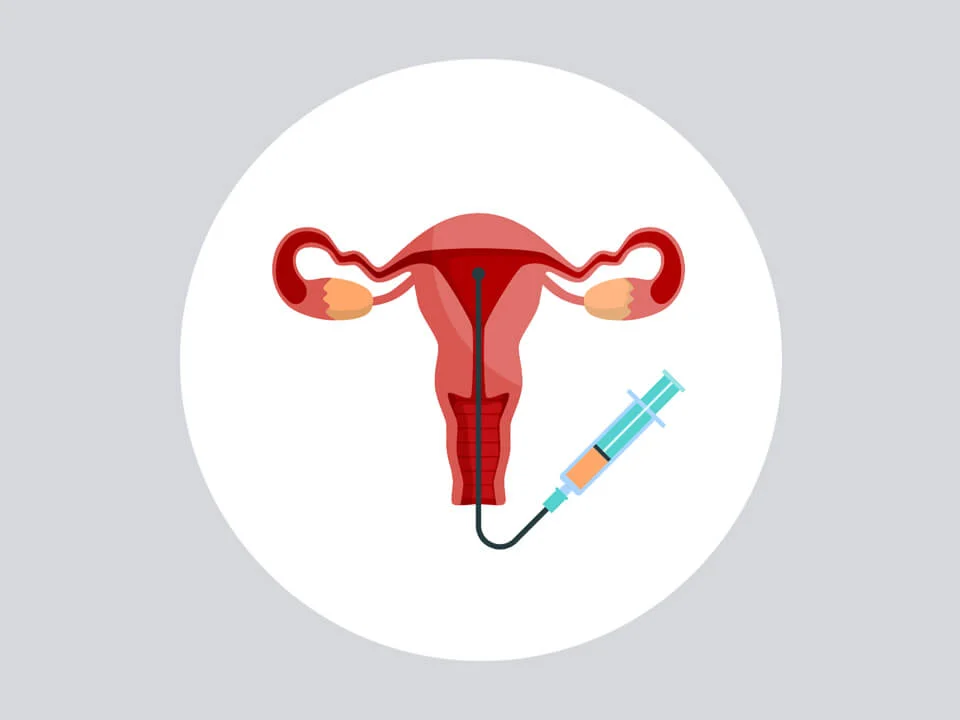
    Illustration of a uterus with a syringe, representing intrauterine insemination (IUI) procedure.

    Intrauterine Insemination vs Timed Intercourse: The Impact of Male and Female Fertility on Success Rates

    Success Rates of IUI vs Timed Intercourse

    The success rates of IUI and timed intercourse can vary depending on a couple’s individual fertility factors. However, in general, IUI has a higher success rate compared to timed intercourse.

    According to the American Pregnancy Association, the success rate for IUI is 10-20% per cycle, while the success rate for timed intercourse is 8-15% per cycle. This is because IUI allows for the sperm to be placed directly into the uterus, increasing the chances of fertilization.

    In addition, IUI can also be combined with fertility medications to further increase the chances of success, whereas timed intercourse relies solely on the timing of ovulation and intercourse.

    Factors Affecting Success Rates

    Aside from male and female fertility, there are other factors that can affect the success rates of IUI and timed intercourse. These include:

    1. Age – As women age, their fertility declines, making it more difficult to conceive through any fertility method. This is because women are born with a limited number of eggs, and as they age, the quality and number of eggs decrease.

    2. Underlying medical conditions – Certain medical conditions such as polycystic ovary syndrome (PCOS) or endometriosis can affect a woman’s fertility and decrease the chances of success with IUI and timed intercourse.

    3. Lifestyle factors – Smoking, excessive alcohol consumption, and being overweight or underweight can all impact fertility and decrease the chances of success with IUI and timed intercourse.

    4. Timing and frequency of intercourse – In timed intercourse, having intercourse too early or too late in the woman’s ovulation cycle can decrease the chances of fertilization. Additionally, having intercourse too frequently or not frequently enough can also affect the success rates.

    Conclusion

    Intrauterine insemination and timed intercourse are two common fertility treatments that can help couples achieve pregnancy. While both methods have the same goal, they employ different approaches and have varying success rates.

    The success of both IUI and timed intercourse depends on the fertility of the female and male partners, as well as other factors such as age, underlying medical conditions, and lifestyle factors. For couples struggling with fertility, it is important to consult with a fertility specialist to determine the best treatment option for their individual situation.

    In the end, the most important thing is to remain positive and have faith that with the right treatment and support, the journey to parenthood can be successful.
  • At-Home Fertility Testing for Men: How to Improve Sperm Quality and Quantity

    Blog Post:

    Fertility is a crucial factor in a couple’s journey towards starting a family. While it is often assumed that women are solely responsible for fertility, studies have shown that male infertility is just as prevalent, accounting for about 40% of infertility cases. This is why it is essential for men to also take an active role in monitoring and improving their fertility. At-home fertility testing for men is becoming increasingly popular, as it offers a convenient and private way to assess sperm quality and quantity.

    In this blog post, we will discuss everything you need to know about at-home fertility testing for men, including its benefits, how to perform the tests, and ways to improve sperm quality and quantity.

    Benefits of At-Home Fertility Testing for Men:

    One of the main benefits of at-home fertility testing for men is convenience. With traditional fertility testing, men have to make appointments, travel to a clinic, and provide a semen sample in a clinical setting. This can be a daunting and uncomfortable experience for many, leading to hesitation and delay in getting tested. At-home fertility testing allows men to collect their semen sample in the comfort and privacy of their own home, making the process less intimidating.

    Another advantage of at-home fertility testing is cost-effectiveness. Traditional fertility testing can be expensive, with some clinics charging hundreds of dollars for a single semen analysis. At-home tests are much more affordable, with prices ranging from $50 to $100, making it accessible to more people.

    How to Perform At-Home Fertility Tests for Men:

    There are several at-home fertility tests available on the market, each with its specific instructions. However, most tests require a semen sample to be collected and analyzed. The most common type of at-home fertility test is a semen analysis kit, which measures sperm count, motility, and morphology.

    To perform a semen analysis, follow these steps:

    1. Abstain from ejaculation for 2-5 days before the test to ensure an accurate sample.

    2. Wash your hands and genitals thoroughly before collecting the sample.

    3. Collect the semen sample in a sterile container provided in the testing kit.

    diagram of a uterus with a syringe for intrauterine insemination procedure

    At-Home Fertility Testing for Men: How to Improve Sperm Quality and Quantity

    4. Follow the instructions on the kit to prepare and analyze the sample.

    5. Read the results and compare them to the reference values provided in the kit.

    If the results show any abnormalities, it is best to consult a healthcare professional for further evaluation and treatment.

    Ways to Improve Sperm Quality and Quantity:

    If you are planning to take an at-home fertility test, it is essential to prepare your body to ensure the most accurate results. Here are some ways to improve sperm quality and quantity:

    1. Maintain a healthy weight: Being overweight or underweight can affect sperm production. Maintaining a healthy weight through a balanced diet and regular exercise can help improve sperm quality and quantity.

    2. Quit smoking and limit alcohol consumption: Smoking and excessive alcohol intake have been linked to decreased sperm quality. Quitting smoking and reducing alcohol consumption can improve overall health and increase sperm count and motility.

    3. Reduce stress: High levels of stress can interfere with hormone production and sperm production. Engage in relaxation techniques such as meditation, yoga, or regular exercise to manage stress levels.

    4. Avoid excessive heat exposure: High temperatures can damage sperm production. Avoid activities that expose the genitals to excessive heat, such as hot tubs, saunas, or tight-fitting underwear.

    5. Take supplements: Certain supplements, such as zinc, vitamin C, and CoQ10, have been shown to improve sperm quality and quantity. Consult with a healthcare professional before taking any supplements.

    Summary:

    At-home fertility testing for men offers a convenient, private, and cost-effective way to assess sperm quality and quantity. It is essential for men to take an active role in monitoring and improving their fertility, and at-home tests make it easier to do so. To perform a semen analysis, follow the instructions provided in the testing kit and consult a healthcare professional if any abnormalities are found. Maintaining a healthy lifestyle, reducing stress, and avoiding heat exposure can also help improve sperm quality and quantity.

  • At-Home Fertility Testing for Men: Breaking the Stigma and Taking Control

    Summary:

    Fertility has long been seen as a woman’s issue, but the truth is that men play just as important of a role in the fertility journey. However, due to societal stigma and lack of education, men often neglect their fertility health until it’s too late. At-home fertility testing for men is a game-changer in breaking the stigma and empowering men to take control of their fertility.

    In this blog post, we will discuss the importance of fertility testing for men, the different types of at-home fertility tests available, and how to interpret the results. We will also address the common misconceptions and stigmas surrounding male fertility and how at-home testing can help overcome these barriers. By the end of this post, you will have a better understanding of why at-home fertility testing is crucial for men and how it can help you take control of your fertility.

    The Importance of Fertility Testing for Men:

    Fertility testing is a crucial step for both men and women who are trying to conceive. However, many men tend to overlook their fertility health because of the misconception that fertility issues only affect women. This is far from the truth, as male infertility is responsible for about 30% of all infertility cases. Additionally, fertility declines with age in men, just like in women, making it essential to monitor fertility health regularly.

    Fertility testing for men can also help identify underlying health issues that may be affecting fertility. Conditions such as low testosterone, varicocele, and genetic abnormalities can impact sperm production and quality, which can lead to fertility problems. By identifying these issues early on, men can take appropriate measures to improve their fertility and increase their chances of conception.

    Types of At-Home Fertility Tests for Men:

    There are several at-home fertility tests available for men, each with its own advantages and limitations. The most common types of at-home fertility tests for men are sperm count tests, sperm quality tests, and hormone level tests.

    Sperm count tests measure the number of sperm in a man’s ejaculate, while sperm quality tests assess the sperm’s motility (movement) and morphology (shape). These tests can be done at home using a sperm count kit or a sperm quality kit, which usually involves collecting a semen sample and sending it to a lab for analysis.

    diagram of a uterus with a syringe for intrauterine insemination procedure

    At-Home Fertility Testing for Men: Breaking the Stigma and Taking Control

    Hormone level tests, on the other hand, measure the levels of testosterone and other hormones that play a crucial role in sperm production. These tests can be done at home using a hormone level testing kit, which usually involves collecting a blood or saliva sample and sending it to a lab for analysis.

    Interpreting the Results:

    Interpreting the results of at-home fertility tests can be confusing for many men, especially if they have no prior knowledge of fertility health. However, it’s essential to understand what the results mean to take appropriate action.

    In sperm count and quality tests, a lower number of sperm or poor sperm quality can indicate potential fertility issues. However, it’s important to keep in mind that these tests are not always accurate and should be confirmed by a healthcare professional.

    In hormone level tests, abnormal levels of testosterone or other hormones may indicate underlying health issues that could be impacting fertility. Again, these tests should be confirmed by a healthcare professional for an accurate diagnosis.

    Breaking the Stigma and Empowering Men:

    One of the biggest barriers to male fertility testing is the stigma surrounding it. Many men feel embarrassed or emasculated by the thought of being infertile, and this stigma often prevents them from seeking help. At-home fertility testing breaks this stigma by providing a discreet and convenient way for men to assess their fertility health.

    Moreover, at-home fertility testing also empowers men to take control of their fertility by providing them with valuable information about their reproductive health. By understanding their fertility health, men can make informed decisions about their future, whether it’s seeking medical treatment, making lifestyle changes, or exploring alternative options such as sperm donation or adoption.

    In conclusion, at-home fertility testing for men is crucial in breaking the stigma surrounding male fertility and empowering men to take control of their reproductive health. By understanding the importance of fertility testing, the different types of at-home tests available, and how to interpret the results, men can break free from societal expectations and make informed decisions about their fertility journey.

  • Surprising Ways to Boost Male Fertility Naturally

    Title: Surprising Ways to Boost Male Fertility Naturally

    Infertility is a common problem that affects couples worldwide. While there are many factors that can contribute to infertility, male fertility issues account for about 30% of all infertility cases. Factors like stress, poor diet, and exposure to toxins can affect sperm count, motility, and overall sperm health. The good news is that there are many natural ways to boost male fertility and increase the chances of conception. In this blog post, we will explore some surprising ways to boost male fertility naturally.

    1. Exercise Regularly

    Exercise is not only good for overall health but also for male fertility. Studies have shown that men who exercise regularly have higher sperm counts and better sperm quality compared to those who lead a sedentary lifestyle. Exercise also helps to reduce stress levels, which can have a negative impact on fertility. However, it is important to note that excessive exercise can have the opposite effect and decrease sperm quality. So, it is best to find a balance and avoid overexertion.

    2. Try Acupuncture

    Acupuncture is an ancient Chinese practice that involves inserting thin needles into specific points on the body. It is believed to help regulate the body’s energy flow and promote overall wellness. Studies have shown that acupuncture can help improve sperm quality and increase sperm count in men with fertility issues. It can also help reduce stress levels, which can have a positive impact on fertility. If you are considering acupuncture, make sure to consult a licensed acupuncturist experienced in treating male fertility issues.

    3. Include Antioxidant-Rich Foods in Your Diet

    Antioxidants are compounds that help protect the body from damage caused by free radicals. Free radicals can damage cells, including sperm cells, which can lead to fertility issues. Including antioxidant-rich foods in your diet can help combat free radicals and improve sperm health. Foods like berries, nuts, green leafy vegetables, and dark chocolate are excellent sources of antioxidants. Studies have also shown that supplementing with antioxidants like vitamin C, vitamin E, and CoQ10 can improve sperm quality and increase fertility.

    illustration of the IUI process, showing sperm collection, preparation, and insertion into the uterus

    Surprising Ways to Boost Male Fertility Naturally

    4. Get Enough Sleep

    Getting enough quality sleep is crucial for overall health and fertility. Lack of sleep can disrupt hormone levels, including testosterone, which is essential for sperm production. Studies have shown that men who sleep for less than six hours a night have lower sperm counts and poorer sperm quality compared to those who get seven to eight hours of sleep. So, make sure to prioritize getting enough restful sleep to boost male fertility.

    5. Manage Stress Levels

    Stress has a significant impact on overall health and fertility. It can disrupt hormone levels, affect sperm production, and reduce sperm quality. Chronic stress has also been linked to erectile dysfunction and low libido. To manage stress levels, try relaxation techniques like meditation, yoga, or deep breathing. You can also consider counseling or therapy to help deal with stress and improve overall well-being.

    6. Avoid Exposure to Toxins

    Exposure to toxins is one of the leading causes of male infertility. Toxins like pesticides, heavy metals, and chemicals found in household products can affect sperm quality and reduce sperm count. To reduce exposure to toxins, opt for organic produce and household products that are free from harsh chemicals. It is also essential to avoid smoking, excessive alcohol consumption, and drug use, as these can also have a negative impact on male fertility.

    7. Try Herbal Supplements

    Certain herbal supplements can also help boost male fertility naturally. Herbs like Maca, Tribulus Terrestris, and Ashwagandha have been used for centuries to improve male fertility. These herbs can help regulate hormone levels, improve sperm quality, and increase sperm count. However, it is crucial to consult a healthcare professional before taking any herbal supplements, as they may interact with other medications or have side effects.

    In conclusion, male fertility is a complex issue, and there is no one-size-fits-all solution. However, by making lifestyle changes like regular exercise, managing stress levels, and including antioxidant-rich foods in your diet, you can increase your chances of conceiving. It is also important to consult a healthcare professional if you are experiencing fertility issues to determine the underlying cause and develop a personalized treatment plan. With these natural methods, you can boost male fertility and take a step towards starting or expanding your family.

  • DIY Fertility Solutions: A Comprehensive Guide for Men

    Blog Post Title: DIY Fertility Solutions: A Comprehensive Guide for Men

    Summary:

    Infertility is a common issue that affects many couples, and often, the focus is on women when it comes to fertility problems. However, men also play a crucial role in conception, and it’s essential for them to take care of their reproductive health. The good news is that there are many DIY fertility solutions available for men that can help improve their sperm quality and increase their chances of fathering a child.

    In this comprehensive guide, we will discuss various DIY fertility solutions that men can try to boost their fertility and increase their chances of conception. From lifestyle changes to specific supplements and treatments, we will cover everything you need to know to take control of your reproductive health and improve your fertility.

    1. Start with a Healthy Lifestyle

    The first step towards improving fertility is to adopt a healthy lifestyle. Your habits and daily routine can have a significant impact on your reproductive health. Here are some lifestyle changes that can boost male fertility:

    – Quit smoking: Cigarette smoke contains harmful chemicals that can damage sperm and decrease sperm count. Quitting smoking can help improve sperm quality and increase your chances of conception.
    – Limit alcohol intake: Excessive alcohol consumption can lower testosterone levels and decrease sperm production. It’s best to limit alcohol intake or avoid it altogether.
    – Maintain a healthy weight: Being overweight or obese can affect hormone levels and sperm production. Maintaining a healthy weight through a balanced diet and regular exercise can improve fertility.
    – Reduce stress: Stress can interfere with hormone production, affecting sperm quality and quantity. Find ways to manage stress, such as exercise, meditation, or therapy.
    – Avoid exposure to toxins: Exposure to environmental toxins, such as pesticides and chemicals, can harm sperm. Try to limit your exposure to such toxins.

    2. Supplement with Nutrients

    Several nutrients are essential for male fertility, and supplementing with them can help improve sperm quality and increase fertility. These include:

    – Zinc: Zinc is crucial for testosterone production and sperm development. Low levels of zinc have been linked to low sperm count and motility. Take a zinc supplement or include zinc-rich foods like oysters, beef, and pumpkin seeds in your diet.
    – Folate: Folate is a type of vitamin B that is vital for sperm production and DNA synthesis. Low levels of folate have been associated with poor sperm quality. You can take a folate supplement or consume folate-rich foods like leafy greens, beans, and citrus fruits.
    – Coenzyme Q10: CoQ10 is an antioxidant that helps protect sperm from oxidative damage. It can also improve sperm count and motility. Take a CoQ10 supplement or eat foods like fish, meat, and nuts that are rich in this nutrient.

    3. Try Herbal Remedies

    Illustration of the uterus with a syringe, depicting the intrauterine insemination procedure.

    DIY Fertility Solutions: A Comprehensive Guide for Men

    Several herbs have been used for centuries to improve male fertility. Some of the most effective ones include:

    – Ashwagandha: Ashwagandha is an adaptogenic herb that can help reduce stress and improve hormone levels. It has been shown to increase sperm count and motility in men with fertility problems.
    – Maca root: Maca root is a Peruvian herb that is known for its ability to improve sexual function and fertility. It can help increase sperm count and motility and improve sperm quality.
    – Tribulus terrestris: This herb has been used in Ayurvedic medicine to treat male infertility. It can boost testosterone levels and improve sperm quality.

    4. Consider Acupuncture

    Acupuncture is an ancient Chinese medical practice that involves inserting thin needles into specific points on the body. It has been shown to be effective in treating male infertility by improving sperm quality and increasing sperm count. Acupuncture can also help reduce stress and improve overall well-being, which can contribute to better fertility.

    5. Make Dietary Changes

    Your diet plays a crucial role in your overall health, including your reproductive health. Certain foods can help improve male fertility, while others can have a negative impact. Here are some dietary changes you can make to boost your fertility:

    – Increase intake of antioxidants: Antioxidants can help protect sperm from oxidative damage and improve sperm quality. Foods rich in antioxidants include berries, nuts, and green leafy vegetables.
    – Eat healthy fats: Healthy fats, such as omega-3 fatty acids, are essential for male fertility. They can help improve sperm motility and increase testosterone levels. Include foods like salmon, avocado, and olive oil in your diet.
    – Avoid processed foods: Processed foods are often high in trans fats, which have been linked to lower sperm count and motility. Opt for whole, unprocessed foods instead.

    6. Consider Supplements and Treatments

    If lifestyle changes and natural remedies don’t yield the desired results, you may want to consider specific supplements or treatments. These include:

    – L-carnitine: This amino acid has been shown to improve sperm count and motility in men with fertility problems.
    – Vitamin D: Low levels of vitamin D have been linked to poor sperm quality. Consider taking a vitamin D supplement or spending some time in the sun to boost your levels.
    – Varicocele repair: A varicocele is a condition in which the veins in the scrotum become enlarged, leading to decreased sperm production. Surgery to repair the varicocele can help improve fertility.
    – Intrauterine insemination (IUI): In this procedure, sperm is collected and inserted directly into the woman’s uterus, increasing the chances of fertilization.
    – In vitro fertilization (IVF): In IVF, sperm and eggs are combined in a laboratory, and the resulting embryos are transferred to the woman’s uterus.

    In conclusion, male fertility is a complex issue, and there is no one-size-fits-all solution. However, by making certain lifestyle changes, supplementing with essential nutrients, trying herbal remedies, and considering specific treatments, men can take control of their reproductive health and increase their chances of conceiving a child. If you’re struggling with fertility, don’t hesitate to consult a healthcare professional for personalized advice and guidance.

    SEO metadata:

  • The Role of Male Fertility in Natural Conception and Assisted Reproduction

    The Role of Male Fertility in Natural Conception and Assisted Reproduction

    When we think about having a baby, the focus is often on the woman’s ability to conceive and carry a child. However, male fertility plays an equally important role in the process of natural conception and assisted reproduction. In this blog post, we will explore the factors that influence male fertility and how it impacts the chances of conceiving a child.

    Understanding Male Fertility

    Male fertility refers to a man’s ability to fertilize a woman’s egg, resulting in the formation of a healthy embryo. This process starts with the production of healthy and functional sperm in the testicles. The sperm then travels through the male reproductive system and is ejaculated during sexual intercourse.

    Factors Affecting Male Fertility

    There are several factors that can affect male fertility, including genetics, lifestyle choices, and medical conditions. Let’s take a closer look at each of these factors.

    1. Genetics

    Genetics play a significant role in male fertility. Some men may inherit genetic conditions that affect their reproductive system, such as cystic fibrosis or Klinefelter syndrome. These conditions can cause abnormalities in the structure or function of the reproductive organs, leading to fertility issues.

    2. Lifestyle Choices

    The choices we make in our daily lives can also impact male fertility. Smoking, excessive alcohol consumption, and drug use can all affect sperm production and quality. Obesity and poor diet can also contribute to fertility problems.

    3. Medical Conditions

    Certain medical conditions can affect male fertility, such as diabetes, hypertension, and hormonal imbalances. These conditions can disrupt the normal functioning of the reproductive system and decrease sperm production.

    The Role of Male Fertility in Natural Conception

    In natural conception, a healthy sperm fertilizes a woman’s egg, resulting in pregnancy. However, male fertility plays a crucial role in this process, and any issues with sperm quality or quantity can lead to difficulties in conceiving.

    test tube with sperm in blue liquid, promoting IUI success rate and factors influencing fertility.

    The Role of Male Fertility in Natural Conception and Assisted Reproduction

    Sperm Quality

    The quality of sperm is a crucial factor in natural conception. Healthy sperm should have a normal shape and size, as well as good motility (ability to swim). Abnormalities in these areas can make it difficult for the sperm to reach and fertilize the egg.

    Sperm Count

    The number of sperm in a man’s semen, also known as sperm count, is another essential factor in natural conception. If a man has a low sperm count, it decreases the chances of one sperm successfully fertilizing the egg. A low sperm count can be caused by various factors, such as genetics, lifestyle choices, and medical conditions.

    The Role of Male Fertility in Assisted Reproduction

    Assisted reproduction refers to fertility treatments that help couples conceive a child. These treatments can include intrauterine insemination (IUI), in vitro fertilization (IVF), and intracytoplasmic sperm injection (ICSI). In assisted reproduction, male fertility is just as crucial as in natural conception, and there are several ways in which it impacts the success of these treatments.

    Sperm Quality

    In IVF and ICSI, sperm is directly injected into the egg to fertilize it. Therefore, the quality of the sperm is crucial in the success of these treatments. If the sperm is of poor quality, it can lead to a failed fertilization or an unhealthy embryo, decreasing the chances of a successful pregnancy.

    Sperm Count

    The number of sperm also plays a vital role in assisted reproduction. In IUI, where sperm is placed directly into the uterus, a higher sperm count increases the chances of success. Similarly, in IVF and ICSI, a higher number of sperm can increase the chances of fertilization and successful embryo development.

    The Importance of Male Fertility in the Journey to Parenthood

    Male fertility is often overlooked and underestimated in the process of conception and parenthood. However, it plays an equally crucial role as female fertility in the fertility journey. Couples struggling with fertility should seek medical advice from a fertility specialist to assess both partners’ fertility and determine the best course of action.

    In conclusion, male fertility is a crucial factor in natural conception and assisted reproduction. Factors such as genetics, lifestyle choices, and medical conditions can all affect male fertility and impact the chances of conceiving a child. It is essential for both partners to undergo fertility testing and seek medical advice if they are experiencing difficulties in conceiving.

    Summary:

    Male fertility is the ability of a man to fertilize a woman’s egg, and it plays an important role in both natural conception and assisted reproduction. Factors such as genetics, lifestyle choices, and medical conditions can affect male fertility. In natural conception, sperm quality and count are crucial, while in assisted reproduction, they directly impact the success of treatments. It is important for couples to seek medical advice and undergo fertility testing to assess both partners’ fertility in their journey to parenthood.