Breaking Down Gender Roles: Same-Sex Couples and Home Insemination vs IVF
Gender roles have long been a topic of discussion and debate in society. Traditional gender roles dictate that men are the breadwinners and women are the caretakers of the home and children. However, as society progresses and becomes more accepting of diverse lifestyles, these roles are being challenged and redefined. One area where this is especially evident is in same-sex couples and their journey to parenthood. In this blog post, we will explore the options available to same-sex couples for starting a family, specifically comparing home insemination and IVF.
Same-sex couples face unique challenges when it comes to starting a family. Unlike heterosexual couples, they do not have the option of conceiving a child naturally. This has led many same-sex couples to turn to alternative methods such as home insemination and IVF.
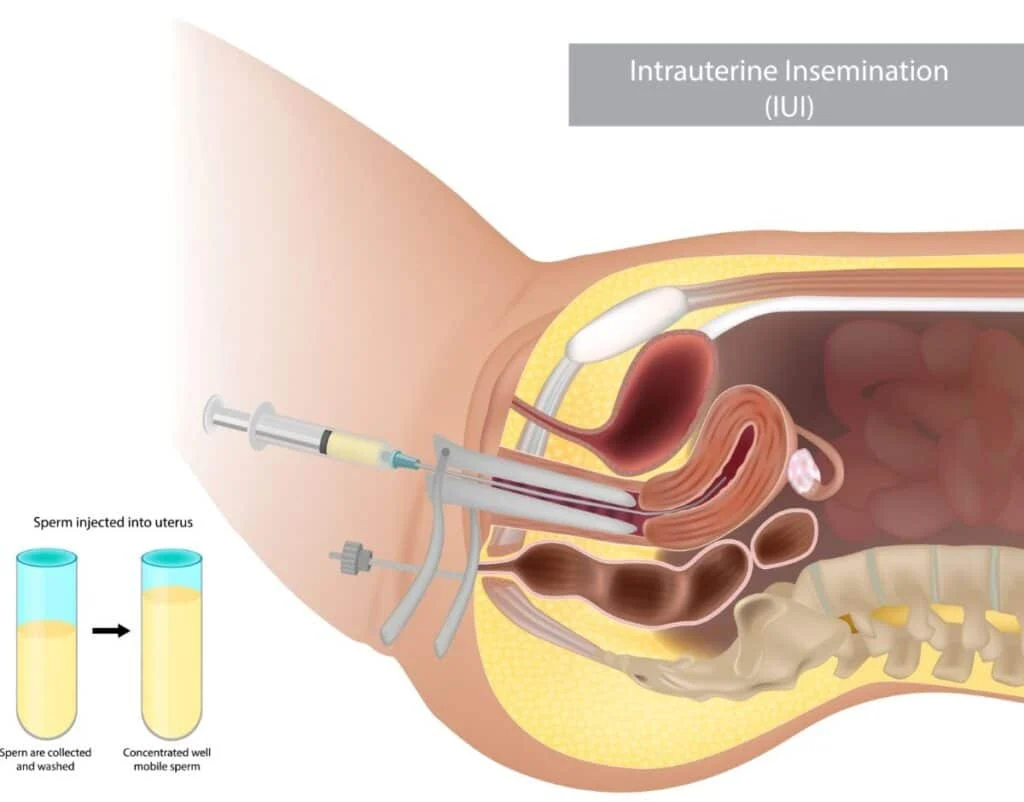
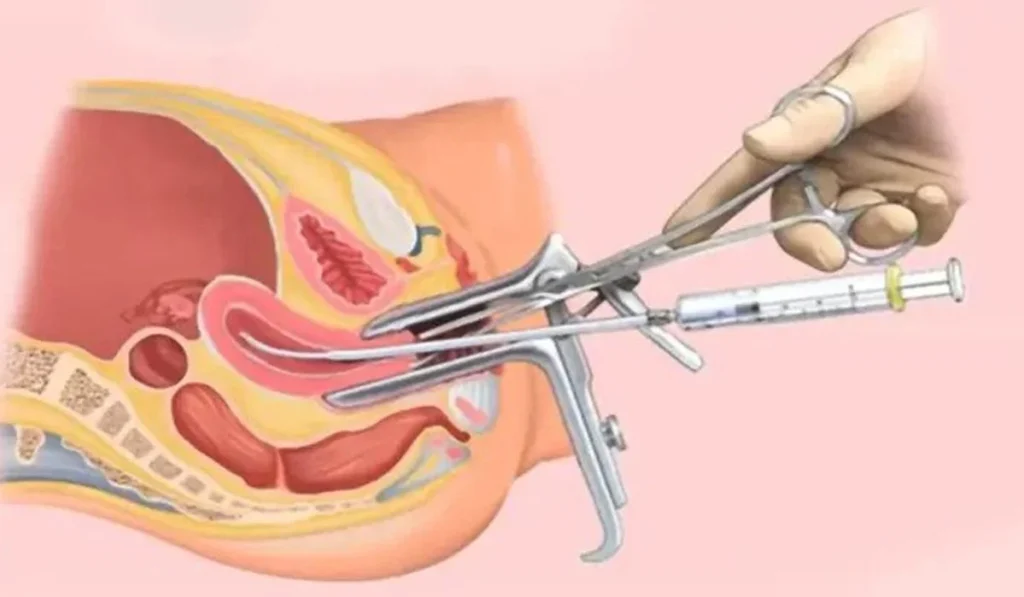
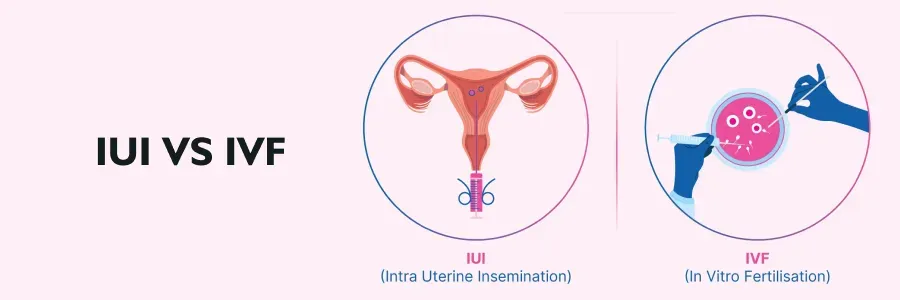
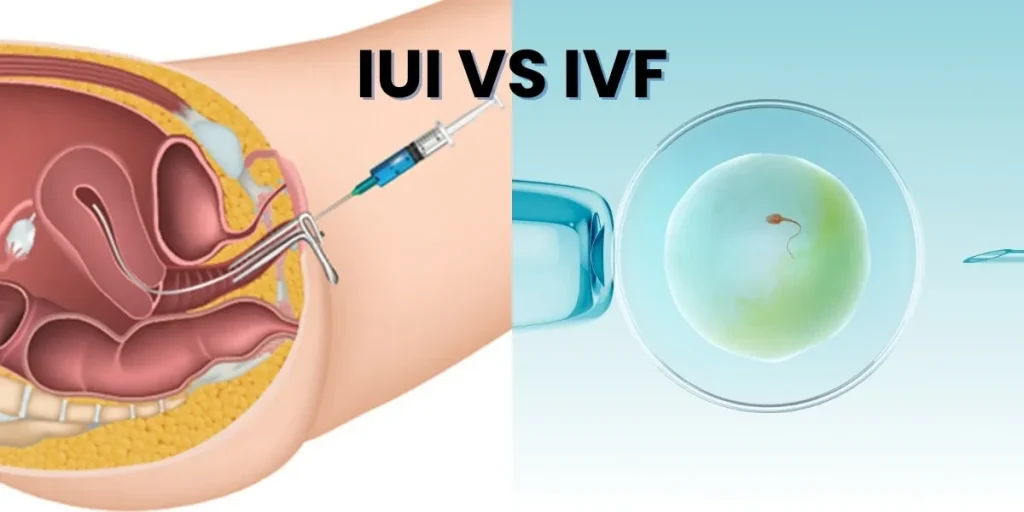
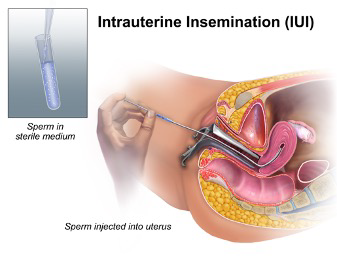
Home insemination, also known as self-insemination, involves using a syringe or other device to deposit sperm into the vagina or cervix. This method can be done at home without the help of a medical professional. On the other hand, IVF, or in vitro fertilization, is a medical procedure where eggs are retrieved from the female partner and fertilized with sperm in a laboratory. The resulting embryos are then transferred into the uterus.
The decision between home insemination and IVF is a personal one and depends on various factors such as financial constraints, personal preferences, and medical conditions. However, both methods have their own set of advantages and disadvantages, which we will explore in this blog post.
Home Insemination:
One of the main advantages of home insemination is its accessibility and affordability. Same-sex couples can purchase a home insemination kit online or at a local pharmacy and perform the procedure in the comfort of their own home. This eliminates the need for expensive medical procedures and appointments.
Another advantage is that home insemination allows for more control over the process. Couples can choose the timing of the insemination and can try multiple times without the added cost of medical procedures.
However, there are also some challenges and risks associated with home insemination. One of the main concerns is the lack of medical supervision. Without the guidance of a healthcare professional, there is a higher risk of infection or complications. Additionally, home insemination does not guarantee success and can be emotionally taxing for couples if they do not achieve the desired result.
IVF:
Breaking Down Gender Roles: Same-Sex Couples and Home Insemination vs IVF
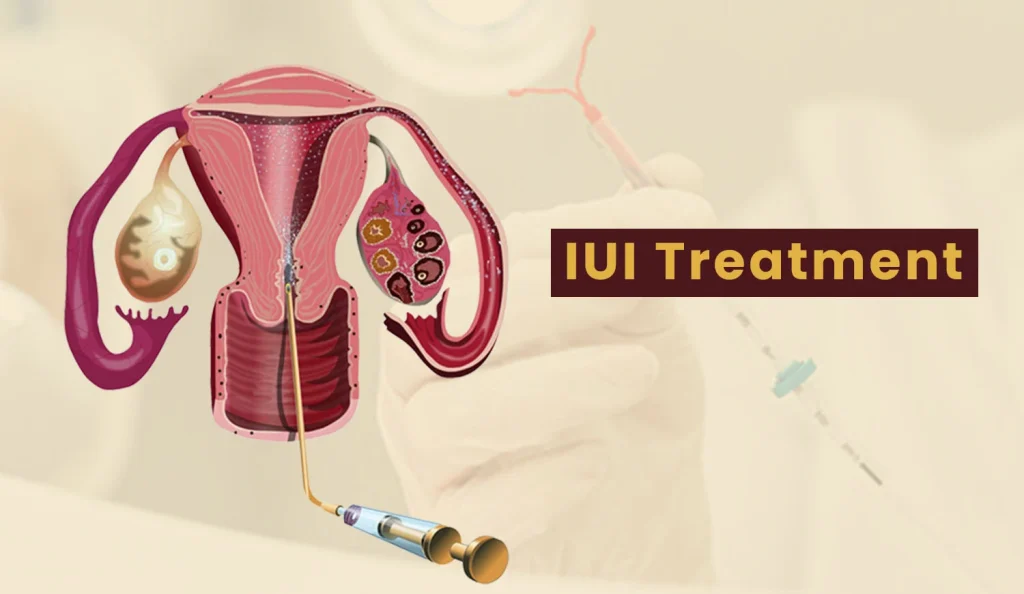
IVF, on the other hand, is a more complex and expensive method of conception. It involves multiple medical procedures, including hormone injections, egg retrieval, and embryo transfer. This can be a daunting and overwhelming process for some same-sex couples, but it also comes with some significant advantages.
One of the main advantages of IVF is its high success rates. According to the Centers for Disease Control and Prevention, the success rates for IVF range from 20-35% per cycle, depending on the age of the woman. This is significantly higher than the success rates of home insemination.
Additionally, IVF allows for pre-implantation genetic testing, which can screen for genetic disorders and chromosomal abnormalities in embryos. This can help same-sex couples ensure the health of their future child.
However, IVF also has its challenges and limitations. As mentioned earlier, it is a costly process, with one cycle costing tens of thousands of dollars. This can be a significant barrier for many same-sex couples. Furthermore, IVF may not be an option for couples with underlying medical conditions that make it difficult to conceive.
Breaking Down Gender Roles:
Now that we have explored the options available to same-sex couples, let’s take a closer look at how these methods can challenge traditional gender roles.
Home insemination, in particular, allows for same-sex couples to break away from traditional gender roles. In a heterosexual relationship, the man is typically seen as the one who provides the sperm for conception. However, in same-sex couples, this role can be shared between both partners, allowing for a more equal distribution of responsibility.
Furthermore, home insemination allows for same-sex female couples to experience pregnancy and childbirth, something that was not possible before these alternative methods were available. This challenges the traditional notion of motherhood and allows for a more inclusive definition of what it means to be a parent.
On the other hand, IVF may not challenge traditional gender roles as much as home insemination. This is because the procedure still requires a male partner or donor for sperm, reinforcing the idea that a child needs a biological father figure.
In Summary:
In conclusion, same-sex couples have various options for starting a family, including home insemination and IVF. Home insemination offers accessibility and control, while IVF boasts higher success rates and genetic testing capabilities. These alternative methods also have the potential to challenge traditional gender roles and redefine what it means to be a parent. Ultimately, the decision between home insemination and IVF should be based on personal circumstances and preferences.