Tag: at-home insemination

  • At-Home Insemination vs Clinical Insemination: Which Has Higher Success Rates?

    Blog Post:

    In recent years, there has been a growing trend towards at-home insemination as an alternative to clinical insemination. At-home insemination involves using a donor or partner’s sperm to impregnate oneself at home, while clinical insemination is the traditional method of using a medical professional to assist with the process. Both methods have their pros and cons, but one of the biggest questions that often arises is which has a higher success rate. In this blog post, we will dive into the differences between at-home insemination and clinical insemination and explore which one has a higher success rate.

    At-Home Insemination:

    At-home insemination, also known as self-insemination, is a method that has become increasingly popular in recent years due to its convenience and privacy. This method involves using a donor’s or partner’s sperm, which is either purchased or collected at home, to inseminate oneself. The sperm is then inserted into the vagina using a syringe or a special device called a cervical cap. This method can be done in the comfort of one’s own home and does not require any medical intervention.

    One of the biggest advantages of at-home insemination is the control and privacy it offers. Many people who choose this method feel more comfortable and in control of the process, as it is done in the privacy of their own home. It also allows for more flexibility in terms of timing, as one does not have to schedule appointments with a doctor. Another benefit is the cost, as at-home insemination is significantly cheaper than clinical insemination.

    However, there are some downsides to at-home insemination. One of the biggest concerns is the quality and safety of the sperm used. Unlike in a clinical setting, there are no regulations or screenings in place to ensure the health and viability of the sperm. This can increase the risk of using sperm that may have genetic or health issues. Additionally, at-home insemination does not offer the same level of expertise and assistance as clinical insemination, which could potentially affect the success rate.

    Clinical Insemination:

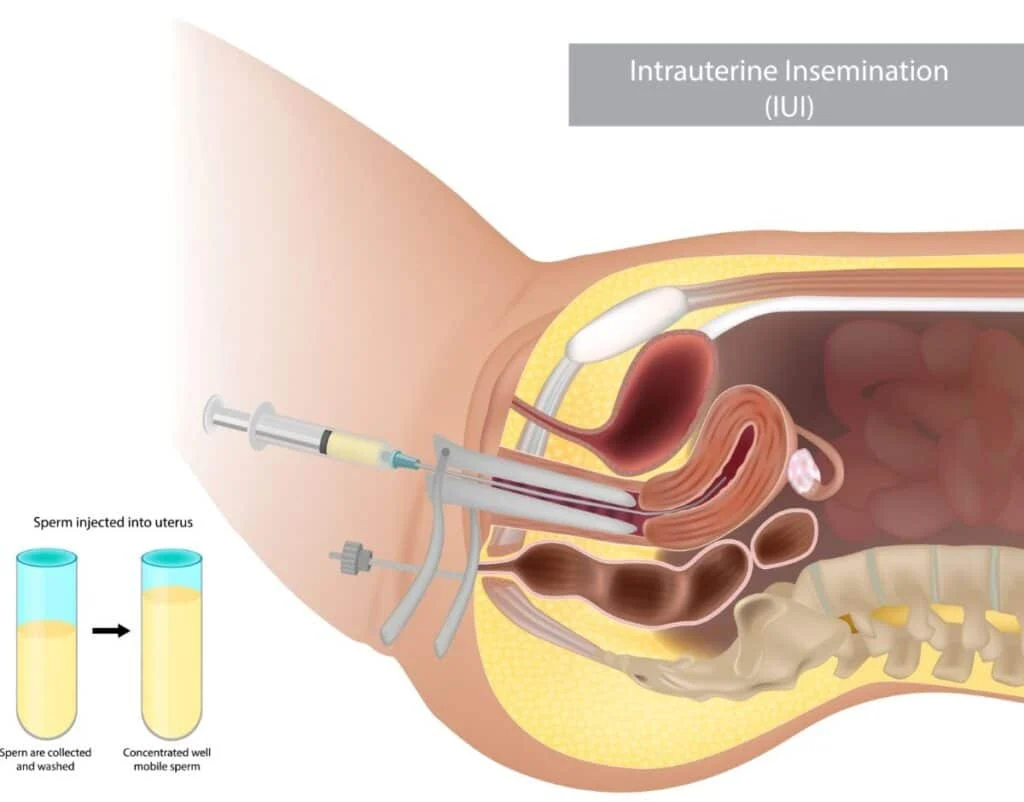
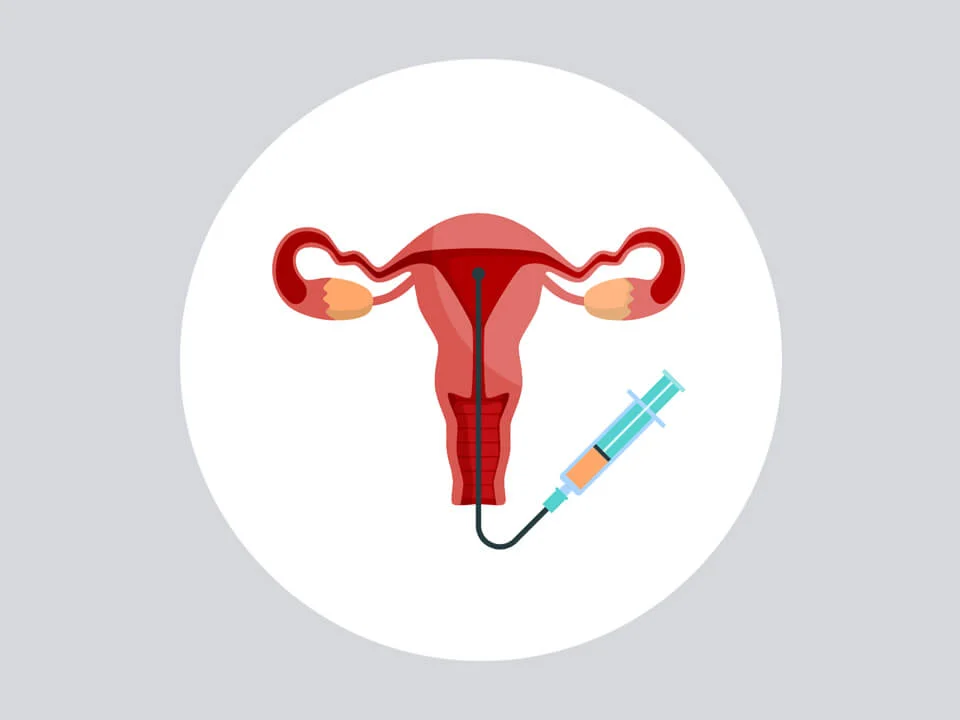
    Clinical insemination, also known as intrauterine insemination (IUI), is a method of assisted reproductive technology that involves a medical professional inserting sperm directly into the uterus. This can be done with either a partner’s or a donor’s sperm. The process involves monitoring ovulation and timing the insemination to increase the chances of conception. It can also involve using fertility drugs to stimulate ovulation.
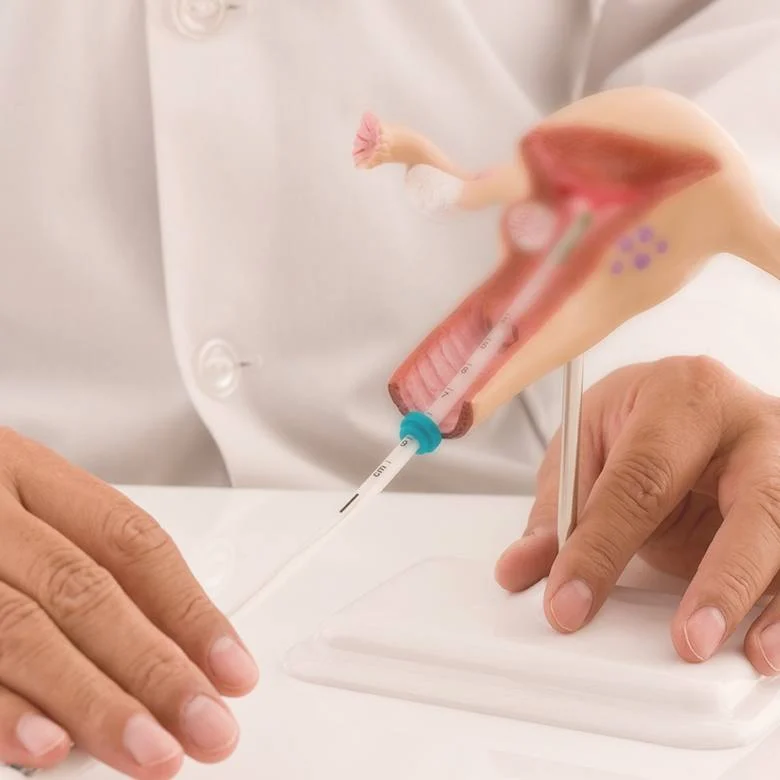
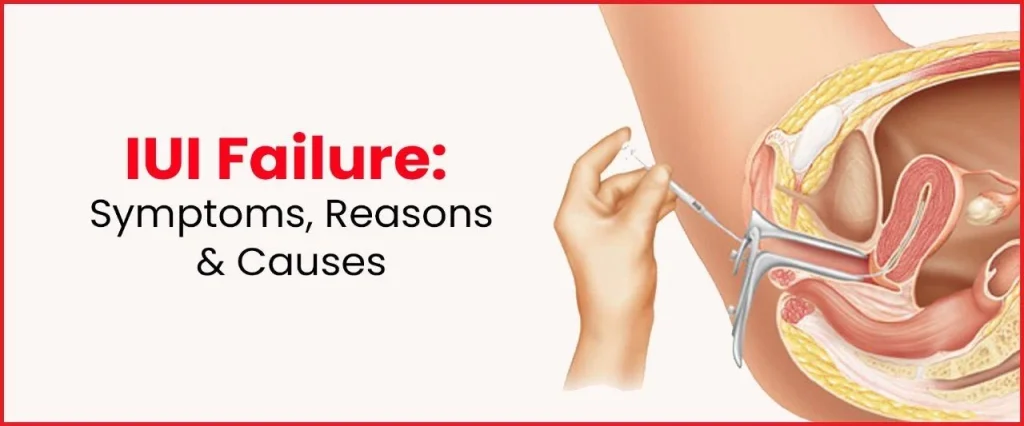
    model of the female reproductive system with a hand demonstrating intrauterine insemination technique

    At-Home Insemination vs Clinical Insemination: Which Has Higher Success Rates?

    One of the major advantages of clinical insemination is the medical expertise and support provided. The process is closely monitored by a medical professional, who can ensure the quality and safety of the sperm used and also offer guidance and support throughout the process. Additionally, fertility drugs can increase the chances of conception, making clinical insemination a more effective method for those struggling with fertility issues.

    However, there are some drawbacks to clinical insemination. The process can be invasive and uncomfortable, and it may require multiple appointments and procedures. It is also a more expensive option compared to at-home insemination. Additionally, some may feel uncomfortable with the idea of having a medical professional involved in such an intimate process.

    Success Rates:

    When it comes to success rates, it is important to consider various factors such as age, overall health, and fertility issues. However, studies have shown that clinical insemination has a higher success rate compared to at-home insemination. According to a study published in the Journal of the American Medical Association, the pregnancy rate for clinical insemination was 21%, while at-home insemination had a success rate of only 17%. This may be due to the higher level of medical expertise and monitoring in clinical insemination, as well as the use of fertility drugs.

    It is also worth noting that the success rate for both methods can be affected by factors such as the quality and health of the sperm used. In clinical insemination, the sperm is usually washed and prepared before insertion, which can improve its quality. In at-home insemination, there is no guarantee of the quality of the sperm used.

    In conclusion, both at-home insemination and clinical insemination have their pros and cons, and the decision ultimately depends on individual preferences and circumstances. While at-home insemination offers convenience and privacy, clinical insemination provides a higher success rate and medical expertise. It is important to consult with a medical professional and consider all factors before making a decision.

    Summary:

    At-home insemination and clinical insemination are two methods of insemination with their own advantages and disadvantages. At-home insemination offers convenience and privacy, while clinical insemination provides medical expertise and a higher success rate. Factors such as age, health, and fertility issues can also affect the success rate of both methods. Ultimately, the decision between the two methods depends on individual preferences and circumstances.
  • The Pros and Cons of At-Home Insemination Success Rates

    At-home insemination is becoming an increasingly popular option for couples or individuals who are looking to start a family. It involves using a donor’s sperm to artificially inseminate oneself or a partner in the comfort of their own home. While this method may seem convenient and affordable, there are pros and cons to consider when it comes to success rates. In this blog post, we will explore the advantages and disadvantages of at-home insemination success rates.

    Pros:

    1. Convenience and Comfort: At-home insemination offers a level of privacy and comfort that may not be available in a clinical setting. The process can be done in the comfort of one’s own home, eliminating any feelings of stress or anxiety that may arise from undergoing the procedure in a medical facility.

    2. Cost-effective: In comparison to clinical insemination, at-home insemination is a more affordable option. The cost of donor sperm and insemination kits are significantly lower than the fees associated with fertility clinics. This makes it a more accessible option for those who may not have the financial means to undergo clinical insemination.

    3. Flexibility: At-home insemination allows for more flexibility in terms of timing. In a clinical setting, the timing of insemination is often determined by the donor’s availability and the clinic’s schedule. With at-home insemination, the process can be done at any time, making it easier to coordinate with the donor’s schedule and increase the chances of success.

    4. Emotional Connection: For couples, at-home insemination can offer a more intimate and emotional experience. It allows partners to be more involved in the process and can strengthen the bond between them.

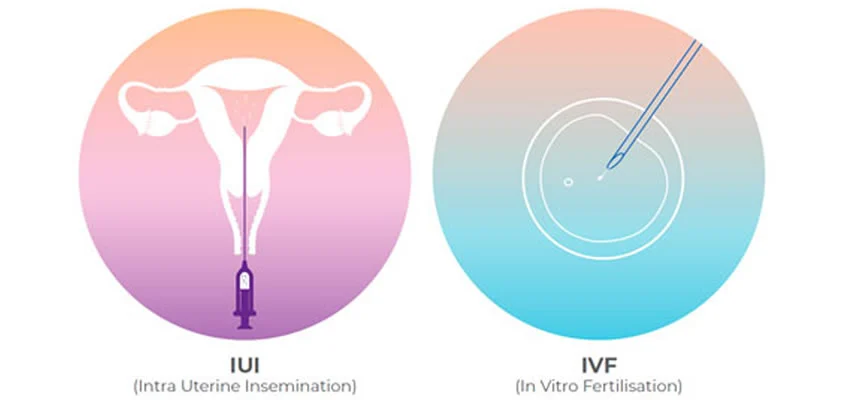
    comparison of IUI and IVF procedures illustrated with simple graphics and labels

    The Pros and Cons of At-Home Insemination Success Rates

    Cons:

    1. Lower Success Rates: One of the biggest downsides of at-home insemination is its lower success rates compared to clinical insemination. According to a study published in the Journal of Assisted Reproduction and Genetics, the success rate of at-home insemination is around 10-15%, while clinical insemination has a success rate of 20-25%.

    2. Lack of Medical Supervision: Unlike clinical insemination, at-home insemination does not involve any medical supervision. This means that there is a higher risk of complications and infections, which can affect the success rate and overall health of the individual.

    3. Limited Testing: Fertility clinics offer a range of tests to ensure the success of insemination, such as sperm count, quality, and ovulation tracking. These tests are not available for at-home insemination, which may lead to a lower success rate due to unknown factors affecting fertility.

    4. Legal Complications: At-home insemination using donor sperm can also lead to legal complications, especially if the donor is not known or properly screened. This can lead to issues with parental rights and custody, which can be stressful and emotionally taxing for all parties involved.

    In conclusion, at-home insemination has its pros and cons when it comes to success rates. While it offers convenience, affordability, and emotional connection, it also has lower success rates, lack of medical supervision, limited testing, and potential legal complications. It is important to carefully consider these factors before deciding on at-home insemination as a family-building option.

  • Uncovering the Success Rates of At-Home Insemination: What You Need to Know

    Blog Post: Uncovering the Success Rates of At-Home Insemination: What You Need to Know

    At-home insemination, also known as self-insemination, is becoming an increasingly popular method for couples and individuals who are trying to conceive. With the advancements in technology and the availability of home insemination kits, many are choosing this option over traditional methods. However, there is still a lot of uncertainty and misconceptions surrounding the success rates of at-home insemination. In this blog post, we will uncover the truth about at-home insemination and what you need to know before considering this method.

    What is At-Home Insemination?

    At-home insemination is a method of conceiving a child without medical intervention. It involves using a donor’s sperm to fertilize an egg, which can either be self-administered or with the help of a partner. This process can be done at home using a home insemination kit or with the assistance of a healthcare professional.

    Understanding Success Rates

    The success rates of at-home insemination vary greatly and are affected by several factors such as age, overall health, and fertility issues. It is essential to have realistic expectations and understand that at-home insemination may not work for everyone. According to a study published in the Journal of Assisted Reproduction and Genetics, the success rate of at-home insemination ranges from 15% to 28% per cycle. This is significantly lower than the success rates of assisted reproductive technologies such as in vitro fertilization (IVF).

    Factors Affecting Success Rates

    Age: Age plays a significant role in the success rates of at-home insemination. Women over the age of 35 have a lower likelihood of conceiving through at-home insemination compared to younger women. As women age, their fertility decreases, making it more challenging to conceive through any method.

    Fertility Issues: At-home insemination may not be suitable for couples or individuals with certain fertility issues such as low sperm count or endometriosis. It is crucial to consult with a healthcare professional before attempting at-home insemination to determine if it is the right option for you.

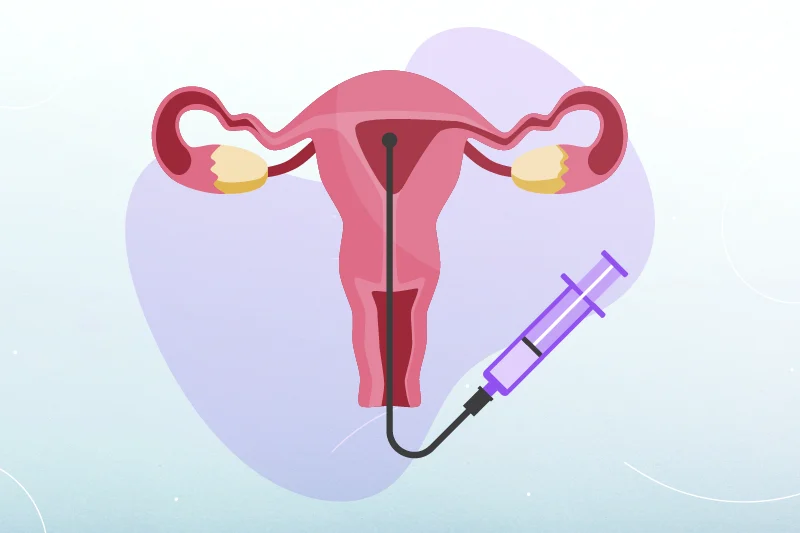
    Illustration of the uterus with a syringe, depicting the intrauterine insemination procedure.

    Uncovering the Success Rates of At-Home Insemination: What You Need to Know

    Timing: Timing is crucial when it comes to at-home insemination. It is recommended to track ovulation using ovulation predictor kits or fertility apps to increase the chances of success. Having intercourse or insemination during the fertile window is crucial for conception to occur.

    Preparation and Technique: Proper preparation and technique are vital for the success of at-home insemination. It is essential to follow the instructions of the home insemination kit carefully and be aware of any potential risks or side effects. Some kits may require additional steps such as preparing the sperm sample or using a cervical cap.

    Tips for Improving Success Rates

    While there is no guarantee that at-home insemination will lead to pregnancy, there are some tips that can help improve the success rates:

    – Consult with a healthcare professional: It is always recommended to consult with a healthcare professional before attempting at-home insemination. They can help assess your overall health and fertility and provide guidance on the best approach for you.

    – Track ovulation: As mentioned earlier, tracking ovulation is crucial for timing intercourse or insemination. Ovulation predictor kits and fertility apps can help determine the fertile window and increase the chances of conception.

    – Consider fertility supplements: Some fertility supplements, such as folic acid and CoQ10, have been shown to improve fertility in both men and women. Consult with a healthcare professional before incorporating any supplements into your routine.

    – Be patient: It is essential to have patience when it comes to at-home insemination. It may take several cycles before conception occurs, so do not get discouraged if it does not happen right away.

    In conclusion, at-home insemination can be an effective method for conceiving a child, but it is essential to have realistic expectations and understand the factors that can affect its success rates. Consulting with a healthcare professional, tracking ovulation, and being patient are all crucial in increasing the chances of success. Remember to always follow the instructions of the home insemination kit and seek medical advice if needed.

    SEO Metadata:

  • The Truth About At-Home Insemination Success Rates

    Blog Post:

    At-home insemination, also known as self-insemination, is becoming a popular option for couples and individuals who are trying to conceive. With the rise of fertility treatments and advancements in technology, more people are turning to this method as a more affordable and convenient alternative to traditional medical procedures. However, there is a lot of misinformation and confusion surrounding the success rates of at-home insemination. In this blog post, we will delve into the truth about at-home insemination success rates and provide you with the facts you need to know.

    First and foremost, it is important to understand what at-home insemination actually entails. At-home insemination involves using a syringe or a cervical cap to deposit sperm into the vagina, cervix, or uterus. This can be done using fresh or frozen sperm, and the timing of the insemination is crucial for success. The goal is for the sperm to reach and fertilize the egg, just like in traditional insemination methods.

    Now, let’s address the elephant in the room – success rates. Many people assume that at-home insemination is less effective than medical procedures, but this is not necessarily true. In fact, studies have shown that at-home insemination can have similar success rates to other fertility treatments. However, it is important to note that success rates can vary greatly depending on various factors such as age, overall health, and the cause of infertility.

    One study published in the Journal of Assisted Reproduction and Genetics found that at-home insemination using fresh sperm had a success rate of 20%, while using frozen sperm had a success rate of 15%. These rates are comparable to traditional insemination methods using fresh or frozen sperm. This study also found that success rates were higher for individuals under the age of 35.

    Another study published in the Journal of Fertility and Sterility compared the success rates of at-home insemination to those of intrauterine insemination (IUI), a medical procedure where sperm is inserted directly into the uterus. The study found that at-home insemination had a success rate of 10%, while IUI had a success rate of 9%. This shows that at-home insemination can be just as effective as IUI, which is often considered a more invasive and expensive option.

    Comparison of IUI and IVF, illustrating procedures and definitions for each fertility treatment.

    The Truth About At-Home Insemination Success Rates

    It is also worth noting that at-home insemination may be more successful for individuals with certain fertility issues. For example, individuals with cervical factor infertility, where the cervix is unable to produce adequate mucus for sperm to travel through, may have a higher chance of success with at-home insemination. This is because the sperm is deposited closer to the cervix, reducing the distance it needs to travel.

    It is important to understand that at-home insemination is not a one-size-fits-all solution. Success rates can vary greatly and are affected by many factors. One study published in the Journal of Obstetrics and Gynaecology Canada found that success rates for at-home insemination ranged from 7% to 25%. This shows that while at-home insemination can be successful, it may not work for everyone.

    So, what can you do to increase your chances of success with at-home insemination? Firstly, it is important to track your ovulation cycle to ensure that you are inseminating at the right time for optimal results. You can use ovulation predictor kits or track your basal body temperature to determine when you are most fertile. It is also recommended to consult with a fertility specialist who can provide personalized advice and guidance.

    In addition, it is essential to take care of your overall health and well-being. Factors such as diet, exercise, and stress levels can greatly impact fertility. Maintaining a healthy lifestyle can improve your chances of success with at-home insemination.

    In conclusion, at-home insemination can be a successful option for couples and individuals trying to conceive. While success rates may vary and it may not work for everyone, studies have shown that it can be just as effective as traditional medical procedures. It is important to educate yourself and consult with a healthcare professional before embarking on this journey. With the right timing, preparation, and care, at-home insemination can be a viable option for achieving your dream of starting a family.

    Summary:

    At-home insemination is a popular option for couples and individuals trying to conceive. It involves using a syringe or cervical cap to deposit sperm into the reproductive tract, and studies have shown that it can have similar success rates to traditional medical procedures. However, success rates can vary greatly and are affected by factors such as age, overall health, and the cause of infertility. It is crucial to track ovulation and maintain a healthy lifestyle to increase the chances of success with at-home insemination.

  • Breaking Down the Numbers: Comparing Success Rates of At-Home Insemination

    Breaking Down the Numbers: Comparing Success Rates of At-Home Insemination

    In recent years, there has been a rise in the popularity of at-home insemination as an alternative method for achieving pregnancy. This method involves using a donor sperm and performing the insemination process at home, instead of in a clinical setting. While this method may seem more convenient and cost-effective, many people question its success rate compared to traditional clinical insemination. In this blog post, we will break down the numbers and compare the success rates of at-home insemination to other methods of achieving pregnancy.

    Understanding At-Home Insemination

    At-home insemination involves the use of a donor sperm, which can be purchased from a sperm bank or obtained from a known donor. The process involves collecting the sperm in a sterile cup, and then using a syringe or cervical cap to insert it into the vagina near the cervix. This method is often used by same-sex female couples, single individuals, or heterosexual couples struggling with male infertility. It can be done at home without the need for medical professionals, making it a more private and affordable option.

    Success Rates of At-Home Insemination

    The success rates of at-home insemination can vary depending on various factors, including the individual’s age, overall health, and fertility issues. According to a study published in the Journal of Assisted Reproduction and Genetics, at-home insemination has a success rate of around 10-15% per cycle. This means that out of 100 couples attempting at-home insemination, only 10-15 will achieve pregnancy in their first cycle. However, this success rate can increase with multiple attempts and proper timing of ovulation.

    Factors Affecting Success Rates

    As mentioned earlier, there are several factors that can affect the success rate of at-home insemination. One of the most crucial factors is the age of the individual trying to conceive. Women over the age of 35 may have a lower success rate due to a decline in their fertility. Additionally, underlying health conditions, such as Polycystic Ovarian Syndrome (PCOS) or endometriosis, can also impact the chances of success. It is essential to consult with a doctor before attempting at-home insemination to rule out any potential fertility issues.

    Comparison to Clinical Insemination

    Diagram illustrating intrauterine insemination (IUI) procedure with sperm injection into the uterus.

    Breaking Down the Numbers: Comparing Success Rates of At-Home Insemination

    Clinical insemination, also known as intrauterine insemination (IUI), involves the insertion of sperm directly into the uterus. This method is typically done in a doctor’s office and is more expensive compared to at-home insemination. However, clinical insemination has a higher success rate of around 20% per cycle, according to the American Pregnancy Association. This is because the sperm is placed closer to the egg, increasing the chances of fertilization.

    Factors Affecting Clinical Insemination Success Rates

    Similar to at-home insemination, age and underlying health conditions can also affect the success rate of clinical insemination. However, one significant factor that can impact success is the quality of the sperm being used. Sperm quality can be affected by factors such as smoking, excessive alcohol consumption, and certain medications. It is essential to undergo a thorough evaluation of sperm quality before attempting clinical insemination.

    In Vitro Fertilization (IVF) Success Rates

    In vitro fertilization (IVF) is another option for individuals struggling with infertility. This method involves retrieving eggs from the ovaries and fertilizing them with sperm in a laboratory. The fertilized eggs are then transferred back into the uterus for implantation. The success rate of IVF varies depending on age, with younger individuals having a higher success rate. According to the Centers for Disease Control and Prevention (CDC), the average success rate for IVF is around 48% for women under 35.

    Factors Affecting IVF Success Rates

    Age, underlying health conditions, and the quality of sperm and eggs used can all impact the success rate of IVF. Additionally, the number of embryos transferred can also affect success rates. While transferring more embryos can increase the chances of success, it also increases the risk of multiple pregnancies, which can be dangerous for both the mother and the babies.

    Conclusion

    While at-home insemination may seem like a more convenient and affordable option, its success rate is lower than other methods such as clinical insemination and IVF. However, this does not mean that it is not a viable option for achieving pregnancy. It is essential to consult with a doctor and undergo proper fertility evaluations before attempting at-home insemination. Additionally, being aware of the factors that can affect success rates can help individuals make informed decisions about their fertility journey.

    In summary, at-home insemination has a success rate of around 10-15% per cycle, which can vary depending on age, overall health, and underlying fertility issues. Clinical insemination has a higher success rate of around 20% per cycle, while IVF has an average success rate of 48% for women under 35. Factors such as age, underlying health conditions, and sperm and egg quality can all impact the success rates of these methods. Consulting with a doctor and undergoing proper evaluations can help individuals make the best decision for their unique fertility journey.

  • Exploring the Differences: At-Home vs Clinical Insemination Success Rates

    Exploring the Differences: At-Home vs Clinical Insemination Success Rates

    Insemination is a popular method of assisted reproductive technology that is used by couples and individuals who are struggling to conceive. It involves the placement of sperm into the reproductive tract in order to increase the chances of fertilization. While traditionally performed in a clinical setting, insemination can also be done at home using a variety of methods. But what are the differences in success rates between at-home and clinical insemination? In this blog post, we will explore the various factors that can affect the success rates of at-home and clinical insemination.

    At-Home Insemination Success Rates

    At-home insemination, also known as self-insemination, is a method of insemination that can be done by individuals or couples in the comfort of their own home. It typically involves the use of a syringe to insert the sperm into the vagina or the use of a soft cup to keep the sperm near the cervix. This method is often chosen by those who prefer a more intimate and private setting for the insemination process.

    One of the main factors that can affect the success rates of at-home insemination is the timing of the procedure. Sperm can survive in the female reproductive tract for up to 5 days, which means that insemination should ideally be done around the time of ovulation. However, it can be difficult to accurately predict ovulation, especially for those with irregular menstrual cycles. This can result in a lower success rate for at-home insemination.

    Another factor that can impact the success rates of at-home insemination is the quality of the sperm. While sperm can be purchased from sperm banks, there is a lack of regulation and quality control compared to clinical settings. This means that the sperm used for at-home insemination may not be of the same quality as those used in clinical settings, which can affect the chances of fertilization.

    Clinical Insemination Success Rates

    Clinical insemination, also known as intrauterine insemination (IUI), is a procedure that is performed in a medical setting, typically a fertility clinic. During this procedure, specially prepared sperm is directly inserted into the uterus using a catheter. This method of insemination is often recommended for couples or individuals who have been trying to conceive for a certain period of time without success, or for those who have fertility issues.

    One of the main advantages of clinical insemination is the ability to control and monitor the timing of the procedure. Fertility specialists can perform ultrasounds and blood tests to determine the most optimal time for insemination, increasing the chances of success. In addition, the quality of the sperm used in clinical settings is closely monitored and regulated, ensuring a higher success rate.

    Comparison of IUI and IVF treatments with diagrams of reproductive anatomy.

    Exploring the Differences: At-Home vs Clinical Insemination Success Rates

    Another factor that can contribute to the success rates of clinical insemination is the use of fertility medications. These medications can help stimulate ovulation and increase the chances of fertilization. This is especially beneficial for those who have irregular ovulation or other fertility issues.

    Key Differences and Considerations

    While both at-home and clinical insemination have their own set of benefits and drawbacks, there are some key differences and considerations to keep in mind when exploring the success rates of each method.

    Firstly, it is important to note that success rates for both methods can vary greatly depending on individual factors such as age, overall health, and fertility issues. It is always advisable to consult with a fertility specialist to determine the best course of action for each individual case.

    Secondly, at-home insemination may be a more affordable option for those who cannot afford the costs of clinical insemination. However, it is important to keep in mind that the success rates may not be as high as clinical insemination, and multiple attempts may be needed.

    Lastly, it is important to consider the psychological and emotional impact of both at-home and clinical insemination. At-home insemination may provide a more intimate and private experience, while clinical insemination may feel more clinical and impersonal. It is important to choose the method that feels most comfortable for the individual or couple.

    In conclusion, while both at-home and clinical insemination can be effective methods of assisted reproductive technology, there are several factors that can affect the success rates of each method. It is important to take into consideration individual factors, as well as the quality and timing of the procedure, in order to determine the best course of action for achieving successful conception.

    Summary:

    Insemination is a popular method of assisted reproductive technology used by couples and individuals struggling to conceive. While traditionally performed in a clinical setting, it can also be done at home. Factors such as timing and sperm quality can affect the success rates of at-home insemination, while clinical insemination offers more control and monitored timing, as well as higher quality sperm. The success rates of both methods can vary greatly depending on individual factors and it is important to consider the psychological and emotional impact as well.

  • At-Home Insemination Kits vs. Medical Supplies: What’s Right for You?

    Blog Post Summary:

    At-home insemination kits and medical supplies both offer options for individuals or couples trying to conceive. While at-home insemination kits may seem more convenient and cost-effective, medical supplies can provide a higher success rate and more thorough testing and monitoring. Ultimately, the decision between the two options depends on individual needs and preferences.

    The blog post delves into the differences between at-home insemination kits and medical supplies, including the pros and cons of each option. It also discusses important factors to consider such as success rates, cost, safety, and monitoring.

    At-home insemination kits are designed for convenience and privacy, allowing individuals or couples to perform the insemination process in the comfort of their own home. These kits typically include a syringe or dropper, collection cup, and instructions. They are also more affordable than medical supplies.

    illustration of IUI procedure with text on symptoms, reasons, and causes of IUI failure

    At-Home Insemination Kits vs. Medical Supplies: What's Right for You?

    On the other hand, medical supplies, such as intrauterine insemination (IUI) kits, offer a more medically sound approach. These kits include a catheter, syringe, and other necessary tools for the insemination process. They also provide a higher success rate as they are usually performed by a healthcare professional and can be monitored closely for timing and accuracy.

    The blog post also discusses the importance of considering safety when choosing between at-home insemination kits and medical supplies. While at-home kits may seem simple and straightforward, there is a risk of infection if proper sterilization protocols are not followed. Medical supplies, on the other hand, are used in a sterile environment and are typically handled by trained professionals.

    Cost is also a significant factor to consider when deciding between the two options. At-home insemination kits are generally more affordable, and some insurance plans may cover the cost. However, medical supplies and procedures can be more expensive, especially if multiple attempts are needed.

    Monitoring and testing are crucial for successful insemination, and medical supplies offer more comprehensive options. With at-home insemination kits, individuals or couples must rely on at-home pregnancy tests to determine if the process was successful. Medical supplies, on the other hand, can be used with more advanced testing and monitoring methods, such as ultrasounds and blood tests.

    In conclusion, both at-home insemination kits and medical supplies offer options for individuals or couples trying to conceive. While at-home kits may be more convenient and cost-effective, medical supplies provide a higher success rate, safer procedures, and more thorough monitoring and testing. It is essential to carefully consider individual needs and preferences when deciding between the two options.

  • The Importance of Diligence: At-Home Insemination Kits vs. Medical Supplies

    Blog Post:

    In recent years, the concept of at-home insemination has gained popularity as a method for couples or individuals to conceive without the need for medical intervention. However, the use of at-home insemination kits raises questions about the effectiveness and safety of this approach compared to using medical supplies. In this blog post, we will delve into the importance of diligence when it comes to choosing between at-home insemination kits and medical supplies.

    At-Home Insemination Kits:

    At-home insemination kits are readily available in the market and can be purchased without a prescription. These kits typically include a syringe or a soft cup, a collection cup, and sometimes, a fertility-friendly lubricant. They are marketed as a more affordable and convenient alternative to medical supplies, allowing individuals to perform insemination in the comfort of their own home. However, the use of at-home insemination kits comes with its own set of challenges and limitations.

    Firstly, at-home insemination kits lack the necessary medical expertise and guidance. Insemination is a delicate and complex process that requires proper knowledge and training. Without proper guidance, individuals may not be able to accurately time ovulation or insert the syringe or soft cup in the correct position, leading to a lower chance of success. In contrast, medical supplies such as intrauterine insemination (IUI) catheters are designed specifically for this purpose and are inserted by trained medical professionals.

    Secondly, at-home insemination kits do not provide the same level of sterility and safety as medical supplies. The syringes and soft cups included in these kits are not sterile and can pose a risk of infection. Medical supplies, on the other hand, are sterile and used in a controlled, clinical environment, reducing the risk of infection and ensuring the safety of the procedure.

    Finally, at-home insemination kits often do not come with a guarantee of quality or success. While they may be more affordable than medical supplies, the lack of regulation and quality control means that the effectiveness of these kits may vary. In contrast, medical supplies used in clinics are regulated and monitored, providing a higher level of assurance for couples or individuals trying to conceive.

    Medical Supplies:

    Illustration of the uterus with a syringe, depicting the intrauterine insemination procedure.

    The Importance of Diligence: At-Home Insemination Kits vs. Medical Supplies

    Medical supplies, such as IUI catheters, are specifically designed for the purpose of insemination and are used in a clinical setting under the guidance of trained medical professionals. These supplies are sterile, ensuring the safety of the procedure, and come with a higher level of expertise and support.

    One of the main advantages of using medical supplies is the accurate timing of ovulation. Through ultrasound monitoring and hormonal testing, medical professionals can accurately determine the best time for insemination, increasing the chances of success. In contrast, at-home insemination kits rely on ovulation prediction kits or calendars, which may not always be accurate.

    Moreover, medical supplies also provide a higher success rate compared to at-home insemination kits. This can be attributed to the expertise and precision of medical professionals, as well as the use of advanced technology, such as sperm washing, to ensure the highest quality and concentration of sperm for insemination.

    Another significant advantage of using medical supplies is the access to additional fertility treatments. In cases where at-home insemination has been unsuccessful, medical professionals can offer other options, such as intrauterine insemination (IUI) or in vitro fertilization (IVF), to increase the chances of conception. This is not possible with at-home insemination kits, which have a limited scope of use.

    The Importance of Diligence:

    When it comes to something as important as trying to conceive, it is crucial to be diligent in the approach chosen. While at-home insemination may seem like a more affordable and convenient option, it is important to consider the potential risks and limitations. The use of medical supplies, on the other hand, provides a higher level of safety and success, along with the guidance and expertise of medical professionals.

    In addition, being diligent also means considering the individual circumstances and needs of each couple or individual. For some, at-home insemination may be a viable option, while for others, medical supplies may be the better choice. It is essential to seek proper medical advice and guidance to make an informed decision and increase the chances of success.

    In summary, the use of at-home insemination kits and medical supplies raises questions about the effectiveness and safety of each approach. While at-home insemination may seem like a more affordable and convenient option, it lacks the necessary expertise, safety, and success rate compared to medical supplies used in a clinical setting. It is important to be diligent and consider all factors before making a decision for the best chance at conception.

  • At-Home Insemination Kits: A Cost-Effective Option for Fertility Treatments

    Summary:

    Fertility treatments can be expensive and overwhelming for couples struggling to conceive. However, there is a cost-effective option that can be done in the comfort of your own home – at-home insemination kits. These kits offer a convenient and private way to increase the chances of getting pregnant without breaking the bank. In this blog post, we will discuss the basics of at-home insemination, its advantages and limitations, and how to choose the best kit for your needs.

    At-home insemination involves placing sperm directly into the cervix or uterus during a woman’s fertile window. This can be done through a variety of methods, including using a syringe, cervical cap, or soft cup. The kits typically include all the necessary tools and instructions for the insemination process. They can be purchased online or at local drugstores, making it easily accessible for couples.

    One of the biggest advantages of at-home insemination kits is the cost-effectiveness. Traditional fertility treatments, such as intrauterine insemination (IUI) or in vitro fertilization (IVF), can cost thousands of dollars per cycle. In contrast, at-home insemination kits range from $50 to $200, depending on the type and brand. This makes it a more affordable option for couples who may not have the financial means to pursue other fertility treatments.

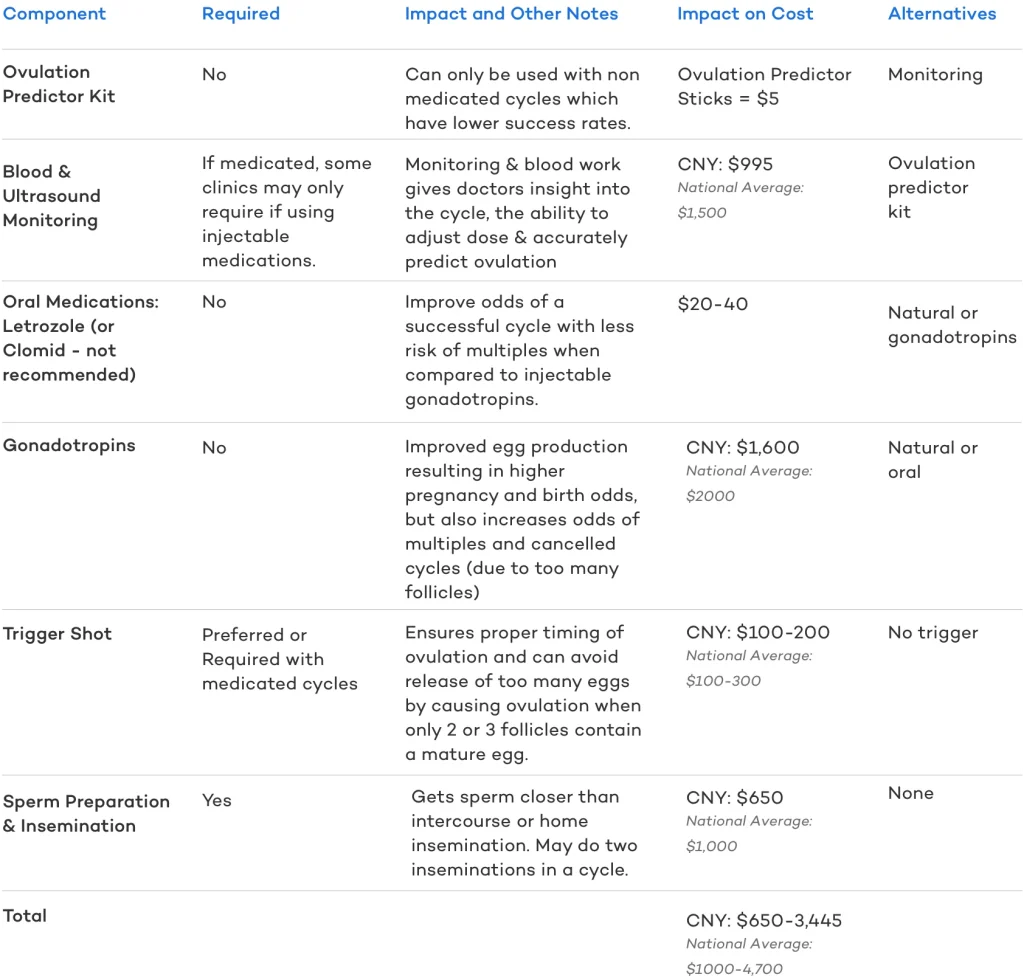
    Cost breakdown for IUI components, including requirements, impacts, and alternatives.

    At-Home Insemination Kits: A Cost-Effective Option for Fertility Treatments

    Another advantage of at-home insemination is the privacy it offers. Many couples may feel uncomfortable with the idea of having a medical professional involved in such an intimate process. With at-home insemination, they can perform the procedure in the privacy of their own home, without any outside interference.

    However, it is important to note that at-home insemination may not be suitable for everyone. It is recommended for couples who have been diagnosed with unexplained infertility or have a known fertility issue that can be addressed through this method. It is not recommended for couples with severe male factor infertility or blocked fallopian tubes, as these issues may require medical intervention.

    Choosing the right at-home insemination kit is crucial for the success of the process. Couples should look for kits that are FDA-approved and come with clear instructions. It is also essential to check the expiration date of the sperm sample included in the kit, as using expired sperm can decrease the chances of pregnancy. Additionally, couples should consider the type of insemination method they are comfortable with, as each method has its own pros and cons.

    It is also recommended to consult with a fertility specialist before trying at-home insemination. They can provide guidance on the best timing and method for the procedure, as well as offer support and advice throughout the process.

    In conclusion, at-home insemination kits offer a cost-effective and private option for couples struggling with fertility. They can be a great alternative to traditional fertility treatments and can increase the chances of getting pregnant. However, it is essential to choose the right kit and seek medical advice before attempting the procedure. With the right preparation and guidance, at-home insemination can be a successful and fulfilling journey towards parenthood.

  • The Impact of Quality: At-Home Insemination Kits vs. Medical Supplies

    Blog Post: The Impact of Quality: At-Home Insemination Kits vs. Medical Supplies

    In the world of assisted reproduction, there are many options available for couples or individuals who are trying to conceive. One of the most common methods is insemination, which involves placing sperm into the reproductive tract in order to facilitate fertilization. In the past, this procedure was only available through medical facilities and required specialized equipment and expertise. However, with the advancement of technology, at-home insemination kits have become a popular choice for those looking for a more private and cost-effective option. In this blog post, we will explore the impact of quality when it comes to at-home insemination kits versus medical supplies and how it can affect the success of the procedure.

    At-Home Insemination Kits: Convenience and Affordability

    At-home insemination kits have gained popularity in recent years due to their convenience and affordability. These kits typically include all the necessary equipment for the procedure, such as a syringe, collection cup, and instructions. They often come in discreet packaging and can be easily ordered online or purchased at a local pharmacy without a prescription. This makes them a convenient option for those who may not have access to a medical facility or prefer to perform the procedure in the comfort of their own home.

    In addition, at-home insemination kits are significantly more affordable than medical supplies. The average cost of an at-home insemination kit ranges from $30 to $100, while medical supplies can cost hundreds or even thousands of dollars. This cost difference can be a significant factor for couples or individuals who may require multiple attempts at insemination in order to conceive. The affordability of at-home insemination kits has made assisted reproduction more accessible to a wider range of people, especially those who may not have the financial means to pursue medical options.

    However, the convenience and affordability of at-home insemination kits come with potential drawbacks in terms of quality and success rates.

    Quality Concerns with At-Home Insemination Kits

    One of the main concerns with at-home insemination kits is the lack of regulation and oversight. Unlike medical facilities, at-home kits are not subject to the same strict standards and regulations. This means that the quality of the equipment and materials used may vary significantly, and there is no guarantee that they meet the necessary safety and efficacy standards. This can lead to potential risks for both the donor and the recipient, such as infections or allergic reactions.

    In addition, at-home insemination kits may not provide the same level of accuracy and precision as medical supplies. For example, the syringes included in these kits may not have the same measurements and markings as those used in medical facilities, making it more difficult to accurately determine the amount of sperm being transferred. This can greatly impact the success of the procedure, as the wrong amount of sperm may be introduced into the reproductive tract, reducing the chances of fertilization.

    Illustration of a uterus with a syringe, representing intrauterine insemination (IUI) procedure.

    The Impact of Quality: At-Home Insemination Kits vs. Medical Supplies

    Medical Supplies: Quality and Expertise

    On the other hand, medical supplies used in a professional setting are subject to strict regulations and standards. These supplies are often sterilized and of higher quality, ensuring safety and efficacy for the donor and recipient. Medical facilities also have trained professionals who are experienced in performing insemination procedures, ensuring accurate and precise placement of sperm.

    Furthermore, medical facilities have access to advanced equipment and techniques that may not be available in at-home kits. For instance, some facilities may use intrauterine insemination (IUI), which involves placing the sperm directly into the uterus. This method has been shown to have higher success rates compared to traditional insemination methods, which may not be available in at-home kits.

    However, the cost of medical supplies and the need for specialized expertise can be a barrier for some individuals or couples. This is where the affordability and convenience of at-home insemination kits may make them a more attractive option, despite the potential quality concerns.

    The Impact of Quality on Success Rates

    The success of any assisted reproduction procedure, including insemination, is greatly impacted by the quality of the materials and equipment used. Inadequate quality can lead to a decrease in success rates, as well as potential risks and complications. While at-home insemination kits may be a more affordable and convenient option, the quality of these kits may not be on par with medical supplies, which can greatly affect the success of the procedure.

    Therefore, it is important for individuals or couples considering at-home insemination to carefully research and choose a reputable brand that ensures high-quality materials and equipment. It is also recommended to consult with a medical professional before attempting the procedure at home, in order to receive proper guidance and ensure the highest chance of success.

    Summary:

    At-home insemination kits have become a popular choice for individuals or couples looking for a more affordable and convenient option for assisted reproduction. However, the lack of regulation and oversight in these kits can raise concerns about their quality and potential risks. On the other hand, medical supplies used in a professional setting are subject to strict regulations and are often of higher quality. The expertise of medical professionals and access to advanced techniques can also greatly impact the success of the procedure. It is important to carefully consider the impact of quality when choosing between at-home insemination kits and medical supplies in order to increase the chances of a successful outcome.