Tag: lifestyle changes

  • Medical Fertility Testing for Men: Understanding the Role of Sperm Quality

    Blog Post: Medical Fertility Testing for Men: Understanding the Role of Sperm Quality

    When it comes to starting a family, many couples face challenges with fertility. While there are various factors that can contribute to difficulties conceiving, one of the most crucial aspects to consider is sperm quality. Sperm quality refers to the health and viability of a man’s sperm, which plays a crucial role in achieving pregnancy. In this blog post, we will explore the basics of medical fertility testing for men and dive deeper into understanding the role of sperm quality.

    What is Medical Fertility Testing?

    Medical fertility testing is a series of tests and evaluations that are conducted to assess a couple’s fertility potential. It involves a thorough examination of both partners to identify any underlying issues that may be causing difficulties in conceiving. For men, the main focus of fertility testing is on their sperm quality, as it is a crucial factor in achieving a successful pregnancy.

    The Role of Sperm Quality in Fertility

    Sperm quality refers to the health and viability of a man’s sperm. It is a crucial factor in achieving pregnancy, as healthy sperm is necessary for fertilizing the egg. Sperm quality is determined by various factors, including sperm count, motility (ability to swim), morphology (shape and size), and overall sperm health. If any of these factors are compromised, it can significantly impact a man’s fertility and make it difficult for a couple to conceive.

    How is Sperm Quality Tested?

    There are several methods used to test sperm quality, and each provides valuable information about a man’s fertility potential. The most common tests include semen analysis, sperm DNA fragmentation test, and sperm viability test.

    Semen Analysis: A semen analysis is the most common test used to evaluate sperm quality. It involves collecting a semen sample and examining it under a microscope to assess sperm count, motility, and morphology. This test can also detect any abnormalities in sperm, such as low sperm count, poor motility, or abnormal shape, which can indicate issues with fertility.

    Sperm DNA Fragmentation Test: This test measures the level of DNA damage in sperm. High levels of DNA damage can affect the sperm’s ability to fertilize an egg and increase the risk of pregnancy loss. This test is particularly useful for couples who have experienced multiple miscarriages or have been unsuccessful in achieving pregnancy through other methods.

    Sperm Viability Test: A sperm viability test is used to assess the percentage of live and healthy sperm in a semen sample. This test can help identify any underlying issues that may affect sperm quality, such as infections or hormonal imbalances.

    comparison of IUI and IVF procedures illustrated with simple graphics and labels

    Medical Fertility Testing for Men: Understanding the Role of Sperm Quality

    Factors Affecting Sperm Quality

    Several factors can impact sperm quality, including age, lifestyle habits, and underlying medical conditions. As men age, the quality of their sperm may decline, making it more challenging to achieve pregnancy. Lifestyle factors such as smoking, excessive alcohol consumption, and drug use can also affect sperm quality. Medical conditions like hormonal imbalances, infections, and genetic disorders can also have a significant impact on sperm quality.

    Improving Sperm Quality

    While there are various medical treatments available to improve sperm quality, there are also some lifestyle changes that men can make to enhance their fertility potential. These include:

    1. Maintaining a healthy weight: Being overweight or underweight can affect hormone levels, which can, in turn, affect sperm quality.

    2. Quitting smoking: Smoking can damage sperm DNA and reduce sperm count and motility.

    3. Reducing alcohol and drug use: Excessive alcohol consumption and drug use can impair sperm production and quality.

    4. Eating a balanced diet: A diet rich in fruits, vegetables, and lean proteins can provide the essential nutrients for healthy sperm production.

    5. Reducing stress: Stress can affect hormone levels, which can impact sperm quality. Engaging in relaxation techniques such as meditation or yoga can help reduce stress levels.

    Summary

    In conclusion, medical fertility testing for men is an essential step in understanding the role of sperm quality in achieving pregnancy. Sperm quality plays a crucial role in fertility, and factors such as age, lifestyle habits, and underlying medical conditions can impact it. Through various tests and evaluations, doctors can determine the quality of sperm and identify any underlying issues that may be causing difficulties in conceiving. By making lifestyle changes and seeking appropriate medical treatment, men can improve their sperm quality and increase their chances of starting a family.

  • The Link Between Hormones and Fertility: Insights from At-Home and Medical Testing

    Summary:

    Hormones play a crucial role in fertility, and understanding their levels and functioning is essential for those trying to conceive. At-home and medical testing can provide valuable insights into hormone imbalances and potential fertility issues. In this blog post, we will explore the link between hormones and fertility and the benefits of using both at-home and medical testing to optimize fertility.

    First, let’s understand the role of hormones in fertility. Hormones are chemical messengers that regulate various bodily functions, including the menstrual cycle and ovulation. In women, the main hormones involved in fertility are estrogen, progesterone, follicle-stimulating hormone (FSH), and luteinizing hormone (LH). Any imbalance in these hormones can affect ovulation and fertility.

    At-home hormone testing has gained popularity in recent years as a convenient and accessible way to monitor hormone levels. These tests involve collecting a sample of urine, saliva, or blood at home and sending it to a lab for analysis. At-home testing kits can measure levels of estrogen, progesterone, FSH, and LH, giving individuals a better understanding of their hormone levels and potential imbalances.

    One of the main advantages of at-home hormone testing is its convenience. It can be done in the comfort of one’s home, eliminating the need for multiple trips to a doctor’s office. At-home tests also tend to be more affordable than medical testing, making it a more accessible option for those on a budget.

    However, at-home hormone testing has its limitations. It can only provide a snapshot of hormone levels at a specific time, and the results may not be as accurate as medical testing. Additionally, at-home tests cannot diagnose underlying medical conditions that may be affecting fertility. Therefore, it is essential to consult with a medical professional if at-home testing reveals any hormone imbalances or concerns.

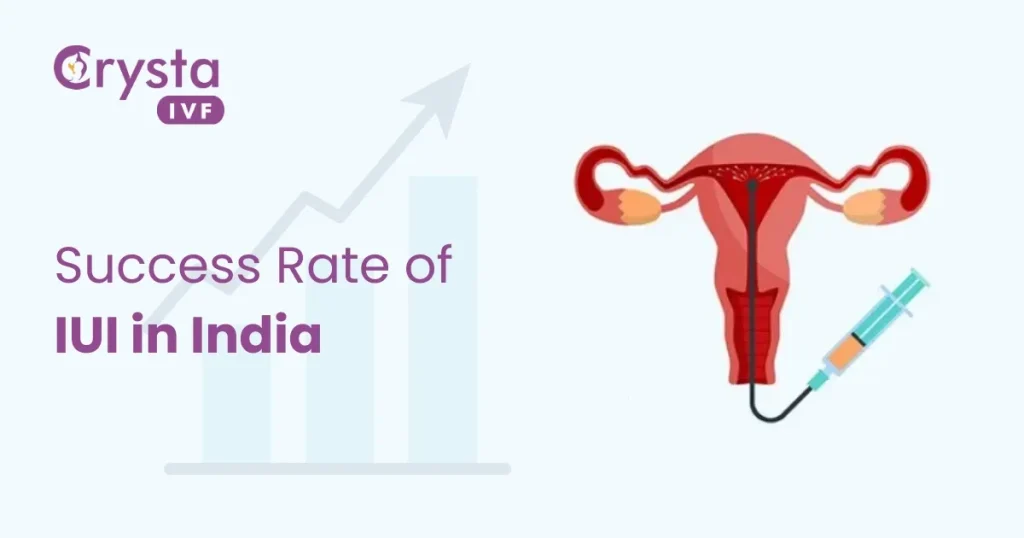
    success rate of IUI in India with a graphic of a uterus and syringe alongside a rising graph

    The Link Between Hormones and Fertility: Insights from At-Home and Medical Testing

    On the other hand, medical testing involves a series of blood tests, ultrasounds, and other diagnostic procedures performed by a doctor. These tests can provide a more comprehensive and accurate picture of hormone levels and any underlying medical conditions that may be contributing to fertility issues.

    One of the most commonly used medical tests for fertility is the blood test for Anti-Müllerian Hormone (AMH). This hormone is produced by the ovaries and is an indicator of ovarian reserve, or the number of eggs a woman has left. A low AMH level may indicate a reduced ovarian reserve, making it more challenging to conceive.

    Other medical tests for fertility include checking thyroid function, insulin levels, and other hormone levels that can affect fertility. These tests can help identify any underlying conditions, such as polycystic ovary syndrome (PCOS) or thyroid disorders, that may be contributing to fertility issues.

    Combining at-home and medical testing can provide a more comprehensive understanding of hormone levels and potential fertility issues. At-home testing can be a useful tool for monitoring hormone levels throughout the menstrual cycle, while medical testing can help diagnose any underlying medical conditions and provide targeted treatment options.

    In addition to testing, lifestyle changes can also play a significant role in balancing hormones and optimizing fertility. Eating a healthy diet, managing stress levels, and maintaining a healthy weight can all contribute to hormonal balance and improve fertility.

    In conclusion, hormones and fertility are intricately linked, and understanding their levels and functioning is crucial for those trying to conceive. Both at-home and medical testing can provide valuable insights into hormone imbalances and potential fertility issues. By combining these testing methods and making positive lifestyle changes, individuals can take a proactive approach to optimize their fertility and increase their chances of conception.

  • Hormone Injections vs Natural Fertility Boosters: Which is More Sustainable?

    Blog Post Title: Hormone Injections vs Natural Fertility Boosters: Which is More Sustainable?

    Summary:

    When it comes to fertility, many couples face challenges in conceiving naturally. This often leads them to explore different options, such as hormone injections and natural fertility boosters. While both methods aim to increase fertility and help couples conceive, they differ in their approaches and sustainability. In this blog post, we will take a closer look at hormone injections and natural fertility boosters, comparing their effectiveness, potential side effects, and long-term sustainability. By the end, you will have a better understanding of which option may be more suitable for your fertility journey.

    Introduction:

    The journey to parenthood can be a rollercoaster of emotions, especially when facing fertility challenges. Hormone injections and natural fertility boosters are two popular methods that couples turn to in their quest to conceive. Hormone injections, also known as assisted reproductive technology (ART), involve injecting hormones into the body to stimulate ovulation or increase sperm count. On the other hand, natural fertility boosters include lifestyle changes, dietary modifications, and herbal supplements that aim to improve fertility. But which one is more sustainable in the long run? Let’s find out.

    Effectiveness:

    One of the primary concerns for couples seeking fertility treatments is the effectiveness of the method. Hormone injections have been proven to be highly effective in stimulating ovulation and increasing sperm count. In fact, according to a study by the National Center for Biotechnology Information, ART has a success rate of 40-50% per cycle in achieving pregnancy. On the other hand, natural fertility boosters may take longer to show results and may not be as effective for those with severe fertility issues. However, for couples with mild fertility issues, making lifestyle changes and taking natural supplements have shown promising results in improving fertility and increasing the chances of conception.

    Comparison of IUI and IVF treatments with diagrams of reproductive anatomy.

    Hormone Injections vs Natural Fertility Boosters: Which is More Sustainable?

    Potential Side Effects:

    Hormone injections come with a list of potential side effects that can range from mild to severe. These include mood swings, headaches, bloating, and ovarian hyperstimulation syndrome (OHSS). OHSS is a potentially life-threatening condition that causes the ovaries to become swollen and painful, and in rare cases, it may lead to blood clots or kidney failure. On the other hand, natural fertility boosters are considered safe and have little to no side effects. However, it is crucial to consult with a healthcare professional before taking any supplements to avoid any potential interactions with medication or underlying health conditions.

    Long-Term Sustainability:

    While hormone injections may be more effective in the short term, they are not a sustainable long-term solution. The treatment can be costly, ranging from $10,000 to $15,000 per cycle, and may require multiple cycles before achieving pregnancy. The hormonal changes caused by injections may also have long-term effects on the body, such as an increased risk of breast and ovarian cancer. On the other hand, natural fertility boosters aim to address the root cause of fertility issues and promote overall health and well-being. By making lifestyle changes and incorporating natural supplements into their routine, couples can improve their fertility and maintain it in the long run.

    Eco-Friendliness:

    In addition to their impact on the body, it is essential to consider the environmental impact of these fertility treatments. Hormone injections involve the use of synthetic hormones that are produced in a laboratory and may have an adverse effect on the environment. On the other hand, natural fertility boosters are made from organic and natural ingredients, making them a more environmentally friendly option.

    Conclusion:

    In conclusion, both hormone injections and natural fertility boosters have their pros and cons. While hormone injections may be more effective in the short term, they come with potential side effects and are not a sustainable long-term solution. On the other hand, natural fertility boosters may take longer to show results, but they are considered safe, have little to no side effects, and promote overall health and well-being. Additionally, they are also more eco-friendly, making them a more sustainable option in the long run. It is essential to consult with a healthcare professional and consider all factors before choosing a fertility treatment that is right for you.

  • Hormone Injections vs Natural Fertility Boosters: A Personal Story of Success

    Title: Hormone Injections vs Natural Fertility Boosters: My Journey to Conceiving

    As a woman in her late 30s, the pressure to start a family was mounting. Every time I saw a pregnancy announcement on social media or a baby shower invitation from a friend, I couldn’t help but feel a pang of envy and disappointment. My husband and I had been trying to conceive for over a year, but to no avail. After several visits to the doctor and numerous tests, we were faced with the difficult decision of whether to pursue hormone injections or try natural fertility boosters.

    We were initially hesitant about hormone injections, as we had heard about potential side effects and the high cost of the treatment. However, our doctor assured us that it was a safe and effective option, especially for couples struggling with fertility issues. The injections would stimulate ovulation and increase the chances of conceiving. Feeling desperate and eager to start a family, we decided to give it a try.

    The process of hormone injections was not easy. I had to undergo daily injections and frequent monitoring appointments to track my progress. The injections themselves were quite painful, and the side effects were unpleasant. I experienced mood swings, bloating, and headaches, which made me feel like a rollercoaster of emotions. My husband also had to administer the injections, which put a strain on our relationship as it felt more like a medical procedure rather than an intimate act.

    After a few months of hormone injections, we were thrilled to find out that we were pregnant. However, our excitement was short-lived as we soon discovered that it was an ectopic pregnancy, which meant that the fertilized egg had implanted outside the uterus. We were devastated and had to undergo emergency surgery to terminate the pregnancy. It was a traumatic experience that left us emotionally and physically drained.

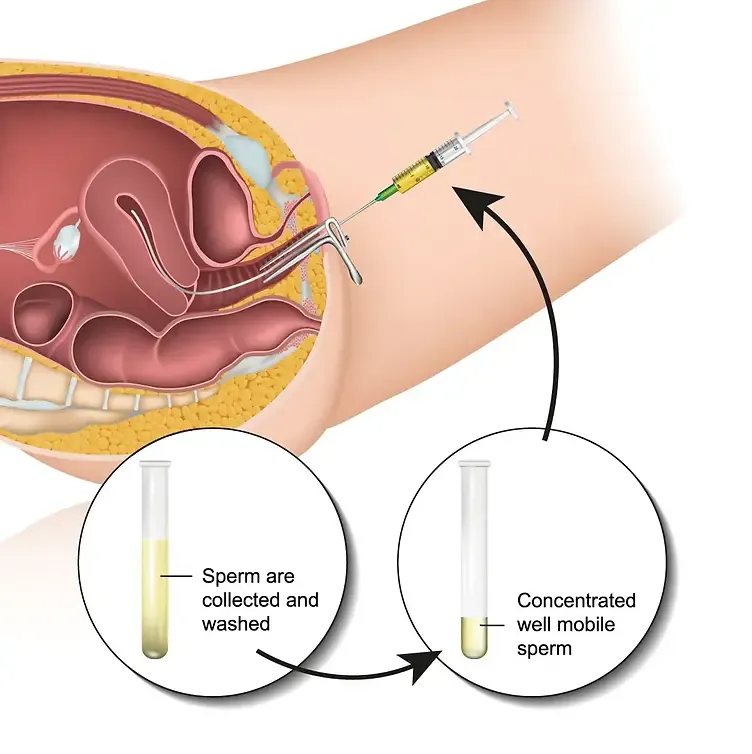
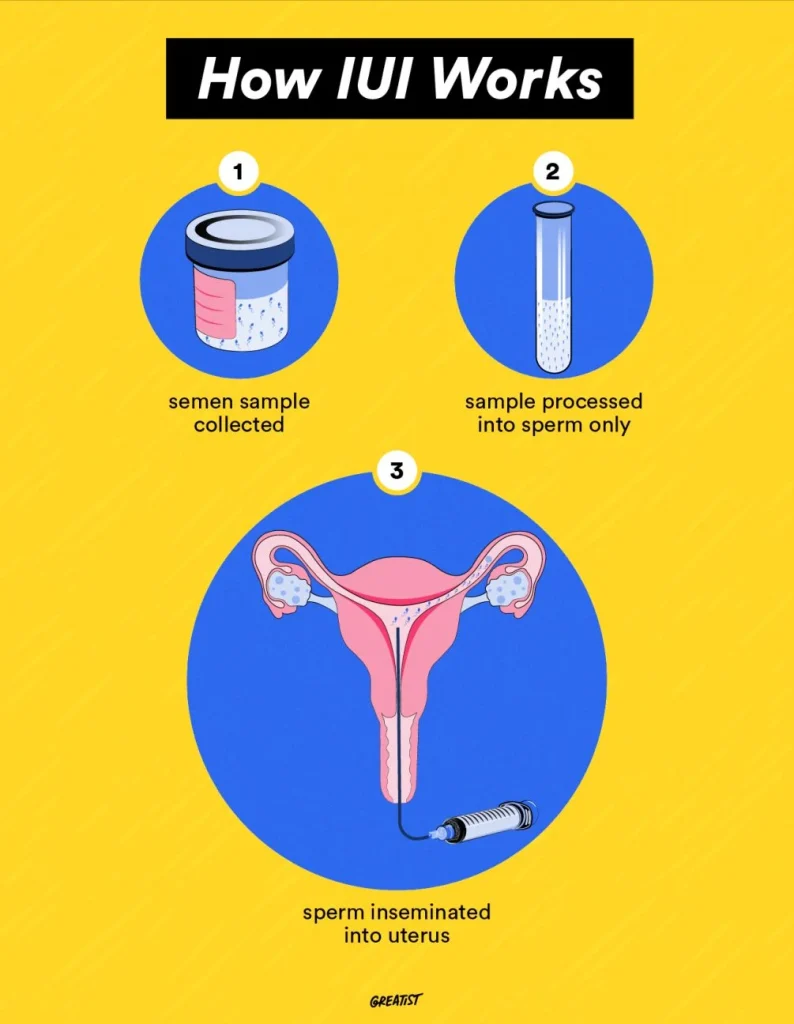
    Illustration of intrauterine insemination process, showing sperm collection and injection into the uterus.

    Hormone Injections vs Natural Fertility Boosters: A Personal Story of Success

    After the ectopic pregnancy, we were advised to take a break from trying to conceive and let my body recover from the hormonal changes. During this time, we decided to explore natural fertility boosters, such as acupuncture, herbal supplements, and lifestyle changes. I was initially skeptical about these methods, but I was willing to try anything that could help us conceive without the use of medication.

    Acupuncture was a game-changer for me. Not only did it help me relax and reduce stress, but it also improved my menstrual cycle and increased blood flow to my reproductive organs. I also started taking herbal supplements, such as maca root and evening primrose oil, which are known to support fertility. Additionally, I made some lifestyle changes, such as incorporating more whole foods into my diet and cutting back on caffeine and alcohol.

    To our surprise, after just a few months of trying natural fertility boosters, we found out that we were pregnant again. This time, the pregnancy was healthy and progressed smoothly. We were overjoyed and grateful for this miracle. Throughout my pregnancy, I continued with acupuncture and taking herbal supplements, which helped me have a smooth and healthy pregnancy. Our daughter was born in the summer, and we couldn’t be happier.

    Looking back on our journey to conceiving, I can’t help but wonder if we had chosen natural fertility boosters from the beginning, would we have avoided the traumatic experience of the ectopic pregnancy? Would we have saved ourselves from the physical and emotional toll of hormone injections? While I can’t say for sure, what I do know is that natural fertility boosters played a significant role in helping us conceive and have a healthy pregnancy.

    In summary, the decision to pursue hormone injections or natural fertility boosters is a personal one and should be made after careful consideration and consultation with a doctor. While hormone injections may be effective for some couples, they may come with side effects and risks. On the other hand, natural fertility boosters, although not guaranteed, can be a more gentle and cost-effective option. It’s essential to explore all options and choose what feels right for you and your partner.

    In the end, our daughter is proof that sometimes, the most natural and gentle approach can lead to success. And for that, we will forever be grateful.

  • Lifestyle Changes That Can Boost Fertility Without Injections

    Blog Post Title: Lifestyle Changes to Boost Fertility Without Injections

    Summary:

    For couples trying to conceive, fertility injections are often seen as the go-to solution. However, these injections can be costly, uncomfortable, and come with potential side effects. The good news is that there are many lifestyle changes that can boost fertility without the need for injections. In this blog post, we will discuss seven lifestyle changes that can help increase your chances of getting pregnant naturally.

    Firstly, maintaining a healthy weight is crucial for fertility. Being underweight or overweight can disrupt the hormonal balance in the body, making it difficult to conceive. Therefore, it is important to maintain a healthy body mass index (BMI) by following a balanced diet and incorporating regular exercise into your routine.

    Next, reducing stress levels can also improve fertility. High levels of stress can interfere with the production of reproductive hormones and disrupt ovulation. Finding ways to manage stress, such as practicing relaxation techniques or engaging in enjoyable activities, can help increase fertility.

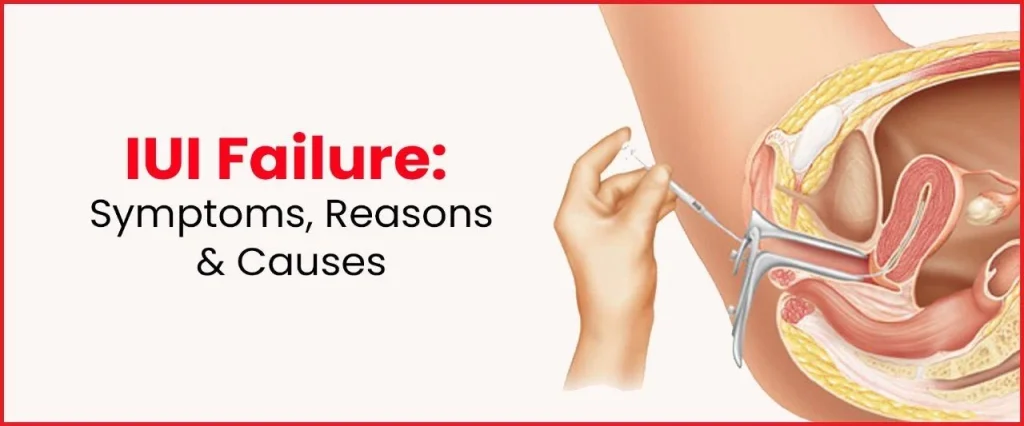
    illustration of IUI procedure with text on symptoms, reasons, and causes of IUI failure

    Lifestyle Changes That Can Boost Fertility Without Injections

    In addition, quitting smoking and limiting alcohol consumption can significantly improve fertility. Smoking has been linked to decreased fertility in both men and women, while excessive alcohol consumption can disrupt hormone levels and affect sperm quality. By quitting smoking and limiting alcohol intake, you can improve your chances of getting pregnant.

    Furthermore, incorporating fertility-boosting foods into your diet can also make a difference. Foods rich in antioxidants, such as berries and leafy greens, can help protect reproductive health by reducing oxidative stress. Additionally, foods high in omega-3 fatty acids, like salmon and avocado, can help improve egg and sperm quality.

    Regular exercise is another lifestyle change that can boost fertility. Exercise can help maintain a healthy weight, reduce stress, and improve blood flow to the reproductive organs. However, it is important to avoid excessive exercise as it can also have a negative impact on fertility.

    Getting enough quality sleep is also essential for fertility. Lack of sleep can disrupt hormone production and affect ovulation. Aim for at least seven to eight hours of uninterrupted sleep each night to help regulate your reproductive hormones.

    Lastly, incorporating relaxation techniques, such as yoga or meditation, into your daily routine can also help improve fertility. These practices can help reduce stress, improve blood flow to the reproductive organs, and balance hormone levels.

    In conclusion, fertility injections are not the only option for couples trying to conceive. By making these simple lifestyle changes, you can boost your fertility naturally without the need for injections. Remember to maintain a healthy weight, reduce stress levels, quit smoking and limit alcohol consumption, include fertility-boosting foods in your diet, exercise regularly, get enough sleep, and practice relaxation techniques. With these changes, you can increase your chances of getting pregnant and start your journey towards parenthood.

  • Hormone Injections and Natural Fertility Boosters: Finding the Balance

    Blog Post:

    Hormone injections and natural fertility boosters are two popular methods used by individuals looking to enhance their chances of conceiving and starting a family. While hormone injections may provide a quick fix for fertility issues, they come with potential side effects and risks. On the other hand, natural fertility boosters offer a more holistic approach, but may take longer to show results. In this blog post, we will explore the pros and cons of hormone injections and natural fertility boosters, and how to find a balance between the two for optimal fertility.

    Hormone Injections: The Quick Fix

    Hormone injections are a common form of fertility treatment, often used to stimulate ovulation in women who have irregular or absent periods. These injections work by introducing synthetic hormones, such as follicle-stimulating hormone (FSH) and luteinizing hormone (LH), into the body to regulate the menstrual cycle and stimulate the growth of follicles in the ovaries. This can increase the chances of ovulation and therefore, pregnancy.

    While hormone injections may seem like a quick and effective solution for fertility issues, they come with potential risks and side effects. Some common side effects of hormone injections include bloating, abdominal pain, and mood swings. In rare cases, they can also lead to more serious complications such as ovarian hyperstimulation syndrome (OHSS) and multiple pregnancies. Additionally, hormone injections can be quite expensive and may not be covered by insurance, making it an inaccessible option for some individuals.

    Natural Fertility Boosters: A Holistic Approach

    Natural fertility boosters, also known as natural remedies, are a popular alternative to hormone injections for those looking to enhance their fertility. These methods rely on natural substances and lifestyle changes to improve fertility, rather than synthetic hormones. Some common natural fertility boosters include herbal supplements, acupuncture, and dietary changes.

    One of the main advantages of natural fertility boosters is that they have little to no side effects. However, they may take longer to show results compared to hormone injections. It is important to note that natural remedies may not work for everyone, and it is crucial to consult with a healthcare professional before trying any alternative methods.

    Illustration of intrauterine insemination (IUI) procedure with syringe and catheter in the uterus.

    Hormone Injections and Natural Fertility Boosters: Finding the Balance

    Finding the Balance: Combining Hormone Injections and Natural Fertility Boosters

    While hormone injections and natural fertility boosters may seem like opposite approaches, they can actually complement each other when used together. For individuals with severe fertility issues, hormone injections may be necessary to regulate the menstrual cycle and stimulate ovulation. However, for those with milder fertility issues, natural fertility boosters can be used as a supportive method to improve overall fertility and increase the chances of successful pregnancy.

    Some studies have shown that combining hormone injections with natural fertility boosters can result in higher pregnancy rates compared to using hormone injections alone. This is because natural fertility boosters can help to improve the quality of the eggs and sperm, making the body more receptive to the effects of hormone injections.

    It is important to note that every individual’s fertility journey is unique, and what works for one person may not work for another. Therefore, it is crucial to consult with a healthcare professional to determine the best course of action for your specific situation. They can help you find the right balance between hormone injections and natural fertility boosters, taking into account your medical history, lifestyle, and preferences.

    Other Ways to Boost Fertility Naturally

    In addition to natural fertility boosters, there are several other lifestyle changes that can help to improve fertility naturally. These include maintaining a healthy weight, reducing stress levels, quitting smoking, and limiting alcohol intake. These factors can have a significant impact on fertility and should not be overlooked when trying to conceive.

    Additionally, certain nutrients and vitamins have been linked to improved fertility. These include folic acid, vitamin D, and zinc. It is recommended to incorporate these into your diet or take supplements to ensure your body is getting the necessary nutrients for optimal fertility.

    Summary:

    Hormone injections and natural fertility boosters are two methods used to enhance fertility. Hormone injections provide a quick fix but come with potential side effects and risks, while natural fertility boosters offer a more holistic approach but may take longer to show results. Combining the two can result in higher pregnancy rates for those with mild fertility issues. However, it is important to consult with a healthcare professional to find the right balance between the two. Other lifestyle changes, such as maintaining a healthy weight and taking certain vitamins, can also help to boost fertility naturally.

  • Hormone Injections vs Lifestyle Changes: Which Affects Fertility More?

    Blog Post:

    When it comes to fertility, many people turn to hormone injections as a solution. However, there is a growing trend towards lifestyle changes and natural methods to improve fertility. This begs the question: which is more effective in affecting fertility, hormone injections or lifestyle changes?

    Hormone injections, also known as fertility medications, are often prescribed to women who are struggling to get pregnant. These medications work by stimulating the ovaries to produce more eggs, increasing the chances of conception. On the other hand, lifestyle changes involve making adjustments to diet, exercise, and overall health to improve fertility.

    While hormone injections may seem like a quick fix, there are several factors to consider before starting this type of treatment. Firstly, they can be expensive and may not be covered by insurance. Additionally, they come with potential side effects such as mood swings, weight gain, and headaches. Furthermore, they do not guarantee pregnancy and may require multiple rounds of injections before seeing any results.

    On the other hand, lifestyle changes can be a more sustainable and cost-effective approach to improving fertility. Studies have shown that a healthy diet and regular exercise can positively impact fertility in both men and women. A diet rich in fruits, vegetables, and whole grains, while reducing processed foods and sugar, can help regulate hormones and improve overall reproductive health. Exercise can also increase blood flow to the reproductive organs and improve sperm quality in men.

    Moreover, lifestyle changes can also address underlying health issues that may be affecting fertility. For example, obesity, which is linked to hormonal imbalances and decreased fertility, can be improved through diet and exercise. Stress is another factor that can impact fertility, and lifestyle changes such as meditation, yoga, and mindfulness can help reduce stress levels and improve overall well-being.

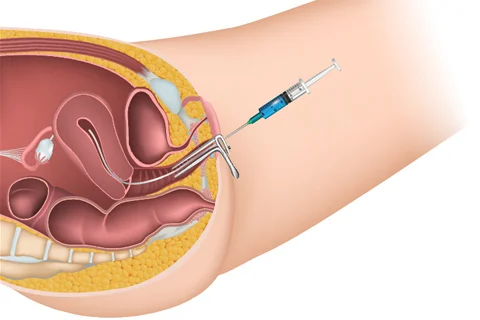
    illustration of intrauterine insemination procedure with a syringe and catheter in the uterus.

    Hormone Injections vs Lifestyle Changes: Which Affects Fertility More?

    Aside from physical changes, lifestyle changes can also include addressing unhealthy habits such as smoking and excessive alcohol consumption. Both of these habits have been linked to decreased fertility in both men and women. Quitting smoking and reducing alcohol intake can significantly improve overall health and fertility.

    While hormone injections may provide a more immediate solution, they do not address the root causes of fertility issues. Lifestyle changes, on the other hand, can help improve overall health and address potential underlying issues that may be affecting fertility. They also have the added benefit of improving overall well-being, not just fertility.

    Furthermore, lifestyle changes can also complement fertility treatments such as hormone injections. For women undergoing in vitro fertilization (IVF), a healthy diet and exercise routine can improve the chances of success. Studies have shown that women who exercise regularly have a higher chance of successful IVF treatments.

    However, it is essential to note that lifestyle changes may not be a viable solution for all fertility issues. In some cases, medical intervention, including hormone injections, may be necessary. It is essential to consult with a healthcare professional to determine the best course of action based on individual circumstances.

    In summary, hormone injections and lifestyle changes can both affect fertility, but in different ways. Hormone injections may provide a quick solution, but they come with potential side effects and do not address underlying health issues. On the other hand, lifestyle changes can improve overall health and address potential causes of fertility issues, but they may not be a viable solution for all cases.

    Ultimately, the best approach to improving fertility may be a combination of both hormone injections and lifestyle changes. By working with a healthcare professional and making informed decisions, individuals can find the right balance for their specific situation.

    SEO Metadata:

  • From Injections to Natural Methods: My Journey to Boosting Fertility

    Blog Post:

    From Injections to Natural Methods: My Journey to Boosting Fertility

    Struggling with fertility can be a difficult and emotional journey for anyone. After years of trying to conceive with no success, my husband and I turned to medical interventions in hopes of finding a solution. However, after enduring numerous injections and invasive procedures, we decided to take a step back and explore more natural methods to boost our fertility. Through this journey, we learned valuable lessons and found success in unexpected ways.

    The Beginning of Our Fertility Struggle

    My husband and I had been trying to conceive for over two years with no luck. We were both in our early thirties and had no underlying health issues, so we were puzzled as to why we couldn’t get pregnant. After consulting with our doctor, we were diagnosed with unexplained infertility. This news was devastating, but we were determined to explore all options to start a family.

    Injectables, IUI, and IVF

    Our first step was to try injectable medications, which are hormones that stimulate the ovaries to produce multiple eggs. This was followed by intrauterine insemination (IUI), where the sperm is placed directly into the uterus during ovulation. Despite multiple rounds of these treatments, we still weren’t able to conceive.

    Our next step was in vitro fertilization (IVF), a more invasive procedure where eggs are retrieved from the ovaries and fertilized with sperm in a lab. This was a physically and emotionally taxing process, but we were hopeful when we finally got a positive pregnancy test. Unfortunately, our joy was short-lived as we experienced a miscarriage early on in the pregnancy.

    Turning to Natural Methods

    illustration explaining the steps of intrauterine insemination (IUI) process on a bright yellow background

    From Injections to Natural Methods: My Journey to Boosting Fertility

    After our miscarriage, we needed a break from all the medical interventions. We decided to take a step back and explore more natural methods to boost our fertility. Through research and consultations with a naturopathic doctor, we discovered that there are many lifestyle changes and natural remedies that can improve fertility.

    One of the first changes we made was to focus on our diet. We started incorporating more whole, nutrient-dense foods and cut out processed foods and sugars. We also made sure to include fertility-boosting foods such as leafy greens, healthy fats, and lean proteins.

    We also started incorporating supplements into our daily routine. Some of the most beneficial supplements for fertility include CoQ10, vitamin D, and omega-3 fatty acids. These supplements can help regulate hormones, improve egg quality, and increase sperm count.

    In addition to dietary changes, we also made an effort to reduce stress in our lives. We started practicing yoga and meditation, and made sure to prioritize self-care. We also cut back on our intense exercise routines, as overexercising can have a negative impact on fertility.

    The Surprising Results

    To our surprise, after a few months of making these lifestyle changes, we found out we were pregnant. We were shocked and elated, as we had been trying for so long with no success. Our journey to boost fertility through natural methods had finally paid off.

    Our daughter was born happy and healthy, and we couldn’t be more grateful for the lessons we learned along the way. Not only did we achieve our goal of starting a family, but we also learned the importance of taking care of our bodies and reducing stress.

    Summary:

    Struggling with fertility can be a difficult and emotional journey. After years of trying to conceive with no success, my husband and I turned to medical interventions, but eventually decided to explore more natural methods. Through changes in our diet, supplements, and reducing stress, we were able to successfully conceive and have a healthy baby. Our journey taught us the importance of taking care of our bodies and finding a balance in our lives.

  • Why More Women are Choosing Natural Fertility Boosters over Injections

    Blog Post:

    In recent years, there has been a growing trend of women turning to natural fertility boosters instead of traditional methods such as injections. This shift can be attributed to various factors, including concerns about the potential side effects of injections and a desire for a more holistic approach to fertility. In this blog post, we will explore the reasons behind this trend and the benefits of choosing natural fertility boosters over injections.

    First and foremost, let’s take a closer look at what fertility injections actually are. These injections contain hormones that stimulate the ovaries to produce more eggs, thereby increasing the chances of conception. They are often prescribed to women who are struggling with infertility or undergoing assisted reproductive technology (ART) procedures such as in vitro fertilization (IVF). While these injections can be effective in helping women conceive, they also come with a host of potential side effects.

    One of the main concerns about fertility injections is the risk of ovarian hyperstimulation syndrome (OHSS). This condition occurs when the ovaries are stimulated to produce too many eggs, leading to swelling and fluid buildup in the abdomen. In severe cases, OHSS can cause complications such as blood clots and kidney failure. Additionally, fertility injections can also cause mood swings, headaches, and bloating, which can be uncomfortable and disruptive to a woman’s daily life.

    Another issue with fertility injections is the financial burden they can place on couples. These injections can cost thousands of dollars per cycle and are often not covered by insurance. This can make it difficult for some women to afford multiple cycles, which may be necessary for successful conception. On the other hand, natural fertility boosters are often more affordable and can be incorporated into a woman’s daily routine without breaking the bank.

    illustration of intrauterine insemination procedure with a syringe and catheter in the uterus.

    Why More Women are Choosing Natural Fertility Boosters over Injections

    Aside from the potential side effects and financial burden, many women are also turning to natural fertility boosters because of their desire for a more holistic approach to fertility. Instead of relying on synthetic hormones, natural fertility boosters work with a woman’s body to regulate hormones and support reproductive health. These boosters can include herbs, supplements, and lifestyle changes such as diet and exercise.

    One popular natural fertility booster is maca root, a plant native to Peru that has been used for centuries to support fertility and reproductive health. Maca is rich in essential vitamins and minerals, including zinc, iron, and B vitamins, which are important for hormone balance and egg quality. It is also believed to help increase libido and improve overall mood and well-being, which can be beneficial for couples trying to conceive.

    Another natural fertility booster gaining popularity is acupuncture. This ancient Chinese practice involves the insertion of fine needles into specific points on the body to stimulate energy flow and promote overall health. When it comes to fertility, acupuncture has been shown to improve blood flow to the reproductive organs, regulate hormone levels, and reduce stress and anxiety, all of which can increase the chances of conception.

    Diet and exercise also play a significant role in fertility, and many women are choosing to focus on these areas instead of relying solely on injections. A healthy and balanced diet, rich in nutrients and antioxidants, can help regulate hormones and support reproductive health. Regular exercise can also help improve blood flow, reduce stress, and promote overall well-being, all of which can contribute to a woman’s fertility.

    It’s important to note that every woman’s body is unique, and what works for one may not work for another. It’s always best to consult with a healthcare professional before starting any new fertility regimen, whether it be natural fertility boosters or injections. However, for those who are looking for a more natural and holistic approach to fertility, natural fertility boosters may be a promising option.

    In summary, more and more women are choosing natural fertility boosters over injections for several reasons. These include concerns about potential side effects, financial burden, and a desire for a more holistic approach to fertility. Natural fertility boosters such as maca root, acupuncture, and lifestyle changes can support reproductive health and increase the chances of conception without the risks and costs associated with injections. Ultimately, the decision to use natural fertility boosters or injections should be made after careful consideration and consultation with a healthcare professional.

  • DIY Fertility Treatments: A Natural and Affordable Option

    DIY Fertility Treatments: A Natural and Affordable Option

    When it comes to fertility treatments, many people automatically think of expensive medical procedures and treatments. However, there are also natural and affordable options available for those who are trying to conceive. DIY fertility treatments involve making lifestyle changes, using natural supplements, and practicing techniques that can help increase fertility. In this blog post, we will explore some of these DIY fertility treatments that are not only cost-effective but also have the potential to improve fertility and increase the chances of conception.

    1. Diet and Nutrition

    The food we eat plays a significant role in our overall health, including fertility. Therefore, it is essential to maintain a healthy and balanced diet to increase fertility. A diet rich in whole grains, fruits, vegetables, and healthy fats can help improve reproductive health. Processed foods, refined sugars, and unhealthy fats should be avoided as they can negatively impact fertility.

    In addition to following a healthy diet, there are also specific foods that are known to boost fertility. These include foods high in antioxidants, such as berries, leafy greens, and nuts. Foods rich in omega-3 fatty acids, such as salmon and chia seeds, can also help improve fertility. Including these foods in your diet can not only help improve fertility but also contribute to overall health and well-being.

    2. Exercise and Weight Management

    Regular physical activity is crucial for maintaining a healthy weight and promoting overall health. For women trying to conceive, maintaining a healthy weight is essential as being underweight or overweight can affect fertility. Studies have shown that women with a body mass index (BMI) of 25 or higher have a harder time getting pregnant. Therefore, incorporating regular exercise into your routine and maintaining a healthy weight can help increase fertility.

    3. Stress Management

    Stress can have a significant impact on fertility. When we are stressed, our bodies produce cortisol, a hormone that can interfere with ovulation. Therefore, it is essential to manage stress levels when trying to conceive. Practices like meditation, yoga, and deep breathing can help reduce stress and promote relaxation. Additionally, seeking support from loved ones and talking to a therapist can also be helpful in managing stress during the fertility journey.

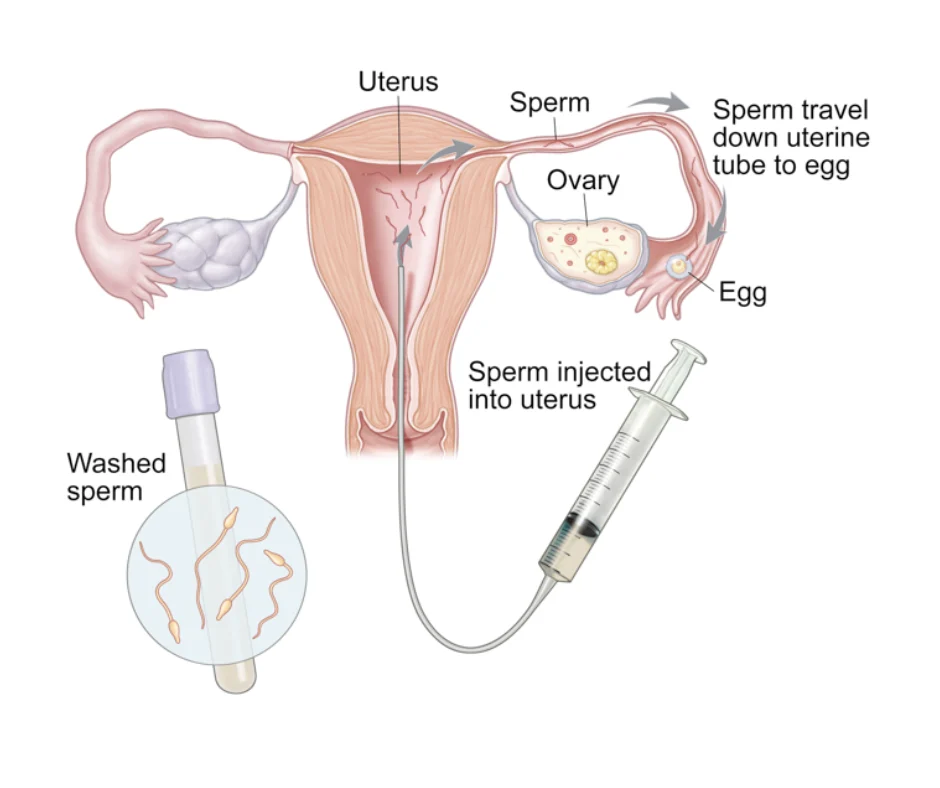
    diagram illustrating intrauterine insemination process, showing sperm injection into the uterus and egg fertilization pathway

    DIY Fertility Treatments: A Natural and Affordable Option

    4. Herbal Supplements

    Many herbal supplements are known to improve fertility and increase the chances of conception. Supplements like maca root, evening primrose oil, and vitex have been used for centuries to enhance fertility. These supplements work by balancing hormones, increasing blood flow to the reproductive organs, and improving egg quality. It is important to consult with a healthcare professional before taking any herbal supplements to ensure they are safe for you and your individual health needs.

    5. Acupuncture

    Acupuncture, a traditional Chinese medicine practice, has been gaining popularity as a fertility treatment in recent years. This technique involves inserting thin needles into specific points on the body to improve energy flow and promote healing. Acupuncture has been shown to regulate hormones, improve blood flow to the reproductive organs, and reduce stress, all of which can help increase fertility. It is recommended to seek out a licensed acupuncturist who specializes in fertility to ensure the best results.

    6. Tracking Ovulation

    Knowing when you are ovulating is crucial when trying to conceive. There are various methods for tracking ovulation, including tracking your menstrual cycle, using ovulation predictor kits, and monitoring changes in cervical mucus. By tracking ovulation, you can time intercourse accordingly and increase your chances of conceiving.

    7. Improve Sperm Health

    Fertility is not just a female issue; male fertility also plays a significant role in conception. Therefore, it is crucial for both partners to make changes to improve sperm health. These include avoiding excessive heat, such as hot baths and saunas, quitting smoking, limiting alcohol consumption, and incorporating fertility-boosting foods into the diet.

    In summary, while medical fertility treatments may be the first option that comes to mind, DIY fertility treatments offer a more natural and affordable approach. By making lifestyle changes, incorporating certain foods and supplements, managing stress, and tracking ovulation, couples can increase their chances of conceiving without breaking the bank. It is essential to remember that every individual’s fertility journey is unique, and it is crucial to consult with a healthcare professional before making any significant changes to your routine.