Tag: LGBTQ+

  • The Emotional Journey of Home Insemination and IVF for Same-Sex Couples

    The process of starting a family for same-sex couples can be an emotional rollercoaster, filled with highs and lows, hopes and fears. For many couples, the journey begins with home insemination or in vitro fertilization (IVF). These methods allow same-sex couples to have a biological connection to their child and fulfill their dream of becoming parents. However, the emotional journey of home insemination and IVF is not an easy one. It involves physical, financial, and emotional challenges that can take a toll on both partners. In this blog post, we will explore the emotional journey of home insemination and IVF for same-sex couples, from the decision to start a family to the birth of their child.

    The Decision to Start a Family
    For same-sex couples, the decision to start a family is a big one. It involves not only the desire to have a child but also the realization of the challenges that come with it. Same-sex couples may face societal judgment, legal barriers, and financial constraints when it comes to starting a family. Despite these challenges, the desire to have a child and build a family is often strong and cannot be ignored.

    Choosing Between Home Insemination and IVF
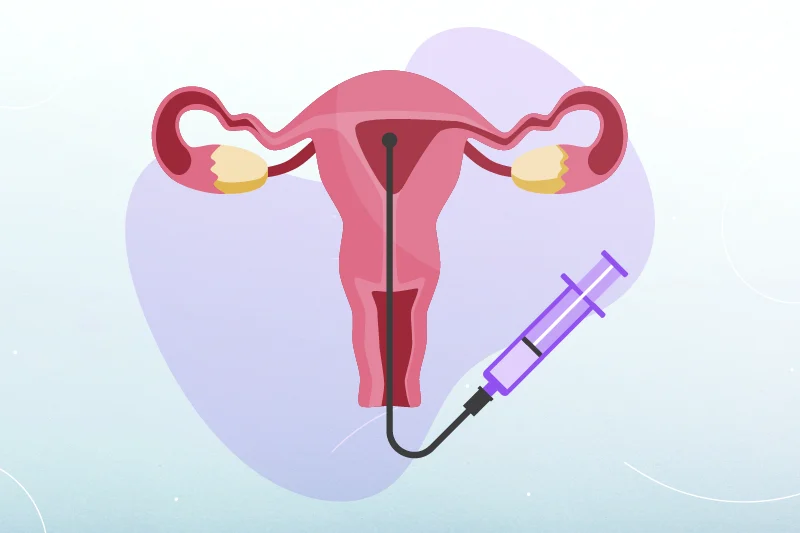
    Once the decision to start a family is made, same-sex couples must then decide between home insemination and IVF. Home insemination involves using a syringe or a cervical cap to insert donated sperm into the vagina, while IVF involves retrieving eggs from one partner, fertilizing them with donor sperm, and then transferring them to the other partner’s uterus. Both methods have their benefits and drawbacks, and the choice often depends on various factors such as cost, success rates, and personal preferences.

    The Emotional Impact of Home Insemination
    For same-sex couples who choose home insemination, the process can be emotionally taxing. It involves tracking ovulation, purchasing donor sperm, and performing the insemination at home. This can be a daunting task, especially for couples who have no prior experience with fertility treatments. The pressure to get it right and the fear of not being successful can cause stress and anxiety. Moreover, the emotional burden often falls on one partner, who may have to undergo multiple insemination attempts before getting pregnant.

    The Emotional Toll of IVF
    IVF, on the other hand, is a more complex and invasive process. It requires hormone injections, frequent doctor visits, and a surgical procedure to retrieve eggs. For same-sex couples, the partner who carries the pregnancy may have to endure these physical and emotional challenges. The other partner may also feel left out or helpless, unable to contribute to the pregnancy in any way. The financial strain of IVF can also be a significant source of stress for many couples, as it can be an expensive process with no guarantee of success.
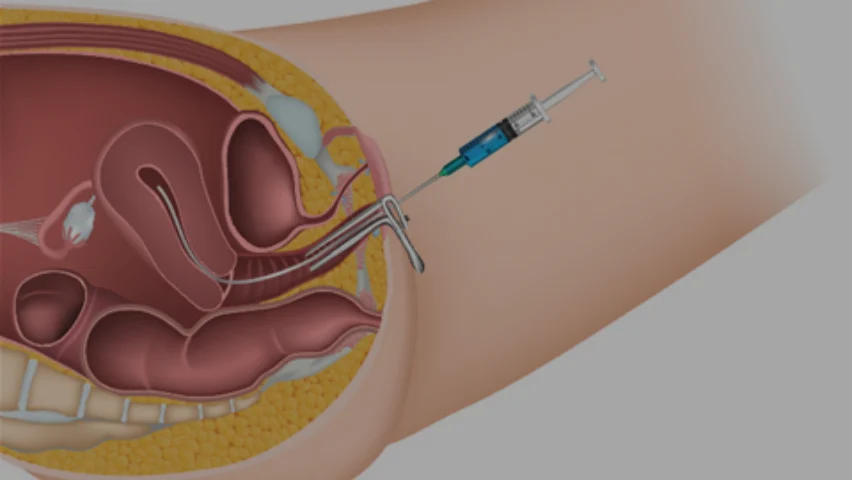
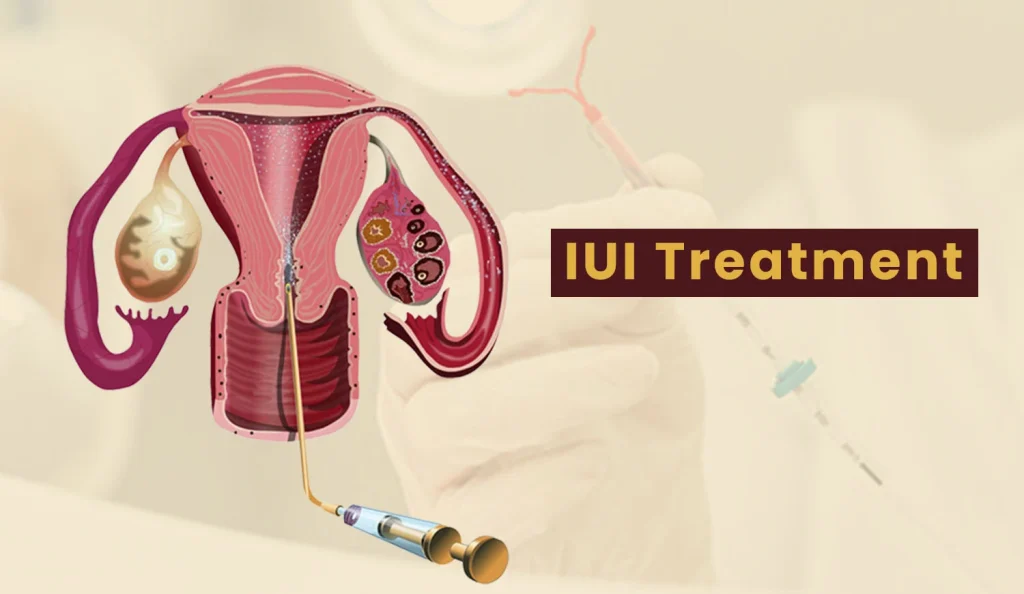
    Illustration of intrauterine insemination (IUI) procedure with syringe and catheter in the uterus.

    The Emotional Journey of Home Insemination and IVF for Same-Sex Couples

    The Waiting Game
    Once the insemination or IVF is done, the waiting game begins. For same-sex couples, this wait can be excruciatingly long and emotionally draining. Every month or two-week wait feels like an eternity, with each negative pregnancy test bringing disappointment and sadness. The constant hope and disappointment cycle can be exhausting and take a toll on the couple’s mental health.

    Dealing with Pregnancy Loss
    Unfortunately, pregnancy loss is a common occurrence for many couples, including same-sex couples. Whether it is a failed insemination or a miscarriage, the emotional impact can be devastating. For same-sex couples, the loss may feel more significant, as it may be their only chance at having a biological child. The grief and sadness that come with pregnancy loss can be overwhelming, and it may take some time for the couple to recover and try again.

    The Joy of Pregnancy
    After months or even years of trying, when a same-sex couple finally gets pregnant, it is a moment of pure joy and celebration. The emotional journey of home insemination or IVF finally feels worth it, and the couple can start planning for the future and their growing family. The physical and emotional changes of pregnancy, such as feeling the baby’s first kicks, attending doctor appointments, and preparing for the arrival of the baby, can bring immense happiness to the couple.

    The Birth of Their Child
    The emotional journey of home insemination and IVF for same-sex couples ultimately leads to the birth of their child. For many, this moment is the happiest and most emotional experience of their lives. Holding their baby for the first time and realizing that they have created a family together is a feeling that cannot be put into words. The challenges, struggles, and emotions of the journey are all worth it when they see their child’s face and know that they are finally a family.

    In conclusion, the emotional journey of home insemination and IVF for same-sex couples is a tumultuous one, filled with highs and lows, fears and hopes. It involves making difficult decisions, facing physical and emotional challenges, and experiencing the joy and sadness of pregnancy. But in the end, the love and determination of same-sex couples to start a family and create a life together triumph over all the obstacles they face. It is a journey that may be difficult, but one that is undoubtedly worth it when they hold their child in their arms for the first time.

  • How to Choose Between Home Insemination and IVF for Your Same-Sex Family

    Blog Post Title: How to Choose Between Home Insemination and IVF for Your Same-Sex Family

    As the LGBTQ+ community continues to gain visibility and acceptance, more and more same-sex couples are considering starting a family. However, the path to parenthood may seem daunting with so many options available. Two popular methods for same-sex couples to conceive are home insemination and IVF (In Vitro Fertilization). Both have their own advantages and disadvantages, so it is important to carefully consider which option is best for your family. In this blog post, we will discuss the key factors to consider when choosing between home insemination and IVF for your same-sex family.

    Home Insemination

    Home insemination involves collecting sperm from a donor, either through a known donor or a sperm bank, and inserting it into the partner’s reproductive tract using a syringe or a special device called an insemination cup. This method can be done at home without the help of a medical professional, making it a more affordable and convenient option for many same-sex couples.

    Advantages of Home Insemination:

    1. Cost-effective: Home insemination is significantly cheaper than IVF. The cost of sperm donation can range from a few hundred to a few thousand dollars, depending on the method and source of donation. This is much more affordable than the average cost of IVF, which can be upwards of $10,000.

    2. Privacy and comfort: Many couples prefer the privacy and comfort of their own home when undergoing the insemination process. This can alleviate some of the stress and anxiety that comes with undergoing medical procedures.

    3. Increased control and involvement: Home insemination allows both partners to be actively involved in the conception process. From selecting the donor to administering the insemination, both partners can feel a sense of ownership and control over the process.

    Disadvantages of Home Insemination:

    1. Limited success rate: The success rate of home insemination varies greatly and is influenced by several factors such as the quality of the sperm, timing of insemination, and reproductive health of the partner. As a result, it may take several attempts before achieving a successful pregnancy.

    2. Lack of medical supervision: Unlike IVF, home insemination does not involve medical supervision. This means that any potential fertility issues or complications may go undetected, making it a riskier option for some couples.

    3. Legal and ethical concerns: Using a known sperm donor for home insemination can raise legal and ethical concerns, especially if the donor is not properly screened for sexually transmitted infections or genetic disorders.

    IVF (In Vitro Fertilization)

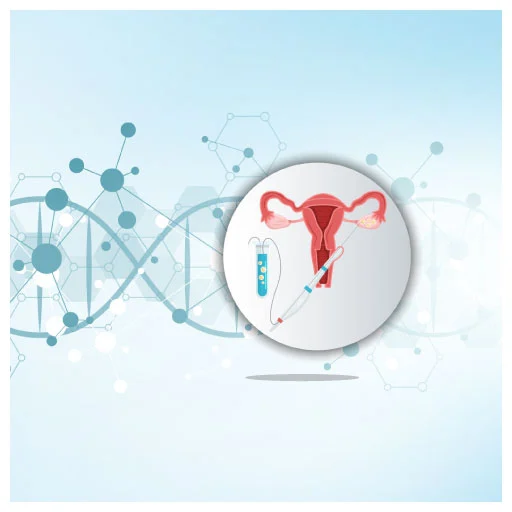
    Illustration of IUI procedure with uterus and syringe against a DNA background.

    How to Choose Between Home Insemination and IVF for Your Same-Sex Family

    IVF is a more complex and invasive procedure that involves retrieving eggs from one partner and fertilizing them with donor sperm in a laboratory. The resulting embryos are then transferred into the uterus of the other partner or a gestational carrier. IVF has a higher success rate compared to home insemination, but it also comes with a higher cost and more involvement from medical professionals.

    Advantages of IVF:

    1. Higher success rate: IVF has a higher success rate compared to home insemination, making it a more reliable option for couples who have been struggling with fertility issues.

    2. Medical supervision: With IVF, medical professionals closely monitor the process, which can help detect any potential issues and increase the chances of a successful pregnancy.

    3. More options for genetic testing: IVF allows for pre-implantation genetic testing, which can help identify any potential genetic disorders or chromosomal abnormalities in the embryos before they are transferred.

    Disadvantages of IVF:

    1. Expensive: IVF is a costly procedure, and the cost can add up even more if multiple rounds are required. Additionally, some insurance plans do not cover the cost of IVF, making it inaccessible for many couples.

    2. Invasive and time-consuming: IVF is a more invasive and time-consuming process compared to home insemination. It involves multiple doctor visits, hormone injections, and egg retrieval procedures, which can be physically and emotionally taxing for the couple.

    3. Potential for multiple pregnancies: IVF has a higher risk of multiple pregnancies, which can lead to complications for both the mother and the babies.

    How to Choose Between Home Insemination and IVF

    When deciding between home insemination and IVF, there are several factors that you and your partner should consider. These include your budget, personal preferences, medical history, and fertility issues, if any. It is also essential to consult with a fertility specialist who can provide you with personalized advice and guidance based on your specific situation.

    If cost is a significant factor, home insemination may be the better option. However, if you have been struggling with fertility issues, IVF may be the more suitable choice. It is also important to consider the risks and benefits of each method and discuss them with your partner to make an informed decision.

    In the end, the choice between home insemination and IVF for your same-sex family is a personal one, and what works for one couple may not work for another. It is important to remember that there is no right or wrong way to start a family, and the most important thing is to choose the option that feels right for you and your partner.

    In summary, choosing between home insemination and IVF for your same-sex family involves weighing the pros and cons of each method and considering factors such as cost, success rate, and personal preferences. Consulting with a fertility specialist can also provide valuable insight and guidance in making this important decision.

  • The Cost Comparison: Home Insemination vs IVF for Same-Sex Couples

    Blog Post Title: The Cost Comparison: Home Insemination vs IVF for Same-Sex Couples

    Summary:

    For same-sex couples who are looking to start a family, there are multiple options available, including home insemination and IVF (in vitro fertilization). Both of these methods have their own benefits and drawbacks, but one of the primary considerations for many couples is the cost. In this blog post, we will provide a detailed comparison of the cost of home insemination vs IVF for same-sex couples, helping you to make an informed decision about which option may be best for you.

    Home Insemination:

    Home insemination, also known as artificial insemination, is a procedure where sperm is placed into a woman’s reproductive tract in order to facilitate pregnancy. This can be done at home using a donor sperm kit, or it can be performed by a medical professional in a clinical setting. The cost of home insemination can vary depending on the method chosen.

    Donor Sperm Kit: The most cost-effective way to perform home insemination is by using a donor sperm kit. These kits can typically be purchased for around $50-$100 and contain all of the necessary items for the procedure, such as a syringe, speculum, and instructions. However, it is important to note that this cost does not include the price of the sperm itself, which can range from $300-$1,000 per vial.

    Clinical Insemination: For those who prefer to have the procedure performed by a medical professional, the cost of home insemination can range from $300-$1,000 per cycle. This cost includes the price of the donor sperm, as well as the medical fees for the insemination procedure.

    Pros of Home Insemination:

    – Lower cost compared to IVF
    – Can be done at home
    – Less invasive than IVF
    – No need for fertility drugs
    – Can have more control over the process

    Cons of Home Insemination:

    – Lower success rates compared to IVF
    – Requires ovulation tracking and timing
    – Limited options for sperm donors
    – No guarantee of pregnancy
    – Potential legal issues with using a known donor

    doctor discussing treatment with a patient in a medical office, featuring an ultrasound machine in the background

    The Cost Comparison: Home Insemination vs IVF for Same-Sex Couples

    IVF:

    IVF is a more complex and expensive procedure that involves extracting eggs from the woman’s ovaries, fertilizing them with sperm in a lab, and then transferring the resulting embryos into the woman’s uterus. This process can be used by same-sex couples who are using a surrogate or those who are using a donor egg or sperm.

    Cost of IVF: The cost of IVF can vary greatly depending on factors such as location, clinic, and individual circumstances. On average, IVF can cost anywhere from $10,000-$20,000 per cycle. This cost includes the price of fertility drugs, the egg retrieval procedure, fertilization, and embryo transfer.

    Pros of IVF:

    – Higher success rates compared to home insemination
    – Can use donor eggs or sperm
    – Can screen for genetic disorders
    – Can use a surrogate if needed
    – Can freeze remaining embryos for future use

    Cons of IVF:

    – Expensive compared to home insemination
    – Requires multiple clinic visits and procedures
    – Possible side effects from fertility drugs
    – Can be emotionally and physically taxing
    – No guarantee of pregnancy

    Which Option is Best for Same-Sex Couples?

    The decision between home insemination and IVF ultimately depends on individual circumstances, preferences, and budget. For couples who are looking for a more affordable and less invasive option, home insemination may be a good choice. However, for those who have specific fertility issues or want to have more control over the process, IVF may be the better option despite its higher cost.

    In conclusion, the cost of home insemination vs IVF for same-sex couples can vary significantly. While home insemination may be a more affordable option, IVF offers a higher success rate and more options for those looking to start a family. It is important for couples to carefully consider their individual circumstances and consult with a medical professional before making a decision.

    SEO metadata:

  • The Pros and Cons of Home Insemination for Same-Sex Couples

    Blog Post:

    Home insemination, also known as at-home artificial insemination, is a method of conceiving a child without the intervention of a medical professional. This process involves using a syringe or a turkey baster to inject sperm into the vagina or cervix of a woman in order to fertilize her eggs. While this method has been traditionally used by heterosexual couples struggling with fertility, it has also become a popular option for same-sex couples who want to start a family. In this blog post, we will discuss the pros and cons of home insemination for same-sex couples.

    Pros:

    1. Privacy and Control: One of the biggest advantages of home insemination is the privacy and control it offers. Same-sex couples may feel more comfortable performing the procedure in the privacy of their own home rather than in a medical setting. This also allows them to have full control over the process, including choosing the timing and method of insemination.

    2. Cost-effective: Compared to other assisted reproductive techniques, home insemination is a more cost-effective option. Medical procedures such as intrauterine insemination (IUI) and in vitro fertilization (IVF) can be very expensive, making it difficult for many same-sex couples to afford. Home insemination, on the other hand, only requires the purchase of a syringe or turkey baster and a donor’s sperm, which significantly reduces the cost.

    3. Flexibility in Choosing a Donor: With home insemination, same-sex couples have the freedom to choose a donor of their choice. They can either use a known donor, such as a friend or family member, or they can purchase sperm from a sperm bank. This gives them the opportunity to find a donor who shares their values, beliefs, and physical characteristics.

    illustration of the uterus and ovaries with a syringe, labeled "IUI Treatment" in the background

    The Pros and Cons of Home Insemination for Same-Sex Couples

    4. Increased Chance of Natural Conception: For same-sex female couples, home insemination offers a higher chance of natural conception compared to other assisted reproductive techniques. This is because the sperm is directly placed near the cervix, increasing the chances of fertilization.

    Cons:

    1. Lack of Medical Supervision: While home insemination may seem like a simple and straightforward process, it is important to note that it does not involve medical supervision. This means that there is a risk of complications, such as infection or injury, that may not be detected or treated promptly. It is important for same-sex couples to thoroughly research and understand the process before attempting it at home.

    2. Legal Implications: Home insemination has some legal implications that same-sex couples should consider before proceeding. In some countries, the donor may have parental rights and responsibilities, which can complicate custody arrangements. It is important for couples to seek legal advice and establish a written agreement with the donor before proceeding with home insemination.

    3. Limited Success Rates: While there have been many successful home inseminations, the success rates are not as high as other assisted reproductive techniques. This is because home insemination relies on the timing and accuracy of the process, which can be difficult to achieve without medical supervision.

    4. Emotional and Psychological Implications: The process of home insemination can be emotionally and psychologically challenging for same-sex couples. The failure of a home insemination can be devastating, causing emotional distress and strain on the relationship. It is important for couples to have a support system in place and to seek counseling if needed.

    In summary, home insemination can be a viable option for same-sex couples who want to start a family, but it is important to carefully consider the pros and cons before making a decision. It offers privacy, cost-effectiveness, and flexibility in choosing a donor, but it also has some risks and limitations. It is crucial for couples to thoroughly research and understand the process, seek medical advice when necessary, and have a support system in place.

  • The Debate: Home Insemination vs IVF for Same-Sex Couples

    The Debate: Home Insemination vs IVF for Same-Sex Couples

    In recent years, there has been a significant increase in the number of same-sex couples who are looking to start a family. With the advancements in medical technology, there are now more options than ever before for couples to conceive. However, one of the biggest debates within the LGBTQ+ community is whether home insemination or In Vitro Fertilization (IVF) is the better option. Both methods have their pros and cons, and the decision can be a difficult one for couples to make. In this blog post, we will explore the advantages and disadvantages of both home insemination and IVF for same-sex couples, and offer some insight to help make the decision a little easier.

    Home Insemination

    Home insemination, also known as “DIY” insemination, is a method where sperm is directly inserted into the vagina or cervix at home, without the assistance of a medical professional. This can be done using a sperm donor or a known donor, and can either be done through artificial insemination (using a syringe or cup) or through intercourse. For same-sex female couples, this method can be a more convenient and cost-effective option compared to IVF.

    One of the major advantages of home insemination is the privacy and intimacy it offers. Some couples may feel more comfortable with this method, as it allows them to conceive in the comfort of their own home and without the involvement of a medical professional. It can also be a more affordable option, as the cost of sperm donation and insemination supplies can be significantly lower than the cost of IVF treatments.

    However, there are also some potential downsides to home insemination. The success rate of this method is relatively low, with only a 10-15% chance of pregnancy per cycle. This can be due to factors such as the quality of the sperm, timing of insemination, and other fertility issues. Additionally, there is a lack of medical supervision, which can be concerning for some couples who may want the guidance and support of a healthcare professional during the conception process.

    IVF

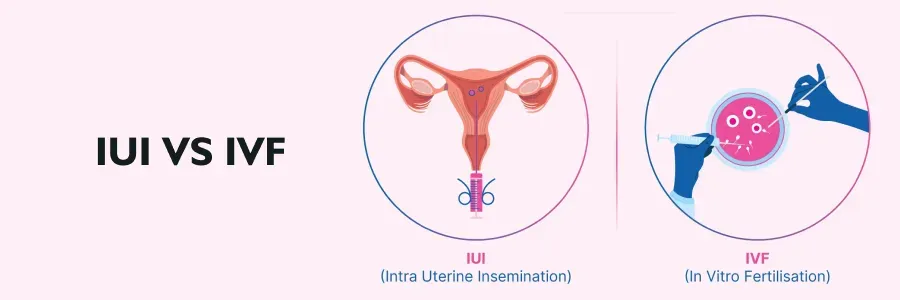
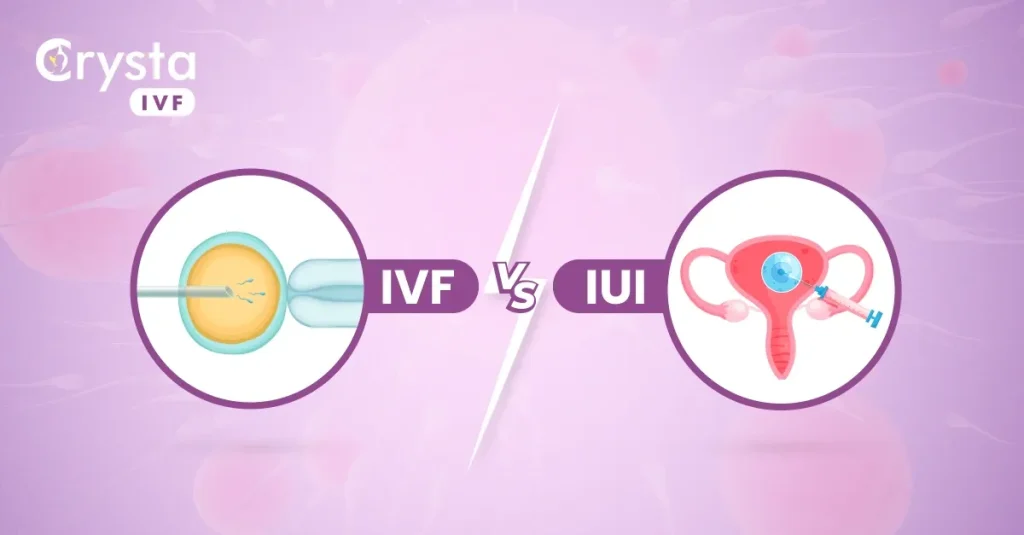
    Comparison of IUI and IVF with illustrations of each procedure.

    The Debate: Home Insemination vs IVF for Same-Sex Couples

    In Vitro Fertilization, or IVF, is a more complex and invasive method of assisted reproduction. It involves retrieving eggs from the ovaries and fertilizing them with sperm in a laboratory. The resulting embryos are then transferred into the uterus for implantation. This process can be used by both same-sex female and male couples, and has a higher success rate compared to home insemination.

    One of the key advantages of IVF is the higher success rate. The success rate for IVF is around 40% per cycle, which is significantly higher than home insemination. This can be attributed to the fact that the eggs and sperm are selected and fertilized in a controlled laboratory environment. Additionally, IVF allows for genetic testing of the embryos, which can be beneficial for couples who may have genetic concerns.

    On the other hand, IVF is a much more expensive and time-consuming process compared to home insemination. The cost can range from $8,000 to $20,000 per cycle, and the process can take several weeks or even months to complete. This can be a major barrier for some same-sex couples, especially those who may not have insurance coverage for fertility treatments.

    Another factor to consider is the physical and emotional toll that IVF can take on individuals. The hormone injections and medical procedures involved in IVF can be physically taxing, and the emotional rollercoaster of the process can be overwhelming for some couples.

    The Debate Continues

    As with any debate, there are valid arguments for both home insemination and IVF. Ultimately, the decision should be based on the individual needs and preferences of each couple. Some may prefer the privacy and intimacy of home insemination, while others may opt for the higher success rate and genetic testing offered by IVF. It is important for couples to do their research, consult with a fertility specialist, and make the decision that is best for them.

    In conclusion, the debate between home insemination and IVF for same-sex couples is a complex and personal one. Each method has its own advantages and disadvantages, and the decision should be based on individual circumstances. What is most important is that couples feel supported and empowered in their journey to starting a family, no matter which method they choose.

  • The Impact of Modern Technology on Fertility: Pros and Cons

    Blog Post: The Impact of Modern Technology on Fertility: Pros and Cons

    The advancement of technology has had a significant impact on every aspect of our lives, including fertility. With the rise of new medical procedures and assisted reproductive technologies, couples who struggle with infertility now have more options than ever before. However, along with these advancements come potential drawbacks and ethical concerns. In this blog post, we will explore the pros and cons of modern technology on fertility and its impact on individuals and society as a whole.

    Pros:

    1. Increased Success Rates: One of the most significant benefits of modern technology on fertility is the increased success rates of assisted reproductive technologies. In-vitro fertilization (IVF), for example, has an average success rate of 30-35%, depending on the age of the woman. This means that couples who were once struggling to conceive now have a higher chance of having a biological child.

    2. Expanded Options for LGBTQ+ Couples: With the help of modern technology, same-sex couples and individuals now have the option to have biological children. Procedures like intrauterine insemination (IUI) and donor sperm or egg have made it possible for LGBTQ+ individuals to start families of their own.

    3. Egg Freezing: Egg freezing, also known as oocyte cryopreservation, has become a popular option for women who want to delay pregnancy for personal or medical reasons. This technology allows women to freeze their eggs when they are at their peak fertility and use them later in life when they are ready to have children.

    4. Pre-implantation Genetic Diagnosis (PGD): PGD is a procedure that allows for the screening of embryos for genetic disorders before implantation. This technology has helped reduce the risk of passing on genetic diseases to future generations, giving couples peace of mind when starting a family.

    5. Fertility Tracking Apps: With the rise of smartphones, there has been a surge in fertility tracking apps that help women track their menstrual cycle, ovulation, and fertile window. These apps not only allow women to better understand their bodies but also help in identifying potential fertility issues.

    Cons:

    1. Expensive: The cost of assisted reproductive technologies can be a significant barrier for many couples. IVF, for example, can cost anywhere from $12,000 to $17,000 per cycle, and most couples require multiple cycles to achieve a successful pregnancy. This can put a financial strain on couples and limit their options for starting a family.

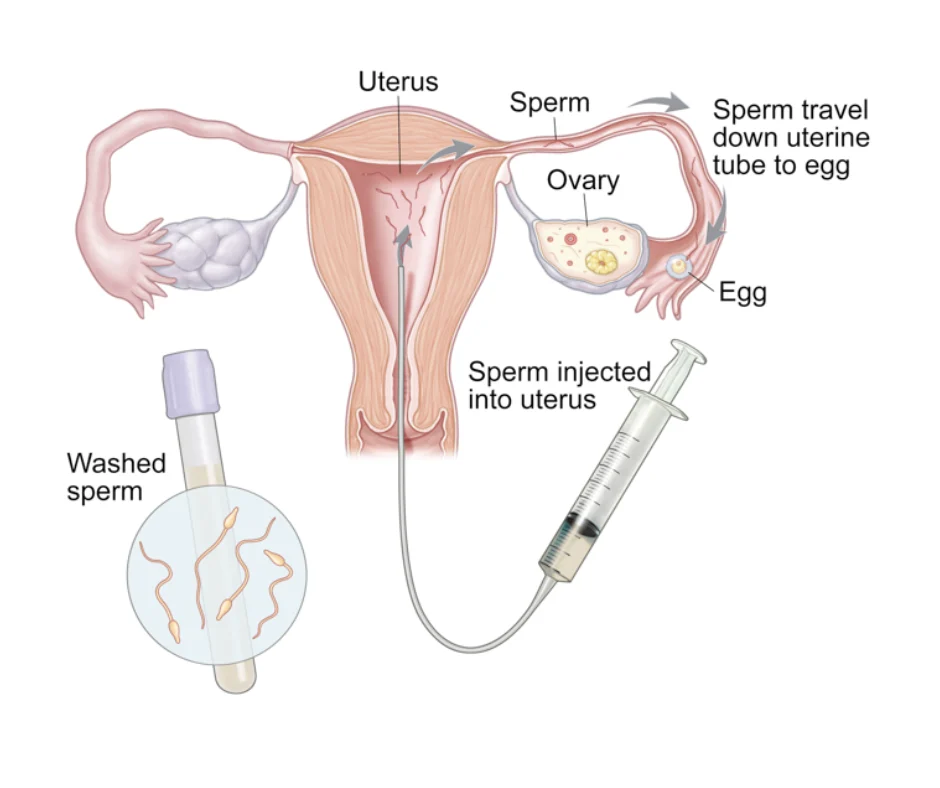
    diagram illustrating intrauterine insemination process, showing sperm injection into the uterus and egg fertilization pathway

    The Impact of Modern Technology on Fertility: Pros and Cons

    2. Emotional and Physical Toll: The journey to parenthood can be emotionally and physically taxing, especially for couples who struggle with infertility. The constant cycle of hope, disappointment, and medical procedures can take a toll on an individual’s mental health and strain their relationships.

    3. Ethical Concerns: With advancements in technology, there are ethical concerns surrounding the creation and use of embryos in assisted reproductive technologies. Questions arise about the disposal of unused embryos, the creation of “designer babies,” and the exploitation of women’s bodies for egg donation.

    4. Increased Risk of Multiple Pregnancies: IVF and other assisted reproductive technologies have an increased risk of multiple pregnancies, which can lead to complications for both the mother and babies. This can be a challenging situation for couples who may not be prepared for the financial and emotional strain of raising multiple children.

    5. Unrealistic Expectations: The media often portrays assisted reproductive technologies as a quick fix for infertility. This can create unrealistic expectations for couples, leading to disappointment and feelings of failure when the procedures do not work.

    The Impact on Society:

    The impact of modern technology on fertility goes beyond individuals and couples struggling with infertility. The surge in fertility treatments has also led to a decline in natural conception rates in some countries. This can have long-term implications for society, such as an aging population and a decline in birth rates.

    Moreover, the use of assisted reproductive technologies has also raised questions about the definition of parenthood and the rights of donor-conceived children to know their biological origins. These issues have sparked debates and discussions surrounding the ethics and regulation of assisted reproductive technologies.

    In conclusion, modern technology has undoubtedly had a significant impact on fertility, offering hope and options for couples who struggle with infertility. However, it is essential to consider the potential drawbacks and ethical concerns surrounding these advancements. As technology continues to evolve, it is crucial to have open and honest discussions about its impact on fertility and society as a whole.

    Summary:

    The advancement of technology has had a significant impact on fertility, providing couples with more options to overcome infertility. The pros of modern technology on fertility include increased success rates, expanded options for LGBTQ+ couples, egg freezing, PGD, and fertility tracking apps. However, there are also cons, such as the high cost, emotional and physical toll, ethical concerns, increased risk of multiple pregnancies, and unrealistic expectations. The impact on society includes a decline in natural conception rates and debates about the definition of parenthood and the rights of donor-conceived children. It is crucial to consider both the pros and cons of modern technology on fertility and have open discussions about its impact on individuals and society.

  • Breaking Barriers: Traditional vs. Gestational Surrogacy in LGBTQ+ Families

    Summary:

    Surrogacy has become a popular alternative for LGBTQ+ couples and individuals who want to build a family. However, there are two types of surrogacy: traditional and gestational. Traditional surrogacy involves the surrogate using her own eggs, while gestational surrogacy involves the use of an egg donor and in vitro fertilization (IVF). Both types of surrogacy have their own set of benefits and challenges, and the decision to choose between them can be a difficult one. In this blog post, we will explore the differences between traditional and gestational surrogacy and how they impact LGBTQ+ families.

    Traditional Surrogacy:

    Traditional surrogacy is the oldest form of surrogacy, where the surrogate uses her own eggs to carry the pregnancy. The process involves artificial insemination, where the sperm of the intended father or a donor is injected into the surrogate’s uterus. This type of surrogacy is usually less expensive as it does not require an egg donor or IVF. However, it also comes with its own set of challenges, especially for LGBTQ+ families.

    In traditional surrogacy, the surrogate is also the biological mother of the child, which can create legal and emotional complications. In some states, traditional surrogacy is not recognized, making it difficult for LGBTQ+ parents to establish legal parental rights. There is also a risk of the surrogate changing her mind and wanting to keep the baby, which can be devastating for the intended parents. Additionally, the child may have a genetic connection to the surrogate, which can raise questions and challenges when it comes to parental rights and responsibilities.

    Gestational Surrogacy:

    illustration of intrauterine insemination procedure with a syringe and catheter in the uterus.

    Breaking Barriers: Traditional vs. Gestational Surrogacy in LGBTQ+ Families

    Gestational surrogacy, on the other hand, involves the use of an egg donor and IVF. This means that the surrogate has no genetic connection to the child she carries, making the process more straightforward and less legally complicated. It also allows both parents to have a genetic connection to the child, which can be important for some LGBTQ+ families. Furthermore, gestational surrogacy is more widely recognized and accepted, making it easier to establish legal parental rights.

    However, gestational surrogacy can be more expensive and complex as it involves multiple parties, such as the egg donor, the surrogate, and the IVF clinic. The process also requires more medical procedures for the egg retrieval and embryo transfer, which can be emotionally and physically taxing for the intended parents and the surrogate. Additionally, there is still a risk of the surrogate changing her mind, although it is less common in gestational surrogacy.

    Breaking Barriers:

    The decision to choose between traditional and gestational surrogacy is not an easy one, and it often comes down to personal preferences and circumstances. For some LGBTQ+ couples, having a genetic connection to their child may be important, while for others, the legal and emotional complications of traditional surrogacy may be a deal-breaker. However, regardless of the type of surrogacy chosen, it is important to work with a reputable and experienced agency that can provide guidance and support throughout the process.

    In recent years, there has been a growing acceptance and understanding of surrogacy within the LGBTQ+ community. With the legalization of same-sex marriage and adoption, more LGBTQ+ individuals and couples are now able to explore surrogacy as an option to start or expand their families. This has also led to an increase in the demand for surrogacy services that cater specifically to the LGBTQ+ community, providing a safe and inclusive environment for intended parents.

    In Conclusion:

    Surrogacy has become a viable option for LGBTQ+ families, allowing them to overcome biological barriers and fulfill their dream of having children. While traditional and gestational surrogacy have their own sets of benefits and challenges, they both offer a way for LGBTQ+ individuals and couples to become parents. It is important for intended parents to carefully consider their options and work with a reputable agency to navigate the complex legal, emotional, and financial aspects of surrogacy.

  • At-Home Fertility Testing for LGBTQ+ Couples: How it Can Help in Family Planning

    Blog Post Title: At-Home Fertility Testing for LGBTQ+ Couples: How it Can Help in Family Planning

    Summary:

    For same-sex couples and LGBTQ+ individuals, starting a family can be a challenging and often expensive journey. One of the biggest obstacles is navigating the fertility process, as traditional methods may not be applicable or accessible for every couple. However, with the advancements in technology, at-home fertility testing has become a convenient and affordable option for LGBTQ+ couples looking to plan for their future family. In this blog post, we will discuss how at-home fertility testing can benefit LGBTQ+ couples in their family planning journey, including the process, benefits, and potential considerations.

    The Process of At-Home Fertility Testing:

    At-home fertility testing involves collecting and testing samples of sperm or eggs in the comfort and privacy of one’s own home. This process eliminates the need to visit a clinic or fertility specialist, which can be a barrier for LGBTQ+ couples who may not have access to LGBTQ+ friendly clinics or feel uncomfortable in a traditional healthcare setting. With at-home fertility testing, samples can be collected discreetly and shipped to a lab for testing, making it a more inclusive and convenient option for LGBTQ+ individuals.

    Benefits of At-Home Fertility Testing for LGBTQ+ Couples:

    1. Convenience and Privacy: As mentioned, at-home fertility testing allows couples to collect samples in the privacy of their own home, eliminating the need to visit a clinic or specialist. This can be especially beneficial for LGBTQ+ couples who may not have access to LGBTQ+ friendly clinics or may feel more comfortable testing in the privacy of their own home.

    2. Affordability: Traditional fertility treatments can be costly, making it difficult for many LGBTQ+ couples to access. At-home fertility testing is a more affordable option, with kits ranging from $50 to $150, depending on the type of testing needed. This can significantly reduce the financial burden for couples planning for their family.

    Comparison of IVF and IUI procedures with illustrations of each method.

    At-Home Fertility Testing for LGBTQ+ Couples: How it Can Help in Family Planning

    3. Accessibility: At-home fertility testing is available to anyone with access to the internet, making it a more accessible option for LGBTQ+ couples in remote areas or countries where traditional fertility treatments may not be available.

    4. Understanding Your Fertility: For LGBTQ+ couples, understanding their fertility is crucial in their family planning journey. At-home fertility testing provides valuable information about a person’s reproductive health, allowing them to make informed decisions about their family planning options.

    Considerations for At-Home Fertility Testing:

    While at-home fertility testing can be a helpful tool for LGBTQ+ couples in family planning, there are some considerations to keep in mind:

    1. Accuracy: At-home fertility testing kits may not be as accurate as traditional methods, which involve a trained professional conducting the tests. It’s essential to research and choose a reputable at-home fertility testing company to ensure accurate results.

    2. Emotional Support: For LGBTQ+ couples, the journey towards starting a family can be emotionally challenging. At-home fertility testing may not offer the same emotional support as traditional fertility treatments, so it’s essential to have a support system in place throughout the process.

    3. Next Steps: While at-home fertility testing can provide valuable information about a person’s fertility, it’s essential to remember that it is only the first step in the family planning process. Couples may need to consult with a fertility specialist for further guidance and treatment options.

    In conclusion, at-home fertility testing is a convenient, affordable, and accessible option for LGBTQ+ couples who are planning for their future family. It provides valuable information about a person’s fertility, eliminates barriers to traditional methods, and allows for greater privacy and comfort. However, it is essential to consider the accuracy of results, emotional support, and the need for further consultation with a specialist. With the help of at-home fertility testing, LGBTQ+ couples can take control of their family planning journey and make informed decisions about their future.

  • Surrogacy vs Adoption: A LGBTQ+ Perspective

    Surrogacy vs Adoption: A LGBTQ+ Perspective

    The journey towards parenthood for LGBTQ+ couples and individuals has traditionally been a challenging one, with limited options available. However, with advancements in reproductive technology and changing societal attitudes, the doors to parenthood have opened wider for the LGBTQ+ community. One of the most important decisions that LGBTQ+ individuals and couples face when considering starting a family is whether to pursue surrogacy or adoption. Both options have their own unique benefits and challenges, and it can be a difficult decision to make. In this blog post, we will explore surrogacy and adoption from a LGBTQ+ perspective, discussing the pros and cons of each option and providing guidance for those considering both routes to parenthood.

    Surrogacy:

    Surrogacy is the process of using a surrogate mother to carry and give birth to a child for someone else. This can be done through traditional surrogacy, where the surrogate’s own eggs are used, or through gestational surrogacy, where the eggs of the intended parent(s) or a donor are used. Surrogacy offers LGBTQ+ individuals and couples the opportunity to have a biological connection to their child, which can be a significant factor for many. It also allows for more control over the process, as the intended parent(s) can select a surrogate who aligns with their values and wishes.

    However, surrogacy can also be a costly and complex process. Finding a suitable surrogate can be challenging, and there are often legal and emotional complexities involved. In addition, surrogacy is not yet legally recognized in all countries, which can create additional hurdles for LGBTQ+ individuals and couples. For example, in some countries, same-sex couples may not be allowed to enter into a surrogacy agreement, or the child may not be recognized as a legal member of the family. It is important for those considering surrogacy to thoroughly research the laws and regulations in their country or state before making a decision.

    Adoption:

    Adoption is the legal process of permanently transferring parental rights and responsibilities from one person or couple to another. It offers LGBTQ+ individuals and couples the opportunity to provide a loving and stable home to a child in need. Adoption can also be a more affordable option compared to surrogacy, as there are often grants and financial assistance available for those looking to adopt.

    A person administering an injection into their abdomen with a yellow pen-like device.

    Surrogacy vs Adoption: A LGBTQ+ Perspective

    One of the main challenges for LGBTQ+ individuals and couples when it comes to adoption is the potential for discrimination. While same-sex couples are legally allowed to adopt in many countries, there are still some agencies and individuals who may have biased attitudes towards LGBTQ+ individuals and couples. This can lead to longer waiting times and a more difficult adoption process. It is important for LGBTQ+ individuals and couples to research and choose adoption agencies that are LGBTQ+ friendly and have a track record of successful adoptions for LGBTQ+ families.

    The Pros and Cons of Surrogacy and Adoption:

    Both surrogacy and adoption have their own unique benefits and challenges, and the decision ultimately depends on the individual circumstances of the intended parent(s). Surrogacy allows for a biological connection to the child and more control over the process, but it can also be costly and legally complex. Adoption offers the opportunity to provide a loving home to a child in need, but it can also come with challenges such as potential discrimination and longer waiting times.

    For LGBTQ+ individuals and couples, it is important to consider all factors and do thorough research before deciding on a route to parenthood. It may also be helpful to seek guidance from other LGBTQ+ families who have gone through either surrogacy or adoption to gain a better understanding of the process and any potential challenges.

    In the end, the most important thing is for the child to be loved and cared for, regardless of whether they are biologically related to their parents. Both surrogacy and adoption can provide loving and stable homes for children, and the decision should ultimately be based on what is best for the child and the intended parent(s).

    Summary:

    The journey towards parenthood for LGBTQ+ individuals and couples has become more accessible with advancements in reproductive technology and changing societal attitudes. When considering starting a family, surrogacy and adoption are two options available, each with their own benefits and challenges. Surrogacy allows for a biological connection to the child, but can be costly and legally complex. Adoption offers the opportunity to provide a loving home to a child in need, but may come with potential challenges such as discrimination. The most important factor is for the child to be loved and cared for, and the decision should be based on what is best for the child and the intended parent(s).

  • Breaking the Stigma: Egg Donation and Egg Freezing as Fertility Options

    Breaking the Stigma: Egg Donation and Egg Freezing as Fertility Options

    In today’s society, there is still a stigma surrounding fertility options such as egg donation and egg freezing. Many people view these methods as taboo or unnatural, and therefore, they are not openly discussed. However, breaking this stigma is crucial for those struggling with infertility or seeking to preserve their fertility for the future. In this blog post, we will explore the myths and misconceptions surrounding egg donation and egg freezing, and shed light on the importance and benefits of these fertility options.

    Myth #1: Egg Donation and Egg Freezing are Unnatural

    One of the most common misconceptions about egg donation and egg freezing is that they are unnatural processes. Some people believe that it goes against the natural order of things and that women should conceive and carry their own biological child. However, the reality is that many women are unable to conceive or carry a pregnancy due to various medical conditions, and egg donation or egg freezing can provide them with the opportunity to have a child that is genetically related to them. In addition, egg freezing is a way to preserve a woman’s fertility for the future, allowing her to have a child when she is ready, regardless of her age or medical condition.

    Myth #2: Egg Donation and Egg Freezing are Only for Women with Fertility Issues

    Another common misconception is that egg donation and egg freezing are only for women with fertility issues. While these methods are indeed beneficial for women who are struggling with infertility, they are also options for women who want to delay pregnancy or preserve their fertility for medical reasons. For example, women who are undergoing cancer treatment may choose to freeze their eggs before starting treatment to increase their chances of having a biological child in the future. Additionally, single women or LGBTQ+ couples may opt for egg donation or egg freezing to have a genetically related child.

    Myth #3: Egg Donation and Egg Freezing are Risky

    Some people believe that egg donation and egg freezing are risky procedures that can have negative impacts on a woman’s health. However, both processes are safe and have been used for decades with high success rates. Egg donation involves retrieving eggs from a donor and fertilizing them with sperm in a lab, and then transferring the embryo to the recipient’s uterus. This process is similar to in-vitro fertilization (IVF) and has been used successfully for many years. Egg freezing, on the other hand, involves retrieving a woman’s eggs and freezing them for future use. This process has also been used for decades and has no known long-term health risks.

    Myth #4: Egg Donation and Egg Freezing are Expensive

    Many people assume that egg donation and egg freezing are expensive procedures that are only accessible to the wealthy. However, this is not entirely true. While these procedures can be costly, there are options available to make them more affordable. Some fertility clinics offer financing options, and there are also organizations that provide financial assistance for those who cannot afford the full cost. Additionally, some insurance plans may cover a portion of the expenses for these procedures.

    Benefits of Egg Donation and Egg Freezing

    Illustration of the uterus with a syringe, depicting the intrauterine insemination procedure.

    Breaking the Stigma: Egg Donation and Egg Freezing as Fertility Options

    Now that we have debunked some of the common myths surrounding egg donation and egg freezing, let’s explore the benefits of these fertility options.

    1. Allows Women to Have a Biological Child

    For women who are unable to conceive or carry a pregnancy, egg donation can provide them with the opportunity to have a biological child. This can be a life-changing experience for those who have always dreamed of having a child that is genetically related to them.

    2. Provides Flexibility and Control

    Egg freezing allows women to take control of their fertility and provides them with the flexibility to have a child when they are ready. This can be especially beneficial for women who want to focus on their career or personal goals before starting a family.

    3. Preserves Fertility for Medical Reasons

    For women who are facing medical treatments that may affect their fertility, egg freezing can be a way to preserve their fertility for the future. This can provide immense hope and comfort during a difficult time and give them the opportunity to have a biological child after their treatment is completed.

    4. Helps LGBTQ+ Couples and Single Women to Have a Child

    Egg donation and egg freezing also provide options for LGBTQ+ couples and single women who want to have a child that is genetically related to them. These methods open up possibilities for individuals and couples who may not have had the opportunity to have a biological child otherwise.

    Breaking the stigma surrounding egg donation and egg freezing is crucial for promoting awareness and understanding of these valuable fertility options. These methods provide hope, flexibility, and control to those struggling with infertility or wanting to preserve their fertility for the future. It is time to educate ourselves and others about the truth of these procedures and support those who choose to pursue them.

    In summary, egg donation and egg freezing are not unnatural, risky, or only for women with fertility issues. They are safe procedures that provide benefits such as allowing women to have a biological child, offering flexibility and control, preserving fertility for medical reasons, and helping LGBTQ+ couples and single women to have a child. It is time to break the stigma and support those who choose these fertility options.