Tag: Genetic testing

  • Sperm Donor vs Co-Parenting: A Comparison of Legal Rights and Responsibilities

    Blog Post:

    In recent years, the concept of alternative family structures has become more widely accepted. With advancements in fertility treatments and increased recognition of LGBTQ+ rights, there are now more options for individuals and couples to start a family. Two popular options for creating a family are sperm donation and co-parenting. While both methods involve a third party, there are significant differences in terms of legal rights and responsibilities. In this blog post, we will explore the differences between sperm donation and co-parenting and their impact on the individuals involved.

    Sperm Donation:

    Sperm donation involves a man providing his sperm to a woman or couple in order to conceive a child. This can be done through an official sperm bank or through a private arrangement with the donor. In most cases, the donor has no legal rights or responsibilities towards the child. This means that they have no legal obligation to financially support the child or play a role in their upbringing. However, in some cases, donors may choose to have some involvement in the child’s life, such as maintaining contact or even co-parenting.

    Legal Rights and Responsibilities:

    In terms of legal rights, the sperm donor has very limited or no rights to the child. In most cases, they are not considered the legal father and do not have any parental rights. This means that they cannot make decisions about the child’s upbringing, medical care, or education. In some cases, donors may be required to undergo genetic testing and may be held responsible for any child support if they are found to be the biological father. However, these cases are rare and usually only occur if the donor has a prior agreement with the recipient or if they have maintained a relationship with the child.

    Co-Parenting:

    Co-parenting involves two or more individuals, usually unrelated, coming together to raise a child. This can be done through various arrangements, such as friends or acquaintances, or through a co-parenting matching service. In this arrangement, both parties have equal rights and responsibilities towards the child. This means that they share decision-making power and financial responsibility for the child’s upbringing. Co-parenting arrangements can also include same-sex couples, who may use a sperm donor to conceive a child and then raise the child together.
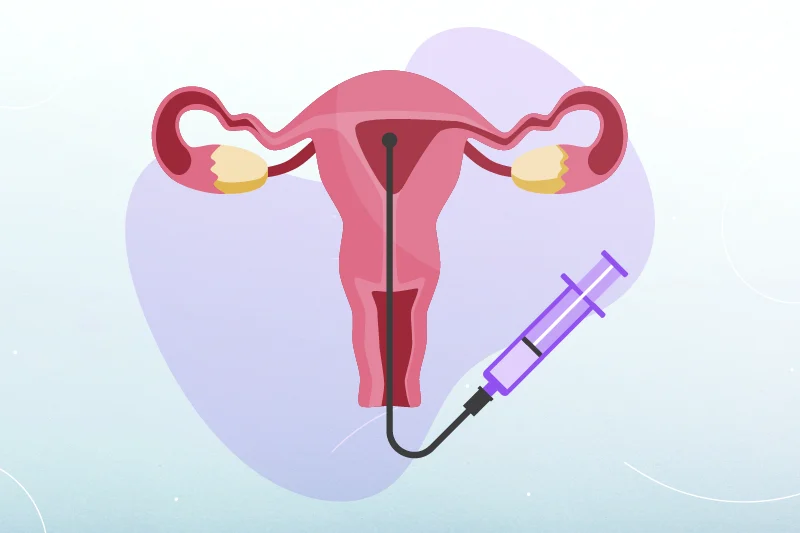
    Illustration of the uterus with a syringe, depicting the intrauterine insemination procedure.

    Sperm Donor vs Co-Parenting: A Comparison of Legal Rights and Responsibilities

    Legal Rights and Responsibilities:

    Unlike sperm donation, co-parenting involves an agreement between two or more parties, and therefore, the legal rights and responsibilities are more clearly defined. Both parties are considered legal parents, and in the case of same-sex couples, both individuals can be listed on the birth certificate. This means that they have equal say in the child’s upbringing and can make decisions about their education, medical care, and religious upbringing. However, this also means that both parties are equally responsible for the financial support of the child. In the case of a co-parenting arrangement, it is crucial to have a written agreement outlining the rights and responsibilities of each party to avoid any potential legal conflicts in the future.

    Comparison:

    The main difference between sperm donation and co-parenting is the level of involvement and legal rights and responsibilities of the donor. In sperm donation, the donor has little to no involvement in the child’s life and no legal rights or responsibilities towards the child. On the other hand, in co-parenting, both parties are equally involved in the child’s life and share legal rights and responsibilities. Additionally, sperm donation is a one-time event, while co-parenting involves a long-term commitment between the parties.

    Another important factor to consider is the impact on the child. In a sperm donation arrangement, the child may have questions about their biological father and may feel a sense of loss or curiosity about their genetic background. In a co-parenting arrangement, the child may have a more traditional family structure and may not have the same questions or concerns about their parentage.

    It is also essential to consider the potential legal and emotional risks involved in both sperm donation and co-parenting. In sperm donation, there is a risk of the donor being held responsible for child support or other legal issues. In co-parenting, there is a risk of conflict between the parties, which can have a negative impact on the child’s well-being.

    Summary:

    In summary, sperm donation and co-parenting are two popular options for creating a family, but they have significant differences in terms of legal rights and responsibilities. Sperm donation involves a one-time donation with little to no legal involvement, while co-parenting involves a long-term commitment with shared legal rights and responsibilities. When considering these options, it is essential to carefully consider the potential legal and emotional risks and choose the option that best fits your individual situation.

  • The Legal Side: Understanding the Laws and Regulations of Artificial Insemination and IVF

    Title: The Legal Side: Understanding the Laws and Regulations of Artificial Insemination and IVF

    With advances in technology and medical procedures, more and more couples are turning to artificial insemination and in vitro fertilization (IVF) to start or expand their families. However, with these innovative methods come a host of legal considerations and regulations that must be carefully navigated. In this blog post, we will explore the legal side of artificial insemination and IVF and provide a thorough understanding of the laws and regulations surrounding these procedures.

    What is Artificial Insemination and IVF?
    Artificial insemination is a fertility treatment that involves inserting sperm into a woman’s reproductive system to achieve pregnancy. This can be done through intrauterine insemination (IUI), where sperm is placed directly into the uterus, or through in vitro fertilization (IVF), where eggs and sperm are fertilized outside of the body and then implanted into the uterus.

    IVF, on the other hand, is a more complex procedure that involves retrieving eggs from a woman’s ovaries and fertilizing them with sperm in a laboratory. The resulting embryos are then transferred into the woman’s uterus.

    Legal Considerations for Artificial Insemination and IVF
    The legal considerations for artificial insemination and IVF can vary depending on the specific circumstances and location. However, there are several important laws and regulations that apply to these procedures.

    1. Consent
    One of the most critical legal considerations for artificial insemination and IVF is obtaining proper consent from all parties involved. This includes the donor of the sperm or egg, the recipient, and any surrogate or gestational carrier. Written consent forms are typically required to ensure that all parties understand their rights and responsibilities and have given their informed consent to the procedure.

    2. Parental Rights and Responsibilities
    Another crucial aspect to consider is the parental rights and responsibilities of all parties involved. In cases where a sperm or egg donor is used, it is essential to establish legal parentage to avoid any potential disputes in the future. For example, in cases of donor insemination, the donor is usually not considered the legal parent, and the recipient’s partner or spouse is presumed to be the legal parent.

    3. Medical Malpractice
    As with any medical procedure, there is always the risk of medical malpractice. In the case of artificial insemination and IVF, this can include errors in the handling of sperm or eggs, incorrect procedures, or failure to obtain proper consent. It is crucial to work with a reputable and experienced fertility clinic to minimize these risks.

    4. Gamete and Embryo Ownership
    The ownership of gametes (sperm and eggs) and embryos can also be a complicated legal issue. In cases where a donor is involved, they may have rights to the gametes or embryos. It is important to have clear agreements in place regarding ownership and use of these materials to avoid any legal disputes.

    Comparison of IUI and IVF, illustrating procedures and definitions for each fertility treatment.

    The Legal Side: Understanding the Laws and Regulations of Artificial Insemination and IVF

    5. Surrogacy Laws
    In cases where a surrogate or gestational carrier is used, it is essential to understand the laws and regulations surrounding surrogacy in your state or country. Some jurisdictions have strict regulations on surrogacy, while others may not recognize surrogacy agreements at all. It is crucial to seek legal advice and ensure that all parties involved are protected under the law.

    6. Genetic Testing and Screening
    Genetic testing and screening are also significant legal considerations for artificial insemination and IVF. Some jurisdictions require genetic testing for certain genetic disorders before using donor gametes or embryos. Additionally, some countries have laws prohibiting the use of certain donors based on their genetic makeup.

    7. Insurance Coverage
    The cost of fertility treatments can be high, and insurance coverage can vary significantly. It is crucial to understand what procedures and medications are covered under your insurance plan and what out-of-pocket expenses you may incur. Some states have laws that require insurance companies to cover fertility treatments, while others do not. It is essential to research your insurance coverage and options thoroughly.

    Regulations for Artificial Insemination and IVF
    In addition to the legal considerations, there are also specific regulations that fertility clinics and healthcare providers must follow when performing artificial insemination and IVF procedures.

    1. The Food and Drug Administration (FDA)
    The FDA regulates the use of donor sperm and eggs and requires screening and testing for certain infectious diseases. They also regulate the use of fertility medications and the handling of gametes and embryos.

    2. The American Society for Reproductive Medicine (ASRM)
    The ASRM is a professional organization that provides guidelines and regulations for fertility clinics and healthcare providers. These guidelines cover various aspects of fertility treatments, including donor screening, informed consent, and medical procedures.

    3. State Laws
    State laws can vary significantly when it comes to fertility treatments. Some states have strict regulations on surrogacy, while others have laws regarding the number of embryos that can be transferred during IVF. It is essential to understand the laws and regulations in your state when considering artificial insemination or IVF.

    Conclusion
    Artificial insemination and IVF offer hope for couples struggling with infertility, but it is crucial to understand the legal considerations and regulations surrounding these procedures. Proper consent, parental rights, medical malpractice, gamete and embryo ownership, surrogacy laws, genetic testing, and insurance coverage should all be carefully considered before embarking on fertility treatments. It is also essential to work with a reputable and experienced fertility clinic and seek legal advice to ensure that all parties involved are protected under the law.

    In summary, the legal side of artificial insemination and IVF is complex and requires careful consideration of various laws and regulations. Couples and individuals seeking fertility treatments should thoroughly research and understand the legal and regulatory landscape to make informed decisions and protect their rights and interests.

  • The Role of Technology: How Artificial Insemination and IVF Have Evolved

    Blog Post:

    Technology has played a crucial role in the advancement of reproductive medicine, specifically in the fields of artificial insemination and in vitro fertilization (IVF). The ability to assist in pregnancy and childbirth through these methods has revolutionized the way we think about parenthood and helped countless couples achieve their dream of having a family. In this blog post, we will explore the history and evolution of artificial insemination and IVF, how technology has played a role in their development, and the impact they have had on society.

    Artificial Insemination (AI), also known as intrauterine insemination (IUI), is a technique that involves placing sperm directly into a woman’s uterus in order to increase the chances of fertilization. This method has been used for centuries, with records of the process dating back to ancient Greek and Roman times. However, the modern development of AI can be traced back to the late 18th century when scientists began experimenting with animal insemination. The first successful AI procedure was performed in 1884 on a dog, and by the early 20th century, it was being used on livestock to improve breeding and increase the quality of offspring.

    The use of AI in humans began in the 1940s, but it wasn’t until the 1970s that it became a widely available option for couples struggling with fertility. This was due to the development of cryopreservation, which allowed sperm to be frozen and stored for future use. This breakthrough meant that sperm could be collected from a donor and used at a later time, eliminating the need for a live donor to be present during the insemination process.

    In the 1980s, the use of AI expanded to include donor sperm for couples with male infertility or genetic disorders that could be passed down to their offspring. This opened up a whole new world of possibilities for couples who were previously unable to conceive on their own. However, the success rates of AI were still relatively low, leading to the development of a more advanced technique – IVF.

    IVF is a process that involves fertilizing an egg with sperm in a laboratory and then transferring the resulting embryo into the woman’s uterus. The first successful IVF pregnancy was achieved in 1978 by British scientist Robert Edwards and gynecologist Patrick Steptoe. This groundbreaking achievement gave hope to millions of couples struggling with infertility and paved the way for further advancements in reproductive technology.

    One of the key developments in IVF technology was the introduction of intracytoplasmic sperm injection (ICSI) in the 1990s. This technique involves injecting a single sperm directly into an egg, bypassing any potential barriers that may prevent fertilization. ICSI has drastically improved the success rates of IVF, especially for couples with male factor infertility. It has also allowed for the use of frozen eggs, increasing the flexibility and accessibility of IVF.

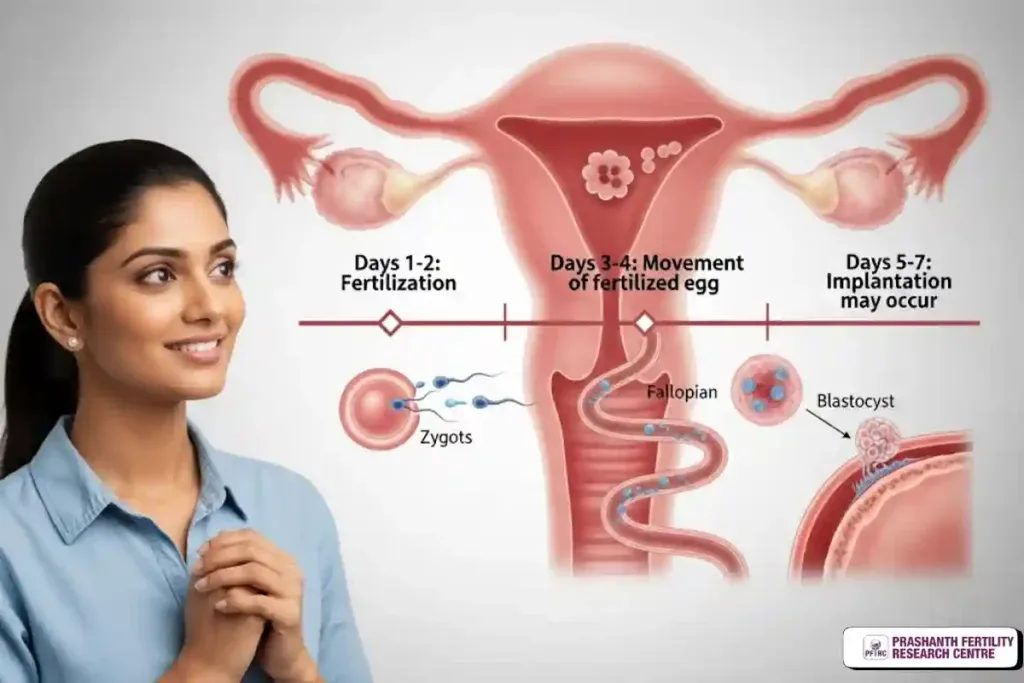
    Illustration showing fertilization and implantation timeline with a woman looking hopeful.

    The Role of Technology: How Artificial Insemination and IVF Have Evolved

    Another significant advancement in IVF technology is the use of preimplantation genetic testing (PGT). This involves testing embryos for genetic disorders before they are transferred to the uterus, reducing the risk of passing on inherited diseases to the child. PGT has also been used to select embryos based on their gender, which has raised ethical concerns but has also allowed for couples to have a higher chance of having a child of a specific sex.

    With the development of technology, IVF has become more refined and efficient, with success rates increasing significantly over the years. However, it is still a costly and emotionally taxing process, leading to the rise of more accessible and cost-effective options such as mini-IVF and natural cycle IVF. These methods use lower doses of medication or rely on a woman’s natural ovulation cycle, making them more affordable and less invasive.

    The evolution of AI and IVF has not only impacted the lives of couples struggling with infertility but has also raised ethical and social questions. The use of donor sperm and eggs has sparked debates about the definition of parenthood and the rights of the child to know their genetic origins. The concept of “designer babies” has also been a concern, with the ability to select embryos based on certain traits or characteristics.

    Furthermore, the high cost of these procedures has created a divide between those who can afford them and those who cannot. This has led to discussions about the accessibility of reproductive technology and the need for insurance coverage for fertility treatments.

    In conclusion, the role of technology in the evolution of artificial insemination and IVF cannot be overstated. These techniques have not only helped millions of couples fulfill their dreams of having a family, but they have also opened up new possibilities and raised important ethical and social questions. With the continuous development of technology, we can only imagine what the future holds for reproductive medicine and the impact it will have on our society.

    Summary:

    Technology has played a significant role in the development and evolution of artificial insemination and IVF. AI, which has been used for centuries, saw significant advancements in the 20th century with the development of cryopreservation. This allowed for the use of donor sperm and expanded the possibilities for couples struggling with fertility. IVF, which involves fertilizing an egg with sperm in a laboratory and transferring the resulting embryo into the uterus, was first successfully achieved in 1978. With the introduction of ICSI and PGT, the success rates of IVF have drastically improved. However, the high cost and ethical concerns have also been a topic of discussion. The continuous development of technology has changed the landscape of reproductive medicine and will continue to shape the future of parenthood.