Tag: emotional well-being

  • The Emotional Toll of Fertility: Managing with Supplements and Medical Treatments

    Blog Post:

    Fertility is a topic that carries a lot of emotional weight for many individuals and couples. The desire to have a child is a natural and deeply rooted one, and when faced with struggles in this area, it can take a toll on one’s mental and emotional well-being. In this blog post, we will explore the emotional toll of fertility and how it can be managed with supplements and medical treatments.

    The Emotional Toll of Fertility:

    For those who have been trying to conceive for a while, the emotional toll can be significant. The constant disappointment of negative pregnancy tests, the envy of seeing others easily get pregnant, and the fear of never being able to have a child can lead to feelings of sadness, anxiety, and even depression.

    The pressure from society and loved ones to have a child can also add to the emotional burden. Many couples feel like they are failing or not living up to expectations, which can lead to feelings of guilt and shame. This can put a strain on relationships and lead to further emotional distress.

    Managing with Supplements:

    While there is no magic pill that guarantees fertility, there are supplements that can help support the body’s reproductive system. One of the most commonly used supplements for fertility is folic acid, which is known to reduce the risk of birth defects and support healthy ovulation. Other supplements that may help improve fertility include omega-3 fatty acids, vitamin D, and Coenzyme Q10.

    It’s important to note that these supplements should not be used as a substitute for medical treatment or fertility medications prescribed by a doctor. However, they can be used as a complementary approach to support overall reproductive health.

    Medical Treatments:
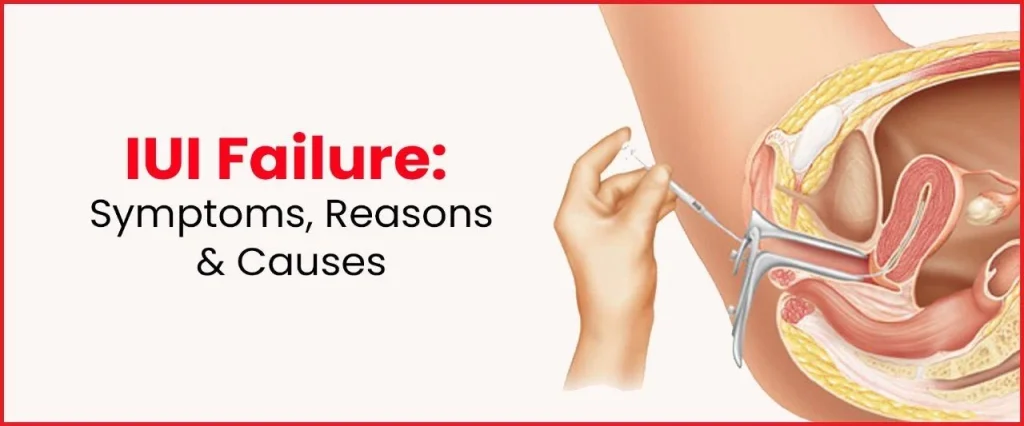
    illustration of IUI procedure with text on symptoms, reasons, and causes of IUI failure

    The Emotional Toll of Fertility: Managing with Supplements and Medical Treatments

    For those who have been struggling with infertility, seeking medical treatment can be a daunting and emotionally charged decision. There are various medical treatments available, including fertility medications, intrauterine insemination (IUI), and in vitro fertilization (IVF).

    These treatments can be physically and emotionally demanding, with frequent doctor visits, hormone injections, and the uncertainty of success. It’s essential for individuals and couples to have a support system in place, whether it’s through therapy, support groups, or close friends and family.

    Managing the Emotional Toll:

    Dealing with the emotional toll of fertility can be overwhelming, but there are steps that can be taken to manage it. Firstly, it’s important to acknowledge and validate one’s feelings. It’s okay to feel sad, frustrated, or angry. It’s also crucial to communicate openly and honestly with a partner, as they may be experiencing similar emotions.

    Seeking support from a therapist or joining a support group can also be beneficial. These spaces provide a safe and understanding environment to express emotions and receive guidance on coping mechanisms. Additionally, practicing self-care activities such as exercise, meditation, and journaling can help reduce stress and improve emotional well-being.

    It’s also essential to set realistic expectations and understand that the fertility journey may be a long and challenging one. Having a positive mindset and finding ways to stay hopeful can make a significant difference in managing the emotional toll.

    In conclusion, the emotional toll of fertility can be significant, but it’s essential to remember that there is support and resources available. Whether it’s through supplements, medical treatments, or emotional support, individuals and couples can find ways to manage the emotional burden and stay hopeful on their journey to parenthood.

    Summary:

    Fertility struggles can take a significant emotional toll on individuals and couples. The pressure from society, constant disappointment, and fear of not being able to have a child can lead to feelings of sadness, anxiety, and depression. However, supplements such as folic acid, omega-3 fatty acids, and vitamin D can support reproductive health, while medical treatments like fertility medications and IVF can increase the chances of pregnancy. It’s important to have a support system in place and practice self-care activities to manage the emotional toll and stay hopeful on the fertility journey.
  • A Holistic Approach: Combining Artificial Insemination and Natural Conception

    Blog Post:

    In today’s world, many couples struggle with fertility issues and have to turn to various methods to conceive a child. One of the most common methods is artificial insemination, where sperm is collected and directly inserted into the woman’s uterus. However, there has been a recent trend towards a more holistic approach to fertility by combining artificial insemination with natural conception methods. This approach takes into account not just the physical aspect of conception but also the emotional, mental, and spiritual aspects. In this blog post, we will explore the benefits of combining artificial insemination and natural conception and how it can increase the chances of a successful pregnancy.

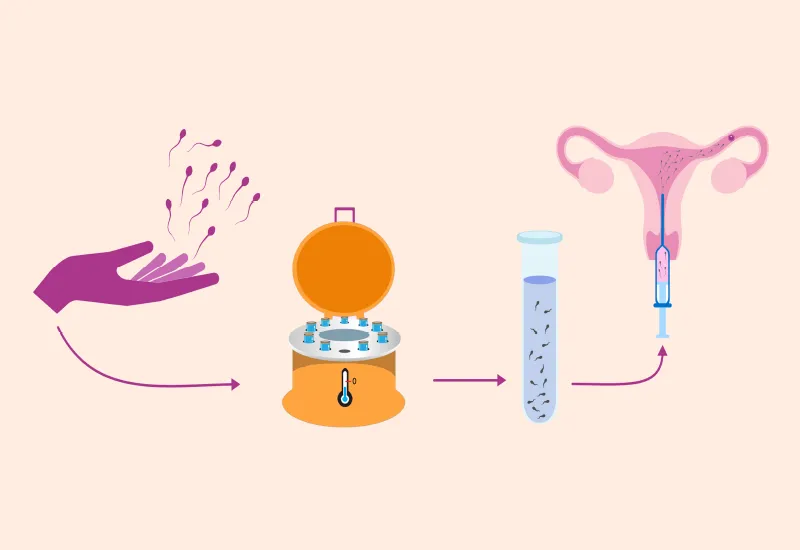
    First, let’s understand what artificial insemination and natural conception are. Artificial insemination is a medical procedure where the sperm is collected from the male partner or a donor and inserted directly into the woman’s uterus during her fertile window. This method bypasses the natural process of sperm reaching the egg through intercourse and increases the chances of fertilization. On the other hand, natural conception is the traditional method of conceiving a child through sexual intercourse during the woman’s ovulation period.

    Now, let’s delve into the benefits of combining these two methods. One of the main advantages is that it increases the chances of conception. Artificial insemination has a higher success rate when compared to natural conception, and by combining the two, the chances of fertilization are further enhanced. This is especially beneficial for couples who have been struggling with fertility issues. It also gives them more control over the timing of conception, as they can plan the artificial insemination procedure during the woman’s ovulation period.

    Another benefit of this holistic approach is that it addresses both physical and emotional aspects of fertility. Artificial insemination can be a stressful and emotionally taxing process for couples. By incorporating natural conception methods, it allows them to connect on a deeper level and reduce the stress and pressure that comes with trying to conceive. This can have a positive impact on their mental and emotional well-being, which can, in turn, increase the chances of a successful pregnancy.

    Moreover, combining artificial insemination and natural conception can be a more cost-effective option for couples. Artificial insemination can be an expensive procedure, and by incorporating natural conception, it reduces the number of procedures needed, thus saving money in the long run. This can be especially beneficial for couples who have limited financial resources but still want to explore fertility treatments.

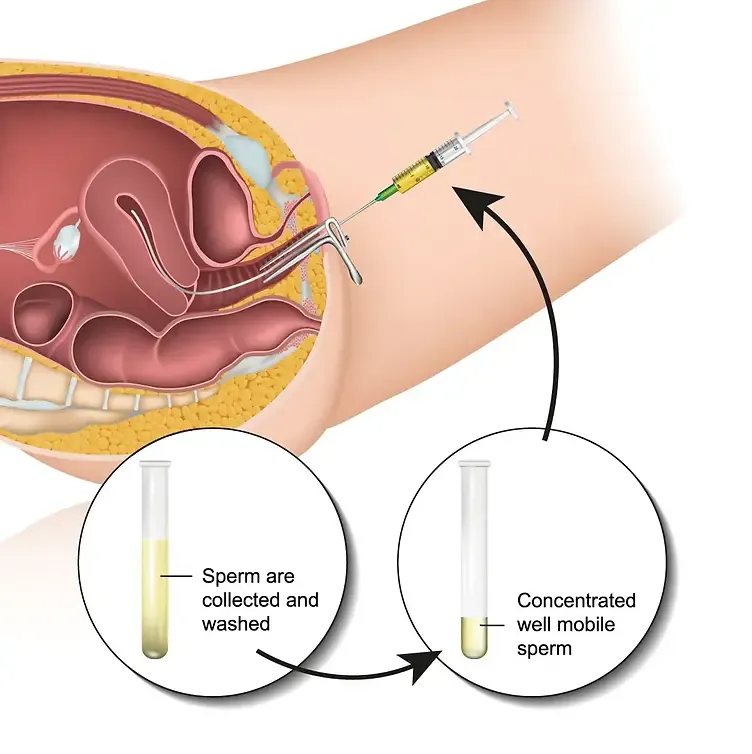
    illustration of the IUI process, showing sperm collection, preparation, and insertion into the uterus

    A Holistic Approach: Combining Artificial Insemination and Natural Conception

    It’s essential to note that this approach may not be suitable for all couples, and it’s crucial to consult with a fertility specialist before making any decisions. Factors such as age, medical history, and fertility issues may play a role in determining the best course of action. However, for couples who are eligible, this holistic approach can offer a more well-rounded and comprehensive approach to fertility treatment.

    In addition to the physical and emotional benefits, combining artificial insemination and natural conception can also have spiritual benefits. For many couples, the journey to conceiving a child can be a spiritual one. By incorporating natural conception methods, it allows them to connect with their bodies and the natural process of fertilization. It can also bring a sense of hope and positivity, which can be crucial in the rollercoaster journey of fertility.

    Another aspect to consider is the impact on the child. Children conceived through artificial insemination may have questions about their biological origins, and combining it with natural conception can address some of those questions. It allows for a more traditional approach to conception, which can be reassuring for the child later in life.

    In conclusion, combining artificial insemination and natural conception can offer a more holistic approach to fertility treatment. It takes into account not just the physical aspect but also the emotional, mental, and spiritual aspects of conceiving a child. It can increase the chances of conception, reduce stress and costs, and have a positive impact on the overall well-being of the couple. As with any fertility treatment, it’s crucial to consult with a specialist and consider all factors before making a decision. But for eligible couples, this approach can be a promising option in their journey towards having a child.

    Summary:

    In today’s world, many couples turn to artificial insemination to conceive a child. However, there is a growing trend towards a more holistic approach that combines artificial insemination with natural conception methods. This approach takes into account the physical, emotional, mental, and spiritual aspects of fertility and can increase the chances of a successful pregnancy. It also reduces stress and costs, and has a positive impact on the overall well-being of the couple. While it may not be suitable for all couples, it offers a more well-rounded and comprehensive approach to fertility treatment.

  • The Benefits of Mindfulness in Fertility: Tips for Reducing Stress and Anxiety

    Blog Post Title: The Benefits of Mindfulness in Fertility: Tips for Reducing Stress and Anxiety

    Mindfulness has gained popularity in recent years as a way to reduce stress and promote overall well-being. But did you know that it can also have a positive impact on fertility? Studies have shown that incorporating mindfulness practices into fertility treatments can lead to higher success rates and a more positive experience for couples. In this blog post, we will explore the benefits of mindfulness in fertility and provide tips for reducing stress and anxiety during this challenging journey.

    Understanding the Link Between Stress and Fertility

    Before diving into the benefits of mindfulness, it’s important to understand the link between stress and fertility. When we are stressed, our bodies release cortisol, a hormone that can disrupt the delicate balance of hormones necessary for ovulation and conception. Chronic stress can also cause inflammation and weaken the immune system, making it more difficult for the body to support a healthy pregnancy. Additionally, stress can impact our emotional well-being, leading to feelings of anxiety, depression, and hopelessness, which can further hinder the fertility process.

    The Benefits of Mindfulness in Fertility

    Mindfulness is the practice of being fully present and aware in the current moment. It involves paying attention to our thoughts, feelings, and sensations without judgment. By incorporating mindfulness into fertility treatments, couples can experience a range of benefits, including:

    1. Reducing Stress and Anxiety: Mindfulness can help individuals cope with the stress and anxiety that often accompany fertility treatments. By focusing on the present moment, we can let go of worries about the past or future, allowing for a sense of calm and relaxation.

    2. Improving Emotional Well-Being: The emotional toll of fertility treatments can be overwhelming. Mindfulness can help individuals process and manage their emotions, leading to improved emotional well-being and a more positive outlook.

    3. Enhancing the Mind-Body Connection: Mindfulness can strengthen the mind-body connection, allowing individuals to better understand and listen to their bodies. This can lead to improved self-awareness and better decision-making during the fertility journey.

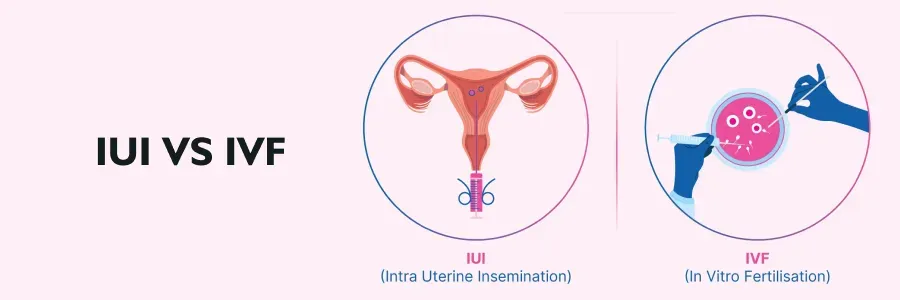
    Comparison of IUI and IVF with illustrations of each procedure.

    The Benefits of Mindfulness in Fertility: Tips for Reducing Stress and Anxiety

    4. Boosting Fertility Success Rates: Studies have shown that mindfulness practices can improve fertility success rates. By reducing stress and improving overall well-being, individuals may experience better hormonal balance and an increased chance of conception.

    Tips for Incorporating Mindfulness into Fertility Treatments

    Here are some tips for incorporating mindfulness into your fertility journey:

    1. Start with Breathing Exercises: Breathing exercises are a great way to begin a mindfulness practice. Take a few minutes each day to focus on your breath and notice any thoughts or sensations that arise. This can help calm the mind and reduce stress.

    2. Practice Meditation: Meditation is a powerful tool for reducing stress and promoting relaxation. Find a quiet, comfortable place to sit and focus on your breath or a calming visualization. Start with just a few minutes a day and gradually increase the time as you feel more comfortable.

    3. Use Guided Imagery: Guided imagery involves using the power of the mind to create positive mental images. This can be especially helpful for individuals undergoing fertility treatments, as it can help them visualize a successful outcome and reduce stress.

    4. Practice Mindful Eating: Eating mindfully involves paying attention to the taste, texture, and sensations of food. This can help individuals tune into their body’s hunger and fullness cues, leading to better nutrition and improved well-being.

    5. Be Kind to Yourself: Mindfulness is about being non-judgmental and compassionate towards ourselves. Be kind to yourself during this challenging journey and remember that it’s okay to take breaks and prioritize self-care.

    In summary, incorporating mindfulness into fertility treatments can have numerous benefits, including reducing stress and anxiety, improving emotional well-being, boosting fertility success rates, and enhancing the mind-body connection. By practicing mindfulness, individuals can better manage the emotional and physical challenges of fertility and increase their chances of conceiving. Remember to be patient and kind to yourself throughout the process, and trust in the power of mindfulness to support you on your journey towards parenthood.

  • Single Mothers by Choice: Raising Independent and Empowered Children

    Single Mothers by Choice: Raising Independent and Empowered Children

    In today’s society, more and more women are choosing to become single mothers by choice. This decision is often met with judgment and scrutiny, but the reality is that these women are making a conscious and empowering choice to have a child on their own. While raising a child as a single mother may come with its own unique set of challenges, it also presents opportunities for children to grow up independent and empowered. In this blog post, we will explore the concept of single mothers by choice and how they are raising their children to be strong, self-sufficient individuals.

    What is a Single Mother by Choice?

    A single mother by choice is a woman who decides to have a child without a partner or without the involvement of the child’s father. This decision can be made for a variety of reasons, such as not finding the right partner, wanting to start a family on their own timeline, or simply feeling ready to become a mother without the need for a partner. This choice is often made after careful consideration and planning, and it is not a decision that is taken lightly.

    The Challenges of Single Motherhood

    Raising a child as a single mother can present many challenges, both emotionally and financially. Without a partner to share the responsibilities and financial burden, single mothers often have to take on multiple roles and work hard to provide for their child. They may also face societal stigma and criticism for their decision to become a single mother, which can be emotionally draining. However, despite these challenges, many single mothers by choice are thriving and raising happy, well-adjusted children.

    Empowering Children through Independence

    One of the biggest benefits of being raised by a single mother by choice is the opportunity for children to develop independence and self-sufficiency. From a young age, these children are taught to be self-reliant and take on responsibilities, such as helping with household chores and making decisions for themselves. They also witness their mothers working hard and taking charge of their own lives, which can serve as a powerful example for them to follow.

    Illustration of intrauterine insemination process, showing sperm collection and injection into the uterus.

    Single Mothers by Choice: Raising Independent and Empowered Children

    Single mothers by choice often have a strong support system in place, whether it be through family, friends, or other single mothers in similar situations. They also tend to have a strong sense of community and a network of resources to turn to for help when needed. This allows children to see the importance of building a strong support system and learning to rely on themselves and others when facing challenges.

    Instilling Values of Equality and Empowerment

    Another important aspect of single motherhood by choice is the opportunity for mothers to instill important values in their children. These values often include equality, respect, and empowerment. Single mothers by choice are breaking societal norms and traditional family structures, and in doing so, they are teaching their children the importance of acceptance and equality. They are also instilling a sense of empowerment in their children by showing them that they can achieve anything they set their minds to, regardless of their family structure or background.

    Raising Strong, Resilient Children

    Single mothers by choice often have to juggle multiple roles and responsibilities, which can be overwhelming at times. However, this also provides a valuable opportunity for children to witness their mother’s strength and resilience in the face of challenges. By seeing their mothers overcome obstacles and persevere, children learn the importance of resilience and determination. They also learn that it is possible to thrive and succeed in life, even when faced with difficult circumstances.

    Supporting Children’s Emotional Well-Being

    One common misconception about single mothers by choice is that their children will suffer emotionally without a father figure in their lives. However, this is not necessarily the case. Single mothers by choice often work hard to provide a stable and loving home for their children, and they are also more likely to seek out emotional support and therapy for their children when needed. By prioritizing their children’s emotional well-being, these mothers are able to provide a safe and nurturing environment for their children to grow and thrive.

    Summary:

    Single mothers by choice are women who make a conscious decision to have a child on their own, without the involvement of a partner. Despite the challenges that come with single motherhood, these women are raising independent and empowered children. Through instilling values of equality and empowerment, teaching resilience, and prioritizing their children’s emotional well-being, single mothers by choice are providing their children with a strong foundation for success in life.

  • Hormone Injections vs Natural Fertility Boosters: Which is Safer for You and Your Baby?

    Hormone injections and natural fertility boosters are two common methods used by individuals struggling with infertility. While both aim to increase the chances of conception, they differ greatly in terms of safety for both the mother and the baby. With the rise in popularity of natural and holistic approaches to health and wellness, many couples are now questioning the potential risks and benefits of hormone injections versus natural fertility boosters. In this blog post, we will explore the differences between these two methods and help you make an informed decision on which one is safer for you and your baby.

    Firstly, let’s understand what hormone injections and natural fertility boosters are. Hormone injections, also known as assisted reproductive technology (ART), involve the use of synthetic hormones to stimulate ovulation and increase the chances of fertilization. These injections are usually given in combination with other procedures such as intrauterine insemination (IUI) or in vitro fertilization (IVF). On the other hand, natural fertility boosters refer to various lifestyle changes, supplements, and alternative therapies that aim to improve fertility through a more holistic approach.

    Now, let’s discuss the potential risks and benefits of hormone injections and natural fertility boosters. Hormone injections have been proven to be highly effective in helping couples conceive, especially those with certain medical conditions such as polycystic ovary syndrome (PCOS) or endometriosis. However, they come with a range of potential risks, including multiple pregnancies, ovarian hyperstimulation syndrome (OHSS), and an increased risk of birth defects. Additionally, these injections can be quite expensive and may not be covered by insurance, making them inaccessible for many couples.

    On the other hand, natural fertility boosters have little to no known side effects and are generally considered safe for both the mother and the baby. These methods focus on improving overall health and addressing any underlying issues that may be affecting fertility. For example, making dietary changes, reducing stress levels, and incorporating supplements such as maca root or evening primrose oil have all been shown to improve fertility. Furthermore, natural fertility boosters can be more affordable and accessible compared to hormone injections, making them a preferred option for many couples.

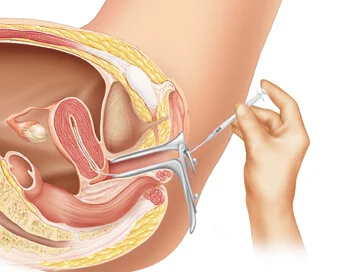
    illustration of intrauterine insemination procedure with a hand holding a speculum and syringe near the uterus

    Hormone Injections vs Natural Fertility Boosters: Which is Safer for You and Your Baby?

    One of the main concerns with hormone injections is the potential long-term effects on the mother and the baby. The synthetic hormones used in these injections can have a lasting impact on the body, and the long-term effects are still not fully understood. Some studies have also shown an increased risk of certain types of cancer in women who have undergone hormone injections. On the other hand, natural fertility boosters focus on nourishing the body and promoting overall health, which can have positive long-term effects on both the mother and the baby.

    Moreover, natural fertility boosters also have a positive impact on the emotional well-being of the couple. Dealing with infertility can be emotionally draining, and the stress and pressure of undergoing hormone injections can further exacerbate these feelings. Natural fertility boosters promote a more relaxed and holistic approach, which can help reduce stress and improve overall well-being.

    However, it is essential to note that not all natural fertility boosters are created equal. It is crucial to do thorough research and consult with a healthcare professional before incorporating any supplements or alternative therapies into your fertility journey. Some herbs and supplements may interact with medications or have adverse effects on certain medical conditions. Therefore, it is essential to approach natural fertility boosters with caution and under proper guidance.

    In conclusion, both hormone injections and natural fertility boosters have their pros and cons. While hormone injections have been proven to be effective in helping couples conceive, they also come with a range of potential risks and long-term effects. On the other hand, natural fertility boosters offer a safer and more holistic approach to improving fertility, but they may not be suitable for everyone. Ultimately, the decision between hormone injections and natural fertility boosters should be made after careful consideration and consultation with a healthcare professional.

    In summary, hormone injections and natural fertility boosters are two common methods used by couples struggling with infertility. While hormone injections have been proven to be effective, they come with potential risks and long-term effects. On the other hand, natural fertility boosters offer a safer and more holistic approach, but it is crucial to approach them with caution and under proper guidance. Ultimately, the decision between the two should be made after considering individual factors and consulting with a healthcare professional.

  • The Emotional Toll of Hormone Injections vs Natural Fertility Boosters

    Blog Post: The Emotional Toll of Hormone Injections vs Natural Fertility Boosters

    Infertility is a common struggle faced by many couples around the world. In fact, according to the World Health Organization, approximately 15% of couples experience infertility. For those who are trying to conceive, the journey can be emotionally taxing and physically exhausting. As a result, many couples turn to hormone injections and natural fertility boosters to help increase their chances of conception. However, these methods come with their own set of pros and cons, particularly when it comes to the emotional toll they can take. In this blog post, we will discuss the emotional aspects of hormone injections versus natural fertility boosters and help you make an informed decision.

    Hormone Injections: The Emotional Rollercoaster

    Hormone injections are a commonly used form of assisted reproductive technology (ART) to help women with fertility issues conceive. These injections work by stimulating the ovaries to produce more eggs, increasing the chances of fertilization. While they have been successful in helping many couples conceive, the process can be emotionally taxing.

    One of the biggest emotional challenges of hormone injections is the feeling of loss of control. Couples undergoing this treatment often feel like their fertility is now in the hands of medical professionals, and they have little control over the outcome. This can lead to feelings of anxiety, stress, and even depression. The constant monitoring and medical appointments can also disrupt daily life and add to the emotional burden.

    Another emotional aspect of hormone injections is the financial strain it can cause. These treatments can be expensive, and many couples have to make sacrifices to afford them. The pressure of spending a significant amount of money without a guarantee of success can be overwhelming and lead to feelings of guilt and disappointment.

    Furthermore, hormone injections can also cause physical side effects that can take a toll on one’s emotional well-being. These may include bloating, hot flashes, weight gain, and mood swings. These changes can be difficult to cope with, especially when trying to conceive, and can lead to feelings of frustration and sadness.

    Natural Fertility Boosters: A Gentler Approach

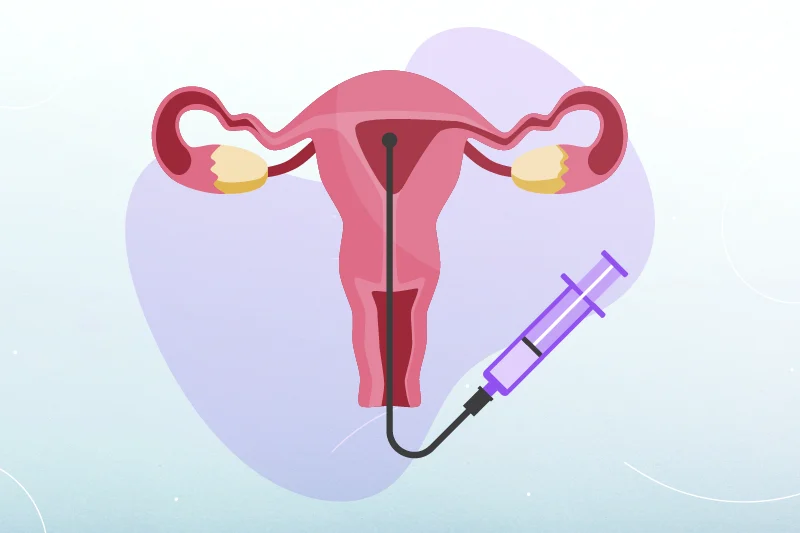
    Illustration of the uterus with a syringe, depicting the intrauterine insemination procedure.

    The Emotional Toll of Hormone Injections vs Natural Fertility Boosters

    On the other hand, natural fertility boosters are becoming increasingly popular among couples trying to conceive. These methods involve making lifestyle changes, such as eating a healthy diet, exercising regularly, and reducing stress. While they may not have the same success rates as hormone injections, they are believed to improve overall health and fertility in a gentler way.

    One of the most significant emotional benefits of natural fertility boosters is the feeling of empowerment. Unlike hormone injections, couples have more control over the process and can actively take steps to improve their fertility. This can give them a sense of hope and positivity, which can have a significant impact on their emotional well-being.

    Moreover, natural fertility boosters do not come with the same financial burden as hormone injections. Making lifestyle changes may require some investment, but it is relatively minimal compared to the cost of assisted reproductive technology. This can alleviate some of the financial stress and allow couples to focus on their emotional well-being.

    Additionally, natural fertility boosters do not have the same physical side effects as hormone injections. While it may take longer to see results, couples can maintain their normal routines and activities without the added burden of physical changes. This can also have a positive impact on their emotional state.

    The Importance of Emotional Support

    Both hormone injections and natural fertility boosters can take a toll on one’s emotional well-being, and it is crucial to have proper support throughout the journey. Seeking emotional support from a therapist, support group, or even friends and family can help couples cope with the emotional challenges and reduce stress and anxiety.

    Moreover, it is essential to communicate openly with your partner about your feelings and support each other through the process. This can help strengthen your relationship and provide a sense of unity during a difficult time.

    Summary:

    Infertility is a common struggle faced by many couples, and they often turn to hormone injections and natural fertility boosters to increase their chances of conception. While hormone injections have been successful in helping many couples conceive, they can be emotionally taxing due to the loss of control, financial strain, and physical side effects. On the other hand, natural fertility boosters offer a gentler approach and give couples a sense of empowerment and control. However, both methods can take a toll on one’s emotional well-being, and it is essential to seek emotional support and communicate openly with your partner throughout the process.

  • Fertility Clinic vs Meditation: Exploring Holistic Approaches

    Blog Post:

    Infertility affects millions of people worldwide, with approximately 1 in 8 couples experiencing difficulty in conceiving. This can be a devastating and emotionally draining experience for couples who are trying to start a family. In recent years, there has been a rise in the use of fertility clinics, which offer a range of medical treatments to help couples conceive. However, there is also a growing interest in holistic approaches, such as meditation, to address infertility. In this blog post, we will explore the differences between fertility clinics and meditation as well as the benefits of taking a more holistic approach to fertility.

    Fertility clinics are medical facilities that specialize in assisting couples with infertility issues. These clinics offer a range of treatments, including in vitro fertilization (IVF), intrauterine insemination (IUI), and fertility drugs. These treatments can be expensive and invasive, with no guarantee of success. While fertility clinics have helped many couples conceive, they may not be the best option for everyone. Some couples may prefer a more natural and holistic approach to address their fertility issues.

    Meditation, on the other hand, is a mind-body practice that has been used for centuries to promote relaxation, reduce stress, and improve overall well-being. It involves sitting in a comfortable position and focusing on one’s breath or a mantra to quiet the mind and achieve a state of deep relaxation. While meditation may not directly address fertility issues, it can have a positive impact on one’s physical and emotional health, which can, in turn, improve fertility.

    So, what are the benefits of choosing a more holistic approach to fertility? Let’s explore the potential benefits of meditation and how it differs from the medical treatments offered at fertility clinics.

    1. Reducing stress and anxiety

    Infertility can be a stressful and emotionally taxing experience for couples. The pressure to conceive and the constant disappointment every month can take a toll on one’s mental health. Studies have shown that high levels of stress and anxiety can affect fertility by disrupting hormone levels and ovulation. Meditation can be a powerful tool for managing stress and anxiety. By quieting the mind and promoting relaxation, meditation can help couples cope with the emotional strain of infertility and improve their overall well-being.

    2. Improving reproductive health

    Meditation has been linked to improved reproductive health in both men and women. For men, it can increase sperm count, motility, and quality. For women, regular meditation can regulate menstrual cycles, balance hormones, and improve ovarian function. By improving reproductive health, meditation can increase the chances of conception naturally.

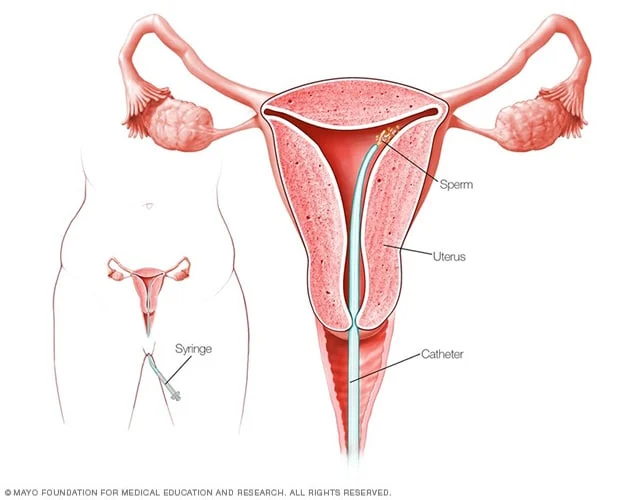
    diagram illustrating intrauterine insemination (IUI) procedure with uterus, sperm, and catheter labeled

    Fertility Clinic vs Meditation: Exploring Holistic Approaches

    3. Addressing underlying health issues

    Infertility can be caused by underlying health issues such as polycystic ovary syndrome (PCOS) or endometriosis. While fertility clinics may focus solely on treating the symptoms, a holistic approach, including meditation, can address the root cause of these issues. By reducing stress and promoting overall well-being, meditation can help regulate hormonal imbalances and improve reproductive health.

    4. Cost-effective option

    Fertility treatments can be expensive, with the cost of a single round of IVF averaging around $12,000. For many couples, this cost may be out of reach. On the other hand, meditation is a cost-effective option that can be done at home for little to no cost. By incorporating meditation into their daily routine, couples can save money while still addressing their fertility issues.

    5. Increased emotional well-being

    Dealing with infertility can take a toll on one’s emotional well-being. It can lead to feelings of sadness, anger, and isolation. Meditation can help couples cope with these emotions and improve their overall well-being. By focusing on the present moment and cultivating a sense of gratitude, meditation can bring a sense of peace and contentment to those struggling with fertility issues.

    While there are many potential benefits to choosing a more holistic approach to fertility, it’s important to note that meditation is not a substitute for medical treatment. In some cases, medical intervention may be necessary, especially for couples with underlying health issues. However, incorporating meditation into one’s fertility journey can have a positive impact on both physical and emotional well-being.

    In summary, fertility clinics and meditation offer two very different approaches to addressing infertility. While fertility clinics focus on medical treatments, meditation takes a holistic approach by promoting overall well-being and addressing the underlying causes of infertility. By reducing stress, improving reproductive health, and promoting emotional well-being, meditation can be a valuable tool for couples struggling with fertility issues.

    In conclusion, when it comes to infertility, there is no one-size-fits-all approach. Some couples may find success with medical treatments, while others may benefit from a more holistic approach. It’s important for couples to explore all their options and find the approach that works best for them. Whether it’s a fertility clinic or meditation, the ultimate goal is the same – to help couples achieve their dream of starting a family.

  • Sperm Donor vs Co-Parenting: A Look at the Impact on the Child’s Identity and Development

    Sperm Donor vs Co-Parenting: A Look at the Impact on the Child’s Identity and Development

    The concept of family has evolved greatly in recent years, with more and more people choosing alternative paths to parenthood. Among these options are sperm donation and co-parenting, both of which involve the contribution of sperm to conceive a child. However, these two methods have significant differences that can greatly impact the child’s identity and development. In this blog post, we will take a closer look at sperm donation and co-parenting, and discuss the potential effects on a child’s identity and development.

    Sperm Donation:

    Sperm donation is a process where a man donates his sperm to a woman who is not his partner, with the intention of helping her conceive a child. This method is often used by single women, same-sex couples, and infertile couples. The sperm is usually obtained through a sperm bank or through a known donor. In the case of a known donor, the donor and the recipient may have a prior relationship or may choose to have minimal contact after the donation.

    One potential effect of sperm donation on a child’s identity is the absence of a father figure. Many children who are conceived through sperm donation may never know the identity of their biological father, which can lead to feelings of curiosity, confusion, and even a sense of loss. This can also make it difficult for the child to establish a sense of identity and belonging, as they may feel like they are missing a part of themselves. Additionally, the lack of a father figure may also impact the child’s understanding of traditional family structures and relationships.

    Moreover, sperm donation can also have a significant impact on a child’s development. Research has shown that children conceived through sperm donation may have a higher risk of psychological and behavioral problems, such as anxiety, depression, and attention deficit hyperactivity disorder (ADHD). This could be due to the lack of a father figure in their life and the potential feelings of confusion and loss surrounding their conception. Additionally, children may also struggle with issues related to their genetic background and identity, as they may not have access to information about their biological father’s health history or cultural background.

    Co-Parenting:

    Co-parenting is a process where two individuals, who are not romantically involved, come together with the intention of raising a child together. This method allows for both parents to have an active role in the child’s life and share the responsibility of raising the child. Co-parenting can involve two individuals of the opposite sex or same-sex, and they may choose to conceive through artificial insemination or natural conception.

    Diagram illustrating the IUI process, showing sperm injection into the uterus and egg fertilization.

    Sperm Donor vs Co-Parenting: A Look at the Impact on the Child's Identity and Development

    One of the main differences between sperm donation and co-parenting is the involvement of both parents in the child’s life. In co-parenting, the child has the opportunity to have a relationship with both parents, which can provide a sense of security and stability. This can also allow the child to have a better understanding of their identity and cultural background, as they have access to information about both parents’ genetic history.

    Moreover, co-parenting can also have a positive impact on the child’s development. Research has shown that children raised in co-parenting arrangements have similar outcomes to those raised in traditional two-parent families. This is because co-parenting provides a supportive and nurturing environment for the child, with both parents actively involved in their upbringing. Additionally, having two parents involved in the child’s life can also provide a diverse range of perspectives and experiences, which can contribute to the child’s personal growth and development.

    Impact on the Child’s Identity and Development:

    The differences between sperm donation and co-parenting can have a significant impact on a child’s identity and development. While both methods involve the contribution of sperm to conceive a child, they have different implications for the child’s understanding of their identity and their relationship with their biological father.

    Sperm donation can leave a child with a sense of loss and confusion, as they may never know their biological father or have access to information about their genetic background. This can greatly impact their sense of identity and belonging, as well as their emotional well-being. On the other hand, co-parenting can provide a more stable and supportive environment for the child, with both parents actively involved in their upbringing. This can contribute to a better understanding of their identity and cultural background, as well as their emotional and psychological development.

    It is essential for parents considering sperm donation or co-parenting to carefully consider the potential impact on the child’s identity and development. Open communication, honesty, and a supportive environment are crucial in helping a child navigate these alternative paths to parenthood. Counseling and therapy may also be beneficial for the child to address any feelings of confusion or loss and to develop a strong sense of self.

    In conclusion, sperm donation and co-parenting are two alternative paths to parenthood that can have a significant impact on a child’s identity and development. While sperm donation may leave a child with a sense of loss and confusion, co-parenting provides a more stable and nurturing environment for the child to grow and develop. It is important for parents to carefully consider these implications before choosing a method of conception, and to prioritize the well-being and emotional needs of the child.

    Summary:

    In this blog post, we discussed the differences between sperm donation and co-parenting and their potential impact on a child’s identity and development. Sperm donation involves the contribution of sperm from a donor to help a woman conceive a child, while co-parenting involves two individuals raising a child together. Sperm donation can leave a child with a sense of loss and confusion, while co-parenting can provide a more stable and nurturing environment for the child. It is important for parents to carefully consider the implications of these methods before choosing a path to parenthood and prioritize the well-being of the child.

  • The Impact of Mental Health on Fertility: Tips for Maintaining Emotional Well-Being

    The Impact of Mental Health on Fertility: Tips for Maintaining Emotional Well-Being

    Fertility is a complex and sensitive topic for many couples and individuals. It is often associated with feelings of hope, excitement, and happiness, but can also bring about intense emotions such as disappointment, frustration, and even shame. It is no surprise then that mental health and fertility are closely intertwined. The stress and emotional toll of trying to conceive can have a significant impact on one’s mental well-being, and in turn, can affect their fertility. In this blog post, we will explore the connection between mental health and fertility and provide tips for maintaining emotional well-being during the journey towards parenthood.

    The Link Between Mental Health and Fertility

    Research has shown that there is a clear link between mental health and fertility. According to a study published in the journal Human Reproduction, women with high levels of stress and anxiety were 29% less likely to become pregnant through in vitro fertilization (IVF) compared to those with lower levels of stress. This is because stress can disrupt the hormonal balance in the body, making it more difficult to conceive. Moreover, depression and anxiety can also lead to unhealthy lifestyle habits such as smoking, excessive alcohol consumption, and poor diet, which can negatively impact fertility.

    On the other hand, fertility struggles can also take a toll on one’s mental health. The constant disappointment and pressure to conceive can cause feelings of anxiety, depression, and even isolation. Couples may also experience strain in their relationship as they navigate through the challenges of trying to conceive. The emotional rollercoaster of fertility treatments and the fear of not being able to have a child can also be overwhelming for individuals and couples.

    Tips for Maintaining Emotional Well-Being

    1. Seek Support

    One of the most important things to remember when dealing with fertility issues is that you are not alone. It is crucial to seek support from friends, family, or a therapist who can provide emotional support and understanding. Joining a support group can also be beneficial as it allows you to connect with others who are going through similar experiences. Sharing your feelings with others can help alleviate the emotional burden and provide a sense of comfort and validation.

    2. Practice Self-Care

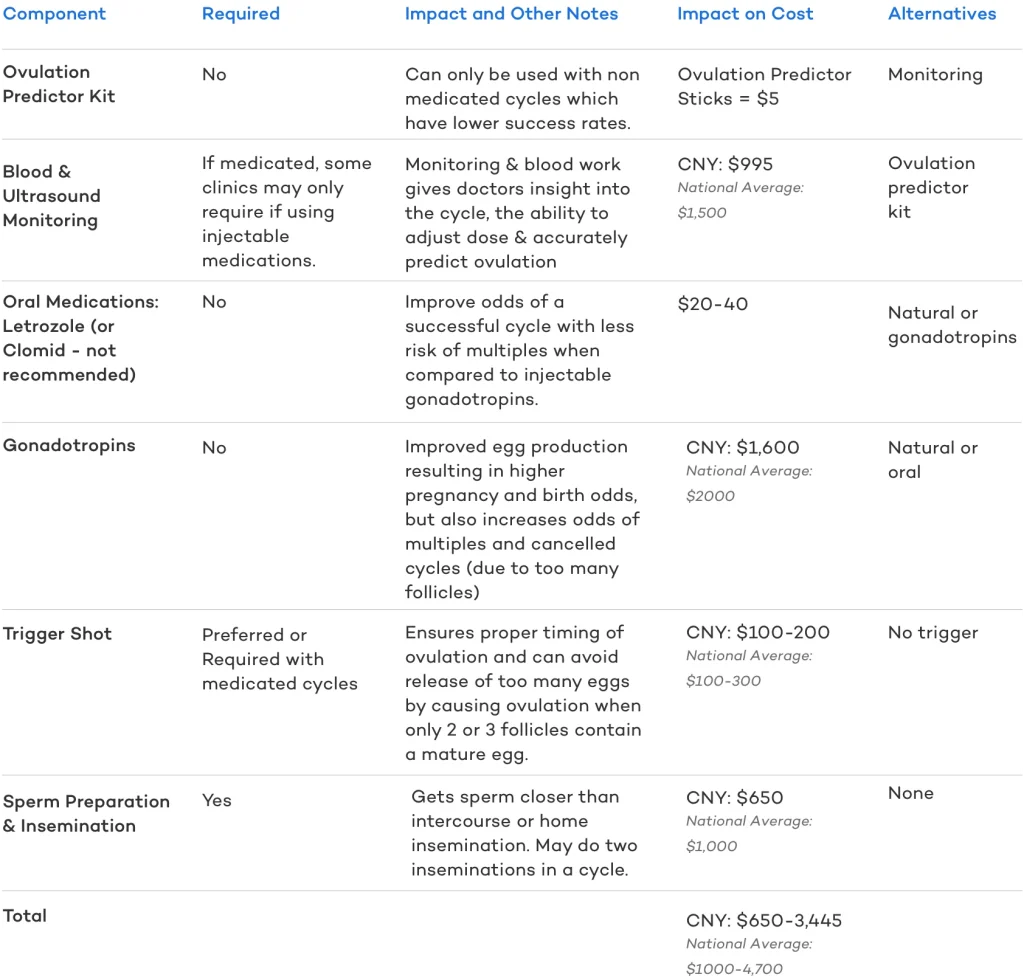
    Cost breakdown for IUI components, including requirements, impacts, and alternatives.

    The Impact of Mental Health on Fertility: Tips for Maintaining Emotional Well-Being

    Taking care of your physical and emotional well-being should be a priority during this journey. Make time for activities that bring you joy and help reduce stress, such as exercise, meditation, or hobbies. It is also essential to maintain a healthy diet and get enough rest. Self-care is not selfish; it is a necessary aspect of maintaining emotional well-being.

    3. Communicate with Your Partner

    The journey towards parenthood can be challenging, and it is crucial to have open and honest communication with your partner. Be understanding and patient with each other, and be sure to express your feelings and concerns. Together, you can support each other and find ways to cope with the challenges of fertility.

    4. Set Realistic Expectations

    It is natural to have high hopes and expectations when trying to conceive, but it is essential to be realistic. The process of fertility treatments can be unpredictable and may not always result in a successful pregnancy. It is essential to manage expectations and be prepared for setbacks, while also keeping a positive outlook.

    5. Seek Professional Help

    If you are struggling with your mental health, do not hesitate to seek professional help. A therapist or counselor can provide you with tools to cope with the emotional challenges of fertility and help you develop coping strategies. They can also assist in managing any underlying mental health issues that may be affecting your fertility.

    In conclusion, the link between mental health and fertility is a significant one, and it is crucial to take care of both aspects when trying to conceive. Seek support, practice self-care, communicate with your partner, set realistic expectations, and seek professional help if needed. Remember that your mental well-being is just as important as your physical health.

    Summary:

    Fertility can be a complex and emotional journey, and it is closely linked to mental health. Stress, anxiety, and depression can negatively impact fertility, while the struggles of trying to conceive can also take a toll on one’s mental well-being. To maintain emotional well-being during this journey, it is crucial to seek support, practice self-care, communicate with your partner, set realistic expectations, and seek professional help if needed.

  • Natural Conception vs Assisted Reproduction: A Personal Journey and Reflection

    Blog post:

    Natural Conception vs Assisted Reproduction: A Personal Journey and Reflection

    Becoming a parent is a dream for many people. The idea of creating a new life and watching it grow and thrive is a deeply human desire. However, for some individuals or couples, the journey to parenthood may not be as straightforward as they had hoped. This is where the topic of natural conception vs assisted reproduction comes into play. In this blog post, I will share my personal journey and reflections on this topic, hoping to shed light on the emotional, physical, and ethical aspects of both methods of conception.

    My husband and I had been trying to conceive for over a year with no success. As each month went by, we became more and more frustrated and worried. We decided to seek medical advice, and after a series of tests, we were told that we had unexplained infertility. This diagnosis left us feeling confused, helpless, and heartbroken. We had always imagined starting a family naturally, and the idea of assisted reproduction was daunting to us.

    We began to research and explore our options, and we soon learned that there are several methods of assisted reproduction, including in vitro fertilization (IVF), intrauterine insemination (IUI), and donor conception. Each method comes with its own set of pros and cons, and we were overwhelmed with the information we were presented with. We also had to consider the financial aspect of these treatments, as they can be quite costly.

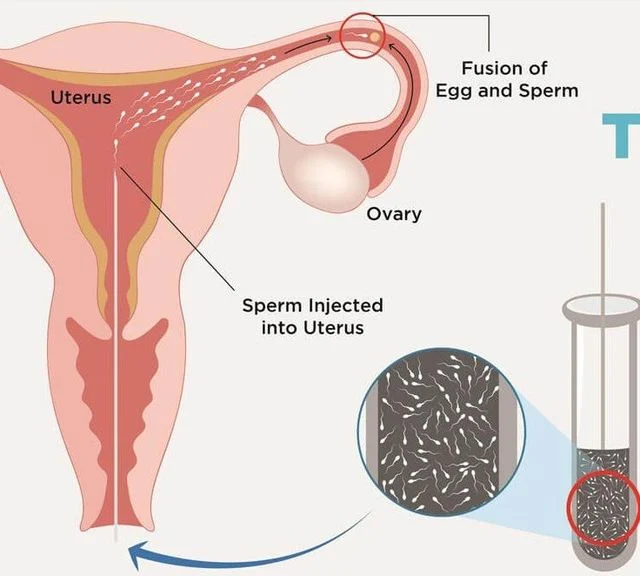
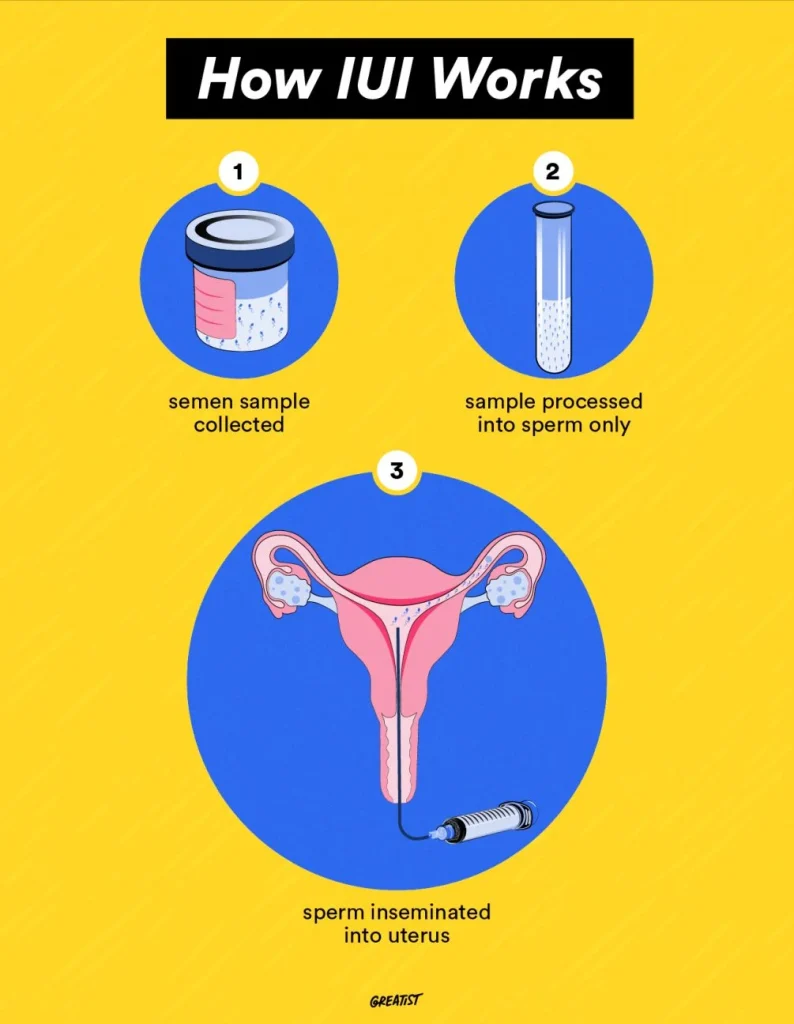
    After much contemplation and discussions with our doctor, we decided to try IUI. This method involves placing washed and concentrated sperm directly into the uterus, increasing the chances of fertilization. It was less invasive and less expensive than IVF, and we were hopeful that it would work for us. However, after several unsuccessful attempts, we were left feeling defeated and disappointed. We were emotionally and physically drained, and our relationship was also being tested.

    illustration explaining the steps of intrauterine insemination (IUI) process on a bright yellow background

    Natural Conception vs Assisted Reproduction: A Personal Journey and Reflection

    It was then that we decided to take a break from assisted reproduction and focus on our mental and emotional well-being. We also looked into alternative methods such as acupuncture and herbal supplements, hoping that they would increase our chances of conceiving naturally. We were determined to exhaust all options before considering IVF, which seemed like a last resort to us.

    During this time, we also reflected on the ethical aspects of assisted reproduction. We had to consider the use of fertility drugs and the risk of multiple pregnancies, as well as the possibility of having leftover embryos. We also thought about the potential impact on the child, as they may not have a genetic connection to one or both of us. These were difficult conversations, but we knew we had to address them before moving forward with any treatment.

    After a year of trying alternative methods, we finally received the news we had been longing for – we were pregnant. It was a surreal and joyous moment, and we were grateful for every step of our journey, including the struggles and setbacks. Looking back, I realize that our journey to parenthood was not just about the end goal of having a child, but also about the personal growth and strength we gained along the way.

    Reflecting on our experience, I have come to appreciate both natural conception and assisted reproduction. Natural conception is a beautiful and miraculous process, and I am in awe of those who are able to conceive without any assistance. However, I also understand the desire for individuals and couples to seek help in fulfilling their dream of parenthood. Assisted reproduction offers hope and possibilities for those who may not be able to conceive naturally, and it should not be stigmatized or judged.

    In conclusion, the journey to parenthood is a personal and unique one for each individual or couple. It is a journey filled with highs and lows, and it is important to consider all options and make informed decisions that are best for you and your family. Whether it be through natural conception or assisted reproduction, the end goal of creating a loving and nurturing environment for a child remains the same.

    Summary:

    In this blog post, the author shares their personal journey and reflections on the topic of natural conception vs assisted reproduction. After struggling with unexplained infertility, they explore the different methods of assisted reproduction and share their experiences with IUI. They also discuss the emotional, physical, and ethical aspects of both natural and assisted conception and the importance of mental and emotional well-being during the journey to parenthood. After trying alternative methods and addressing ethical concerns, the author and their partner finally conceive naturally and reflect on the growth and strength gained throughout their journey.