Tag: Cost

  • The Price of Parenthood: Navigating the Costs of Fertility Treatments and Adoption

    Blog Post:

    Parenthood is a dream for many people, but for some, it may come with a hefty price tag. Fertility treatments and adoption can be expensive options for those wanting to start a family, and navigating the costs can be overwhelming. In this blog post, we will explore the various factors that contribute to the price of parenthood and how to financially prepare for these options.

    The Cost of Fertility Treatments:

    According to the American Society for Reproductive Medicine, the average cost of a single IVF (In Vitro Fertilization) cycle is around $12,000. However, this cost can vary greatly depending on individual circumstances. Additional factors such as medication, genetic testing, and frozen embryo transfers can significantly increase the overall cost of fertility treatments.

    One of the main reasons for the high cost of fertility treatments is that they are not usually covered by insurance. Most insurance companies consider fertility treatments as an elective procedure and therefore do not provide coverage. This leaves individuals and couples to bear the full financial burden.

    Another factor that contributes to the high cost of fertility treatments is the need for multiple cycles. According to the Centers for Disease Control and Prevention, the success rate for IVF is around 30% for women under 35. This means that many individuals and couples may need to go through multiple cycles, increasing the overall cost.

    Ways to Manage the Cost of Fertility Treatments:

    1. Research and Compare: It is essential to research and compare different fertility clinics to find the best possible price. Some clinics may offer discounted rates or financing options that can help reduce the cost.

    2. Utilize Insurance Benefits: While most insurance companies do not cover fertility treatments, some may provide coverage for specific procedures or medications. It is crucial to understand your insurance benefits and utilize them to the fullest.

    3. Consider Shared Risk Programs: Some fertility clinics offer shared risk programs where a portion of the cost is refunded if the treatment is unsuccessful. This can be a beneficial option for those who may need multiple cycles.

    4. Look into Grants and Financial Assistance: There are various grants and financial assistance programs available for those struggling with the cost of fertility treatments. Doing thorough research and applying for these programs can help alleviate some of the financial burden.

    The Cost of Adoption:

    Adoption is another option for those looking to start a family, but it can also come with a significant price tag. The cost of adoption can range from $0 to $50,000, depending on the type of adoption and individual circumstances.
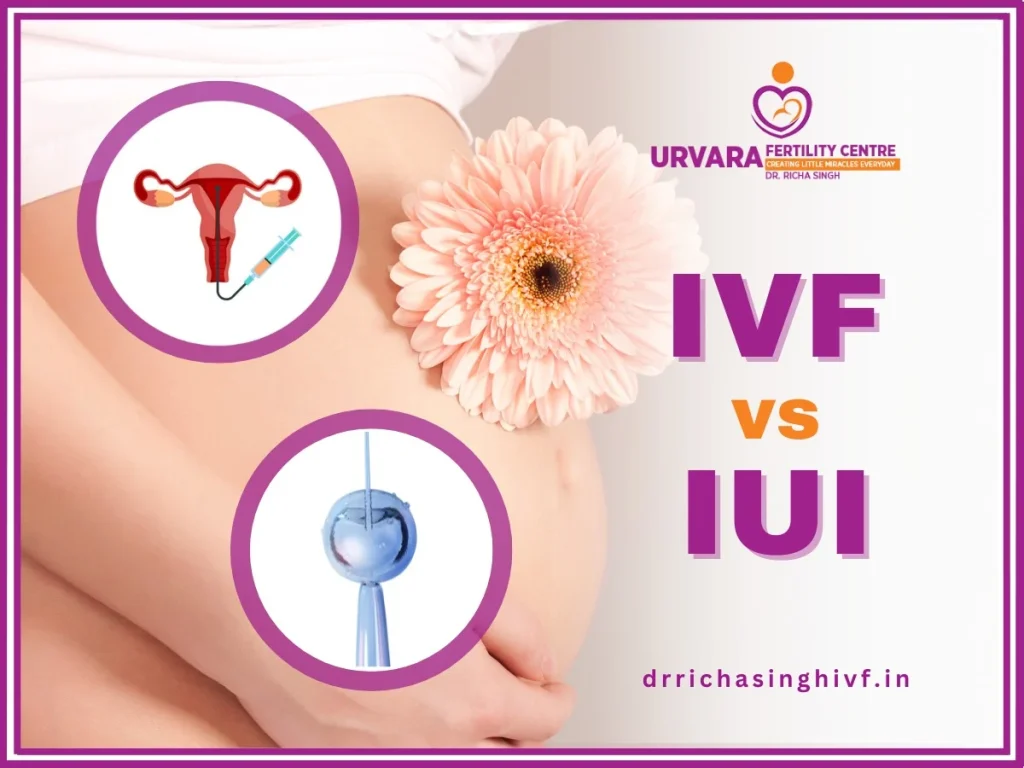
    IVF vs IUI comparison with illustrations of reproductive processes and a flower on a pregnant belly.

    The Price of Parenthood: Navigating the Costs of Fertility Treatments and Adoption

    The most affordable option for adoption is through the foster care system, where most of the costs are covered by the state. However, this option may not be suitable for everyone as it comes with its own set of challenges and uncertainties.

    Private domestic adoption, where a child is placed directly with the adoptive family, can cost between $20,000 to $40,000. This cost includes legal fees, agency fees, and birth mother expenses.

    International adoptions can be even more expensive, with costs ranging from $25,000 to $50,000. This high cost is due to travel expenses, legal fees, and international program fees.

    Ways to Manage the Cost of Adoption:

    1. Explore Different Types of Adoption: It is essential to consider different types of adoption and their associated costs. While international and private domestic adoptions may come with a higher price tag, foster care adoption can be a more affordable option.

    2. Look into Tax Credits and Benefits: The federal government provides a tax credit of up to $14,300 for adoption-related expenses. This can significantly help reduce the overall cost of adoption.

    3. Research Adoption Grants and Loans: There are various organizations and foundations that offer grants and loans for adoptions. These can help alleviate some of the financial burden and make adoption more attainable for families.

    4. Consider Fundraising: Many families turn to fundraising to help cover the costs of adoption. This can include events, selling products, or crowdfunding campaigns. It is essential to research and follow any legal guidelines before starting a fundraising campaign.

    The Emotional Cost of Parenthood:

    While the financial cost of parenthood is significant, the emotional cost should not be overlooked. Fertility treatments and adoption can be emotionally taxing, and the journey can be full of ups and downs. It is essential to prioritize self-care and seek support from loved ones or a therapist during this process.

    In conclusion, the price of parenthood can be a significant obstacle for many individuals and couples. It is essential to thoroughly research and understand the costs associated with fertility treatments and adoption. With proper planning and utilizing resources available, starting a family can be more attainable despite the high costs.

    Summary:

    Parenthood is a dream for many, but the cost of fertility treatments and adoption can be a significant barrier. Fertility treatments can cost around $12,000 per cycle, and adoption can range from $0 to $50,000. The lack of insurance coverage and the need for multiple cycles contribute to the high costs. However, there are ways to manage these expenses, such as researching and comparing different options, utilizing insurance benefits, and looking into grants and financial assistance. It is also essential to consider the emotional cost of parenthood and prioritize self-care during this process.
  • and Trying to Conceive: The High Cost of Fertility Treatments

    Trying to conceive, or the process of attempting to become pregnant, can be an emotional and often expensive journey for many couples. While some may have success through natural means, others face difficulties and may turn to fertility treatments in hopes of starting a family. However, these treatments come with a high price tag, both financially and emotionally. In this blog post, we will explore the various fertility treatments available, their costs, and the emotional toll they can take on individuals and couples.

    The first step in this journey is often seeking medical advice and fertility testing. This can include blood work, ultrasounds, and semen analysis, which can cost hundreds to thousands of dollars. These initial tests can help determine the cause of infertility and guide the treatment plan.

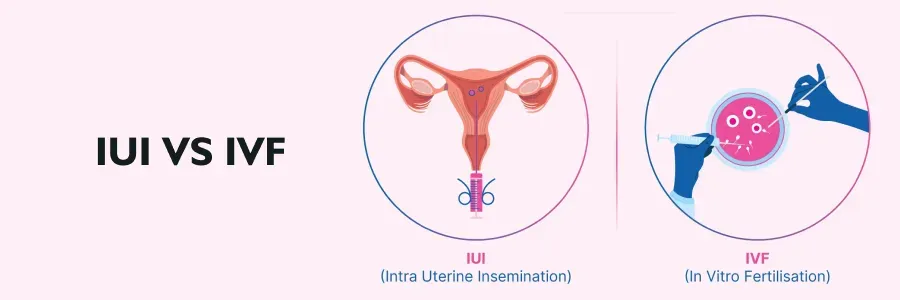
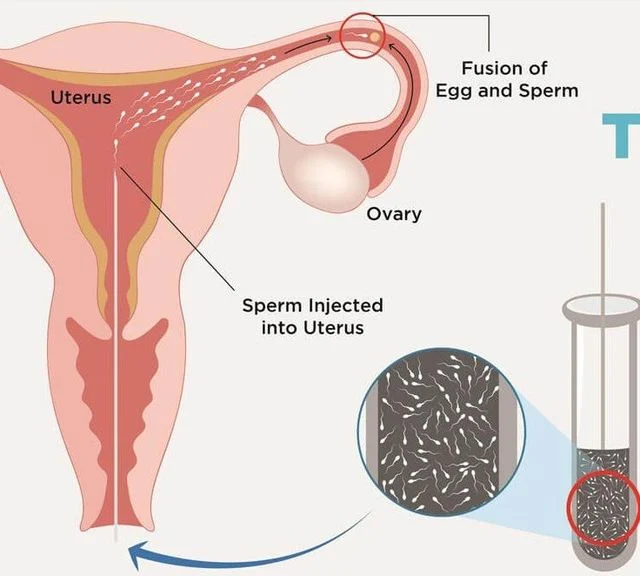
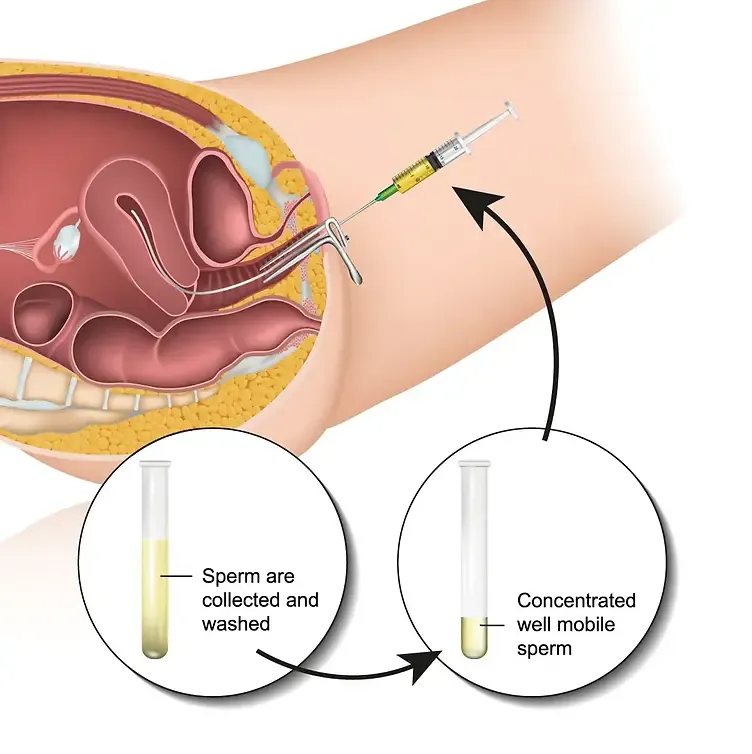
    One of the most common fertility treatments is intrauterine insemination (IUI), also known as artificial insemination. This procedure involves placing sperm directly into the uterus during ovulation to increase the chances of fertilization. The cost of IUI can range from $300 to $1000 per cycle, and multiple cycles may be necessary for success.

    In vitro fertilization (IVF) is another popular option for couples struggling to conceive. It involves retrieving eggs from the ovaries and fertilizing them with sperm in a laboratory. The resulting embryos are then implanted into the uterus. IVF can cost upwards of $12,000 per cycle, not including the cost of medications and additional procedures such as genetic testing. Many couples may require multiple cycles to achieve a successful pregnancy, making the cost even higher.

    Other assisted reproductive technologies, such as intracytoplasmic sperm injection (ICSI) and frozen embryo transfer (FET), can also add to the overall cost of fertility treatments. ICSI is often used in conjunction with IVF and involves injecting a single sperm directly into an egg. FET is the process of thawing and transferring previously frozen embryos into the uterus. These procedures can add thousands of dollars to the already expensive IVF process.

    Diagram illustrating the IUI process, showing sperm injection into the uterus and egg fertilization.

    and Trying to Conceive: The High Cost of Fertility Treatments

    The high cost of fertility treatments can take a toll not only on a couple’s finances but also on their emotional well-being. The constant cycle of hope and disappointment, along with the financial strain, can be overwhelming. Many couples may turn to loans, credit cards, or even personal savings to cover the costs, adding to their stress and anxiety.

    In addition to the financial burden, fertility treatments can also have physical side effects. Hormone injections and medications can cause mood swings, weight gain, and other uncomfortable symptoms. The invasive procedures and constant doctor visits can also be physically taxing, adding to the emotional toll.

    Moreover, the emotional aspect of fertility treatments cannot be overlooked. Couples may experience feelings of failure, guilt, and shame as they struggle to conceive. The pressure to have a child can strain relationships and cause tension between partners. The emotional toll of fertility treatments can be just as challenging as the financial burden, and it is essential for couples to prioritize their mental and emotional health during this process.

    For those who cannot afford the high cost of fertility treatments, there are some options available, such as fertility grants and financing programs. However, these options may be limited, and the application process can be competitive and time-consuming.

    In conclusion, trying to conceive through fertility treatments can be a challenging and expensive journey. The costs of various treatments, along with the emotional toll, can be overwhelming for couples. It is crucial for individuals and couples to carefully consider their options and prioritize their physical and emotional well-being during this process. While the road to starting a family may not be easy, the end result of a successful pregnancy and a new bundle of joy can make all the sacrifices and struggles worth it.

    Summary:
    Trying to conceive through fertility treatments can be a difficult and expensive journey. The first step usually involves expensive medical testing to determine the cause of infertility. Intrauterine insemination (IUI) and in vitro fertilization (IVF) are two common treatments, both with high costs and the potential need for multiple cycles. Other assisted reproductive technologies can also add to the overall cost. The financial burden, along with the physical and emotional toll, can be overwhelming for couples. While there are some options available for financial assistance, it is essential for couples to prioritize their mental and emotional well-being during this process.

  • Breaking Down the Costs: Intrauterine Insemination vs Sperm Washing

    Summary:

    Intrauterine insemination (IUI) and sperm washing are two common methods used for fertility treatments, but many people are not familiar with the differences and costs associated with each option. In this blog post, we will break down the costs of IUI and sperm washing, and explain the differences between the two procedures.

    Firstly, it is important to note that both IUI and sperm washing involve the use of donated sperm and are typically used for individuals or couples with fertility issues. However, the procedures and costs can vary significantly.

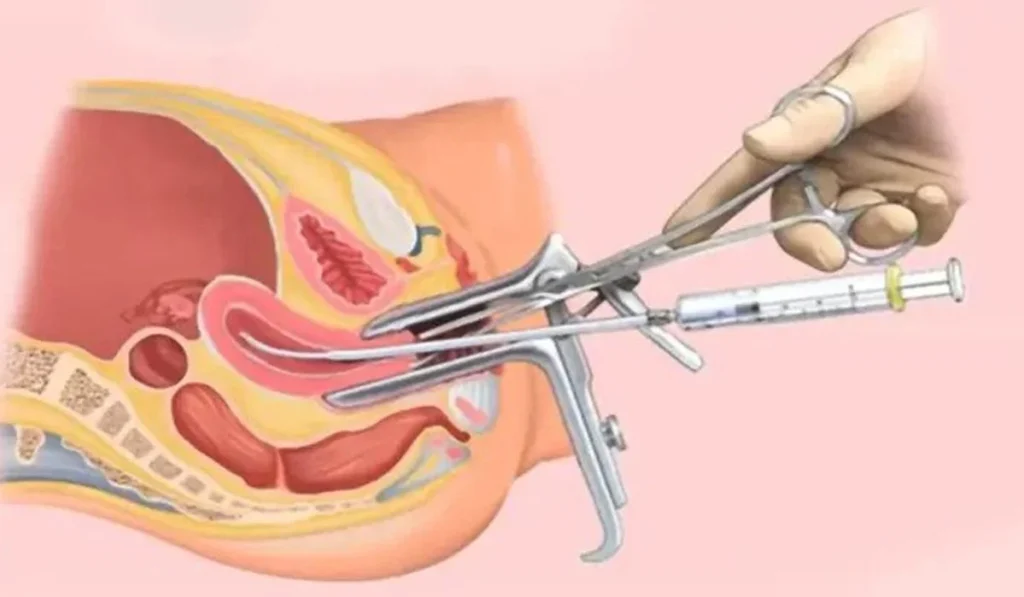
    IUI, also known as artificial insemination, involves placing washed sperm directly into the uterus near the time of ovulation. The cost of IUI can range from $300 to $1000 per cycle, depending on factors such as location and clinic fees. This cost does not include the price of sperm, which can range from $500 to $1000 per vial. Additionally, multiple cycles may be needed for successful pregnancy, leading to further expenses.

    Illustration of intrauterine insemination process, showing sperm collection and injection into the uterus.

    Breaking Down the Costs: Intrauterine Insemination vs Sperm Washing

    On the other hand, sperm washing is a more complex procedure that involves separating healthy sperm from semen, removing any harmful substances, and preserving the sperm for use in assisted reproduction. This is typically used for individuals with fertility issues or those who are using a surrogate. The cost of sperm washing can range from $1000 to $3000 per cycle, which includes the price of sperm and the procedure itself.

    One of the major differences between IUI and sperm washing is the success rates. IUI has a success rate of around 10-20% per cycle, while sperm washing has a higher success rate of 15-20% per cycle. This is due to the fact that sperm washing involves a more thorough screening process, ensuring that only healthy and viable sperm are used for fertilization.

    Another factor to consider is the timing of the procedures. IUI can be performed on a monthly basis, whereas sperm washing may require more time and planning. This is because the sperm washing process can take up to a week to complete, and the timing must be coordinated with the woman’s ovulation cycle.

    Lastly, it is important to note that both IUI and sperm washing may not be covered by insurance. While some insurance plans may cover a portion of the costs, it is important to check with your insurance provider to understand your coverage.

    In conclusion, while IUI may initially seem like a more affordable option, the costs can add up with multiple cycles and the price of sperm. Sperm washing may have a higher upfront cost, but it also has a higher success rate and may be a better option for individuals with fertility issues. It is important to discuss these options with your doctor and weigh the costs and success rates to determine which procedure is right for you.

  • The Cost Factor: Intrauterine Insemination vs Sperm Washing

    Blog Post Title: The Cost Factor: Intrauterine Insemination vs Sperm Washing

    In the world of assisted reproductive technology, there are many options available to couples struggling with infertility. Two common procedures are intrauterine insemination (IUI) and sperm washing, both of which involve the use of sperm to fertilize an egg. However, these procedures differ greatly in terms of cost. In this blog post, we will explore the cost factor of IUI vs sperm washing and help you understand which option may be more suitable for your situation.

    What is Intrauterine Insemination (IUI)?

    Intrauterine insemination, also known as artificial insemination, is a procedure in which prepared sperm is inserted directly into the uterus during the woman’s ovulation period. This increases the chances of fertilization by placing the sperm closer to the egg. IUI is typically recommended for couples with mild fertility issues or single women using donor sperm.

    The Cost of IUI

    The cost of IUI varies depending on factors such as location, the clinic you choose, and any additional treatments you may require. On average, IUI can cost anywhere from $300 to $1000 per cycle. This includes the cost of sperm preparation, the procedure itself, and any necessary ultrasounds or blood tests.

    Additional costs that may arise during an IUI procedure include fertility drugs, which can cost up to $1000 per cycle, and sperm donor fees if you are using donor sperm. These expenses can add up quickly, making IUI a costly option for some couples.

    What is Sperm Washing?

    Sperm washing is a procedure that involves separating healthy sperm from the semen sample. This process is done to remove any impurities or dead sperm, increasing the chances of fertilization. The washed sperm is then used for insemination, either through IUI or in vitro fertilization (IVF).

    The Cost of Sperm Washing

    The cost of sperm washing can also vary depending on location and clinic. On average, sperm washing can cost anywhere from $100 to $1000 per cycle. This cost includes the sperm washing procedure, as well as the use of washed sperm for IUI or IVF.

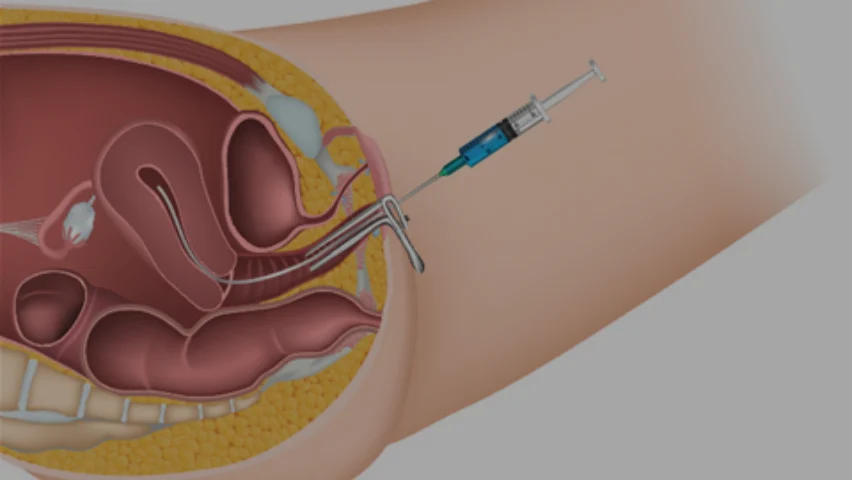
    Illustration of intrauterine insemination (IUI) procedure with syringe and catheter in the uterus.

    The Cost Factor: Intrauterine Insemination vs Sperm Washing

    Unlike IUI, sperm washing does not require fertility drugs, making it a more cost-effective option for couples who do not need additional treatments. However, if sperm washing is being done in conjunction with IVF, the overall cost will be higher.

    Which Option is More Cost-Effective?

    Both IUI and sperm washing have their pros and cons when it comes to cost. IUI may seem like a more affordable option at first, but when factoring in the cost of fertility drugs and other expenses, the overall cost can quickly add up. On the other hand, sperm washing may seem more expensive, but it does not require fertility drugs, which can significantly reduce the cost.

    In some cases, the decision between IUI and sperm washing may come down to the specific fertility issues of the couple. For example, if the male partner has a low sperm count, sperm washing may be the only option for successful conception.

    It’s important to also consider the success rates of each procedure. IUI has a success rate of 10-20% per cycle, while sperm washing has a slightly higher success rate of 15-25% per cycle. This may also factor into the cost-effectiveness of each option.

    Other Factors to Consider

    Aside from the cost, there are other factors to consider when deciding between IUI and sperm washing. For some couples, IUI may be the preferred option as it is less invasive and can be done in the comfort of a doctor’s office. On the other hand, sperm washing may be the better choice for couples with more severe fertility issues or those who have been unsuccessful with IUI in the past.

    It’s essential to discuss all options with your doctor and consider your personal situation when making a decision. It’s also important to keep in mind that both procedures may require multiple cycles before achieving a successful pregnancy, which can further increase the overall cost.

    In Conclusion

    Intrauterine insemination and sperm washing are both viable options for couples struggling with fertility issues. However, when it comes to cost, sperm washing may be the more cost-effective option due to the elimination of fertility drugs. It’s crucial to weigh the pros and cons of each procedure and consult with a fertility specialist to determine which option is best for you.

    Summary:

    Intrauterine insemination (IUI) and sperm washing are common assisted reproductive technology procedures used to help couples struggling with infertility. While both procedures involve the use of sperm, they differ greatly in terms of cost. IUI can cost anywhere from $300 to $1000 per cycle, while sperm washing can cost anywhere from $100 to $1000 per cycle. However, sperm washing does not require fertility drugs, making it a more cost-effective option for some couples. Factors such as success rates and personal preferences should also be considered when making a decision between IUI and sperm washing.

  • Breaking Down the Differences: Intrauterine Insemination vs Sperm Washing

    Breaking Down the Differences: Intrauterine Insemination vs Sperm Washing

    When it comes to assisted reproductive technology, there are several options available for couples struggling with infertility. Two of the most commonly used methods are intrauterine insemination (IUI) and sperm washing. While both methods involve the use of sperm to increase the chances of pregnancy, they have distinct differences in terms of procedure, cost, success rates, and other factors. In this blog post, we will take a closer look at each method and break down their differences to help you make an informed decision about which one may be right for you.

    What is Intrauterine Insemination (IUI)?

    Intrauterine insemination, also known as artificial insemination, is a medical procedure in which sperm is placed directly into a woman’s uterus to increase the chances of fertilization. The procedure is typically done when a woman is ovulating and involves a thin, flexible tube called a catheter, which is used to inject the sperm through the cervix and into the uterus.

    What is Sperm Washing?

    Sperm washing is a laboratory process in which sperm is separated from the semen and prepared for use in assisted reproductive techniques. This method is usually recommended for couples where the male partner is HIV positive or has a genetic disease that could be passed on to the offspring. Sperm washing involves several steps, including diluting the semen, spinning it in a centrifuge, and separating the sperm from the other components. The resulting sperm is then used for intrauterine insemination, in vitro fertilization (IVF), or other assisted reproductive techniques.

    Procedure Differences

    One of the main differences between IUI and sperm washing is the procedure itself. While IUI involves placing sperm directly into the uterus, sperm washing is a laboratory process that prepares the sperm for use in assisted reproductive techniques. IUI is a relatively quick and straightforward procedure that can be done in a doctor’s office, while sperm washing is a more complex process that requires specialized equipment and skills.

    Cost Differences

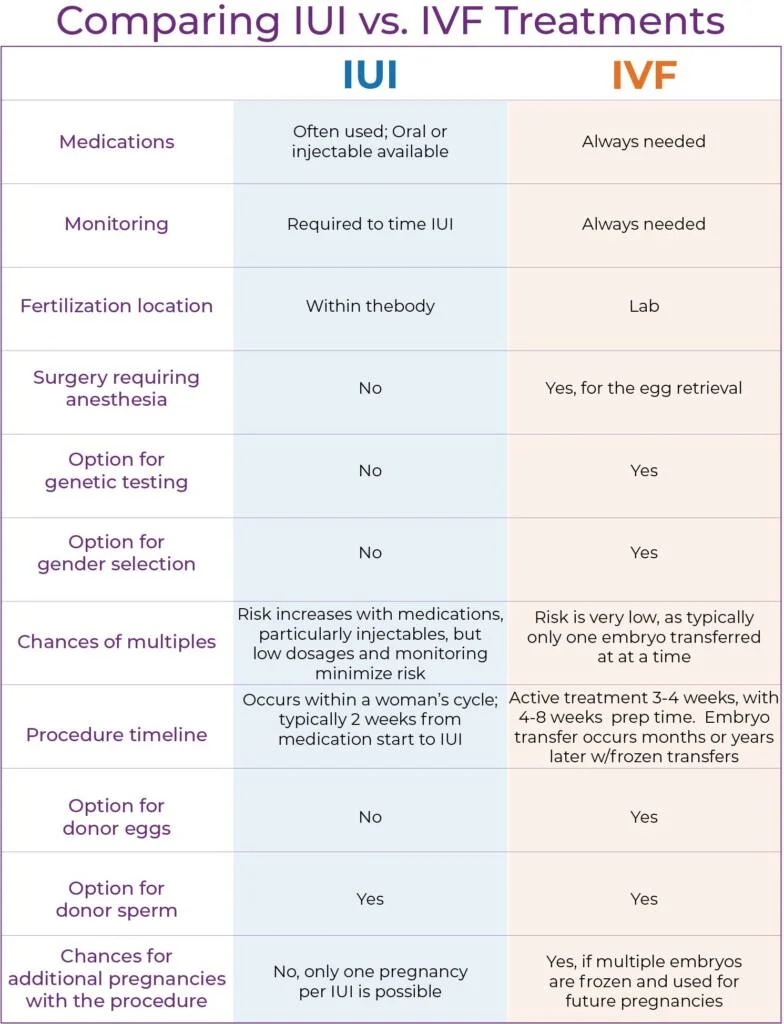
    Comparison chart of IUI and IVF treatments, detailing medications, monitoring, procedures, and success rates.

    Breaking Down the Differences: Intrauterine Insemination vs Sperm Washing

    In terms of cost, IUI is generally more affordable than sperm washing. The average cost of IUI ranges from $300 to $1000 per cycle, while sperm washing can cost anywhere from $500 to $2500 per cycle. The cost of sperm washing may be higher due to the additional laboratory procedures involved.

    Success Rates

    Success rates are another important factor to consider when comparing IUI and sperm washing. Both methods have varying success rates, depending on factors such as age, overall health, and the underlying cause of infertility. According to the American Pregnancy Association, the success rate for IUI ranges from 10% to 20% per cycle, while the success rate for sperm washing is slightly higher at 20% to 25% per cycle. It is important to note that these rates may vary depending on individual circumstances and should be discussed with a fertility specialist.

    Risks and Side Effects

    As with any medical procedure, there are potential risks and side effects associated with IUI and sperm washing. IUI carries a minimal risk of infection or discomfort during the procedure, while sperm washing may have a higher risk of infection due to handling of the semen. Both methods may also cause mild side effects such as cramping or spotting, which should subside within a few days.

    When to Consider IUI or Sperm Washing

    IUI is often recommended for couples who have been trying to conceive for a year or more without success, or for those with mild cases of male factor infertility. It may also be used for women with ovulation issues or cervical problems that affect sperm motility. On the other hand, sperm washing is usually recommended for couples where the male partner is HIV positive or has a genetic condition that could be passed on to the offspring. It may also be used for couples who have failed previous fertility treatments or for women with blocked fallopian tubes.

    In conclusion, both intrauterine insemination and sperm washing are effective methods for increasing the chances of pregnancy in couples struggling with infertility. However, they differ in terms of procedure, cost, success rates, and other factors. It is important to consult with a fertility specialist to determine which method may be right for you based on your individual circumstances. With the right treatment plan, many couples are able to overcome infertility and fulfill their dreams of starting a family.

    Summary:

    Intrauterine insemination (IUI) and sperm washing are two commonly used methods of assisted reproductive technology for couples struggling with infertility. IUI involves placing sperm directly into the uterus, while sperm washing is a laboratory process that prepares the sperm for use in assisted reproductive techniques. IUI is more affordable and has a lower success rate compared to sperm washing, which is a more complex and expensive procedure with a slightly higher success rate. Both methods have potential risks and side effects, and the decision on which one to use should be based on individual circumstances. Consulting with a fertility specialist is crucial in determining the best treatment option for achieving pregnancy.

  • The Financial Aspect of Fertility Preservation: Is It Worth It?

    Blog Post Title: The Financial Aspect of Fertility Preservation: Is It Worth It?

    Summary:

    Fertility preservation, also known as egg freezing or embryo freezing, has become a popular option for women who want to delay childbearing for various reasons. However, one major concern surrounding this procedure is its cost. The process of fertility preservation can be expensive, with costs ranging from $10,000 to $15,000, plus additional fees for medications and storage. This begs the question: Is fertility preservation worth the financial investment?

    In this blog post, we will delve into the financial aspect of fertility preservation and explore whether it is a wise decision for women to pursue this option.

    The Cost of Fertility Preservation

    As mentioned, the cost of fertility preservation can range from $10,000 to $15,000, with additional expenses for medications and storage. This can be a significant amount for many women, especially considering that it is not covered by insurance in most cases.

    The initial cost includes the retrieval of eggs or embryos, which involves several appointments and procedures, such as ultrasounds, egg retrieval, and anesthesia. The medications needed to stimulate egg production can also add up, with some costing thousands of dollars.

    Apart from the initial cost, there are also ongoing expenses for storage. The average cost for storage is around $500 to $1,000 per year, and it is recommended to store eggs or embryos for at least 10 years. This means that the total cost of fertility preservation can easily reach $20,000 or more.

    Factors to Consider

    When deciding whether fertility preservation is worth the cost, there are several factors to consider.

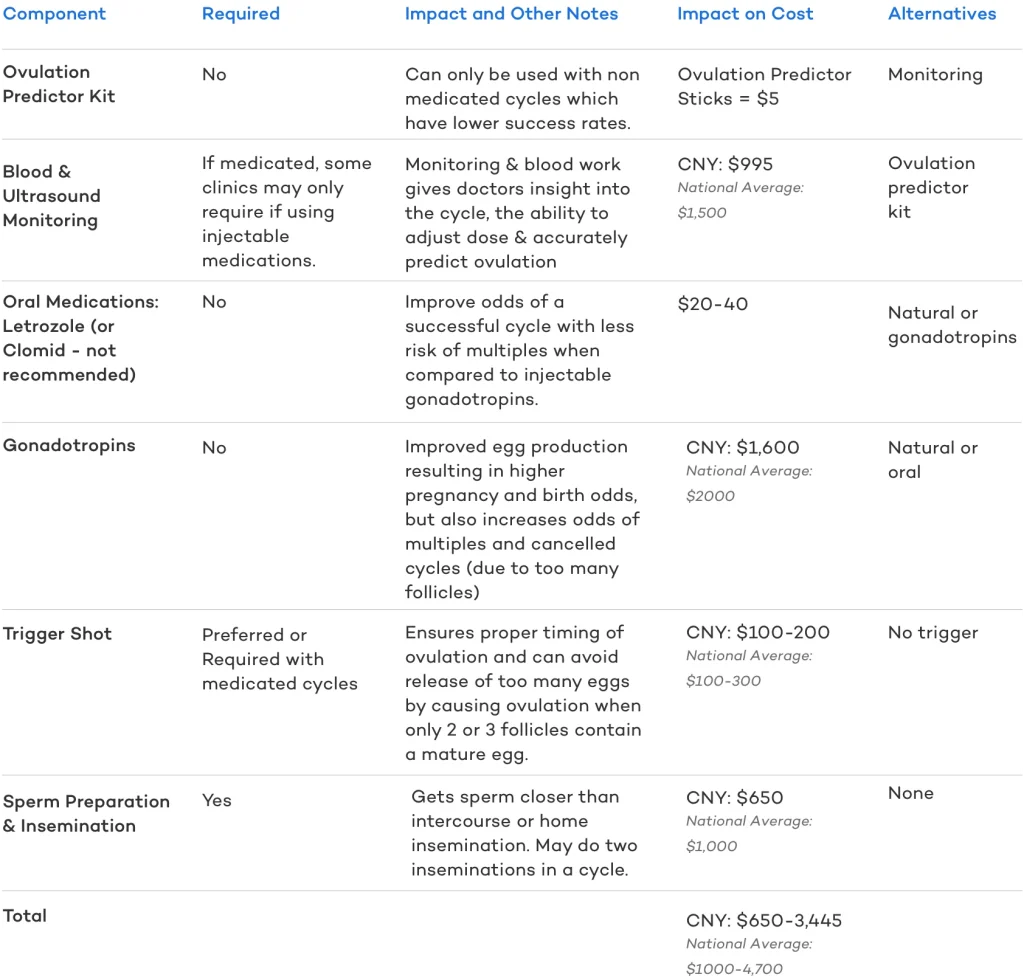
    Cost breakdown for IUI components, including requirements, impacts, and alternatives.

    The Financial Aspect of Fertility Preservation: Is It Worth It?

    Age is a crucial factor in fertility preservation. The success rates for egg freezing are higher for women under 35 years old, with a 30-40% chance of a live birth from a single egg retrieval. As a woman gets older, the success rates decrease, making it less likely to result in a successful pregnancy.

    Another factor to consider is the reason for pursuing fertility preservation. For some women, it may be due to medical reasons, such as undergoing cancer treatment that may affect fertility. In these cases, fertility preservation may be seen as a necessary expense. However, for women who are simply delaying childbearing for personal or career reasons, the cost may be more debatable.

    The Cost of Pregnancy and Childbirth

    It is also essential to consider the cost of pregnancy and childbirth when weighing the financial aspect of fertility preservation. The average cost of giving birth in the United States is around $10,000 to $15,000, and this does not include prenatal care and other related expenses. This means that by delaying pregnancy, a woman may end up spending more on fertility preservation but save on the cost of pregnancy and childbirth.

    Furthermore, there is also the emotional and physical toll of fertility treatments and pregnancy. For some women, the cost of fertility preservation may be worth it if it means avoiding the potential risks and complications of pregnancy.

    Other Options for Fertility Preservation

    Aside from egg or embryo freezing, there are other options for fertility preservation, such as ovarian tissue freezing and hormone suppression. These options may be less expensive, but they also have lower success rates and may not be suitable for all women. It is essential to discuss all the available options with a fertility specialist to determine the best course of action.

    The Value of Peace of Mind

    Lastly, it is essential to consider the value of peace of mind when it comes to fertility preservation. For some women, knowing that they have the option to pursue motherhood in the future can bring a sense of security and alleviate any worries about age-related infertility. This may be priceless for some, making the financial aspect of fertility preservation worth it.

    In conclusion, the financial aspect of fertility preservation is a significant consideration for women who are considering this option. While it can be expensive, it may also be a wise investment for some, especially for those with medical reasons or those who value peace of mind. It is crucial to weigh all factors and options carefully before making a decision.

    SEO metadata:

  • Egg Retrieval vs Egg Sharing: Which Offers More Success?

    Blog Post:

    Egg retrieval and egg sharing are two methods of obtaining eggs for fertility treatments. Both offer the potential for success in helping couples or individuals conceive a child. However, there are some key differences between the two that may impact the success rates and overall experience for those undergoing these procedures. In this blog post, we will dive into the details of egg retrieval and egg sharing to determine which one offers more success.

    What is Egg Retrieval?

    Egg retrieval, also known as oocyte retrieval, is a procedure used to collect eggs from a woman’s ovaries for in vitro fertilization (IVF) or other fertility treatments. The process involves stimulating the ovaries with hormones to produce multiple eggs, which are then retrieved using a needle guided by ultrasound. Once the eggs are collected, they are fertilized with sperm in a laboratory and the resulting embryos are transferred into the woman’s uterus.

    What is Egg Sharing?

    Egg sharing is a process where a woman undergoing IVF or other fertility treatments donates some of her eggs to another woman or couple who are struggling with infertility. The woman undergoing the treatment receives a reduced cost for her own IVF treatment in exchange for donating eggs. The donated eggs are then fertilized with sperm and the resulting embryos are transferred into the recipient’s uterus.

    Success Rates: Egg Retrieval vs. Egg Sharing

    When it comes to success rates, there is no clear winner between egg retrieval and egg sharing. The success of both procedures depends on various factors such as the age and health of the woman, the quality of the eggs, and the expertise of the fertility clinic. However, studies have shown that the success rates for egg retrieval tend to be slightly higher than those for egg sharing.

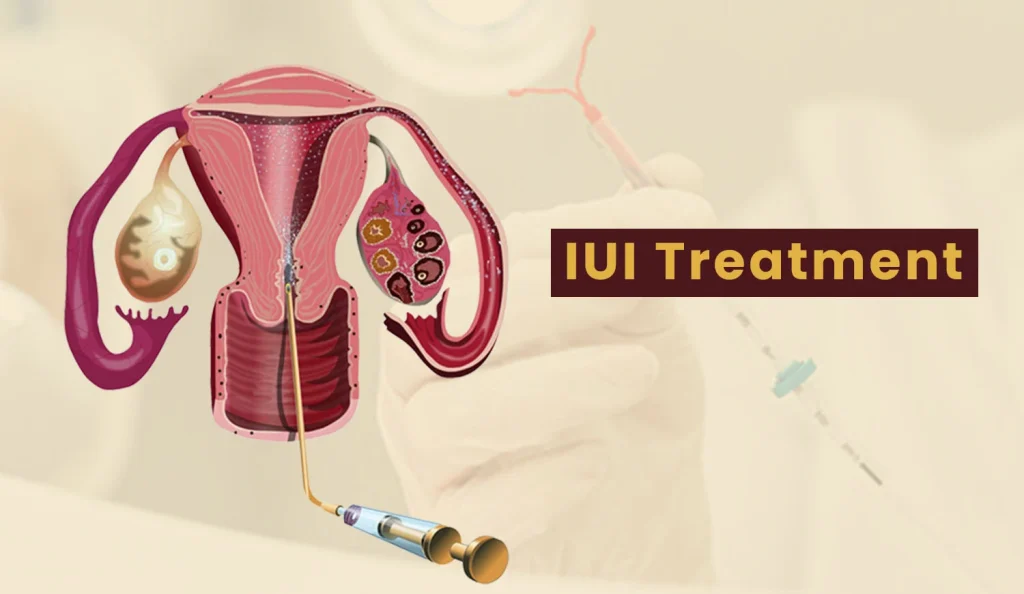
    illustration of the uterus and ovaries with a syringe, labeled "IUI Treatment" in the background

    Egg Retrieval vs Egg Sharing: Which Offers More Success?

    One reason for this is that women undergoing egg retrieval have the advantage of using their own eggs, which are more likely to result in a successful pregnancy compared to donated eggs. Additionally, the woman undergoing egg retrieval receives all of the eggs collected, while in egg sharing, only a portion of the donated eggs are used, which may decrease the chances of success.

    Cost: Egg Retrieval vs. Egg Sharing

    The cost of egg retrieval and egg sharing can vary greatly, depending on factors such as location, clinic, and specific treatment plans. In general, egg sharing tends to be more affordable than egg retrieval, as the woman undergoing the treatment receives a reduced cost in exchange for donating eggs. However, this reduced cost may not be significant enough to outweigh the potential success rates of egg retrieval.

    Emotional and Ethical Considerations

    Aside from success rates and cost, there are also emotional and ethical considerations to take into account when deciding between egg retrieval and egg sharing. Egg retrieval is a more personal process, as the woman is using her own eggs and is in control of the entire procedure. On the other hand, egg sharing involves donating eggs to someone else, which can bring up a range of emotions and ethical concerns.

    The decision to undergo egg retrieval or egg sharing should be carefully considered and discussed with a medical professional. It’s important to weigh the potential success rates, cost, and emotional and ethical implications before making a decision.

    Summary:

    Egg retrieval and egg sharing are two methods of obtaining eggs for fertility treatments. Egg retrieval involves collecting eggs from a woman’s ovaries for IVF or other treatments, while egg sharing involves donating eggs to another woman or couple in exchange for a reduced cost for the donor’s own treatment. While egg retrieval tends to have slightly higher success rates and egg sharing is more affordable, the decision should also consider emotional and ethical implications. Ultimately, the choice between the two methods should be carefully considered and discussed with a medical professional.

  • Overcoming Challenges: Donor Insemination vs Partner Insemination

    Blog Post Title: Overcoming Challenges: Donor Insemination vs Partner Insemination

    Introduction:
    Starting a family is a dream for many couples, but for some, it may come with challenges. In the past, traditional methods of conception were the only options available for couples struggling with fertility issues. However, with advancements in technology and medicine, there are now various methods of assisted reproduction available, such as donor insemination and partner insemination. While both methods offer the possibility of starting a family, they come with their own set of challenges. In this blog post, we will explore the differences between donor insemination and partner insemination and the challenges that couples may face when considering these options.

    What is Donor Insemination?
    Donor insemination is a form of assisted reproduction where sperm from a donor is used to fertilize a woman’s egg. This method is often used by couples who are struggling with male infertility or same-sex couples who wish to start a family. Donor insemination can be done with either fresh or frozen sperm, and the process involves injecting the sperm into the woman’s uterus during ovulation.

    What is Partner Insemination?
    Partner insemination, also known as artificial insemination by husband (AIH), is a form of assisted reproduction where sperm from the woman’s male partner is used to fertilize her egg. This method is commonly used by heterosexual couples who are struggling with male fertility issues or have difficulty conceiving through natural methods. Partner insemination is also an option for lesbian couples who wish to conceive using the sperm from one partner.

    Challenges of Donor Insemination:
    1. Genetic Concerns:
    One of the most significant challenges of donor insemination is the potential genetic concerns. Since the sperm used is from a donor, there is a possibility of passing on certain genetic disorders or diseases to the child. While most fertility clinics and sperm banks have strict screening processes in place, there is still a small risk of potential genetic issues.

    2. Emotional Challenges:
    Another significant challenge of donor insemination is the emotional impact it may have on the couple. For some, the idea of using a donor’s sperm can be difficult to accept, and it may cause feelings of jealousy, insecurity, or inadequacy. It is crucial for couples to have open and honest communication about their emotions and seek counseling if needed.

    3. Legal Considerations:
    Using a sperm donor also comes with legal considerations. In some countries, the donor may have parental rights, and the couple may have to go through a legal process to ensure that the donor has no claim to the child. It is essential to research and understand the laws and regulations surrounding donor insemination in your country or state before proceeding with the process.

    Comparison of IUI and IVF with illustrations of each procedure.

    Overcoming Challenges: Donor Insemination vs Partner Insemination

    Challenges of Partner Insemination:
    1. Reliability:
    One of the main challenges of partner insemination is the reliability of the process. This method relies heavily on the timing of ovulation and the quality of the sperm, which can vary from month to month. As a result, it may take several attempts before a successful pregnancy is achieved, causing frustration and disappointment for the couple.

    2. Cost:
    Partner insemination can be a costly process, especially if the couple needs to undergo multiple attempts to achieve a pregnancy. The costs may include fertility clinic fees, sperm storage fees, and medication expenses. It is essential to have a thorough understanding of the costs involved before deciding on this method of assisted reproduction.

    3. Insemination Process:
    Unlike donor insemination, partner insemination involves the couple performing the insemination process at home. This can be a challenge for some couples, as it may feel clinical and less intimate than natural conception. Additionally, the couple may face difficulties in performing the process accurately, leading to unsuccessful attempts.

    Tips for Overcoming Challenges:
    1. Seek Professional Guidance:
    It is crucial to seek guidance from a fertility specialist before deciding on either donor insemination or partner insemination. A professional can help you understand the process, the potential challenges, and assist in making an informed decision.

    2. Communicate Openly:
    Open and honest communication between partners is key to overcoming challenges in either donor insemination or partner insemination. It is essential to discuss any concerns or emotions that may arise and work together to find solutions.

    3. Consider Alternative Options:
    If one method does not work, couples can consider alternative options such as in vitro fertilization (IVF) or adoption. It is essential to keep an open mind and explore all possibilities to achieve the dream of starting a family.

    Summary:
    Starting a family can be a challenging journey for many couples, but with the advancements in assisted reproduction, there are now more options available. Donor insemination and partner insemination are two methods that offer the possibility of conceiving a child. However, they come with their own set of challenges, including genetic concerns, emotional impact, legal considerations, reliability, cost, and the insemination process. By seeking professional guidance, communicating openly, and considering alternative options, couples can overcome these challenges and achieve their dream of starting a family.

  • Making an Informed Decision: Understanding Fertility Supplements and Medical Treatments

    Title: Making an Informed Decision: Understanding Fertility Supplements and Medical Treatments

    Introduction

    Fertility is a topic that is surrounded by countless myths and misconceptions. For couples struggling to conceive, it can be overwhelming to navigate through the sea of information available. One of the most common ways to boost fertility is by taking supplements or undergoing medical treatments. However, with so many options available, it is crucial to make an informed decision. In this blog post, we will delve into the world of fertility supplements and medical treatments, understanding their effectiveness, safety, and factors to consider before making a decision.

    What are Fertility Supplements?

    Fertility supplements are natural or herbal products that claim to improve fertility in both men and women. These supplements typically contain a combination of vitamins, minerals, and herbal extracts. Some popular fertility supplements include Coenzyme Q10, Omega-3 fatty acids, and Vitex agnus-castus (chasteberry).

    Do Fertility Supplements Work?

    Many couples turn to fertility supplements as a natural and cost-effective option to improve their chances of conception. However, there is limited scientific evidence to support the effectiveness of these supplements. Some studies have shown a slight increase in fertility rates, but the results are inconclusive and vary from person to person. It is essential to consult with a doctor before taking any fertility supplements, as they may interact with other medications or have adverse effects.

    Are Fertility Supplements Safe?

    Fertility supplements are not regulated by the FDA, which means their safety and effectiveness are not guaranteed. Some supplements may contain harmful ingredients or interact with prescription medications, leading to adverse side effects. It is crucial to do thorough research and consult with a healthcare provider before starting any fertility supplement regimen.

    Factors to Consider Before Taking Fertility Supplements

    Before taking any fertility supplement, it is essential to consider the following factors:

    1. Underlying Medical Conditions: Certain fertility supplements may not be suitable for individuals with underlying medical conditions such as diabetes, high blood pressure, or thyroid disorders. It is crucial to consult with a doctor and disclose any pre-existing conditions before starting a supplement regimen.

    2. Quality and Source: With the lack of FDA regulation, it is crucial to research the quality and source of the fertility supplement before purchasing. Look for supplements that have been tested and certified by third-party organizations to ensure their safety and effectiveness.

    3. Dosage: It is crucial to follow the recommended dosage for fertility supplements, as excessive intake may lead to adverse side effects. Consult with a healthcare provider to determine the appropriate dosage for your specific needs.

    4. Allergies: Some fertility supplements may contain ingredients that can trigger allergies. It is vital to read the label carefully and consult with a healthcare provider if you have any known allergies.

    comparison of IUI and IVF procedures illustrated with simple graphics and labels

    Making an Informed Decision: Understanding Fertility Supplements and Medical Treatments

    Medical Treatments for Fertility

    In addition to fertility supplements, there are various medical treatments available for couples struggling to conceive. These treatments are typically recommended after a thorough fertility evaluation by a doctor.

    1. Fertility Drugs: Fertility drugs are prescribed to stimulate ovulation in women or improve sperm production in men. These drugs can be taken orally or injected and should only be used under the supervision of a healthcare provider.

    2. Assisted Reproductive Technology (ART): ART involves various techniques, such as in vitro fertilization (IVF), to help couples conceive. This treatment is typically recommended for individuals with underlying medical conditions that affect fertility, such as blocked fallopian tubes or low sperm count.

    3. Surgery: In some cases, surgery may be recommended to address issues that affect fertility, such as blocked fallopian tubes or endometriosis.

    Factors to Consider Before Undergoing Medical Treatment for Fertility

    Before deciding to undergo medical treatment for fertility, it is crucial to consider the following factors:

    1. Fertility Evaluation: Before undergoing any medical treatment, it is essential to undergo a thorough fertility evaluation to determine the cause of infertility. This will help determine the most suitable treatment option for your specific needs.

    2. Cost: Medical treatments for fertility can be expensive, and insurance coverage may vary. It is crucial to discuss the cost and payment options with your healthcare provider before making a decision.

    3. Success Rates: The success rates of fertility treatments can vary depending on the individual’s age, underlying medical conditions, and other factors. It is essential to discuss the success rates with your healthcare provider to set realistic expectations.

    4. Side Effects: Like any medication, fertility drugs and treatments may have side effects. It is crucial to discuss potential side effects with your healthcare provider and monitor your body’s response during treatment.

    Conclusion

    When it comes to fertility, there is no one-size-fits-all solution. Every individual’s body is different, and what works for one person may not work for another. It is essential to understand the effectiveness, safety, and factors to consider before making a decision about fertility supplements or medical treatments. Consulting with a healthcare provider and doing thorough research can help couples make an informed decision and increase their chances of success.

    Summary:

    Fertility is a topic surrounded by myths and misconceptions, and many couples turn to supplements or medical treatments to boost their chances of conceiving. However, it is essential to make an informed decision before starting any regimen. Fertility supplements, while popular, have limited scientific evidence to support their effectiveness and are not regulated by the FDA. It is crucial to consider factors such as underlying medical conditions, dosage, and allergies before taking supplements. Medical treatments for fertility, such as fertility drugs and ART, are recommended after a thorough evaluation by a doctor. Factors to consider for medical treatments include cost, success rates, and potential side effects. Consulting with a healthcare provider and doing thorough research can help couples make an informed decision and increase their chances of conceiving.

  • Making the Decision: Artificial Insemination vs Natural Conception

    Artificial insemination and natural conception are two methods of achieving pregnancy, but they differ greatly in terms of process, success rates, and cost. Making the decision between these two options is a personal and often complex one, as it involves factors such as medical history, financial considerations, and personal beliefs. In this blog post, we will explore the differences between artificial insemination and natural conception, and help you make an informed decision.

    What is Artificial Insemination?
    Artificial insemination (AI), also known as intrauterine insemination (IUI), is a fertility treatment where sperm is placed directly into a woman’s uterus through a catheter. This process bypasses the need for sperm to travel through the cervix and into the uterus, making it easier for the sperm to reach the egg.

    The Process of Artificial Insemination
    The process of AI involves several steps. First, the woman’s menstrual cycle is closely monitored to determine the best time for insemination. The sperm is then washed and prepared in a laboratory to remove any harmful substances and increase its motility. During the insemination procedure, a thin catheter is used to insert the sperm into the uterus, which takes only a few minutes and is generally painless.

    Factors That Affect the Success Rate of Artificial Insemination
    The success rate of artificial insemination varies depending on several factors. These include the quality of the sperm used, the woman’s age, and the presence of any underlying fertility issues. Generally, the success rate of AI ranges from 10-20%, which may increase with multiple attempts.

    What is Natural Conception?
    Natural conception, also known as sexual intercourse, is the traditional and most common way of achieving pregnancy. It involves the natural process of sperm being ejaculated into the woman’s vagina and traveling through the cervix and into the uterus to fertilize the egg.

    The Process of Natural Conception
    The process of natural conception is relatively simple. It involves having sexual intercourse during the woman’s fertile window, which is usually around the time of ovulation. Ovulation is when the ovary releases an egg, and it is the most optimal time for fertilization to occur. The sperm then travels to the fallopian tubes to fertilize the egg, and if successful, the fertilized egg implants itself in the uterus, leading to pregnancy.

    Factors That Affect the Success Rate of Natural Conception
    The success rate of natural conception can also be affected by various factors, such as the quality of the sperm and the woman’s age. Generally, the success rate of natural conception is around 20-25% per menstrual cycle, and it may decrease with age.

    illustration of an intrauterine insemination procedure with medical instruments and anatomical details

    Making the Decision: Artificial Insemination vs Natural Conception

    Factors to Consider When Choosing Between Artificial Insemination and Natural Conception
    When deciding between artificial insemination and natural conception, there are several factors to consider. These include:

    1. Medical History: If you or your partner have any underlying fertility issues, AI may be a better option as it increases the chances of the sperm reaching the egg.

    2. Age: As women age, their fertility decreases, making it more challenging to conceive naturally. In this case, AI may be a better option to increase the chances of pregnancy.

    3. Cost: Artificial insemination can be a more affordable option compared to other fertility treatments, such as in vitro fertilization (IVF). However, it may still be more expensive than trying to conceive naturally.

    4. Time: AI can be a quicker process compared to trying to conceive naturally, as it eliminates the need for sperm to travel through the cervix. This may be beneficial for couples who are eager to start a family.

    5. Personal Beliefs: Some couples may have personal or religious beliefs that may affect their decision. For example, some may not feel comfortable with the idea of using medical procedures to achieve pregnancy and may opt for natural conception.

    In summary, making the decision between artificial insemination and natural conception is a personal one that should be made after considering all the factors. While AI may increase the chances of pregnancy for couples with underlying fertility issues or advanced maternal age, natural conception may be a more affordable and less invasive option for others. It is important to consult with a medical professional and consider all the factors before making a decision.