Tag: Starting a Family

  • Finding the Perfect Match: Sperm Donor vs Co-Parenting Options

    Finding the Perfect Match: Sperm Donor vs Co-Parenting Options

    In today’s society, there are more diverse options than ever before for individuals and couples looking to start a family. With advancements in technology and changes in social norms, the traditional route of having a child with a partner is no longer the only choice. Two popular options for starting a family without a romantic partner are using a sperm donor or co-parenting with someone who is not a romantic partner. While both options have their benefits and challenges, it’s important to understand the differences and considerations when choosing between a sperm donor or co-parenting for finding the perfect match for starting a family.

    Sperm Donation: The Basics

    Sperm donation involves using the sperm of a donor to fertilize an egg, either through artificial insemination or in vitro fertilization (IVF). This option is commonly chosen by single women or same-sex female couples who want to have a biological child. Sperm donation provides the opportunity for a woman to experience pregnancy and childbirth, and the child will have a genetic connection to one parent.

    One of the main benefits of sperm donation is the ability to choose a donor who meets specific criteria, such as physical characteristics, education level, and medical history. Sperm banks have extensive profiles of donors, including photos, personal essays, and medical information. This allows individuals or couples to feel more in control of the donor selection process and find a match that aligns with their values and preferences.

    However, there are also potential challenges and considerations with sperm donation. Some donors may choose to remain anonymous, which means the child may never have the opportunity to know their biological father. Additionally, there is a cost associated with sperm donation, including the fee for the sperm itself, as well as any medical procedures that may be required. This can make sperm donation a more expensive option compared to co-parenting.

    Co-Parenting: The Basics

    Co-parenting is when two individuals who are not in a romantic relationship come together to raise a child. This option is often chosen by single individuals or same-sex male couples who want to have a child and share parental responsibilities with another person. Co-parenting can also be a great option for individuals or couples who want to have a child but do not want to do it alone.

    success rate of IUI in India with a graphic of a uterus and syringe alongside a rising graph

    Finding the Perfect Match: Sperm Donor vs Co-Parenting Options

    The main benefit of co-parenting is the ability for both individuals to have a biological connection to the child and share the responsibilities of raising a child. Unlike sperm donation, co-parenting allows for the involvement of both parents in the child’s life, which can provide a more well-rounded and stable upbringing for the child.

    However, co-parenting also has its own set of challenges and considerations. The relationship between the co-parents must be carefully navigated, as it can be difficult to determine roles and responsibilities without the clear boundaries of a romantic relationship. Communication and trust are crucial in co-parenting, and if these factors are not present, it can lead to conflict and potential harm to the child.

    Making the Decision: Factors to Consider

    When deciding between sperm donation and co-parenting, there are several factors to consider. The first is one’s personal preference and comfort level with each option. Some individuals may feel more comfortable with the idea of co-parenting and having a shared responsibility, while others may prefer the control and anonymity of sperm donation.

    Another factor to consider is the potential legal implications. In sperm donation, the donor is usually required to sign away their parental rights, while in co-parenting, both individuals are recognized as legal parents. This can have implications for things like custody and child support in the future.

    Finances are also an important consideration. As mentioned, sperm donation can be a more expensive option due to the cost of the sperm itself and any medical procedures involved. Co-parenting may be more cost-effective, but there are still financial responsibilities that both individuals must be prepared for.

    Lastly, it’s crucial to consider the well-being of the child. Both sperm donation and co-parenting have the potential to provide a loving and stable environment for a child, but it’s important to carefully consider the potential impact on the child’s emotional and psychological well-being. Open communication and a clear understanding of roles and expectations are key to ensuring the child’s best interests are met.

    In conclusion, choosing between sperm donation and co-parenting for finding the perfect match for starting a family is a personal decision that requires careful consideration of various factors. Both options have their benefits and challenges, and it’s important to weigh them against one’s own preferences and values. Ultimately, the most important factor is the well-being and happiness of the child, and whichever option allows for that should be the one chosen.
  • From Doubt to Joy: Overcoming the Fear of Infertility with Artificial Insemination and IVF

    From Doubt to Joy: Overcoming the Fear of Infertility with Artificial Insemination and IVF

    Infertility is a difficult and often heartbreaking experience for many couples. The inability to conceive naturally can lead to feelings of doubt, shame, and sadness. However, with the advancements in modern medicine, there are now various options available for couples struggling with infertility, including artificial insemination and in vitro fertilization (IVF). While these procedures may seem daunting and overwhelming at first, they offer hope and the possibility of starting a family for many couples. In this blog post, we will explore the journey from doubt to joy for couples who have overcome the fear of infertility with artificial insemination and IVF.

    Understanding Infertility

    Infertility is a medical condition that affects approximately 1 in 8 couples. It is defined as the inability to conceive after one year of trying for couples under the age of 35, and after six months for couples over 35. Infertility can be caused by a variety of factors, including hormonal imbalances, structural issues, or reproductive health problems. It can also be due to male factors such as low sperm count or motility.

    The Emotional Toll of Infertility

    The journey towards parenthood can often be a rollercoaster of emotions for couples dealing with infertility. For many, the initial shock and disappointment of not being able to conceive naturally can quickly turn into feelings of doubt and shame. Couples may start to question their own bodies, their relationships, and even their self-worth. The constant cycle of hope and disappointment can also take a toll on mental health, leading to anxiety, depression, and stress.

    Overcoming the Fear of Infertility with Artificial Insemination

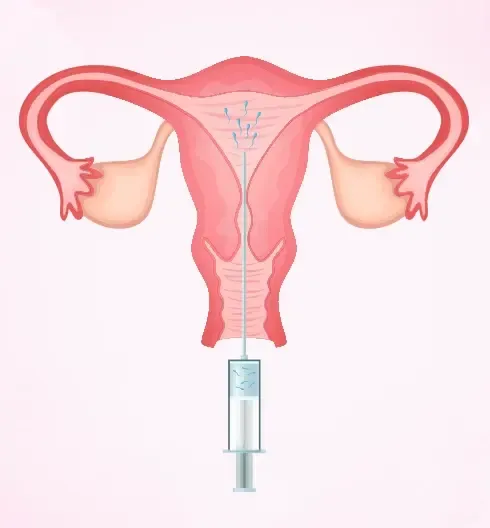
    Artificial insemination, also known as intrauterine insemination (IUI), is a relatively non-invasive fertility treatment that involves placing sperm directly into the woman’s uterus during ovulation. This procedure can be performed with the partner’s sperm or with donor sperm. It is often the first line of treatment for couples dealing with unexplained infertility or mild male factor infertility.

    One of the biggest advantages of artificial insemination is that it can be done without the need for fertility drugs, making it a more affordable option for many couples. It also has a high success rate, with up to 20% of couples achieving pregnancy after just one cycle. However, it is essential to note that the success rate may vary depending on the cause of infertility and the age of the woman.

    The Process of Artificial Insemination

    The process of artificial insemination starts with ovulation monitoring to determine the best time for insemination. On the day of insemination, the sperm is collected, washed, and prepared in the lab. The doctor then uses a thin catheter to place the sperm directly into the uterus. The entire process takes only a few minutes and is relatively painless.

    Illustration of a uterus with a syringe indicating an intrauterine insemination procedure.

    From Doubt to Joy: Overcoming the Fear of Infertility with Artificial Insemination and IVF

    While artificial insemination may seem like a simple procedure, it still requires patience and emotional support from both partners. It is crucial to have open communication and support each other throughout the process.

    The Journey from Doubt to Joy with IVF

    In vitro fertilization (IVF) is a more complex fertility treatment that involves fertilizing the egg outside the body and transferring the embryo(s) back into the uterus. IVF is often recommended for couples with more severe infertility issues, such as blocked fallopian tubes, endometriosis, or male factor infertility.

    The IVF process involves several steps, including ovarian stimulation with fertility drugs, egg retrieval, fertilization in the lab, and embryo transfer. It can be physically and emotionally demanding for both partners, but the end goal of starting a family often outweighs the challenges.

    Overcoming the Fear of IVF

    The fear and doubts surrounding IVF can be overwhelming for couples considering this option. The high cost, potential side effects of fertility drugs, and the fear of failure can all contribute to this fear. However, it is essential to remember that every couple’s journey is unique, and there is no one-size-fits-all approach to IVF. Many couples have successfully overcome their fear and have had successful pregnancies with IVF.

    Finding Support During the Process

    The journey from doubt to joy can be a challenging one, and it is crucial to have a strong support system in place. This can include family and friends who understand and offer emotional support, as well as seeking professional help from therapists or support groups. It is also essential to take care of one’s physical and mental health throughout the process.

    The Joy of Starting a Family

    For many couples, the ultimate goal of overcoming infertility is to start a family. With artificial insemination and IVF, this dream can become a reality. While the journey may have its ups and downs, the joy and fulfillment of becoming parents make it all worth it.

    In conclusion, infertility can be a challenging and emotional journey for many couples. However, with the advancements in reproductive technology, there is hope for couples who want to start a family. Whether it is through artificial insemination or IVF, the journey from doubt to joy is possible, and the end result of starting a family makes it all worth it.

  • Exploring Alternative Options: Natural Conception and Assisted Reproduction beyond Traditional Medicine

    Blog Post:

    When it comes to starting a family, many couples may face challenges with conception. In recent years, more and more people are turning to alternative options beyond traditional medicine for help in conceiving. These options include natural conception methods and assisted reproduction techniques. While traditional medicine may be the first choice for some, exploring alternative options can provide hope and viable solutions for others. In this blog post, we will dive into the world of alternative options for conception, including the benefits and limitations of each.

    Natural Conception:

    Natural conception refers to the process of conceiving a child without the use of medical intervention or fertility treatments. This method relies on timing intercourse with ovulation and maintaining a healthy lifestyle to increase the chances of pregnancy. Some natural conception methods include tracking ovulation through basal body temperature, cervical mucus, and ovulation predictor kits. Couples can also use methods such as acupuncture, herbal remedies, and dietary changes to improve their chances of conception.

    One of the main benefits of natural conception is that it is non-invasive and does not involve any medical procedures. It also allows couples to have more control over the process and can be a more cost-effective option compared to assisted reproduction techniques. Additionally, natural conception promotes a healthier lifestyle, which can potentially improve overall fertility and increase the chances of a successful pregnancy.

    However, natural conception does have its limitations. It may not be a viable option for couples with fertility issues, such as blocked fallopian tubes or low sperm count. It also requires a regular menstrual cycle and accurate tracking of ovulation, which can be challenging for some women. Furthermore, natural conception can be a lengthy process, and it may take several months or even years to achieve a successful pregnancy.

    Assisted Reproduction:

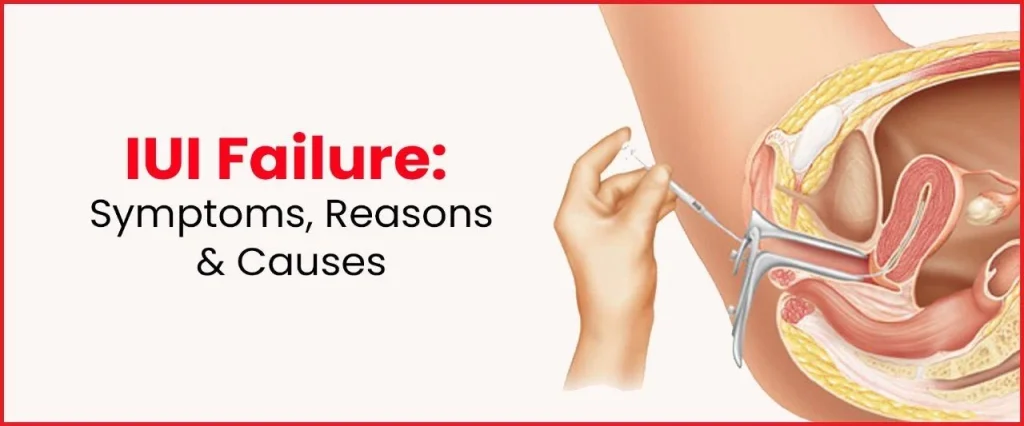
    Assisted reproduction refers to medical procedures and techniques that help couples conceive a child. This includes techniques such as in vitro fertilization (IVF), intrauterine insemination (IUI), and gamete intrafallopian transfer (GIFT). These procedures involve the use of fertility drugs, artificial insemination, and embryo transfer to increase the chances of pregnancy.

    illustration of IUI procedure with text on symptoms, reasons, and causes of IUI failure

    Exploring Alternative Options: Natural Conception and Assisted Reproduction beyond Traditional Medicine

    Assisted reproduction techniques are a more direct and effective way of conceiving a child compared to natural conception. They can also be a viable option for couples with fertility issues and those who have been unsuccessful with natural methods. Additionally, these techniques can be personalized to the specific needs of the couple, increasing the chances of success.

    However, assisted reproduction techniques come with their own set of limitations. They can be costly, with an average IVF cycle costing around $12,000. These procedures also carry a higher risk of multiple pregnancies, which can pose health risks to the mother and babies. Assisted reproduction also involves medical procedures, which some couples may find invasive and emotionally taxing.

    Exploring a Combination of Options:

    While natural conception and assisted reproduction are often seen as two separate options, many couples have found success by combining the two. This approach, known as integrative fertility, involves using natural methods to prepare the body for assisted reproduction techniques. For example, couples may use acupuncture to improve egg quality before undergoing IVF or use herbal remedies to increase sperm count before IUI.

    Integrative fertility can provide the best of both worlds, combining the non-invasive and holistic approach of natural methods with the effectiveness of assisted reproduction techniques. It can also be a more cost-effective option compared to solely relying on assisted reproduction.

    Final Thoughts:

    When it comes to starting a family, there is no one-size-fits-all approach. Each couple’s journey is unique, and it is essential to explore all options before making a decision. While traditional medicine may be the first choice for some, it is crucial to consider alternative options such as natural conception and assisted reproduction. These methods can provide hope and viable solutions for couples struggling with conception. By understanding the benefits and limitations of each option, couples can make an informed decision that is best for their situation.

    Summary:

    Many couples face challenges with conception, and in recent years, more and more people are exploring alternative options beyond traditional medicine. These options include natural conception methods and assisted reproduction techniques. Natural conception involves tracking ovulation and maintaining a healthy lifestyle, while assisted reproduction involves medical procedures to increase the chances of pregnancy. Integrative fertility, combining both approaches, can provide a personalized and effective solution. It is essential to understand the benefits and limitations of each option and make an informed decision that is best for the couple’s situation.