Tag: Coping Strategies

  • The Emotional Rollercoaster: Coping with the Process of Intrauterine Insemination vs Sperm Washing

    The Emotional Rollercoaster: Coping with the Process of Intrauterine Insemination vs Sperm Washing

    In the journey towards starting a family, many couples face challenges and obstacles that can be emotionally and physically draining. For couples who are struggling with infertility, the process of conceiving can be even more difficult. Intrauterine insemination (IUI) and sperm washing are two commonly used techniques to assist with conception, but they also come with their own set of emotional challenges. In this blog post, we will explore the emotional rollercoaster that couples may experience while undergoing IUI and sperm washing, and how they can cope with the process.

    What is Intrauterine Insemination (IUI)?

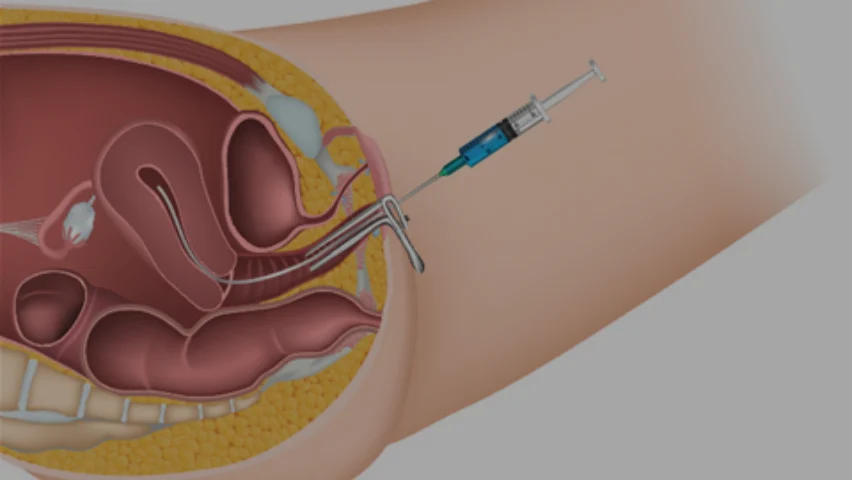
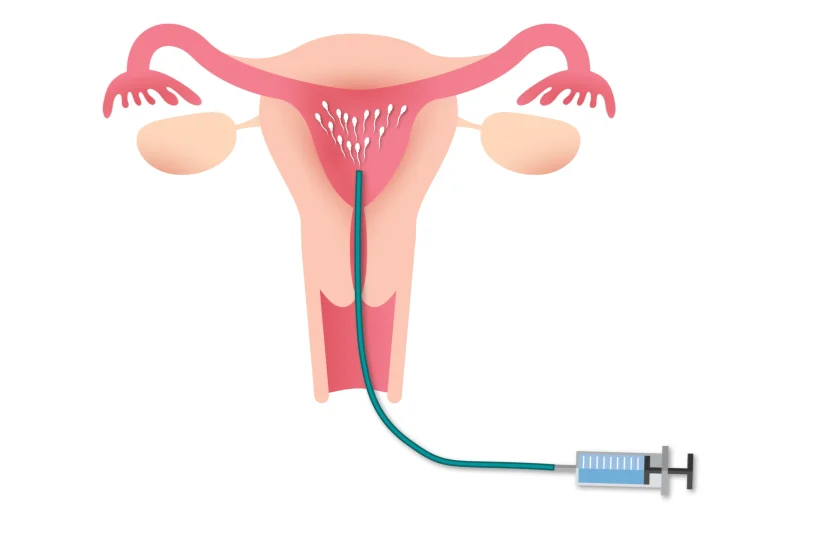
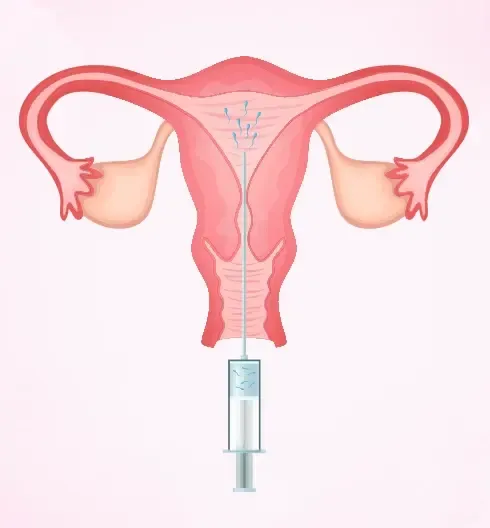
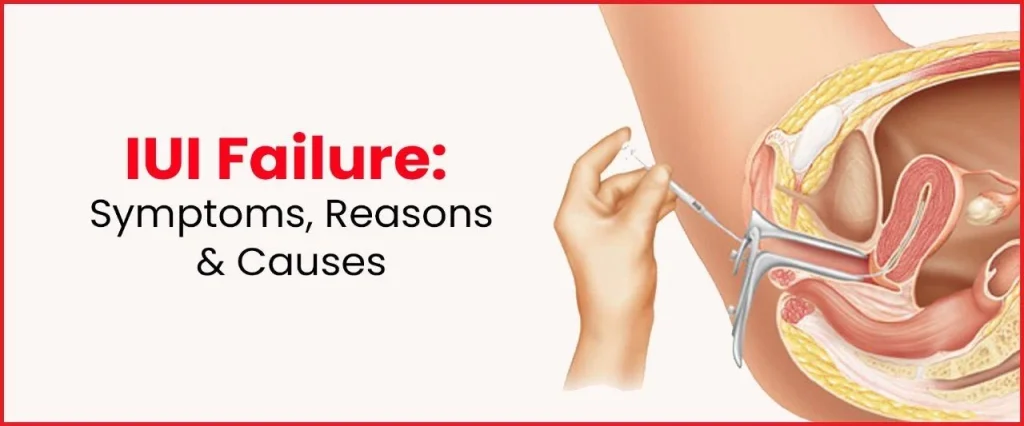
    Intrauterine insemination, also known as artificial insemination, is a fertility treatment where sperm is inserted directly into the uterus during ovulation. This procedure is often used for couples who have been trying to conceive for a year or longer without success, or for those who have certain fertility issues such as low sperm count or cervical mucus problems.

    The Emotional Highs and Lows of IUI

    The decision to undergo IUI can be both exciting and nerve-wracking for couples. On one hand, there is hope for a successful pregnancy, but on the other hand, there is also the fear of disappointment. The process of IUI involves multiple steps, including taking fertility medication, monitoring ovulation, and undergoing the actual insemination procedure. These steps can bring about a range of emotions for couples, such as hope, anxiety, and fear.

    During the fertility medication phase, many women experience heightened emotions due to the hormonal changes in their bodies. This can lead to mood swings, irritability, and feelings of sadness or frustration. It is important for partners to communicate openly during this time and provide emotional support to each other.

    The monitoring phase can also be emotionally taxing, as couples eagerly wait for the results of blood tests and ultrasounds to determine the best time for insemination. This waiting period can bring about feelings of impatience, anxiety, and uncertainty.

    The actual insemination procedure can be a mix of emotions as well. While there is hope for a successful outcome, there is also the fear of failure. The procedure itself can be uncomfortable and awkward, adding to the emotional strain. And even after the procedure is done, the two-week wait for the pregnancy test can feel like an eternity, with couples experiencing a rollercoaster of emotions every day.

    How to Cope with the Emotional Challenges of IUI

    1. Communicate openly with your partner: It is important to talk to your partner about your feelings and concerns throughout the IUI process. Being open and honest with each other can help relieve some of the emotional burden and strengthen your relationship.

    2. Seek support from friends and family: Having a strong support system can make a world of difference during the emotional rollercoaster of IUI. Lean on your friends and family for emotional support and understanding.

    3. Practice relaxation techniques: Stress and anxiety can have a negative impact on the outcome of IUI. It is important to find ways to relax and de-stress, such as practicing deep breathing, yoga, or meditation.
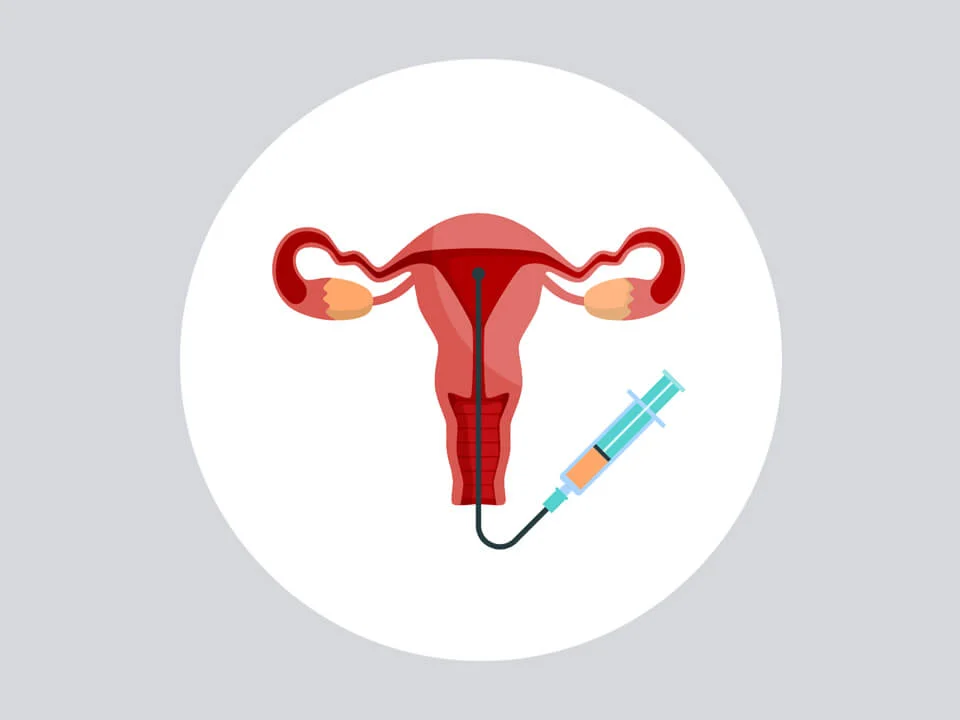
    Illustration of a uterus with a syringe, representing intrauterine insemination (IUI) procedure.

    The Emotional Rollercoaster: Coping with the Process of Intrauterine Insemination vs Sperm Washing

    4. Consider therapy: If the emotional challenges become overwhelming, it may be helpful to seek professional therapy. A therapist can provide a safe space to express your emotions and help you develop coping strategies.

    What is Sperm Washing?

    Sperm washing is a technique used to prepare sperm for use in assisted reproductive treatments, such as IUI or in vitro fertilization (IVF). This process involves separating sperm from other fluids and debris, and selecting the healthiest and most viable sperm for fertilization.

    The Emotional Impact of Sperm Washing

    Similar to IUI, the decision to undergo sperm washing can bring about a mix of emotions for couples. While there is hope for a successful pregnancy, there is also the fear of failure. The process of sperm washing can also be physically and emotionally draining for both partners, as it involves multiple steps and procedures.

    The waiting period for the results of sperm washing can also be emotionally challenging. Couples may feel anxious and uncertain about the quality of the sperm and the chances of a successful pregnancy. And if the results are not as expected, it can be devastating for both partners.

    How to Cope with the Emotional Challenges of Sperm Washing

    1. Educate yourself about the process: Knowing what to expect during sperm washing can help alleviate some of the anxiety and fear. Talk to your doctor and do your own research to understand the steps involved and the potential outcomes.

    2. Find a support group: It can be helpful to connect with other couples going through similar experiences. Joining a support group or online community can provide a sense of camaraderie and understanding.

    3. Take care of your physical and mental health: It is important to take care of yourself during the process of sperm washing. Eat well, exercise regularly, and make time for self-care activities to reduce stress and improve overall well-being.

    4. Lean on your partner: Like in IUI, it is crucial to communicate with your partner and lean on each other for support. Together, you can navigate the emotional ups and downs of sperm washing and come out stronger on the other side.

    In conclusion, the process of intrauterine insemination and sperm washing can be a rollercoaster of emotions for couples struggling with infertility. It is important to acknowledge and address these emotions, and seek support when needed. With open communication, a strong support system, and self-care practices, couples can cope with the emotional challenges and increase their chances of a successful outcome.

    Summary:

    Starting a family can be a challenging journey, especially for couples facing infertility. Intrauterine insemination (IUI) and sperm washing are two commonly used techniques to assist with conception, but they also come with their own set of emotional challenges. The decision to undergo these procedures can bring about a mix of emotions, including hope, anxiety, and fear. The process itself, involving multiple steps and procedures, can be emotionally taxing for both partners. It is important for couples to communicate openly, seek support from friends and family, and practice self-care to cope with the emotional rollercoaster of IUI and sperm washing. Additionally, educating oneself, joining support groups, and taking care of physical and mental health are important coping strategies for both procedures.
  • When to Seek Help: Understanding the Signs of Infertility and Treatment Options

    Summary:

    Infertility is a common issue that affects many couples and can cause a great deal of emotional distress. It is important for individuals and couples to be aware of the signs of infertility and to seek help when needed. In this blog post, we will discuss the various signs of infertility, potential causes, and treatment options available.

    Signs of Infertility:

    The most common sign of infertility is the inability to conceive after trying for a year or more. Other signs may include irregular menstrual cycles, abnormal bleeding, or hormonal imbalances. However, it is important to keep in mind that some individuals may not experience any noticeable signs of infertility, making it crucial to consult with a doctor if you have concerns.

    Causes of Infertility:

    Infertility can be caused by a variety of factors, including age, hormonal imbalances, underlying medical conditions, and lifestyle factors. Women over the age of 35 may experience a decline in fertility due to a decrease in the number and quality of eggs. Hormonal imbalances, such as polycystic ovary syndrome (PCOS), can also affect fertility. Underlying medical conditions, such as endometriosis, can also contribute to infertility. Lifestyle factors such as smoking, excessive alcohol consumption, and obesity can also impact fertility.

    Seeking Help:

    If you have been trying to conceive for a year or more without success, it is important to consult with a fertility specialist. They will run various tests to determine the underlying cause of infertility and develop a treatment plan.

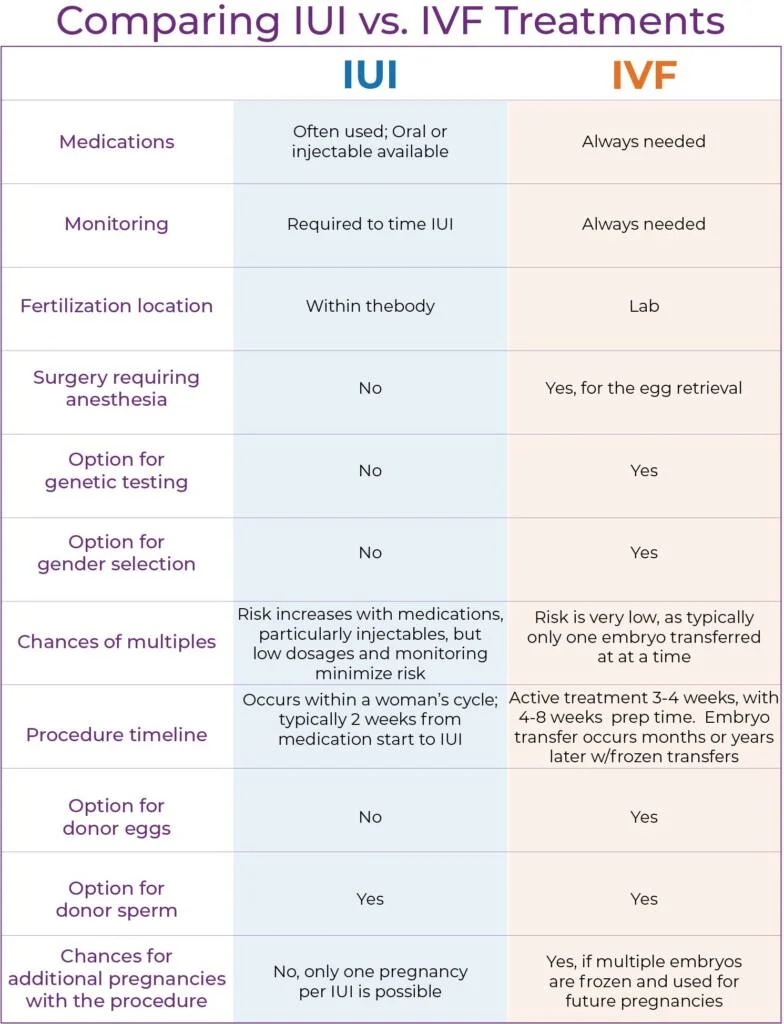
    Comparison chart of IUI and IVF treatments, detailing medications, monitoring, procedures, and success rates.

    When to Seek Help: Understanding the Signs of Infertility and Treatment Options

    Treatment Options:

    The treatment for infertility will depend on the underlying cause. In vitro fertilization (IVF) is a common treatment option that involves retrieving eggs from the ovaries and fertilizing them with sperm in a laboratory. Other options include intrauterine insemination (IUI), which involves placing sperm directly into the uterus, and fertility medications to stimulate ovulation.

    Alternative Therapies:

    In addition to medical treatments, there are also alternative therapies that may help with infertility. Acupuncture, for example, has been shown to improve fertility by reducing stress and promoting blood flow to the reproductive organs. Yoga and meditation can also be beneficial in reducing stress and promoting overall well-being.

    Support and Coping Strategies:

    Dealing with infertility can be emotionally and mentally challenging. It is important to seek support from loved ones, join support groups, or seek therapy to cope with the stress and emotions that come with infertility. It is also important to take care of your physical and mental health by engaging in self-care activities and finding healthy ways to cope with stress.

    Conclusion:

    Infertility can be a difficult and emotional journey for individuals and couples. It is important to be aware of the signs of infertility and to seek help when needed. With advancements in medical technology and various treatment options available, there is hope for those struggling with infertility. Remember to take care of yourself and seek support during this challenging time.

  • The Emotional Toll: Coping with Male and Female Infertility Treatments

    The Emotional Toll: Coping with Male and Female Infertility Treatments

    Infertility affects millions of couples around the world, and the struggle to conceive can take a heavy toll on both individuals physically, mentally, and emotionally. While it is often assumed that women bear the brunt of the emotional burden, both men and women experience their own unique challenges when facing infertility treatments. In this blog post, we will explore the emotional toll that male and female infertility treatments can have on couples, and offer tips on how to cope with these challenges.

    The Emotional Toll on Women

    For many women, the inability to conceive can be a source of immense emotional pain and stress. The desire to have a child is a natural and instinctive one, and when this is not possible, it can lead to feelings of grief, shame, and inadequacy. Women may also feel a sense of guilt, blaming themselves for their inability to conceive, and may struggle with feelings of jealousy towards friends and family members who have successfully become pregnant.

    Furthermore, the constant cycle of hope and disappointment that comes with infertility treatments can be emotionally draining. Each round of treatment brings with it the possibility of success, but also the fear of yet another failure. This rollercoaster of emotions can take a toll on a woman’s mental well-being, leading to anxiety, depression, and even relationship strain.

    The Emotional Toll on Men

    While the focus of infertility is often on women, men also experience their own emotional struggles when undergoing fertility treatments. The pressure to perform and produce a viable sperm sample can cause immense stress and anxiety for men. This can be compounded by feelings of guilt and shame, as men may feel responsible for their partner’s infertility.

    In addition, men may also struggle with feelings of inadequacy and loss of masculinity when faced with fertility issues. Society often places a great emphasis on a man’s ability to father a child, and when this is not possible, it can lead to a sense of failure and loss of identity. Men may also struggle with feelings of isolation and lack of support, as infertility is still largely seen as a “women’s issue.”

    Comparison chart of IUI and IVF treatments, detailing medications, monitoring, procedures, and success rates.

    The Emotional Toll: Coping with Male and Female Infertility Treatments

    Coping Strategies for Couples

    Infertility treatments can be a difficult and emotional journey for couples, but there are ways to cope with the challenges that arise. The first step is to acknowledge and validate each other’s feelings. Both partners should feel comfortable expressing their emotions and supporting each other through difficult times. It is also important to communicate openly and honestly, and to seek professional help if needed.

    Another helpful coping strategy is to find a support system. This can be through joining a support group for couples going through similar experiences, or simply confiding in close friends and family members. Having a support system can provide a sense of understanding and empathy, and can help alleviate feelings of isolation and loneliness.

    Self-care is also crucial during infertility treatments. It is important for both partners to take care of their physical and mental well-being. This can include engaging in stress-reducing activities such as exercise, meditation, or therapy. It is also important to find ways to relax and enjoy each other’s company, outside of the pressure and stress of fertility treatments.

    Lastly, it is important for couples to remember that they are not defined by their ability to conceive. While the desire to have a child is undoubtedly strong, it is important to not let it consume one’s entire identity and relationship. It is important to find joy and fulfillment in other aspects of life, such as hobbies, careers, and relationships.

    In conclusion, the emotional toll of male and female infertility treatments is a significant and often overlooked aspect of the journey towards parenthood. It is important for couples to acknowledge and validate each other’s feelings, communicate openly, seek support, practice self-care, and remember that their worth is not defined by their ability to conceive. With these coping strategies, couples can navigate the emotional challenges of fertility treatments and come out stronger together.

    Summary:

    Infertility treatments can take a heavy toll on both men and women, with each facing their own unique emotional challenges. Women may experience feelings of grief, guilt, and jealousy, while men may struggle with stress, shame, and a sense of inadequacy. Coping strategies such as communication, seeking support, self-care, and remembering one’s worth outside of parenthood can help couples navigate this emotional journey together.

  • The Role of Mindfulness: How Fertility Support Groups Can Help You Stay Present

    Blog Post: The Role of Mindfulness: How Fertility Support Groups Can Help You Stay Present

    Trying to conceive can be an emotionally and physically challenging journey for many couples. The stress, anxiety, and feelings of isolation that often come with infertility can take a toll on one’s mental well-being. That is why it is essential to have a support system in place, especially for those struggling with fertility issues. Fertility support groups provide a safe and understanding space for individuals or couples to share their experiences, emotions, and coping strategies. But beyond the emotional support, these groups also offer a valuable tool for managing the rollercoaster of emotions that come with fertility struggles – mindfulness.

    Mindfulness is the practice of being fully present and aware of one’s thoughts, feelings, and surroundings in the present moment. It involves paying attention to one’s thoughts and emotions without judgment. In the context of fertility, mindfulness can help individuals cope with the stress and anxiety that comes with trying to conceive. By staying present and accepting their emotions, individuals can better manage the challenges of infertility and improve their overall well-being.

    Here are some of the ways that fertility support groups can help individuals stay present through the practice of mindfulness:

    1. Creating a Sense of Community and Connection

    One of the most significant benefits of fertility support groups is the sense of community and connection they provide. Dealing with infertility can be an isolating experience, and many individuals and couples struggle to find people who understand what they are going through. Being part of a support group allows individuals to connect with others who are facing similar challenges and share their thoughts and feelings. This sense of belonging can help individuals feel less alone in their struggles and improve their mental well-being.

    2. Encouraging Mindful Communication

    In fertility support groups, individuals are encouraged to communicate openly and honestly about their experiences and emotions. This type of communication can help individuals become more mindful of their thoughts and feelings by acknowledging and accepting them without judgment. As a result, individuals can learn to communicate more effectively and positively with their partners, family, and friends about their fertility journey.

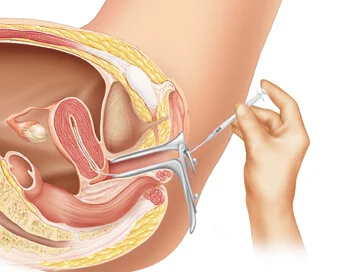
    illustration of intrauterine insemination procedure with a hand holding a speculum and syringe near the uterus

    The Role of Mindfulness: How Fertility Support Groups Can Help You Stay Present

    3. Providing Coping Strategies

    Fertility support groups often offer coping strategies and techniques to help individuals manage the stress and anxiety that comes with infertility. One of these strategies is mindfulness. By staying present, individuals can learn to observe and understand their thoughts and emotions, rather than being overwhelmed by them. This practice can help individuals cope with difficult emotions and reduce stress levels, leading to improved mental and emotional well-being.

    4. Reducing Negative Self-Talk

    Infertility can take a toll on one’s self-esteem and self-worth. Many individuals struggling with fertility issues may experience negative self-talk and feelings of shame or inadequacy. In a supportive and non-judgmental environment like a fertility support group, individuals can learn to be more mindful of their thoughts and challenge any negative self-talk. This practice can help individuals improve their self-esteem and cultivate a more positive mindset.

    5. Promoting Self-Care

    The journey of trying to conceive can be physically and emotionally draining. Fertility support groups often emphasize the importance of self-care and encourage individuals to prioritize their well-being. Mindfulness can play a significant role in self-care as it allows individuals to tune into their bodies and emotions and address any physical or emotional needs. By practicing mindfulness, individuals can learn to be more present and in tune with their bodies, leading to improved self-care and overall well-being.

    In summary, fertility support groups offer a sense of community, promote mindful communication, provide coping strategies, reduce negative self-talk, and encourage self-care. All of these factors contribute to helping individuals stay present through the practice of mindfulness. By being more present and aware of their thoughts and emotions, individuals can better manage the challenges of infertility and improve their overall well-being.

    In conclusion, fertility support groups can be a valuable resource for individuals or couples struggling with infertility. Through the practice of mindfulness, these groups offer a way for individuals to stay present and cope with the emotional rollercoaster of trying to conceive. By providing a safe and understanding space, fertility support groups can help individuals feel less alone and more empowered in their fertility journey.

  • Finding Hope: The Impact of Fertility Support Groups on Mental Well-being

    Blog Post:

    Infertility can be a lonely and isolating journey. It can leave couples feeling lost, discouraged, and hopeless. The struggle to conceive can take a toll on one’s mental health, causing feelings of anxiety, depression, and even shame. In such trying times, it is crucial to have a support system in place that understands and empathizes with the challenges of infertility. This is where fertility support groups come in.

    Fertility support groups are a safe and welcoming space for individuals and couples struggling with infertility. These groups provide a sense of community, understanding, and hope for those going through the emotional rollercoaster of trying to conceive. In this blog post, we will explore the impact of fertility support groups on mental well-being and how they can help individuals find hope amidst their fertility journey.

    The Power of Connection

    One of the biggest benefits of joining a fertility support group is the power of connection. Infertility can often feel like a taboo topic, and many couples may feel hesitant to open up about their struggles with family and friends. However, in a support group, individuals are surrounded by like-minded people who can relate to their experiences and offer a listening ear without judgment.

    The connections formed in these groups can be a source of strength and comfort. Members can share their stories, vent their frustrations, and offer support and encouragement to one another. This sense of camaraderie can help individuals feel less alone in their journey and provide a safe outlet for their emotions.

    Validation of Emotions

    Infertility can bring about a range of emotions, from sadness and anger to guilt and shame. These emotions can be overwhelming and difficult to process, especially when faced alone. Fertility support groups provide a safe space for individuals to express their emotions without fear of judgment.

    Being surrounded by others who understand the complexities of infertility can help individuals feel validated in their feelings. This validation can be a powerful tool in promoting mental well-being. It can help individuals feel that their emotions are normal, and they are not alone in their struggles.

    Learning Coping Strategies

    comparison of IUI and IVF procedures illustrated with simple graphics and labels

    Finding Hope: The Impact of Fertility Support Groups on Mental Well-being

    Dealing with infertility can be emotionally draining, and it is crucial to have healthy coping strategies in place. Fertility support groups offer a platform for individuals to share coping mechanisms that have worked for them. These strategies can range from self-care practices to mindfulness techniques.

    Being a part of a supportive community can also help individuals learn new coping strategies and receive advice from those who have gone through similar experiences. This can be especially helpful for couples who may be struggling to communicate and support each other during this difficult time.

    Reducing Anxiety and Depression

    The constant disappointment and uncertainty of infertility can take a toll on one’s mental health, leading to anxiety and depression. Research has shown that individuals dealing with infertility have higher levels of anxiety and depression compared to the general population.

    However, joining a fertility support group can significantly reduce these negative emotions. Being a part of a community that understands and supports one another can provide a sense of relief and hope. Additionally, the sense of belonging and validation can also help individuals feel more positive and improve their overall well-being.

    Finding Hope

    Infertility can feel like an endless struggle, and it is easy to lose hope along the way. This is where fertility support groups play a crucial role in providing a glimmer of hope. Seeing others who have gone through similar experiences and have found success in their journey can be a source of inspiration and motivation.

    Support group members can share success stories, offer advice on different treatments, and provide hope for those who may be feeling discouraged. This shared hope can be a powerful tool in promoting mental well-being and giving individuals the strength to keep going.

    In conclusion, the impact of fertility support groups on mental well-being cannot be underestimated. These groups provide a sense of community, validation, and hope for individuals and couples struggling with infertility. By connecting with others, learning coping strategies, and finding hope, individuals can navigate their fertility journey with a stronger sense of resilience and mental well-being.

    Summary:

    Infertility can be a challenging and isolating journey, but joining a fertility support group can have a significant impact on one’s mental well-being. These groups provide a sense of connection, validation of emotions, and a platform to learn coping strategies. They can also reduce anxiety and depression and offer hope to those struggling with infertility. By providing a safe and supportive community, fertility support groups can help individuals find strength, resilience, and hope in their fertility journey.

  • From Grief to Gratitude: The Healing Journey of Fertility Counseling

    Blog Post:

    Grief is a natural and complex emotion that we all experience at some point in our lives. It can come in many forms, but one of the most difficult types of grief to navigate is the grief that comes with infertility. The journey of trying to conceive and experiencing the loss of a pregnancy or the inability to become pregnant can be overwhelming and all-consuming. This is where fertility counseling can play a crucial role in helping individuals and couples move from grief to gratitude.

    Fertility counseling is a specialized form of therapy that focuses on the emotional, psychological, and relational aspects of infertility. It is designed to support individuals and couples who are struggling with infertility, whether they are trying to conceive naturally, undergoing assisted reproductive treatments, or considering other options such as adoption or surrogacy. The goal of fertility counseling is to provide a safe and supportive space for individuals to explore and process their emotions, while also providing practical tools and coping strategies to navigate the challenges of infertility.

    The grief experienced by those struggling with infertility is often complex and multifaceted. It can include feelings of loss, sadness, anger, isolation, guilt, and even shame. These emotions can be overwhelming and may impact all areas of a person’s life, including their relationships, work, and overall well-being. Fertility counseling acknowledges the validity of these emotions and provides a non-judgmental space for individuals to express and process them.

    comparison of IUI and IVF procedures illustrated with simple graphics and labels

    From Grief to Gratitude: The Healing Journey of Fertility Counseling

    One of the unique aspects of fertility counseling is its focus on the couple’s relationship. Infertility can put a strain on even the strongest relationships, as it involves complex emotions and decisions that can be difficult to navigate as a team. Fertility counseling can help couples communicate more effectively, express their needs and feelings, and support each other during this challenging time. It can also help couples make decisions about their fertility journey that feel right for both partners, rather than just one.

    Another important aspect of fertility counseling is its focus on developing coping strategies. Infertility can be a rollercoaster of emotions with its highs and lows, and it is crucial to have healthy coping mechanisms to navigate these ups and downs. Fertility counselors can provide individuals with tools and techniques to manage stress, anxiety, and other challenging emotions that may arise during the fertility journey. These coping strategies can also extend beyond the fertility journey and have a positive impact on one’s overall well-being.

    In addition to supporting individuals and couples during their fertility journey, fertility counseling also plays a crucial role in the healing process after experiencing a loss. A miscarriage, failed IVF cycle, or unsuccessful pregnancy can be devastating and can lead to a deep sense of grief. Fertility counseling can provide a safe and supportive space for individuals to process their emotions and find ways to honor and remember their loss. It can also help individuals find ways to move forward and find hope and gratitude in the midst of their grief.

    The journey from grief to gratitude is not an easy one, and it is important to acknowledge that it looks different for everyone. Some individuals may find it helpful to join a support group or speak with a therapist one-on-one. Others may find comfort in connecting with others who have gone through similar experiences. It is essential to find what works best for you and to have a support system in place as you navigate the fertility journey.

    In summary, fertility counseling can be a valuable resource for individuals and couples struggling with infertility. It provides a safe and supportive space to process complex emotions, improves communication and coping skills, and supports the healing process after experiencing a loss. The journey of infertility can be difficult, but with the help of fertility counseling, individuals can move from grief to gratitude and find hope and healing along the way.

  • Empathy and Understanding: The Key Components of Fertility Support Groups

    Empathy and Understanding: The Key Components of Fertility Support Groups

    Fertility struggles can be a difficult and isolating experience for many individuals and couples. The journey towards parenthood can be filled with physical, emotional, and financial challenges, leaving those going through it feeling overwhelmed and alone. This is where fertility support groups can play a crucial role in providing much-needed empathy and understanding to those on the fertility journey.

    Fertility support groups are a safe and supportive space for individuals and couples to share their experiences, emotions, and challenges related to fertility. These groups can be in-person or online and are often facilitated by a trained professional or led by individuals who have gone through fertility struggles themselves. While each support group may have a different focus or approach, there are two key components that are essential to their success – empathy and understanding.

    Empathy refers to the ability to understand and share the feelings of others. In the context of fertility support groups, this means being able to put yourself in the shoes of someone going through similar struggles and truly understanding their emotions, fears, and challenges. Empathy is crucial because it allows individuals to feel seen and heard, which can provide a sense of validation and comfort.

    In fertility support groups, empathy can be expressed through active listening and validation. Active listening involves being fully present and engaged in what the other person is saying, without judgment or distractions. It also involves reflecting back what the person has shared, showing that you have understood and heard them. Validation, on the other hand, involves acknowledging and accepting the emotions and experiences of others. This can be incredibly powerful for those going through fertility struggles, as it can help them feel less alone and more understood.

    Understanding, on the other hand, refers to the ability to comprehend and relate to someone’s experiences and perspectives. In fertility support groups, understanding is essential because it allows individuals to connect with others who are going through similar struggles. It also helps break down feelings of isolation and shame that often come with fertility challenges. When individuals feel understood, they are more likely to open up and share their experiences, which can lead to deeper connections and a sense of belonging.

    Illustration of intrauterine insemination (IUI) procedure with syringe and catheter in the uterus.

    Empathy and Understanding: The Key Components of Fertility Support Groups

    One way that understanding is fostered in fertility support groups is through the sharing of personal experiences. When individuals share their stories and struggles, it allows others to see that they are not alone and that their experiences are valid. This can be incredibly comforting and empowering for those going through fertility struggles, as it helps them feel heard and understood. Additionally, understanding can also be fostered through education and information sharing. Support group leaders or professionals may provide valuable information and resources related to fertility, which can help individuals better understand their own experiences and navigate the complexities of fertility treatments.

    Apart from empathy and understanding, there are several other benefits of participating in fertility support groups. These include:

    1. Building a sense of community: Fertility support groups provide a safe and welcoming space for individuals and couples to connect with others who are on a similar journey. This sense of community can provide much-needed support and encouragement, especially during difficult times.

    2. Coping with emotions: Fertility struggles can bring up a wide range of emotions, from grief and sadness to anger and frustration. Support groups can provide a safe outlet for individuals to express and process these emotions, which can be crucial for their overall well-being.

    3. Learning coping strategies: Support groups can also provide individuals with practical coping strategies to help them manage the emotional and physical challenges of fertility treatments. This can include techniques such as mindfulness, relaxation exercises, and self-care practices.

    4. Reducing stigma and shame: Fertility struggles are often surrounded by stigma and shame, which can make individuals feel isolated and misunderstood. Support groups provide a non-judgmental space where individuals can share their experiences without fear of stigma or shame.

    In summary, empathy and understanding are the key components of fertility support groups. These groups provide a safe and supportive space for individuals and couples to share their experiences, emotions, and challenges related to fertility. By fostering empathy and understanding, support groups can help individuals feel seen, heard, and understood, reducing the sense of isolation and shame that often comes with fertility struggles. Additionally, support groups offer a sense of community, coping strategies, and a reduction of stigma and shame, making them a valuable resource for those on the fertility journey.

  • The Power of Positivity: How Fertility Support Groups Can Boost Your Mental Health

    Blog Post:

    In today’s fast-paced and stressful world, it’s easy to get overwhelmed and feel like we’re constantly struggling to keep our heads above water. This is especially true for individuals or couples who are struggling with fertility issues. The emotional and physical toll of trying to conceive can be draining and can take a toll on one’s mental health. However, there is a powerful tool that can help boost mental health and provide much-needed support during this difficult journey – fertility support groups.

    Fertility support groups are safe and welcoming spaces for individuals or couples who are trying to conceive, have experienced pregnancy loss, or are going through fertility treatments. These groups provide a platform for people to share their experiences, emotions, and struggles with others who understand and can relate to what they are going through. While the primary goal of these groups is to provide support and information related to fertility, they also have a powerful impact on one’s mental health and overall well-being. Let’s explore the power of positivity that fertility support groups can bring into your life.

    1. A Sense of Community and Belonging

    One of the most significant benefits of participating in a fertility support group is the sense of community and belonging it provides. Going through fertility struggles can be isolating and can make individuals feel like they are the only ones facing these challenges. However, in a support group, one can meet others who are going through similar experiences and understand the struggles and emotions involved. This sense of community can help individuals feel less alone and provide a sense of belonging, which can have a positive impact on mental health.

    2. Validation and Understanding

    Fertility support groups offer a safe space for individuals to share their experiences and emotions without fear of judgment. This validation and understanding from others who are going through similar challenges can be incredibly comforting and therapeutic. It can help individuals feel heard and understood, which can alleviate feelings of isolation and loneliness. This can be particularly helpful for those who may not have a strong support system in their personal lives.

    3. Coping Strategies and Resources

    Fertility support groups are not just about sharing experiences and emotions; they also provide valuable information and resources. Many groups have professionals, such as therapists or fertility specialists, who provide guidance and coping strategies to help individuals manage their emotions and navigate their fertility journey. These resources can be invaluable in helping individuals cope with the stress and anxiety that often accompany fertility struggles.

    diagram of a uterus with a syringe for intrauterine insemination procedure

    The Power of Positivity: How Fertility Support Groups Can Boost Your Mental Health

    4. Hope and Positivity

    One of the most significant benefits of participating in a fertility support group is the sense of hope and positivity it can bring. Seeing others who have gone through similar challenges and have successfully conceived or are on their way to becoming parents can provide a much-needed ray of hope. It can also serve as a reminder that one is not alone in their struggles and that there is light at the end of the tunnel. This positivity can be a powerful tool in boosting mental health and helping individuals stay motivated and resilient on their journey to parenthood.

    5. A Safe Place to Grieve

    For individuals or couples who have experienced pregnancy loss or failed fertility treatments, a support group can be a safe place to grieve. It is a space where they can openly express their emotions and receive support and understanding from others who have gone through similar experiences. This can be incredibly healing and therapeutic, as bottling up emotions and grief can have a negative impact on mental health.

    6. Bonding and Friendships

    Fertility support groups not only provide support and information, but they also offer the opportunity to form meaningful connections and friendships. Going through a challenging journey with others can create a strong bond, and many individuals in these groups form lasting friendships. These friendships can provide a source of support and understanding long after the fertility journey is over, making a positive impact on overall mental health.

    7. A Sense of Empowerment

    Participating in a fertility support group can also provide a sense of empowerment to individuals. It helps them take control of their journey and make informed decisions about their fertility treatment. It also allows them to advocate for their needs and rights, which can be particularly helpful when dealing with healthcare professionals. This sense of empowerment can boost self-esteem and confidence, which are essential aspects of mental health.

    In summary, fertility support groups can have a powerful impact on one’s mental health and well-being. They provide a sense of community, validation, coping strategies, hope, and positivity. They also serve as a safe place to grieve, bond, and form friendships, and can empower individuals to take control of their fertility journey. If you are struggling with fertility issues, consider joining a support group and experience the power of positivity for yourself.

  • Fertility Support Groups: A Community of Understanding and Encouragement

    Blog Post:

    Fertility can be a difficult and emotional journey for many couples and individuals. The struggles of trying to conceive, the disappointment of failed attempts, and the overwhelming feelings of isolation can take a toll on one’s mental and emotional well-being. This is where fertility support groups come in – a community of understanding and encouragement that can make a significant difference in the fertility journey.

    Fertility support groups are a safe space for individuals and couples to come together, share their experiences, and receive support from others who are going through similar challenges. These groups can provide a sense of belonging, validation, and a non-judgmental environment where people can openly discuss their feelings and concerns.

    One of the most significant benefits of fertility support groups is the opportunity to connect with others who understand and can relate to what you are going through. Often, friends and family may not fully understand the complexities and emotions involved in fertility struggles. In contrast, a support group is made up of individuals who are on a similar journey and can offer empathy and support based on their own experiences.

    Another advantage of joining a fertility support group is the opportunity to learn from others. Each person’s fertility journey is unique, and hearing about different experiences, treatments, and coping strategies can be valuable in navigating one’s own journey. Support group members can also offer practical advice and resources that can be helpful in the fertility process.

    One common misconception about fertility support groups is that they are only for those going through fertility treatments or struggling with infertility. However, these groups welcome anyone who is trying to conceive, regardless of their specific circumstances. This can include individuals and couples who are using assisted reproductive technologies, trying to conceive naturally, or considering adoption. These groups can also be helpful for those who have experienced pregnancy loss or are facing other fertility-related challenges.

    Illustration of a uterus with a syringe indicating an intrauterine insemination procedure.

    Fertility Support Groups: A Community of Understanding and Encouragement

    In addition to providing a sense of community and knowledge-sharing, fertility support groups can also offer emotional support and encouragement. Going through fertility struggles can feel isolating and overwhelming, and having a supportive group can make a significant difference. Members can offer words of encouragement, share success stories, and provide a shoulder to lean on during difficult times. This can be particularly helpful during the ups and downs of fertility treatments, where having a supportive group can provide much-needed emotional stability.

    Fertility support groups can also be a source of hope and positivity. Seeing others who have gone through similar challenges and have successfully conceived can provide motivation and inspiration for those still on their journey. These groups can also offer a safe space to discuss fears and anxieties, and members can offer reassurance and comfort to one another.

    Moreover, fertility support groups can help individuals and couples develop coping strategies and improve their overall well-being. Joining a support group can provide a sense of purpose and a distraction from the fertility journey’s stressors. Members can also learn techniques to manage stress, anxiety, and depression, which are commonly experienced by those going through fertility struggles.

    It is essential to note that fertility support groups are not a substitute for therapy or professional medical advice. They are a complementary resource that can provide a unique type of support during the fertility journey. It is always recommended to seek professional help if one is struggling with their mental health.

    In addition to in-person support groups, there are also online fertility support communities, which can be a great option for those who may not have access to in-person groups or prefer the anonymity of online interactions. These online groups offer the same benefits as in-person support groups, such as a sense of community, knowledge-sharing, emotional support, and encouragement.

    In summary, fertility support groups are a valuable resource for individuals and couples going through fertility struggles. They provide a sense of community, understanding, and encouragement, which can make a significant difference in the fertility journey. These groups offer a safe space to share experiences, learn from others, and receive emotional support. They can also help individuals and couples develop coping strategies and improve their overall well-being. If you are currently on a fertility journey, don’t hesitate to reach out and join a support group – you don’t have to go through it alone.

  • The Science of Mindset: How Fertility Counseling Can Improve Your Chances

    The Science of Mindset: How Fertility Counseling Can Improve Your Chances

    Fertility can be a complex and emotional journey for many individuals and couples. It is a topic that is often surrounded by myths and misconceptions, leading to feelings of frustration, shame, and hopelessness. However, recent scientific research has shed light on the powerful role that mindset plays in fertility success. In this blog post, we will explore the science of mindset and how fertility counseling can improve your chances of conceiving.

    The Power of Mindset

    The human mind is a powerful tool that can influence our physical health and well-being. Our thoughts, beliefs, and attitudes have a direct impact on our emotions, behaviors, and even the functioning of our bodies. This mind-body connection has been studied extensively in areas such as stress management and chronic illness, but its role in fertility is just starting to be explored.

    Studies have shown that stress, anxiety, and depression can all have a negative effect on fertility. High levels of stress can disrupt the hormonal balance in the body, leading to irregular ovulation and decreased sperm count. It can also affect a person’s ability to cope with fertility treatments and their overall well-being. On the other hand, a positive mindset has been linked to better overall health and increased chances of conceiving.

    The Science Behind Mindset and Fertility

    So how exactly does mindset affect fertility? It all comes down to the intricate communication between the brain and the reproductive system. When we experience stress or negative emotions, our bodies release cortisol, also known as the “stress hormone.” This can interfere with the production of reproductive hormones, such as estrogen and testosterone, and disrupt the delicate balance needed for conception.

    Additionally, stress and negative emotions can lead to unhealthy coping mechanisms such as smoking, excessive drinking, and poor nutrition, all of which can have a negative impact on fertility. On the other hand, a positive mindset can reduce stress and promote healthy behaviors, ultimately improving fertility outcomes.

    Fertility Counseling: Changing Your Mindset for Success

    illustration of IUI procedure with text on symptoms, reasons, and causes of IUI failure

    The Science of Mindset: How Fertility Counseling Can Improve Your Chances

    Fertility counseling is a specialized form of therapy that focuses on the emotional and psychological aspects of fertility. It is designed to help individuals and couples navigate the complex emotions and challenges that come with trying to conceive. Fertility counselors are trained to address the unique stressors and emotional needs of individuals struggling with fertility issues.

    Through various therapeutic techniques, fertility counseling can help individuals develop a more positive mindset, reduce stress and anxiety, and improve overall well-being. Fertility counselors can also provide coping strategies to help individuals deal with the ups and downs of fertility treatments, as well as support during the often emotional journey of trying to conceive.

    Changing Your Mindset: Tips and Strategies

    While fertility counseling can be beneficial, there are also some simple steps individuals can take to improve their mindset and increase their chances of fertility success. Here are some tips and strategies to help you change your mindset:

    1. Practice Mindfulness: Mindfulness is the practice of being fully present and aware of the present moment. It can help reduce stress and promote relaxation, which can improve fertility outcomes. Some mindfulness techniques include deep breathing, meditation, and yoga.

    2. Challenge Negative Thoughts: Negative thoughts and beliefs can be harmful to both our mental and physical health. When faced with negative thoughts, try to challenge them and replace them with more positive and realistic ones.

    3. Seek Support: Fertility struggles can be isolating, but it is important to remember that you are not alone. Seek support from friends, family, or a professional counselor who can provide a safe and non-judgmental space to express your feelings and concerns.

    4. Prioritize Self-Care: Taking care of your physical and emotional well-being is crucial during the fertility journey. Make time for activities that bring you joy and relaxation, such as reading, exercising, or spending time in nature.

    5. Stay Informed: Knowledge is power, so stay informed about fertility and the various treatment options available. This can help alleviate some of the stress and anxiety associated with the unknown.

    In summary, the science of mindset has shown us that our thoughts and beliefs can have a significant impact on our fertility outcomes. By changing our mindset and reducing stress and negative emotions, we can improve our chances of conceiving. Fertility counseling can help individuals navigate this journey and develop a more positive mindset, leading to better overall well-being and increased chances of success.