Tag: Coping

  • Coping with Infertility: How Counseling and Support Groups Can Help

    Summary:

    Coping with infertility can be an emotionally and mentally challenging experience for individuals and couples. The inability to conceive or carry a pregnancy to term can bring feelings of grief, shame, and isolation. However, seeking counseling and support from others who have gone through similar experiences can be beneficial in managing the emotional toll of infertility. In this blog post, we will discuss the various ways in which counseling and support groups can help individuals and couples cope with infertility.

    Firstly, counseling can provide a safe and supportive space for individuals and couples to express their emotions and work through their feelings related to infertility. A professional counselor can help individuals and couples understand and process their grief, manage anxiety and depression, and develop coping mechanisms to deal with the stress of infertility. They can also provide tools for communication and support in navigating the challenges that come with infertility.

    Additionally, counseling can help individuals and couples explore their options and make informed decisions about fertility treatments. A counselor can provide information about different fertility treatments, their success rates, and the physical and emotional impact on individuals and relationships. They can also assist in managing the financial burden of fertility treatments and coping with the disappointment of unsuccessful attempts.
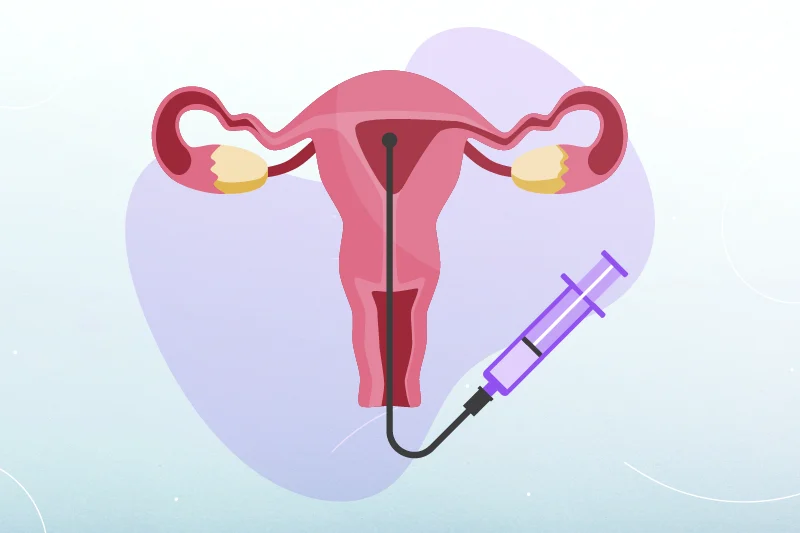
    Illustration of the uterus with a syringe, depicting the intrauterine insemination procedure.

    Coping with Infertility: How Counseling and Support Groups Can Help

    Apart from individual counseling, support groups can also be a valuable resource for those struggling with infertility. Support groups provide a sense of community and understanding, as individuals can connect with others who are going through similar experiences. Being part of a support group can help individuals feel less isolated and alone, as they can share their feelings, thoughts, and concerns with others who understand and can relate.

    Moreover, support groups can offer individuals and couples practical advice and resources. Members of the group can share their experiences with different fertility treatments, offer tips for managing stress and self-care, and provide recommendations for medical professionals and fertility clinics. These practical resources can be extremely helpful for those who may feel overwhelmed by the vast amount of information available online.

    In addition to individual and group counseling, online resources and forums can also provide support for individuals and couples dealing with infertility. Online communities allow individuals to connect with others worldwide and access a wealth of information and support. These communities can also be a source of hope, as individuals can find success stories and encouragement from others who have overcome infertility.

    In conclusion, coping with infertility can be a challenging and emotional journey, but individuals and couples do not have to go through it alone. Seeking counseling and support from others who understand and can provide guidance and resources can be immensely helpful in managing the emotional toll of infertility. By finding a safe and supportive space to express their emotions, exploring options, and connecting with others, individuals and couples can cope with infertility and find hope for the future.

  • The Power of Professional Guidance: Exploring Fertility Counseling

    Summary:

    Fertility can be a complex and emotional journey for many individuals and couples. As they navigate through various treatments and decisions, the support and guidance of a fertility counselor can be invaluable. In this blog post, we will explore the power of professional fertility counseling and how it can help individuals and couples cope with the challenges of infertility and achieve their dream of starting a family.

    First, we will discuss the benefits of seeking fertility counseling. This includes providing a safe and non-judgmental space to share feelings and concerns, as well as receiving personalized support and guidance from a trained professional. The next section will delve into the different types of fertility counseling available, such as individual, couples, and group counseling, and how each can address specific needs and challenges.

    Next, we will explore the various issues that may arise during the fertility journey, such as grief and loss, relationship strain, and decision-making. Fertility counseling can help individuals and couples navigate through these challenges and develop coping strategies to manage their emotions. Additionally, we will discuss how fertility counselors can also provide education and resources to help individuals and couples make informed decisions about their fertility treatments.

    Comparison of IUI and IVF treatments with diagrams of reproductive anatomy.

    The Power of Professional Guidance: Exploring Fertility Counseling

    The blog post will also address the misconception that fertility counseling is only for individuals and couples experiencing infertility. Fertility counseling can also be beneficial for those considering fertility treatments, such as egg freezing or surrogacy, as well as for individuals and couples who are in the process of adopting or using donor sperm or eggs. Fertility counseling can help individuals and couples explore their options, understand the emotional impact of these decisions, and prepare for the potential challenges ahead.

    Moreover, we will highlight the importance of including partners in the fertility counseling process. Infertility can strain even the strongest relationships, and fertility counseling can provide a space for partners to communicate and support each other through this journey. We will also discuss how fertility counseling can help individuals and couples address any underlying issues in their relationship and strengthen their bond.

    Finally, the blog post will touch upon the role of a fertility counselor in advocating for their clients and working alongside medical professionals. Fertility counselors can help individuals and couples communicate their needs and concerns to their medical team, as well as provide emotional support during fertility treatments. They can also help clients navigate the complex and overwhelming world of fertility treatments and make informed decisions.

    In conclusion, fertility counseling can be a powerful tool for individuals and couples on their fertility journey. It provides a safe and supportive space to process emotions, make decisions, and receive education and resources. Fertility counseling can help individuals and couples cope with the challenges of infertility and achieve their dream of starting a family.

  • The Emotional Toll: Choosing Between Artificial Insemination and Natural Conception

    Blog Post Title: The Emotional Toll: Choosing Between Artificial Insemination and Natural Conception

    Introduction:

    For many couples who are struggling with infertility, the decision to pursue artificial insemination or continue trying for a natural conception can be a difficult one. Both options have their own set of benefits and drawbacks, and it’s important for couples to carefully consider their emotional, physical, and financial well-being before making a choice. In this blog post, we will explore the emotional toll of choosing between artificial insemination and natural conception, and provide insights for those who may be facing this decision.

    The Emotional Toll of Infertility:

    Infertility can take a significant emotional toll on individuals and couples. The longing to have a child and the disappointment of not being able to conceive can lead to feelings of sadness, shame, and even anger. These emotions are further heightened when couples are faced with the decision of whether to pursue artificial insemination or continue trying for a natural conception.

    Choosing Artificial Insemination:

    Artificial insemination, also known as intrauterine insemination (IUI), involves inserting sperm directly into a woman’s uterus in order to increase the chances of conception. This method is often recommended for couples who have been trying to conceive for a year without success, or for those who have certain fertility issues such as low sperm count or ovulation problems.

    For some couples, the decision to pursue artificial insemination can bring a sense of relief. They may feel like they are finally taking control of their fertility and increasing their chances of conceiving. However, for others, the process can be emotionally draining. The constant monitoring of ovulation, injections, and the uncertainty of success can cause anxiety and stress.

    Additionally, artificial insemination can also be a financial burden for couples, as it can be expensive and not always covered by insurance. The pressure to invest in multiple cycles of insemination can also take a toll on a couple’s emotional well-being.

    Choosing Natural Conception:

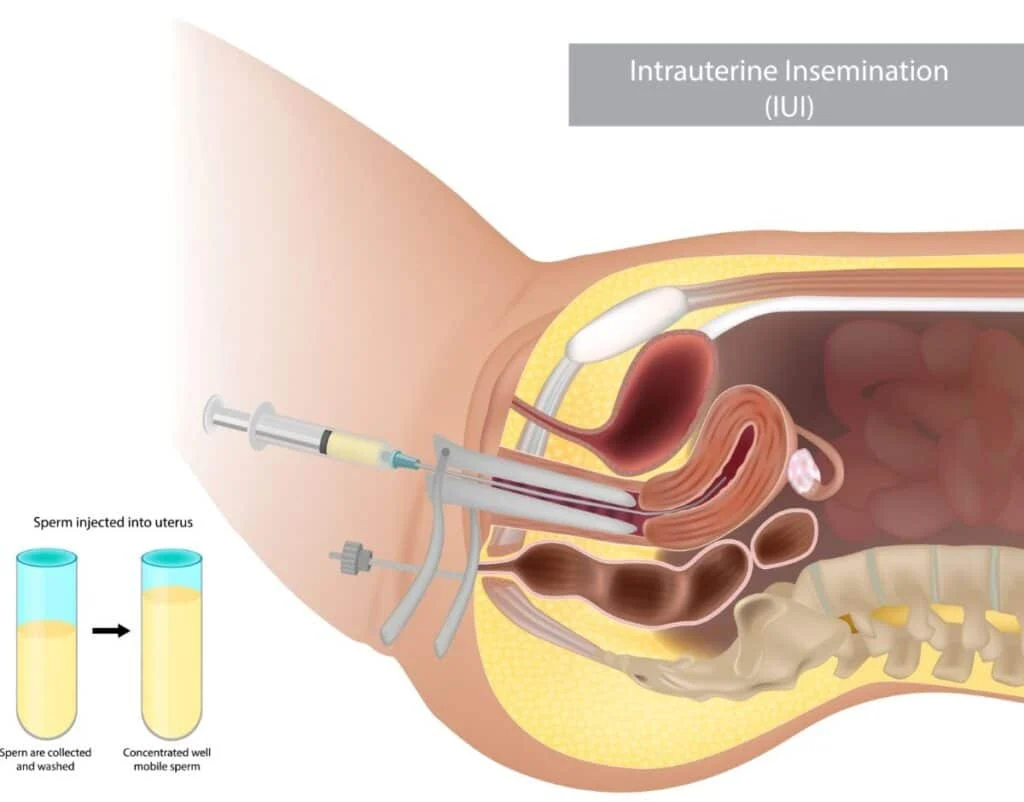
    Diagram illustrating intrauterine insemination (IUI) procedure with sperm injection into the uterus.

    The Emotional Toll: Choosing Between Artificial Insemination and Natural Conception

    On the other hand, some couples may choose to continue trying for a natural conception, either on their own or with the help of fertility treatments such as in vitro fertilization (IVF). For these couples, the decision to not pursue artificial insemination may be driven by personal beliefs, financial constraints, or the desire to try other methods first.

    While natural conception may seem like the less invasive and less expensive option, it can also come with its own emotional challenges. The constant disappointment of negative pregnancy tests and the pressure to keep trying can be overwhelming. Couples may also face judgment and insensitive comments from those who are not aware of their struggles with infertility.

    The Importance of Communication and Support:

    No matter which path a couple chooses, it’s important for them to communicate openly and support each other throughout the process. Infertility can put a strain on even the strongest of relationships, and it’s crucial for couples to lean on each other for emotional support.

    It’s also important for couples to seek support from loved ones, friends, or support groups who understand their struggles. Talking to others who have gone through similar experiences can provide a sense of validation and comfort.

    Coping with the Emotional Impact:

    Dealing with infertility and the decision of choosing between artificial insemination and natural conception can be emotionally exhausting. It’s important for couples to take care of themselves and prioritize their emotional well-being during this time. This can include practicing self-care, seeking counseling if needed, and taking breaks from the process when necessary.

    Conclusion:

    The decision to pursue artificial insemination or continue trying for a natural conception is a personal one, and there is no right or wrong choice. Both options come with their own emotional challenges, and it’s important for couples to carefully consider their physical, emotional, and financial well-being before making a decision. Open communication, support, and self-care are crucial in coping with the emotional toll of infertility and fertility treatments.

    In summary, couples facing infertility are often faced with the difficult decision of choosing between artificial insemination and natural conception. This blog post explores the emotional toll of this decision, as well as the importance of communication, support, and self-care during this process.

  • The Importance of a Support System During Fertility Treatment

    Blog Post: The Importance of a Support System During Fertility Treatment

    Fertility treatment can be a challenging and emotional journey for couples who are struggling to conceive. It can be physically and mentally draining, and the support of loved ones can make a significant difference. Having a reliable and understanding support system can help individuals and couples cope with the stress and uncertainty that comes with fertility treatment. In this blog post, we will discuss the importance of a support system during fertility treatment and how it can positively impact the process.

    1. Emotional Support

    Going through fertility treatment can be an emotionally taxing experience. The constant cycle of hope and disappointment can take a toll on one’s mental well-being. Having a support system, whether it’s a partner, family member, or friend, can provide a safe space to express emotions and receive comfort and encouragement. They can be a shoulder to cry on during the difficult moments and a source of strength and positivity during the ups and downs of the treatment.

    2. Practical Support

    Aside from emotional support, a support system can also offer practical help during fertility treatment. This can include accompanying the individual or couple to appointments, helping with household tasks, or taking care of other responsibilities to ease the burden. Fertility treatment often involves numerous appointments, procedures, and medications, and having someone to share the load can make a significant difference.

    3. Understanding

    One of the most challenging aspects of fertility treatment is feeling like no one understands what you are going through. It can be challenging to explain the complexities of the treatment to those who have not experienced it themselves. Having a support system that understands the process and is empathetic can be a great source of comfort. They can provide a listening ear and offer validation and understanding, making the individual or couple feel less alone.

    4. Advocacy

    test tube with sperm in blue liquid, promoting IUI success rate and factors influencing fertility.

    The Importance of a Support System During Fertility Treatment

    Fertility treatment can be overwhelming, and individuals or couples may feel like they are navigating unfamiliar territory. Having a support system that is knowledgeable about the process can be beneficial. They can help ask questions, clarify doubts, and act as advocates for the individual or couple during appointments and procedures. This can help alleviate some of the stress and anxiety associated with fertility treatment.

    5. Keeping a Positive Outlook

    With the many challenges and uncertainties associated with fertility treatment, it can be easy to lose hope and feel discouraged. A support system can play a crucial role in keeping a positive outlook. They can offer words of encouragement, remind the individual or couple of their strength and resilience, and provide a sense of hope and optimism. This positive energy can be a powerful force during fertility treatment and can help individuals and couples stay motivated and focused on their goal.

    6. Sharing the Journey

    Fertility treatment can be a lonely and isolating experience, but having a support system can change that. Sharing the journey with loved ones can make it feel less daunting and overwhelming. It can also bring individuals and couples closer together, strengthening their bond and creating a deeper understanding and appreciation for each other.

    7. Coping with Pregnancy Loss or Failure

    Unfortunately, not all fertility treatments result in a successful pregnancy. Experiencing a pregnancy loss or failure can be devastating, and having a support system during this difficult time is crucial. They can offer comfort and support, and help the individual or couple cope with the loss and heal emotionally.

    In conclusion, having a strong support system during fertility treatment can make a world of difference. It can provide emotional support, practical help, understanding, advocacy, positivity, and companionship. Whether it’s a partner, family member, friend, or support group, having a reliable and caring support system can help individuals and couples navigate the challenges of fertility treatment and increase their chances of success.

    Summary: Fertility treatment can be a challenging and emotional journey, and having a support system can make a significant difference. It can provide emotional and practical support, understanding, advocacy, positivity, and companionship. A support system can also help individuals and couples cope with pregnancy loss or failure. Having a strong support system during fertility treatment can increase the chances of success and make the journey feel less daunting and isolating.

  • The Role of Patience in Fertility Testing: How to Stay Positive During the Process

    The Role of Patience in Fertility Testing: How to Stay Positive During the Process

    Fertility testing can be a stressful and emotionally-charged journey for couples who are trying to conceive. It involves a series of medical procedures and tests that can take a toll on both physical and mental well-being. While the process can be overwhelming, it is important to remember that patience plays a crucial role in fertility testing. In this blog post, we will discuss the importance of patience in fertility testing and provide tips on how to stay positive during the process.

    Patience is Key in Fertility Testing

    The first step in fertility testing is to understand that it is a process, and it takes time. Many couples expect to get pregnant right away, but the reality is that it can take months or even years of trying. According to the American Pregnancy Association, about 85% of couples will conceive within the first year of trying, but for the remaining 15%, it may take longer. It is essential to have patience during this time and not get discouraged if the results are not immediate.

    Patience is also crucial when it comes to the actual testing procedures. Fertility testing can involve multiple appointments, blood tests, ultrasounds, and other procedures. It can be physically and emotionally draining, but it is essential to remain patient and trust in the process. It takes time for doctors to gather all the necessary information and make an accurate diagnosis, so it is important to be patient and let the process unfold.

    Staying Positive During Fertility Testing

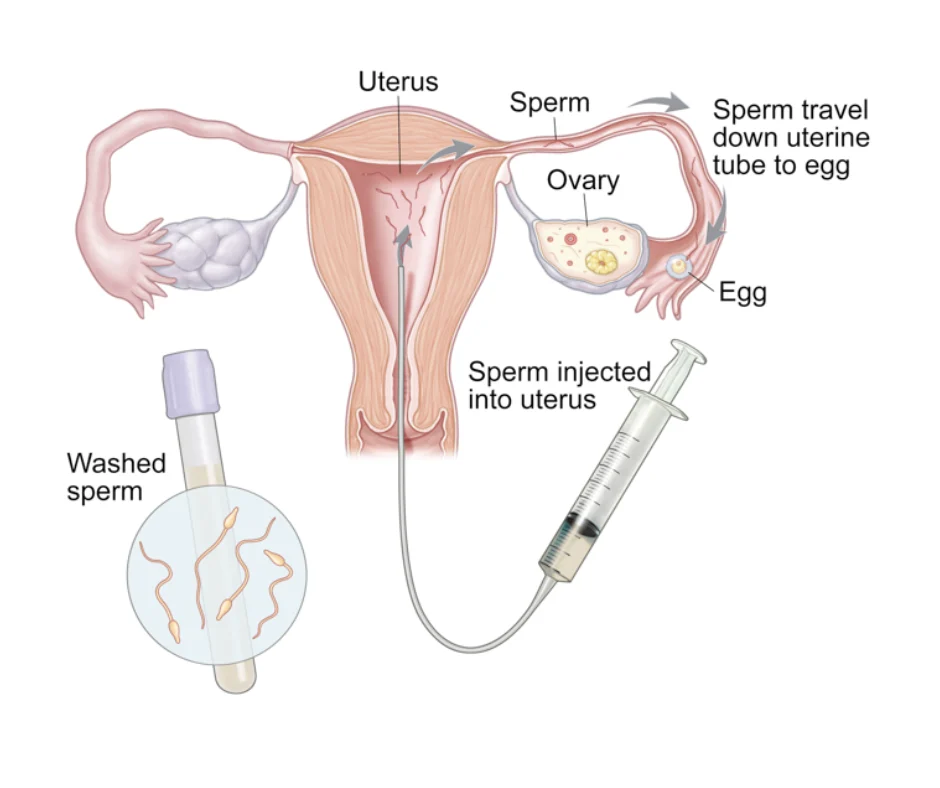
    diagram illustrating intrauterine insemination process, showing sperm injection into the uterus and egg fertilization pathway

    The Role of Patience in Fertility Testing: How to Stay Positive During the Process

    It is natural to feel anxious and stressed during fertility testing, but it is crucial to stay positive and keep a healthy mindset. Here are some tips to help you stay positive during the process:

    1. Take Care of Your Mental Health
    Fertility testing can be emotionally taxing, and it is essential to prioritize your mental health. It is okay to feel overwhelmed, sad, or frustrated, but it is important to acknowledge these emotions and find ways to cope with them. You can talk to a therapist, join a support group, or practice relaxation techniques like meditation or yoga. Taking care of your mental health can help you stay positive and resilient during fertility testing.

    2. Communicate with Your Partner
    Couples going through fertility testing may experience strain in their relationship due to the stress and pressure of the process. It is crucial to communicate openly with your partner and share your feelings and concerns. This can help strengthen your relationship and provide much-needed support during this challenging time.

    3. Stay Informed But Avoid Dr. Google
    It is essential to educate yourself about the fertility testing process and understand what to expect. However, it is important to avoid relying too much on information from the internet, as it can often be unreliable and cause unnecessary stress. Instead, trust your doctor and ask them any questions or concerns you may have.

    4. Practice Self-Care
    Fertility testing can be physically and emotionally demanding, so it is important to take care of yourself. Make time for activities that bring you joy and relaxation, such as reading, taking a walk, or spending time with loved ones. Taking care of yourself can help you stay positive and cope with the stress of fertility testing.

    5. Lean on Your Support System
    Do not be afraid to lean on your support system during fertility testing. Whether it is your partner, family, or friends, having a strong support system can make a significant difference in your mental and emotional well-being. They can provide a listening ear, offer words of encouragement, and help you stay positive during the process.

    In conclusion, patience is an essential ingredient in the fertility testing process. It takes time to understand and diagnose fertility issues, and it is important to trust in the process and remain patient. Additionally, staying positive and taking care of your mental and emotional well-being can help you cope with the stress and uncertainty of fertility testing. Remember, you are not alone, and there is always hope for a positive outcome.

  • The Emotional Impact of Fertility Testing: How to Cope with the Results

    Blog Post:

    The journey towards parenthood is an emotional rollercoaster, filled with both joy and frustration. For couples struggling with fertility issues, this journey can be even more challenging. One of the first steps in addressing fertility problems is undergoing fertility testing. While this process can provide valuable information and potential solutions, it can also have a significant emotional impact on individuals and couples. In this blog post, we will explore the emotional impact of fertility testing and provide tips on how to cope with the results.

    The Emotional Rollercoaster of Fertility Testing:

    Fertility testing can bring up a range of emotions, from anxiety and fear to hope and disappointment. For many, the process can feel invasive and overwhelming. The waiting period for test results can also be incredibly stressful, as it can feel like the fate of one’s dream of parenthood is hanging in the balance.

    For women undergoing fertility testing, there may be additional emotional challenges. The process can bring up feelings of inadequacy and failure, as society often places a lot of pressure on women to conceive and carry a child. Women may also feel a sense of guilt or shame about their bodies not functioning as they had hoped.

    For men, fertility testing can also be emotionally taxing. It may bring up feelings of inadequacy and emasculation, as society often ties masculinity to fertility and virility. Men may also feel a sense of guilt or responsibility for their partner’s struggles with fertility.

    Coping with Negative Results:

    Receiving negative results from fertility testing can be devastating for couples, as it may feel like their dream of having a child is slipping away. It is essential to acknowledge and validate these emotions and give yourself time to grieve. It is normal to feel sad, angry, and frustrated. It is crucial to communicate with your partner and support each other during this difficult time.

    It is also essential to seek support from friends, family, or a therapist. Talking about your feelings can be therapeutic and can help you process your emotions. Additionally, joining support groups or online communities with individuals going through similar experiences can provide a sense of understanding and connection.

    Exploring Different Options:

    illustration of intrauterine insemination procedure with a hand holding a speculum and syringe near the uterus

    The Emotional Impact of Fertility Testing: How to Cope with the Results

    Fertility testing may reveal that natural conception may not be possible for some couples. In these cases, it is important to explore other options such as fertility treatments, adoption, or surrogacy. While these options may bring up their own set of emotions, they can also provide hope and a sense of control.

    It is crucial to do research and seek guidance from medical professionals when considering these options. Understanding the risks, success rates, and financial implications can help you make an informed decision. It is also important to consider the emotional impact of these options and be prepared for the potential challenges that may arise.

    Dealing with Positive Results:

    On the other hand, receiving positive results from fertility testing can also bring up a mix of emotions. While it may bring a sense of relief and hope, it may also bring fear and anxiety about the next steps. Couples may worry about potential complications during pregnancy or the possibility of miscarriage.

    It is essential to communicate with your partner and seek support during this time. It is also crucial to take care of your mental and emotional well-being. Taking time for self-care activities such as exercise, meditation, or hobbies can help reduce stress and anxiety.

    Moving Forward:

    No matter the results of fertility testing, it is essential to remember that it does not define you or your worth as an individual or a couple. It is crucial to give yourself time to process your emotions and to communicate openly with your partner. Remember that there is no right or wrong way to feel and that it is okay to seek support from others.

    It is also important to be kind to yourself and practice self-compassion. Fertility testing can be a difficult and emotional process, and it is okay to take breaks and prioritize your mental and emotional well-being.

    In conclusion, fertility testing can have a significant emotional impact on individuals and couples. It is essential to acknowledge and validate these emotions and to seek support from loved ones and professionals. Remember that there are options available, and no matter the results, there is still hope for starting or growing your family.

    Summary:

    Fertility testing can be a difficult and emotional process for individuals and couples struggling with fertility issues. It can bring up feelings of anxiety, fear, and disappointment, and can also have a significant impact on one’s self-worth. Coping with negative results can involve giving yourself time to grieve, seeking support, and exploring different options. Positive results can also bring up a mix of emotions, and it is crucial to take care of one’s mental and emotional well-being. No matter the results, it is essential to remember that fertility testing does not define one’s worth, and there is still hope for starting or growing a family.

  • The Impact of Single Motherhood on Mental Health

    The Impact of Single Motherhood on Mental Health

    Being a mother is often described as one of the most challenging yet rewarding roles in life. However, when a woman becomes a single mother, the challenges she faces can become even greater. The responsibilities of raising a child alone, financial struggles, and lack of emotional support can all take a toll on a single mother’s mental health. In this blog post, we will explore the impact of single motherhood on mental health and provide some tips on how to cope with the challenges.

    Defining Single Motherhood

    Before delving into the impact, it is essential to define what single motherhood means. Single motherhood can be defined as the status of a mother who is not in a committed relationship with the father of her child. This can happen due to various reasons such as divorce, separation, abandonment, or even the choice to raise a child alone. Regardless of the circumstances, single motherhood can have a profound impact on a woman’s mental health.

    The Emotional Toll of Single Motherhood

    One of the most significant impacts of single motherhood on mental health is the emotional toll it takes on a woman. Many single mothers experience feelings of loneliness, isolation, and overwhelm. They may feel like they have no one to turn to for support and are solely responsible for their child’s well-being. This can lead to feelings of anxiety, depression, and even guilt for not being able to provide everything their child needs.

    Financial Struggles and Stress

    Single mothers are often the sole breadwinners for their families, which can lead to financial struggles and stress. They may have to work long hours to make ends meet, leaving little time for self-care or bonding with their children. This can also result in feelings of guilt for not being able to spend more time with their child and a constant worry about providing for their family’s basic needs. The stress of financial struggles can also manifest in physical health issues, such as headaches, muscle tension, and fatigue.

    Lack of Emotional Support

    Raising a child alone can be emotionally draining, and without a partner to share the responsibilities with, single mothers may struggle to find emotional support. They may feel like they have to put on a brave face and handle everything on their own, leading to feelings of isolation and burnout. The lack of emotional support can also impact a single mother’s self-esteem and confidence, making it harder for them to cope with the challenges of single motherhood.

    A person administering an injection into their abdomen with a yellow pen-like device.

    The Impact of Single Motherhood on Mental Health

    Tips for Coping with the Challenges

    While single motherhood can be challenging, there are ways to cope with the challenges and maintain good mental health. Here are some tips for single mothers to consider:

    1. Seek Support: It is essential to reach out for support, whether it be from family, friends, or a support group for single mothers. Having a support system can help alleviate feelings of isolation and provide a listening ear when needed.

    2. Take Care of Yourself: It is easy for single mothers to put their needs last, but self-care is crucial for maintaining good mental health. Make time for activities you enjoy, get enough rest, and prioritize your well-being.

    3. Set Realistic Expectations: As a single mother, it is essential to set realistic expectations for yourself and your child. Don’t put too much pressure on yourself to be the perfect mother, and understand that it is okay to ask for help when needed.

    4. Seek Professional Help: If you are struggling with your mental health, do not hesitate to seek professional help. A therapist or counselor can provide valuable support and guidance in managing the challenges of single motherhood.

    5. Connect with Other Single Mothers: Connecting with other single mothers can be beneficial as you can share experiences and support each other. Consider joining a local support group or online community for single mothers.

    Conclusion

    In conclusion, single motherhood can have a significant impact on a woman’s mental health. The emotional toll, financial struggles, and lack of support can all contribute to feelings of anxiety, depression, and stress. However, by seeking support, taking care of oneself, and setting realistic expectations, single mothers can cope with the challenges and maintain good mental health. Remember, it is okay to ask for help, and you are not alone in this journey of single motherhood.

    Summary:

    This blog post explores the impact of single motherhood on a woman’s mental health. It defines single motherhood and discusses the emotional toll, financial struggles, and lack of support that can contribute to mental health issues. The post also provides tips for coping with the challenges, including seeking support, self-care, and setting realistic expectations. In conclusion, while single motherhood can be challenging, it is possible to maintain good mental health with the right support and self-care.

  • The Emotional Toll of Fertility: How to Cope with DIY Treatments

    Blog Post:

    Fertility struggles can be emotionally draining, leaving couples feeling isolated, hopeless, and overwhelmed. While there are various medical treatments available, they can be costly and not always successful. This has led many couples to turn to DIY treatments, which can also come with their own set of emotional challenges. In this blog post, we will explore the emotional toll of fertility and provide tips on how to cope with DIY treatments.

    The Emotional Impact of Fertility Struggles

    The desire to have a child is a natural and instinctive one for many couples. When faced with fertility struggles, it can be a devastating blow to their dreams of starting a family. The constant disappointment and uncertainty can take a toll on a couple’s mental health and relationship. Many couples may experience feelings of guilt, inadequacy, and shame, as if they are failing at something that should come naturally.

    Moreover, the fertility journey often involves invasive and uncomfortable procedures, which can lead to physical and emotional discomfort. The hormonal treatments and medications can also cause mood swings, making it challenging to cope with daily life and relationships. The emotional impact of fertility struggles can be overwhelming and can affect many aspects of a couple’s life.

    Turning to DIY Treatments

    Due to the high costs and limited success rates of medical treatments, many couples are turning to DIY treatments as an alternative. DIY treatments include at-home insemination, tracking ovulation, and using fertility supplements and herbs. While these treatments may seem more affordable and accessible, they come with their own emotional challenges.

    One of the biggest emotional challenges of DIY treatments is the lack of medical supervision. Without a doctor’s guidance, couples may feel anxious and uncertain about the effectiveness and safety of the treatments. This can lead to increased stress and anxiety, which can further impact their mental health.

    Moreover, DIY treatments may not always be successful, leading to disappointment and feelings of failure. Unlike medical treatments, where a doctor can provide support and guidance, couples may feel alone and without resources when their DIY treatments fail. This can take a toll on their emotional well-being and cause strain on their relationship.

    Coping with DIY Treatments

    While DIY treatments may come with their own set of emotional challenges, there are ways to cope and manage the emotional toll of fertility struggles. Here are some tips to help you navigate the emotional journey of DIY treatments:

    diagram illustrating intrauterine insemination (IUI) with labeled reproductive anatomy and procedures

    The Emotional Toll of Fertility: How to Cope with DIY Treatments

    1. Seek Support

    One of the most important things you can do when facing fertility struggles is to seek support. This can be from friends and family, a support group, or a therapist. It is essential to have a safe space to share your feelings and concerns without judgment. Talking to others who have gone through similar experiences can also be incredibly helpful in feeling less alone.

    2. Educate Yourself

    With DIY treatments, it is crucial to educate yourself and gather as much information as possible. This can help ease some of the anxiety and uncertainty that comes with these treatments. However, it is essential to be cautious about the information you find online and to consult with a medical professional before trying any DIY treatments.

    3. Practice Self-Care

    The emotional toll of fertility struggles can be exhausting, and it is essential to take care of yourself. Engage in activities that bring you joy and relaxation, such as yoga, meditation, or spending time in nature. Make sure to also prioritize your physical health by getting enough sleep, eating well, and exercising regularly.

    4. Communicate with Your Partner

    Fertility struggles can put a strain on even the strongest of relationships. It is crucial to communicate openly and honestly with your partner about your feelings and concerns. Together, you can support each other through the emotional journey and find ways to cope with the challenges.

    5. Consider Professional Help

    If you find that the emotional toll of fertility struggles is overwhelming and affecting your daily life, it may be beneficial to seek professional help. A therapist or counselor can provide you with tools and techniques to manage your emotions and cope with the stress of fertility struggles.

    Summary:

    Fertility struggles can take a toll on a couple’s emotional well-being, leading to feelings of isolation, hopelessness, and stress. DIY treatments, while more affordable and accessible, can also come with their own set of emotional challenges. To cope with the emotional toll of DIY treatments, it is crucial to seek support, educate yourself, practice self-care, communicate with your partner, and consider professional help if needed.

  • The Emotional Rollercoaster of Sperm Donation and Co-Parenting: Tips for Coping and Finding Support

    The Emotional Rollercoaster of Sperm Donation and Co-Parenting: Tips for Coping and Finding Support

    Sperm donation and co-parenting are two paths to parenthood that have become increasingly popular in recent years. While both options offer the opportunity for individuals and couples to fulfill their dreams of having a child, they also come with unique emotional challenges. The decision to use a sperm donor or co-parent can be complicated and often leads to a rollercoaster of emotions. In this blog post, we will explore the emotional journey of sperm donation and co-parenting, and provide tips for coping and finding support along the way.

    The Decision to Use a Sperm Donor or Co-Parent

    The decision to use a sperm donor or co-parent is not one that is made lightly. For many individuals and couples, it is a last resort after years of struggling with infertility or unsuccessful attempts at conceiving through traditional methods. It can also be a conscious choice for those who identify as single or LGBTQ+ and want to start a family.

    Regardless of the reason behind the decision, it is a significant one that can bring up a range of emotions. Many people may feel excitement and hope for the future, but also fear and uncertainty about the unknown. They may also experience grief and sadness over the loss of the traditional idea of conceiving a child. It is essential to acknowledge and address these emotions before embarking on the journey of sperm donation or co-parenting.

    The Emotional Bond with the Donor or Co-Parent

    One of the challenges of sperm donation and co-parenting is navigating the emotional bond with the donor or co-parent. While some people may choose to have minimal contact with the other party, others may want a more involved relationship. This can lead to conflicting emotions, as the parties involved may have different expectations and boundaries.

    For those who choose to have a more involved relationship with the donor or co-parent, it is crucial to establish clear boundaries and communication from the beginning. This will help avoid any misunderstandings or hurt feelings down the road. It is also essential to be mindful of the emotional bond that may form between the child and the donor or co-parent. Open and honest communication with all parties involved is key to navigating these complex emotions.

    The Role of Society and Family in Sperm Donation and Co-Parenting

    Society’s attitudes and perceptions towards sperm donation and co-parenting can also have a significant impact on the emotional journey. Many people may face stigma and judgment from others for their decision to use a sperm donor or co-parent. This can lead to feelings of shame, isolation, and self-doubt.

    doctor discussing treatment with a patient in a medical office, featuring an ultrasound machine in the background

    The Emotional Rollercoaster of Sperm Donation and Co-Parenting: Tips for Coping and Finding Support

    Family dynamics can also play a role in the emotional journey of sperm donation and co-parenting. Some families may be supportive and accepting, while others may struggle to understand and may even reject the idea. It is crucial to set boundaries and communicate openly with family members about the decision and how they can support you.

    Coping with the Emotional Challenges

    The emotional journey of sperm donation and co-parenting can be a bumpy one, but there are ways to cope and find support. Here are some tips to help you through the process:

    1. Seek Counseling: Working with a therapist who specializes in fertility and family building can be incredibly beneficial. They can provide a safe and nonjudgmental space to process your emotions and offer coping strategies.

    2. Connect with Support Groups: Connecting with others who are going through a similar experience can be incredibly comforting and validating. Look for local support groups or online communities to connect with.

    3. Practice Self-Care: It is essential to take care of yourself during this emotional journey. Make time for activities that bring you joy and help you relax, such as exercise, meditation, or hobbies.

    4. Communicate Openly: Open and honest communication with all parties involved is crucial. This will help address any conflicts or misunderstandings and maintain healthy boundaries.

    5. Educate Yourself: Learning more about sperm donation and co-parenting can help you better understand and cope with the emotional challenges. There are many resources available online and in books that can provide valuable information and insights.

    The emotional journey of sperm donation and co-parenting can be a challenging one, but it is also a rewarding one. By acknowledging and addressing the emotions that arise, setting clear boundaries, and seeking support, you can navigate this journey and create a loving and supportive family.

    In summary, sperm donation and co-parenting are two paths to parenthood that come with unique emotional challenges. The decision to use a sperm donor or co-parent can bring up a range of emotions, and navigating the emotional bond with the donor or co-parent can be challenging. Society’s attitudes and family dynamics can also have an impact, and it is crucial to seek support and practice self-care to cope with the emotional challenges. By following these tips, you can navigate the emotional rollercoaster of sperm donation and co-parenting and create a loving family.

  • The Emotional Toll of Infertility: Coping with the Struggles of Natural Conception and Assisted Reproduction

    Summary:

    Infertility is a heartbreaking and emotionally challenging experience that affects millions of individuals and couples around the world. The inability to conceive naturally can take a toll on one’s mental health, self-esteem, and relationships. In this blog post, we will explore the emotional struggles of infertility and how individuals and couples can cope with them.

    The Emotional Impact of Infertility:

    The emotional impact of infertility can be devastating. The desire to have a child is a natural and fundamental human instinct, and when that desire is not fulfilled, it can lead to feelings of sadness, anger, frustration, and inadequacy. Many individuals and couples experience a sense of loss and grief, as they mourn the idea of not being able to have biological children. This can also lead to feelings of guilt, as they may blame themselves or each other for their inability to conceive.

    The Emotional Toll on Relationships:

    Infertility can also take a toll on relationships. The pressure and stress of trying to conceive can strain even the strongest relationships. Partners may experience feelings of blame, resentment, and frustration towards each other. The constant focus on trying to get pregnant can also lead to a decrease in intimacy and feelings of disconnect.

    The Emotional Struggles of Assisted Reproduction:

    For those who turn to assisted reproduction methods such as IVF, the emotional struggles can be even more intense. The financial burden, physical demands, and uncertainty of success can cause significant emotional distress. The ups and downs of the fertility treatment process can also lead to feelings of anxiety, hopelessness, and disappointment.

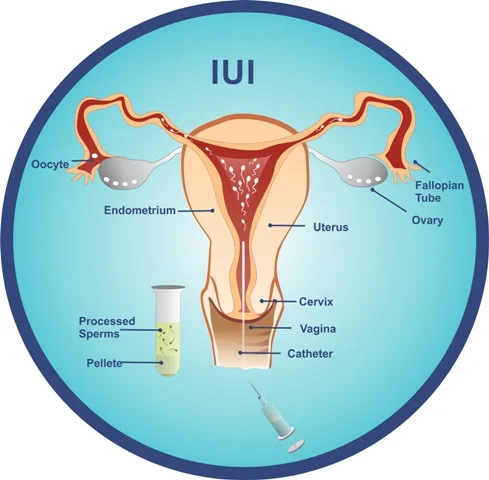
    diagram of the female reproductive system with an IUI syringe and test tube for artificial insemination

    The Emotional Toll of Infertility: Coping with the Struggles of Natural Conception and Assisted Reproduction

    Coping with the Emotional Toll of Infertility:

    1. Seek Support: It is important to seek support from friends, family, or a therapist. Talking about your feelings and experiences can help you feel less alone and provide a safe space to express your emotions.

    2. Take Care of Your Mental Health: Infertility can take a toll on one’s mental health, so it is important to prioritize self-care. This can include practicing relaxation techniques, exercising, and engaging in activities that bring you joy.

    3. Be Open and Honest with Your Partner: Communication is key in any relationship, especially when going through infertility. It is essential to be open and honest with your partner about your feelings, fears, and needs. This can help strengthen your relationship and provide much-needed support during this difficult time.

    4. Educate Yourself: Understanding the causes and treatments of infertility can help individuals and couples cope with the emotional struggles. It can also help them make informed decisions about their fertility journey.

    5. Set Realistic Expectations: It is essential to have realistic expectations when it comes to fertility treatments. It is not a guarantee of success, and there may be setbacks along the way. Setting realistic expectations can help manage disappointment and reduce stress.

    6. Take Breaks: Going through fertility treatments can be physically and emotionally exhausting. It is crucial to take breaks and engage in activities that bring you joy and relaxation. This can help reduce stress and improve overall well-being.

    7. Consider Support Groups: Support groups can provide a sense of community and understanding for individuals and couples going through infertility. It can be comforting to connect with others who are experiencing similar struggles and share experiences and advice.

    In conclusion, infertility can have a significant emotional toll on individuals and couples. It is essential to acknowledge and address these struggles and seek support when needed. With the right coping strategies, individuals and couples can navigate the emotional challenges of infertility and find ways to cope and thrive.