Tag: reproductive health

  • Navigating the World of Fertility: Supplements vs Medical Options

    Navigating the World of Fertility: Supplements vs Medical Options

    For many couples, starting a family is an exciting and cherished dream. However, for some, it may not come as easily as they had hoped. Fertility struggles can be emotionally and physically draining, leaving individuals feeling lost and unsure of where to turn. In recent years, the conversation around fertility has expanded, with more options and resources available for those struggling to conceive. Two popular options in this realm are fertility supplements and medical treatments. In this blog post, we will discuss the differences between these two options, and how to navigate the world of fertility to find the best approach for you.

    Understanding Fertility Supplements

    Fertility supplements are becoming increasingly popular as a natural and non-invasive option for those experiencing fertility issues. These supplements typically contain a combination of vitamins, minerals, and herbs that are believed to improve fertility. Some of the most commonly used ingredients in fertility supplements include folic acid, zinc, and chasteberry. These supplements are often marketed as a way to boost fertility by regulating hormones, improving egg and sperm quality, and increasing overall reproductive health.

    Pros and Cons of Fertility Supplements

    One of the main benefits of fertility supplements is that they are easily accessible and can be purchased over the counter without a prescription. They are also generally considered safe, with minimal side effects. Additionally, some studies have shown that certain ingredients in fertility supplements, such as folic acid, can indeed improve fertility.

    However, there are also some downsides to consider when it comes to fertility supplements. Firstly, they are not regulated by the FDA, meaning that the claims made by manufacturers may not be backed by scientific evidence. Additionally, the effectiveness of these supplements can vary greatly, and they may not work for everyone. It is also essential to note that supplements cannot treat underlying medical conditions that may be causing fertility issues.

    Understanding Medical Options

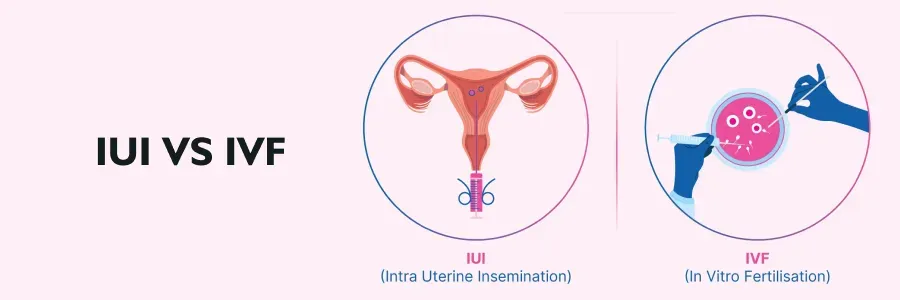
    Medical options for fertility treatment range from basic medications to more invasive procedures such as intrauterine insemination (IUI) and in vitro fertilization (IVF). These treatments are typically recommended for couples who have been trying to conceive for a year or more without success.

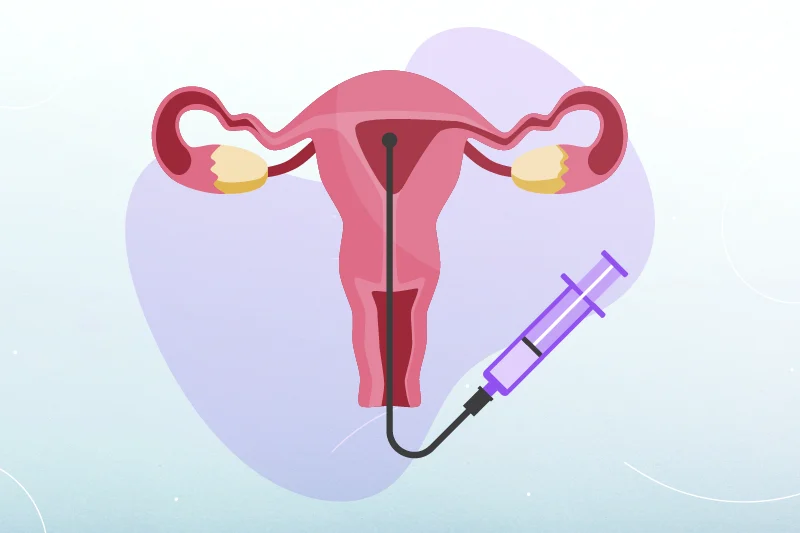
    illustration of a uterus with a syringe for intrauterine insemination (IUI) procedure

    Navigating the World of Fertility: Supplements vs Medical Options

    Medications such as clomiphene and letrozole are often used to stimulate ovulation in women. In cases of male infertility, medications such as hCG and clomiphene may be prescribed to improve sperm count and motility. IUI involves placing sperm directly into the uterus, while IVF involves retrieving eggs from the ovaries and fertilizing them with sperm in a laboratory setting before transferring the embryo back into the uterus.

    Pros and Cons of Medical Options

    One of the most significant advantages of medical treatments is that they are highly effective for many couples struggling with fertility issues. IVF, in particular, has a success rate of 40% for women under 35 and is often the last resort for those who have tried other methods without success. Medical treatments also have the advantage of being closely monitored by medical professionals, ensuring the best possible chances of success.

    However, medical options for fertility treatment can be very expensive, with IVF costing upwards of $12,000 per cycle. They also carry a higher risk of complications and side effects, and the emotional toll of undergoing these treatments can be significant. It is also crucial to note that these treatments do not guarantee pregnancy and may not work for everyone.

    Navigating the World of Fertility

    When it comes to choosing between fertility supplements and medical options, there is no one-size-fits-all solution. It is crucial to consult with a fertility specialist to determine the best course of action for your particular situation. This may involve a combination of both supplements and medical treatments.

    Supplements may be a good starting point for those who are not ready to try more invasive options, or for those with mild fertility issues. They can also be used in conjunction with medical treatments to support overall reproductive health. However, for those with underlying medical conditions or more severe fertility issues, medical treatments may be the best and most effective option.

    It is also essential to remember that both supplements and medical treatments are just one aspect of the fertility journey. Maintaining a healthy diet and lifestyle, reducing stress, and seeking emotional support can also greatly impact fertility.

    Summary

    Fertility struggles can be challenging, but with the increasing options available, there is hope for those wanting to start a family. Fertility supplements offer a natural and non-invasive option for improving fertility, while medical treatments provide a more targeted and effective approach for those with underlying medical conditions. The key is to consult with a fertility specialist and find the best approach for your individual needs, whether it be supplements, medical treatments, or a combination of both.
  • Breaking Down the Pros and Cons of Fertility Supplements and Medical Treatments

    Blog Post Title: Breaking Down the Pros and Cons of Fertility Supplements and Medical Treatments

    Fertility issues can be a sensitive and emotionally challenging topic for many couples. For those struggling to conceive, the desire to find a solution can lead them down various paths, including the use of fertility supplements and medical treatments. However, with so many options available, it can be overwhelming and confusing to determine which route is best. In this blog post, we will break down the pros and cons of both fertility supplements and medical treatments, giving you the information you need to make an informed decision.

    Fertility Supplements:

    Fertility supplements are a popular choice for couples looking to boost their chances of conceiving. These supplements come in various forms, such as pills, powders, and teas, and are often marketed as a natural and safe way to increase fertility. Let’s take a closer look at the pros and cons of using fertility supplements.

    Pros:
    1. Convenience: Fertility supplements are easily accessible and can be purchased over-the-counter or online without a prescription. This convenience makes it a popular choice for many couples.

    2. Natural ingredients: Many fertility supplements contain natural ingredients, such as herbs and vitamins, that are believed to have positive effects on fertility. This can be appealing to those who prefer a more holistic approach to their healthcare.

    3. Cost-effective: Compared to medical treatments, fertility supplements are generally more affordable, making them a budget-friendly option for couples struggling with fertility issues.

    4. Minimal side effects: As fertility supplements contain natural ingredients, they are generally considered safe and have minimal side effects. This can be a relief for those who are concerned about the potential risks of medical treatments.

    Cons:
    1. Lack of regulation: Unlike medical treatments, fertility supplements are not regulated by the FDA. This means that there is no guarantee of their safety or effectiveness, and the ingredients may not be accurately listed on the packaging.

    2. Limited research: There is limited scientific research on the effectiveness of fertility supplements. While some studies have shown positive results, more extensive and long-term research is needed to confirm their effectiveness.

    3. May not address underlying issues: Fertility supplements may help boost fertility, but they may not address any underlying issues that may be causing infertility. It is essential to consult a doctor to determine the root cause of fertility issues before relying solely on supplements.

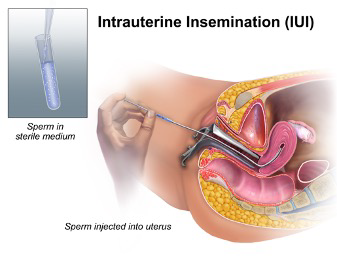
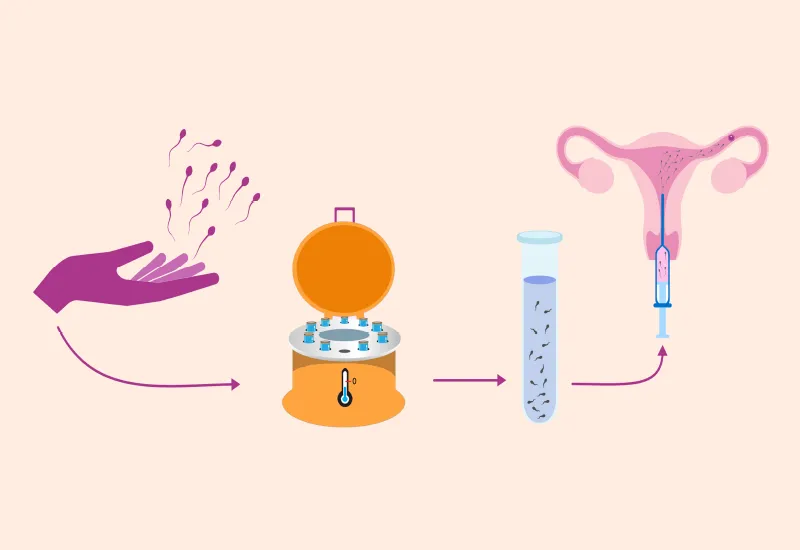
    illustration of the IUI process, showing sperm collection, preparation, and insertion into the uterus

    Breaking Down the Pros and Cons of Fertility Supplements and Medical Treatments

    Medical Treatments:

    Medical treatments for fertility involve the use of assisted reproductive technology (ART) to help couples conceive. These treatments can range from simple interventions, such as fertility drugs, to more complex procedures, such as in vitro fertilization (IVF). Here are the pros and cons of medical treatments for fertility.

    Pros:
    1. Address underlying issues: Medical treatments are often used to address underlying fertility issues, such as hormone imbalances or structural abnormalities. This can increase the chances of conception and reduce the time it takes to get pregnant.

    2. Higher success rates: Compared to fertility supplements, medical treatments have higher success rates. In particular, IVF has a success rate of 40% for women under 35, making it a viable option for couples struggling with infertility.

    3. Regulated and monitored: Medical treatments for fertility are regulated by the FDA, ensuring that they are safe and effective. These treatments are also closely monitored by doctors, making adjustments if necessary to increase the chances of success.

    Cons:
    1. Expensive: Medical treatments for fertility can be costly, with the average cost of an IVF cycle ranging from $12,000 to $17,000. This cost can be a significant barrier for couples who cannot afford these treatments.

    2. Invasive procedures: Some medical treatments, such as IVF, involve invasive procedures that can be physically and emotionally taxing for couples. These procedures may also come with potential risks and side effects.

    3. Emotional toll: Medical treatments for fertility can be emotionally draining, with the uncertainty of success and the rollercoaster of emotions that come with it. This can take a toll on a couple’s mental health and relationship.

    Conclusion:

    Both fertility supplements and medical treatments have their pros and cons, and the decision on which route to take is a personal one. It is crucial to consult with a doctor and do thorough research before making a decision. In some cases, a combination of both supplements and medical treatments may be the most effective approach. Remember, every individual is different, and what may work for one couple may not work for another.

    Regardless of which option you choose, it is essential to maintain a healthy lifestyle, including a balanced diet and regular exercise. Reducing stress levels and getting enough sleep can also positively impact fertility. Most importantly, remember to be patient and kind to yourself during this journey.

    In summary, fertility supplements offer convenience, natural ingredients, and minimal side effects, but lack regulation and research. On the other hand, medical treatments address underlying issues, have higher success rates, and are regulated and monitored, but can be expensive, invasive, and emotionally taxing. The key is to weigh the pros and cons and make the best decision for your unique situation.

  • Egg Donors and Sperm Banks: Artificial Insemination vs Natural Conception

    Egg donation and sperm banks have become increasingly popular methods for couples struggling with fertility issues to conceive a child. These methods involve using donated eggs and/or sperm to fertilize an embryo and implant it into the mother’s uterus. While both egg donation and sperm banks offer hopeful parents the opportunity to have a child, there are distinct differences between the two in terms of the process, cost, and success rates. In this blog post, we will explore the ins and outs of egg donors and sperm banks, and the differences between artificial insemination and natural conception.

    Egg donors are women who choose to donate their eggs to help others struggling with infertility to have a child. These women undergo a rigorous screening process to ensure they are healthy and suitable to be donors. Once selected, the egg donor will undergo a process called ovarian stimulation, where she will take medication to stimulate her ovaries to produce multiple eggs. These eggs are then retrieved through a minimally invasive surgical procedure. The eggs are then fertilized with the sperm of the intended father or a donor, and the resulting embryos are transferred into the recipient’s uterus.

    On the other hand, sperm banks are facilities that collect and store donated sperm for use in assisted reproductive technology (ART). Donated sperm is also rigorously screened for any genetic or infectious diseases before being frozen and stored. This allows individuals or couples to choose a sperm donor based on characteristics such as physical appearance, education, and medical history. The sperm can then be used for intrauterine insemination (IUI) or in vitro fertilization (IVF) procedures.

    One of the main differences between egg donors and sperm banks is the process involved. Egg donation requires a more invasive and time-consuming procedure compared to sperm donation. While sperm donation involves a simple process of collecting and freezing the sperm, egg donation requires the donor to undergo hormonal injections and a surgical procedure. This can also make egg donation more costly compared to sperm donation.

    The success rates of egg donation and sperm banks also differ. Egg donation has a higher success rate compared to sperm banks, with an average pregnancy success rate of 50%. This is because the quality of the egg is crucial in the success of the procedure. On the other hand, sperm banks have a success rate of around 20-30%. This can be affected by factors such as the quality of the sperm and the age of the woman receiving the sperm.

    Illustration of the uterus with a syringe, depicting the intrauterine insemination procedure.

    Egg Donors and Sperm Banks: Artificial Insemination vs Natural Conception

    Another significant difference between egg donors and sperm banks is the legal implications involved. In egg donation, the egg donor has no legal rights or responsibilities towards the child conceived using her donated eggs. The intended parents are considered the legal guardians of the child. However, in sperm donation, the sperm donor may have a legal obligation to the child, depending on the laws of the country or state. This can make sperm donation a more complicated process.

    When it comes to artificial insemination vs natural conception, there are also significant differences. Artificial insemination involves the use of assisted reproductive technology, such as IUI or IVF, to fertilize the egg outside the body and implant it into the uterus. Natural conception, on the other hand, occurs when a sperm fertilizes an egg inside the woman’s body through sexual intercourse. There are various reasons why couples may choose one over the other, including fertility issues, age, and personal preferences.

    While both artificial insemination and natural conception can result in a successful pregnancy, they have different success rates. Artificial insemination has a higher success rate compared to natural conception, especially for couples struggling with fertility issues. This is because the sperm is placed directly into the uterus, increasing the chances of fertilization. Natural conception, on the other hand, has a lower success rate and can take longer to achieve a pregnancy.

    In conclusion, egg donors and sperm banks offer hopeful parents the opportunity to have a child through assisted reproductive technology. However, there are significant differences between the two in terms of the process, cost, and success rates. Similarly, artificial insemination and natural conception also have distinct differences, and the choice between the two will depend on individual circumstances. It is essential to consult with a medical professional to determine the best option for you and your partner.

    Summary:
    Egg donors and sperm banks, both involving the use of donated eggs and sperm, are popular methods for couples struggling with fertility issues to conceive a child. Egg donors undergo a rigorous screening process and a surgical procedure to donate their eggs, while sperm banks collect and store donated sperm. The success rates, process, and legal implications differ between the two. Artificial insemination, using assisted reproductive technology, has a higher success rate compared to natural conception, where the sperm fertilizes the egg inside the woman’s body through sexual intercourse. It is essential to consult with a medical professional to determine the best option for you and your partner.

  • The Importance of Education: Understanding Artificial Insemination and Natural Conception

    Blog Post:

    Education is a powerful tool that has the ability to shape the world and transform lives. It is essential for individuals to acquire knowledge and skills to succeed in their personal and professional lives. One of the most crucial areas of education is reproductive health, specifically understanding the different methods of conception. In today’s world, there are two main ways of conceiving a child – artificial insemination and natural conception. Both methods have their own benefits and challenges, and it is crucial to have a deep understanding of them to make informed decisions about family planning. In this blog post, we will explore the importance of education in understanding artificial insemination and natural conception.

    The first step in understanding artificial insemination and natural conception is to have a basic knowledge of the female reproductive system. The female reproductive system consists of organs such as the ovaries, fallopian tubes, uterus, and cervix. These organs work together to produce and transport eggs, provide a suitable environment for fertilization, and support the growth and development of a fetus.

    Artificial insemination is a fertility treatment that involves the placement of sperm directly into a woman’s reproductive tract. This method is often used by couples who have difficulty conceiving due to male fertility issues, single women who want to have a child, or same-sex couples. There are two types of artificial insemination – intrauterine insemination (IUI) and intracervical insemination (ICI). IUI involves placing sperm directly into the uterus, while ICI involves placing sperm into the cervix. Both methods increase the chances of fertilization by bringing the sperm closer to the egg.

    Natural conception, on the other hand, refers to the process of conceiving a child without any medical intervention. This method involves the natural process of fertilization, where an egg is released from the ovaries and travels through the fallopian tubes, where it may be fertilized by sperm. Natural conception is the most common way of conceiving a child and does not require any medical assistance.

    Education plays a crucial role in understanding the differences between artificial insemination and natural conception. One of the main differences between the two methods is the level of control over the timing of conception. With artificial insemination, the timing of sperm placement can be controlled, whereas in natural conception, it relies on the natural process of ovulation. Understanding this difference is essential for couples who are trying to conceive and are considering fertility treatments.

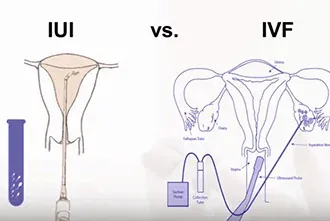
    Comparison of IUI and IVF with illustrations of each procedure.

    The Importance of Education: Understanding Artificial Insemination and Natural Conception

    Another important aspect to consider is the success rates of each method. Artificial insemination has a higher success rate compared to natural conception, especially for couples who have fertility issues. However, it is important to note that success rates can vary depending on factors such as age, overall health, and underlying medical conditions. With the right education and guidance, couples can make informed decisions about which method may be most suitable for them.

    In addition to understanding the technical aspects of artificial insemination and natural conception, education also plays a vital role in addressing any emotional and psychological challenges that may arise. For couples struggling with infertility, the journey to parenthood can be emotionally draining. Education can help individuals and couples cope with the emotional rollercoaster that comes with fertility treatments, and provide them with the necessary support and resources to navigate through this challenging time.

    Moreover, education is essential in understanding the ethical considerations surrounding artificial insemination and natural conception. With artificial insemination, there are ethical questions around the use of donor sperm and the potential implications for the child. Education can help individuals and couples make informed decisions about whether to use donor sperm and the potential consequences it may have on their future family dynamics.

    In conclusion, education is crucial in understanding artificial insemination and natural conception. It provides individuals and couples with the necessary knowledge and skills to make informed decisions about their reproductive health. With the right education, individuals can navigate through the complexities of fertility treatments and have a better understanding of the implications and challenges that come with them. Additionally, education can also help individuals and couples cope with the emotional and ethical considerations involved in the process. It is a powerful tool that can ultimately empower individuals to make the best decisions for themselves and their families.

    Summary:

    Education plays a critical role in understanding the two methods of conception – artificial insemination and natural conception. Both methods have their own benefits and challenges, and education can provide individuals with the necessary knowledge and skills to make informed decisions about their reproductive health. It is essential to understand the technical aspects, success rates, emotional and psychological impact, and ethical considerations of both methods. With the right education, individuals can navigate through the complexities of fertility treatments and make the best decisions for themselves and their families.

  • The Role of Science: Artificial Insemination or Natural Conception?

    The Role of Science: Artificial Insemination or Natural Conception?

    Science has played a significant role in human reproduction for centuries, from the discovery of the ovum and sperm to the development of fertility treatments. One of the most controversial topics in the field of reproductive science is the use of artificial insemination versus natural conception. While both methods have their advantages and disadvantages, the decision between them ultimately depends on various factors, including individual circumstances and preferences.

    Artificial insemination, also known as intrauterine insemination (IUI), is a form of assisted reproductive technology (ART) that involves the direct placement of sperm into a woman’s uterus. This method is commonly used for couples who have been trying to conceive naturally but have not been successful due to male factor infertility, unexplained fertility issues, or same-sex couples. It is also an option for single women who wish to become pregnant. IUI can be performed with either the partner’s sperm or donor sperm, depending on the situation.

    The process of artificial insemination starts with a thorough evaluation of the woman’s reproductive health, including hormone levels, ovulation, and the condition of her uterus and fallopian tubes. If any issues are detected, they can be addressed before the procedure to increase the chances of success. The sperm is collected, washed, and prepared in a laboratory, ensuring that only the healthiest and most active sperm are used for insemination. The sperm is then inserted into the woman’s uterus using a thin catheter, which is a relatively painless and quick procedure.

    One of the significant advantages of artificial insemination is that it bypasses any potential issues with male fertility. It also allows for the selection of healthy and viable sperm, increasing the chances of conception. The procedure itself is minimally invasive and less expensive compared to other fertility treatments like in vitro fertilization (IVF). It also has a higher success rate than natural conception, with up to 20% success rate per cycle.

    However, artificial insemination also has its limitations and potential risks. The success rate decreases with age and certain medical conditions, such as blocked fallopian tubes or severe male factor infertility. There is also a risk of multiple pregnancies, which can be a concern for some couples. In addition, the use of donor sperm can raise ethical and legal concerns, especially when it comes to disclosing the information to the child.

    diagram illustrating intrauterine insemination process, showing sperm injection into the uterus and egg fertilization pathway

    The Role of Science: Artificial Insemination or Natural Conception?

    On the other hand, natural conception is the most traditional and common method of conceiving a child. It involves the fertilization of an egg by sperm during sexual intercourse. This process is entirely natural and does not require any medical intervention. It also allows for the creation of a biological connection between the parents and the child.

    Natural conception has its benefits, such as being the most affordable and accessible option for most couples. It also has a higher success rate for couples with no underlying fertility issues. In addition, it eliminates the need for any medical procedures or the use of donor sperm, addressing the ethical and legal concerns mentioned earlier.

    However, natural conception is not always feasible for all couples. It requires both partners to have healthy reproductive systems and the ability to ovulate and produce sperm. Infertility affects approximately 1 in 8 couples, making natural conception a challenging option for many. It also does not allow for the selection of healthy sperm, increasing the risk of genetic disorders or fertility issues in the child.

    In conclusion, the decision between artificial insemination and natural conception ultimately depends on the individual circumstances of each couple. For couples struggling with infertility, artificial insemination may be the best option to increase their chances of conceiving. However, for those who can conceive naturally, natural conception may be the preferred and more ethical choice. It is essential to consult with a fertility specialist and weigh the pros and cons of each method before making a decision.

    In the ever-evolving field of reproductive science, both artificial insemination and natural conception have their place in helping couples achieve their dream of starting a family. As science continues to advance, it is crucial to have open and honest discussions about the role of science in human reproduction and the ethical considerations that come with it.

    SEO metadata:

  • The Science Behind Conception: Understanding the Differences Between Intrauterine Insemination vs Timed Intercourse

    Summary:

    Conception, the process of fertilization and implantation of an egg in the uterus, is a crucial step in human reproduction. However, for some couples, this process can be challenging and may require assistance from fertility treatments. In this blog post, we will dive into the science behind conception and explore the differences between two common fertility treatments: intrauterine insemination (IUI) and timed intercourse.

    First, let’s understand the basics of conception. The female reproductive system releases an egg each month during ovulation, which travels through the fallopian tubes to the uterus. If the egg meets a sperm during this journey and is fertilized, it implants in the uterine lining, resulting in pregnancy. However, this process can be affected by various factors such as age, hormonal imbalances, and reproductive issues.

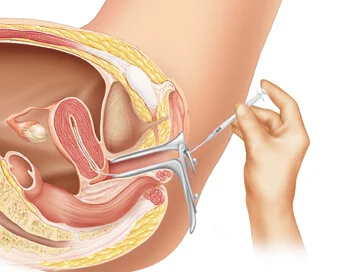
    One of the most common fertility treatments used to aid conception is intrauterine insemination (IUI). This process involves inserting washed and concentrated sperm directly into the uterus, bypassing the cervix and increasing the chances of fertilization. IUI is often recommended for couples with low sperm count or motility, unexplained infertility, or difficulties with timed intercourse.

    On the other hand, timed intercourse involves tracking a woman’s ovulation and having intercourse during her fertile window. This method relies on the natural process of fertilization, with the goal of increasing the chances of sperm meeting the egg. This method is often recommended for couples with a regular menstrual cycle and no underlying fertility issues.

    illustration of intrauterine insemination procedure with a hand holding a speculum and syringe near the uterus

    The Science Behind Conception: Understanding the Differences Between Intrauterine Insemination vs Timed Intercourse

    Now, let’s take a closer look at the science behind these two methods. IUI provides a higher concentration of sperm directly to the uterus, reducing the distance the sperm needs to travel to reach the egg. It also bypasses any cervical mucus that may hinder sperm movement. However, the success of IUI greatly depends on the quality and quantity of sperm used.

    On the other hand, timed intercourse relies on the natural process of ovulation and sperm survival. Typically, the egg is only viable for about 24 hours after ovulation, while sperm can survive in the female reproductive tract for up to five days. Therefore, timing intercourse during the fertile window is crucial for this method to be successful.

    Both IUI and timed intercourse have their pros and cons, and the success rates may vary depending on the individual’s fertility factors. In some cases, doctors may recommend using both methods together to increase the chances of conception.

    It’s essential to note that fertility treatments, including IUI and timed intercourse, are not a guarantee for pregnancy. There are various factors at play, and it’s crucial to work closely with a fertility specialist to find the best treatment plan for each individual.

    In conclusion, understanding the science behind conception can help couples struggling with fertility issues make informed decisions about their treatment options. Both IUI and timed intercourse have their unique benefits and can be effective in helping couples conceive. However, it’s essential to work closely with a fertility specialist and consider all factors before deciding on a treatment plan.

  • Fertility and Nutrition: The Top Foods for Boosting Conception

    Summary:

    Fertility is a topic that is often surrounded by myths and misconceptions, but one thing is certain: nutrition plays a crucial role in boosting conception. A well-balanced and nutrient-rich diet can improve both male and female fertility by helping regulate hormones, improving egg and sperm quality, and increasing overall reproductive health. In this blog post, we will discuss the top foods that can help boost fertility and increase the chances of conception.

    Key Foods for Boosting Conception:

    1. Leafy Greens: Leafy greens like spinach, kale, and broccoli are rich in folate, a B vitamin that is crucial for reproductive health. Folate helps in the production of healthy eggs and sperm, and it also reduces the risk of birth defects.

    2. Avocado: Avocados are a great source of monounsaturated fats, which are essential for hormone production. They also contain vitamin E, which is known to improve sperm quality.

    3. Berries: Berries are packed with antioxidants, which help protect eggs and sperm from damage caused by free radicals. They are also rich in vitamin C, which can improve sperm quality and motility.

    4. Whole Grains: Whole grains like brown rice, quinoa, and oats are high in complex carbohydrates, which help regulate blood sugar levels. They also contain B vitamins, iron, and fiber, all of which are important for fertility.

    Illustration of intrauterine insemination (IUI) procedure, showing sperm injection into the uterus.

    Fertility and Nutrition: The Top Foods for Boosting Conception

    5. Nuts and Seeds: Nuts and seeds are a great source of healthy fats and protein, which are essential for hormone production and reproductive health. They also contain zinc, which is important for sperm health, and selenium, which can improve egg quality.

    6. Fatty Fish: Fatty fish like salmon, sardines, and mackerel are rich in omega-3 fatty acids, which have been linked to improved fertility in both men and women. Omega-3s also help reduce inflammation and regulate hormones.

    7. Eggs: Eggs are a great source of protein, which is important for hormone production. They also contain choline, a nutrient that is essential for fetal brain development.

    8. Legumes: Legumes like lentils, beans, and chickpeas are rich in plant-based protein and fiber, which can help regulate blood sugar levels and promote ovulation. They also contain iron and folate, which are important for reproductive health.

    9. Citrus Fruits: Citrus fruits like oranges, lemons, and grapefruits are rich in vitamin C, which can improve sperm quality and motility. They also contain folate and potassium, which are important for reproductive health.

    10. Dairy Products: Dairy products like milk, cheese, and yogurt are rich in calcium, which is essential for bone health. They also contain vitamin D, which has been linked to improved fertility in women.

    In addition to including these key foods in your diet, it’s important to maintain a healthy weight and limit your intake of processed foods, alcohol, and caffeine. Regular exercise can also help improve fertility by reducing stress levels and promoting hormone balance.

    In conclusion, a well-rounded and nutrient-rich diet is essential for boosting fertility and increasing the chances of conception. By incorporating these top foods into your diet and making healthy lifestyle choices, you can improve your reproductive health and increase the likelihood of a successful pregnancy.

  • The Role of Genetics in Fertility: How It Affects Your Options

    Blog Post: The Role of Genetics in Fertility: How It Affects Your Options

    Fertility is a complex and deeply personal topic that can be affected by a variety of factors. One important factor that often goes overlooked is genetics. Our genes play a significant role in our reproductive health and can influence our fertility in many ways. In this blog post, we will explore the role of genetics in fertility and how it can impact your options when it comes to starting a family.

    Understanding Genetics and Fertility

    Genetics refers to the study of genes, their functions, and how they are inherited. Our genes contain the instructions for our bodies to develop and function properly, including our reproductive system. These instructions are passed down from our parents and can have a significant impact on our overall health, including our fertility.

    Genetics and Infertility

    Research has shown that genetics can contribute to a variety of fertility issues, including both male and female infertility. For women, genetic factors can impact the development of the reproductive organs, hormone levels, and egg quality. In men, genetics can affect sperm production, motility, and overall semen quality.

    Some genetic conditions, such as polycystic ovary syndrome (PCOS) and endometriosis, are known to cause fertility problems. These conditions are often inherited and can make it more difficult for women to get pregnant. In men, genetic conditions like Klinefelter syndrome and Y-chromosome deletions can lead to low sperm count and infertility.

    Genetics and Family Planning Options

    When it comes to family planning, understanding your genetic makeup can provide valuable insights and options. For example, if you and your partner both carry a genetic mutation that increases the risk of passing on a genetic disorder to your child, you may choose to undergo genetic testing and consider alternative options like in vitro fertilization (IVF) with preimplantation genetic testing (PGT). This can help reduce the risk of passing on a genetic disorder to your child.

    In some cases, genetic testing can also help identify underlying fertility issues that may be addressed with medical interventions. For example, if a woman carries a genetic mutation that affects her egg quality, she may opt for IVF with the use of donor eggs to increase her chances of conceiving.

    illustration of a uterus with a syringe for intrauterine insemination (IUI) procedure

    The Role of Genetics in Fertility: How It Affects Your Options

    Genetics and Reproductive Aging

    As we age, our reproductive abilities decline, and this is largely influenced by our genes. Women are born with a finite number of eggs, and the quality of these eggs decreases as we get older. This is largely determined by our genetic makeup. Some women may have a genetic predisposition to experience early menopause, which can significantly impact their chances of conceiving later in life.

    For men, aging can also affect fertility as it can lead to a decline in sperm quality and quantity. This decline is largely determined by genetics, and some men may experience a more rapid decline than others.

    Genetics and Fertility Treatments

    For couples struggling with fertility issues, genetics can also play a role in the success of fertility treatments. For example, the success rates of IVF can vary depending on the quality of eggs and sperm, which are largely determined by genetics. Couples may also be more likely to experience recurrent pregnancy loss if they carry certain genetic mutations.

    However, advances in technology, such as PGT, can help increase the chances of a successful pregnancy by identifying and selecting embryos with the best chance of implantation and development. PGT can also screen for genetic disorders to reduce the risk of passing them on to the child.

    The Importance of Genetic Counseling

    Given the significant impact of genetics on fertility, it is essential to seek out genetic counseling when considering starting a family. A genetic counselor can help you understand your genetic makeup and the potential risks and options for future family planning. They can also provide guidance and support for couples facing fertility challenges due to genetic factors.

    In addition to genetic counseling, it is also crucial to maintain open communication with your doctor about any family history of genetic disorders or fertility issues. This can help them better understand your unique situation and provide appropriate care and treatment options.

    Summary:

    Genetics play a crucial role in fertility, influencing everything from the development of reproductive organs to the quality of eggs and sperm. Genetic conditions can also lead to fertility issues, and understanding your genetic makeup can provide valuable insights and options for family planning. As we age, our genetics also play a role in reproductive aging, making it important to seek out genetic counseling and maintain open communication with your doctor. Advances in technology, such as PGT, can also help increase the chances of a successful pregnancy for couples facing fertility challenges due to genetic factors.

  • Fertility Myths vs. Reality: Debunking Common Misconceptions

    Blog Post Title: Fertility Myths vs. Reality: Debunking Common Misconceptions

    Summary:

    Fertility is a topic that is surrounded by a great deal of misinformation and misconceptions. Many people have preconceived notions about fertility that are not based on facts, leading to confusion and anxiety about their reproductive health. In this blog post, we will debunk some of the most common fertility myths and provide evidence-based information to help you better understand your fertility.

    Myth #1: Women are most fertile in their 20s.

    Reality: While it is true that women are most fertile in their 20s, this does not mean that it is the only time they can get pregnant. In fact, a woman’s fertility does not decline significantly until her mid to late 30s. While age can affect fertility, there are many other factors that play a role, such as overall health and lifestyle choices.

    Myth #2: Birth control can permanently affect fertility.

    Reality: This is a common misconception that has been debunked by numerous studies. Birth control methods, such as the pill, IUDs, and injections, do not have a long-term impact on fertility. In fact, birth control can actually help regulate menstrual cycles and improve fertility in some cases.

    Myth #3: Men don’t have fertility problems.

    Reality: Fertility issues are often associated with women, but the truth is that men can also experience fertility problems. In fact, male infertility accounts for about 40% of all cases of infertility. Factors such as age, health, and lifestyle choices can all affect male fertility.

    Myth #4: Stress can cause infertility.

    Reality: While stress can certainly affect our overall health and well-being, there is no evidence to suggest that it can directly cause infertility. While it is important to manage stress for overall health, it is not a direct cause of fertility problems.

    Myth #5: Having sex every day increases your chances of getting pregnant.

    Cost breakdown for IUI components, including requirements, impacts, and alternatives.

    Fertility Myths vs. Reality: Debunking Common Misconceptions

    Reality: This myth stems from the belief that more frequent sex will increase the chances of sperm meeting the egg. However, studies have shown that sperm quality can decrease with frequent ejaculation, making it less likely to result in pregnancy. Instead, it is recommended to have sex every 2-3 days during the most fertile window of a woman’s cycle.

    Myth #6: You can’t get pregnant while breastfeeding.

    Reality: While breastfeeding can delay the return of ovulation and menstruation, it is not a reliable form of birth control. Women can still ovulate and get pregnant while breastfeeding, so it is important to use contraception if you do not want to become pregnant.

    Myth #7: Infertility is a woman’s problem.

    Reality: As mentioned earlier, both men and women can experience fertility problems. It is important for both partners to undergo fertility testing if they are having trouble conceiving. In some cases, male infertility may be the primary cause, and it is essential to address this in order to achieve pregnancy.

    Myth #8: If you have had one successful pregnancy, you won’t have trouble getting pregnant again.

    Reality: While it is true that having one successful pregnancy can be a good indicator of fertility, it is not a guarantee. Fertility can change over time, and other factors such as age and health can play a role in subsequent pregnancies.

    Myth #9: Eating certain foods can increase fertility.

    Reality: There is no specific food or diet that has been scientifically proven to increase fertility. However, maintaining a healthy and balanced diet can improve overall health, which in turn can have a positive effect on fertility.

    Myth #10: Fertility treatments always result in multiple pregnancies.

    Reality: While some fertility treatments, such as IVF, can result in multiple pregnancies, this is not always the case. With advancements in technology and techniques, fertility treatments can now be tailored to reduce the risk of multiple pregnancies. It is important to discuss the potential risks and benefits of each treatment option with a fertility specialist.

    In conclusion, fertility is a complex topic, and it is important to separate fact from fiction. While there are many myths and misconceptions surrounding fertility, it is essential to seek out accurate and evidence-based information to better understand your reproductive health. If you are experiencing fertility problems, it is important to consult with a fertility specialist who can provide personalized care and treatment options.

  • The Importance of Nutrition in Fertility: Tips for a Healthy Diet

    Blog Post:

    When it comes to fertility, many factors can play a role, including age, genetics, and lifestyle. One crucial aspect that often gets overlooked is nutrition. What we eat has a significant impact on our bodies and can greatly affect our ability to conceive. In this blog post, we will explore the importance of nutrition in fertility and provide tips for a healthy diet to boost fertility.

    The Connection between Nutrition and Fertility

    It is no secret that proper nutrition is essential for overall health. But when it comes to fertility, the link between the two becomes even more critical. Nutrition plays a vital role in the production of eggs and sperm, the development of a healthy embryo, and the maintenance of a healthy pregnancy.

    Studies have shown that both male and female fertility can be significantly affected by diet. For women, a diet rich in nutrients can help regulate hormone levels, improve egg quality, and increase the chances of ovulation. On the other hand, for men, a healthy diet can improve sperm count, motility, and morphology.

    Tips for a Healthy Diet to Boost Fertility

    Now that we understand the importance of nutrition in fertility let’s look at some tips for a healthy diet that can help improve your chances of conceiving.

    1. Eat a Balanced Diet

    The best way to ensure you are getting all the necessary nutrients is to follow a balanced diet. A balanced diet includes a variety of fruits, vegetables, whole grains, lean proteins, and healthy fats. These foods provide essential vitamins, minerals, and antioxidants that are crucial for reproductive health.

    2. Choose Complex Carbohydrates

    Refined carbohydrates, such as white bread, rice, and pasta, can cause a spike in blood sugar levels, which can lead to insulin resistance. This can disrupt hormone levels and affect ovulation in women. Instead, opt for complex carbohydrates like whole grains, legumes, and fruits, which provide a steady release of energy and help regulate insulin levels.

    3. Increase Your Intake of Folate and Iron

    Comparison of IUI and IVF treatments with diagrams of reproductive anatomy.

    The Importance of Nutrition in Fertility: Tips for a Healthy Diet

    Folate and iron are two essential nutrients for fertility. Folate is crucial for the development of a healthy embryo and can help prevent birth defects. Iron, on the other hand, is necessary for the production of red blood cells and can help prevent anemia, which can affect ovulation and embryo development. Good sources of folate include leafy greens, legumes, and fortified cereals, while iron can be found in lean meats, leafy greens, and beans.

    4. Include Healthy Fats in Your Diet

    Healthy fats, such as omega-3 fatty acids, are essential for reproductive health. These fats can help regulate hormone levels, improve egg quality, and increase blood flow to the reproductive organs. Good sources of healthy fats include fatty fish like salmon and tuna, avocados, nuts, and seeds.

    5. Stay Hydrated

    Dehydration can affect fertility by reducing cervical mucus, which plays a crucial role in helping sperm reach the egg. It is recommended to drink at least eight glasses of water a day to stay hydrated. You can also include other hydrating beverages like herbal teas and unsweetened fruit juices.

    6. Limit Processed Foods and Added Sugars

    Processed foods and added sugars are high in calories but offer little to no nutritional value. These foods can cause inflammation in the body, which can affect ovulation and sperm quality. Instead, choose whole, unprocessed foods that are low in added sugars.

    7. Consider Supplements

    While a healthy diet should provide all the necessary nutrients, sometimes it may be challenging to get enough through food alone. In such cases, it is recommended to take supplements, but always consult with your doctor before starting any new supplements.

    In conclusion, proper nutrition is crucial for fertility. A healthy diet not only improves your chances of conceiving but also ensures a healthy pregnancy and baby. By following the tips mentioned above and making small changes to your diet, you can boost your fertility and increase your chances of starting a family. Remember to be patient and consistent with your diet, as it can take some time for changes to reflect in your fertility.

    Summary:

    In this blog post, we have discussed the importance of nutrition in fertility and provided tips for a healthy diet to boost fertility. Nutrition plays a crucial role in the production of eggs and sperm, the development of a healthy embryo, and the maintenance of a healthy pregnancy. A balanced diet that includes complex carbohydrates, folate, iron, healthy fats, and hydration is essential for reproductive health. Limiting processed foods and added sugars and considering supplements can also help improve fertility. By following these tips, you can increase your chances of conceiving and ensure a healthy pregnancy and baby.