Tag: reproductive health

  • Fertility Preservation for Men: Exploring Sperm Banking

    Fertility Preservation for Men: Exploring Sperm Banking

    Fertility is a vital aspect of human life, and for many men, the thought of not being able to have biological children can be devastating. However, advances in medical technology have made it possible for men to preserve their fertility through a process called sperm banking. Sperm banking involves collecting and storing a man’s semen so that it can be used for future fertility treatments. In this blog post, we will explore the process of sperm banking, its benefits, and how men can go about preserving their fertility.

    What is Sperm Banking?

    Sperm banking, also known as sperm cryopreservation, is the process of collecting and freezing a man’s semen for future use. The collected semen is then stored in a specialized facility called a sperm bank. Sperm banking is a form of fertility preservation, which is the process of preserving reproductive cells or tissues for future use. The frozen semen can be used for various fertility treatments, such as in vitro fertilization (IVF), intrauterine insemination (IUI), or other assisted reproductive techniques.

    The Process of Sperm Banking

    The process of sperm banking typically involves four main steps: consultation, sperm collection, freezing, and storage.

    1. Consultation: The first step of sperm banking involves a consultation with a fertility specialist. During this consultation, the specialist will explain the entire process and answer any questions or concerns the man may have. The specialist will also discuss the man’s medical history and perform a physical examination to ensure he is a suitable candidate for sperm banking.

    2. Sperm Collection: Once the man has been cleared for sperm banking, he will be asked to provide a semen sample. The sample can be collected in the privacy of the man’s home or at the sperm bank. To collect the sample, the man will need to ejaculate into a sterile cup. It is recommended that the man abstains from sexual activity for 2-5 days before collecting the sample to ensure the highest sperm count.

    3. Freezing: After the sample has been collected, it is then frozen and stored in liquid nitrogen at a temperature of -196°C. Freezing the sperm helps to preserve its viability and ensures that it remains usable for future fertility treatments.

    4. Storage: The frozen sperm is then stored in a secure facility, such as a sperm bank, until it is needed for future use. Sperm can be stored for an indefinite period, and the man can choose to have it stored for as long as he wishes.

    Benefits of Sperm Banking
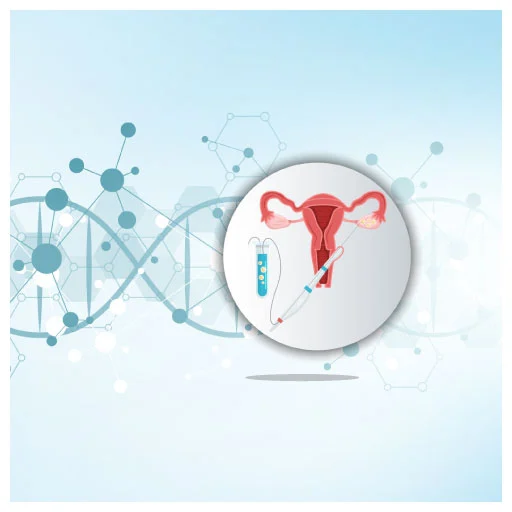
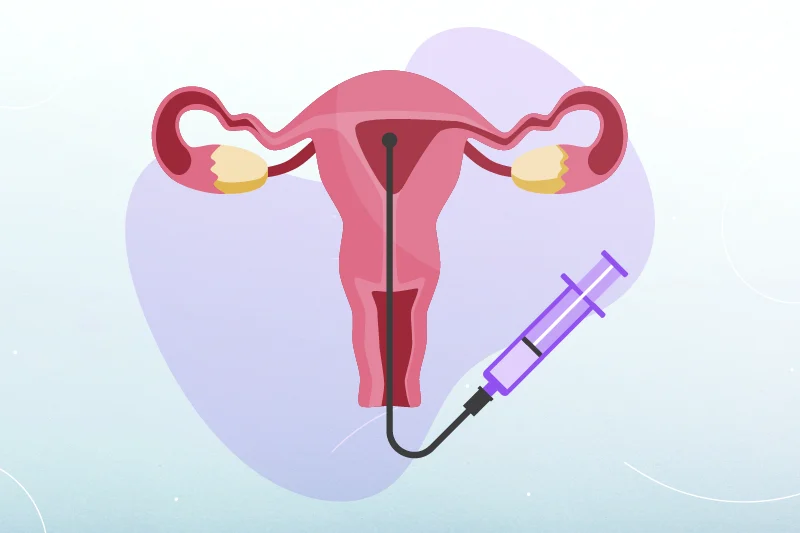
    Illustration of IUI procedure with uterus and syringe against a DNA background.

    Fertility Preservation for Men: Exploring Sperm Banking

    There are several benefits to sperm banking, including:

    1. Insurance for Future Fertility: For men who are facing medical treatments that may affect their fertility, such as chemotherapy or radiation therapy, sperm banking provides a way to preserve their fertility and have the option to have biological children in the future.

    2. Flexibility: Sperm banking allows men to delay fatherhood until they are ready without worrying about age-related decline in fertility. It also gives them the option to have children with a partner later in life, even if they are no longer producing sperm.

    3. Peace of Mind: Sperm banking can offer peace of mind to men who have a family history of fertility issues or those who have experienced fertility problems in the past. Knowing that they have a backup plan for future fertility can alleviate stress and anxiety.

    4. Higher Success Rates: Frozen sperm has a higher success rate compared to fresh sperm when used in fertility treatments. This is because the sperm has been screened and frozen before use, ensuring the highest quality.

    How to Preserve Your Fertility through Sperm Banking

    If you are considering sperm banking, here are some steps to follow:

    1. Consult a Fertility Specialist: The first step is to consult a fertility specialist who can guide you through the process and determine if sperm banking is suitable for you.

    2. Choose a Sperm Bank: It is essential to choose a reputable sperm bank with a track record of success. The bank should also have proper storage facilities and follow all necessary regulations.

    3. Plan Ahead: It is best to start the process of sperm banking as soon as possible, especially if you are facing medical treatments that may affect your fertility. This will ensure that you have the highest quality sperm sample stored for future use.

    4. Consider Your Options: Sperm banking can be expensive, and it is essential to consider all your options carefully. Some fertility clinics offer discounted rates for sperm banking, and some insurance plans may cover the cost.

    In conclusion, sperm banking is a safe and effective way for men to preserve their fertility for future use. It offers peace of mind, flexibility, and higher success rates in fertility treatments. If you are considering sperm banking, it is essential to consult a fertility specialist and plan ahead. With advances in medical technology, men now have the option to preserve their fertility and have biological children later in life.

  • The Role of Education in Fertility Preservation: Empowering Young Adults

    Blog Post: The Role of Education in Fertility Preservation: Empowering Young Adults

    The decision to have children is a personal and life-changing one. However, for many young adults, this decision is not something they are able to make due to various circumstances such as health issues, career goals, or financial constraints. In recent years, there has been a growing trend among young adults to delay parenthood in order to pursue their education and career goals. This delay, however, can have implications for their future fertility. This is where education about fertility preservation becomes essential. In this blog post, we will explore the role of education in fertility preservation and how it can empower young adults to make informed decisions about their reproductive health.

    What is Fertility Preservation?

    Fertility preservation refers to a range of medical procedures that aim to protect a person’s reproductive potential for the future. These procedures are particularly important for individuals who are at risk of losing their fertility due to medical treatments such as chemotherapy or radiation therapy, or for those who wish to delay parenthood for personal reasons.

    The Importance of Education

    While fertility preservation procedures have been available for many years, there is still a lack of awareness and understanding about them among young adults. This is where education plays a crucial role. By providing information and resources about fertility preservation, young adults can make informed decisions about their reproductive health and take control of their future fertility.

    Empowering Young Adults

    Education about fertility preservation empowers young adults in several ways.

    1. Understanding Options

    Many young adults are not aware of the various fertility preservation options available to them. By educating them about these options, they can make an informed decision based on their individual circumstances. For example, some may choose to freeze their eggs, while others may opt for sperm banking or embryo freezing.

    2. Planning for the Future

    Education about fertility preservation also allows young adults to plan for their future. By understanding the potential impact of certain medical treatments or lifestyle choices on their fertility, they can make informed decisions about when to start a family and how to preserve their fertility for the future.

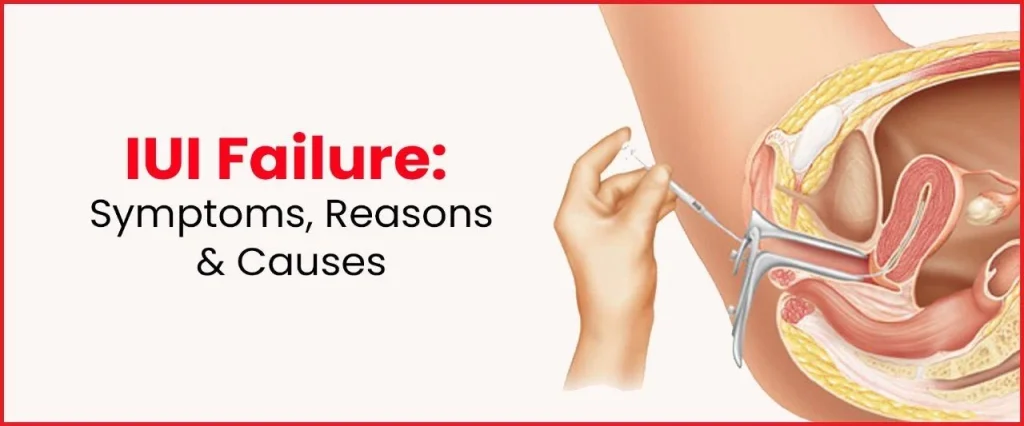
    illustration of IUI procedure with text on symptoms, reasons, and causes of IUI failure

    The Role of Education in Fertility Preservation: Empowering Young Adults

    3. Breaking the Stigma

    There is still a stigma surrounding fertility preservation, with many young adults feeling embarrassed or ashamed to discuss it. Education can break down these barriers and normalize the conversation around fertility preservation, making it easier for individuals to seek help and support when needed.

    4. Financial Considerations

    Fertility preservation procedures can be costly, and many young adults may not have the financial means to pursue them. However, by educating them about these procedures and potential financial assistance programs, they can plan and prepare for their future fertility without worrying about the financial burden.

    5. Mental Health Benefits

    For those who are facing fertility challenges, education about fertility preservation can have significant mental health benefits. By providing information and resources, individuals can feel more in control of their reproductive health and have a sense of hope for their future.

    The Role of Educational Institutions

    Educational institutions, such as universities and colleges, also have a responsibility to provide information about fertility preservation to their students. As more young adults delay parenthood to pursue higher education, it is crucial that these institutions promote a culture of reproductive health awareness and provide access to resources for fertility preservation.

    In addition, educational institutions can also play a role in promoting research and advancements in fertility preservation technology. By supporting and funding research in this field, they can contribute to the development of more effective and accessible fertility preservation options for young adults.

    Conclusion

    The decision to delay parenthood is a personal one, and it should not be limited by factors such as medical treatments or financial constraints. Education about fertility preservation is essential in empowering young adults to take control of their reproductive health and make informed decisions about their future. By breaking the stigma and increasing awareness, we can ensure that young adults have the resources and support they need to preserve their fertility and start a family when they are ready.

    In summary, education plays a crucial role in fertility preservation by empowering young adults to understand their options, plan for the future, break the stigma, consider financial factors, and improve their mental health. It is important for educational institutions to promote a culture of reproductive health awareness and support research in this field. With education and access to resources, young adults can make informed decisions about their future fertility and have the opportunity to start a family when they are ready.

  • Fertility Preservation for Women in Their 20s: Planning for the Unexpected

    Summary:

    Fertility preservation is a process that allows women to preserve their fertility for future use by freezing their eggs or embryos. This option has become increasingly popular for women in their 20s who want to plan for the unexpected and have the option of starting a family later in life. There are various reasons why women in their 20s may choose fertility preservation, such as medical conditions, career goals, or personal preferences. However, it is important for women to educate themselves about the process and consider their options before making a decision.

    One of the most common reasons for fertility preservation in women in their 20s is a medical condition that may affect their fertility. Cancer treatments, such as chemotherapy and radiation, can have a significant impact on a woman’s fertility. Therefore, women who are diagnosed with cancer at a young age may opt for fertility preservation before starting their treatment. This allows them to have the option of starting a family in the future without worrying about the effects of their treatment on their fertility.

    Another common reason for fertility preservation is career goals. Many women in their 20s are focused on their careers and may not be ready to start a family. However, as they get older, they may realize that they want to have children but may face fertility issues due to their age. By preserving their fertility in their 20s, these women can have the peace of mind that they have the option of starting a family later in life, without worrying about fertility issues.

    Personal preferences also play a role in women’s decision to undergo fertility preservation in their 20s. Some women may want to delay having children until they are in a stable relationship or until they are financially secure. By preserving their fertility at a younger age, they can have the option of starting a family when they are ready, without worrying about their biological clock ticking.

    Comparison of IUI and IVF treatments with diagrams of reproductive anatomy.

    Fertility Preservation for Women in Their 20s: Planning for the Unexpected

    The process of fertility preservation involves egg or embryo freezing. Women in their 20s have a higher success rate for freezing their eggs compared to women in their 30s or 40s. This is because women in their 20s have a larger number of high-quality eggs, which increases their chances of conceiving in the future. It is important for women to consult with a fertility specialist and go through a series of tests to determine the quality and quantity of their eggs before undergoing the freezing process.

    There are two methods of fertility preservation: egg freezing and embryo freezing. Egg freezing involves retrieving a woman’s eggs and freezing them for future use. This process can be done in a relatively short period and does not require a partner. On the other hand, embryo freezing involves fertilizing the eggs with sperm and freezing the resulting embryos. This process requires a partner or the use of donor sperm.

    The cost of fertility preservation can vary depending on the method chosen and the individual’s fertility clinic. The average cost for egg freezing is around $10,000-$15,000, while embryo freezing can cost anywhere from $12,000-$20,000. Some insurance companies may cover a portion of the cost, but it is important for women to research and understand their coverage before undergoing the procedure.

    It is also essential for women to understand the risks involved in fertility preservation. The process itself is relatively safe, but there is a risk of complications during the egg retrieval process, such as bleeding or infection. It is also important for women to understand that there is no guarantee that the frozen eggs or embryos will result in a successful pregnancy in the future. However, with advancements in technology and the increasing success rates of frozen eggs and embryos, the chances of a successful pregnancy are higher than before.

    In conclusion, fertility preservation is a valuable option for women in their 20s who want to plan for the unexpected and have the option of starting a family later in life. It is important for women to educate themselves about the process, consider their reasons for preservation, and consult with a fertility specialist before making a decision. With the increasing success rates and advancements in technology, fertility preservation has become a viable option for women in their 20s to take control of their reproductive health and future.

  • Fertility Preservation for Women with Chronic Illness: Managing the Unknown

    Blog Post:

    Fertility preservation is a topic that is often overlooked but is crucial for women with chronic illness. Chronic illnesses such as cancer, autoimmune diseases, and other medical conditions can have a significant impact on a woman’s reproductive health. These conditions and their treatments can affect a woman’s fertility, making it difficult or even impossible for her to conceive in the future. This can be a devastating realization for many women who may have always dreamed of starting a family.

    Managing the unknown is a common theme for women with chronic illness, and fertility preservation is just one aspect of it. Many women are faced with the unknowns of their illness, such as how it will progress, what treatments will work, and how it will affect their daily lives. Adding the uncertainty of future fertility on top of that can be overwhelming. In this blog post, we will explore the importance of fertility preservation for women with chronic illness and how to manage the unknowns that come with it.

    The Impact of Chronic Illness on Fertility

    Chronic illnesses can have a significant impact on a woman’s fertility. For example, certain autoimmune diseases, such as lupus or rheumatoid arthritis, can cause inflammation and damage to the reproductive organs. This can lead to conditions like endometriosis, which can make it difficult for a woman to conceive. Other chronic conditions, such as diabetes or thyroid disorders, can also affect fertility by causing hormone imbalances or ovulation issues.

    Moreover, treatments for these chronic illnesses can also have an impact on fertility. Chemotherapy, radiation therapy, and certain medications can damage the reproductive organs or disrupt hormone levels, making it difficult for a woman to conceive. In some cases, these treatments may even lead to premature menopause, making it impossible for a woman to have biological children.

    The Importance of Fertility Preservation

    For women with chronic illness, fertility preservation is crucial for their future. It offers them the opportunity to have biological children and maintain their reproductive health, despite the challenges of their illness. Fertility preservation allows women to freeze their eggs, embryos, or ovarian tissue for future use when they are ready to start a family. This option gives them control and peace of mind, knowing that they have a chance to have biological children even if their illness or treatments affect their fertility.

    Managing the Unknown: Coping with Fertility Issues

    Illustration of IUI procedure with uterus and syringe against a DNA background.

    Fertility Preservation for Women with Chronic Illness: Managing the Unknown

    Managing the unknown is a common challenge for women with chronic illness, and fertility issues can add to that uncertainty. It is essential to address these issues and find ways to cope with them to maintain emotional well-being. Here are some strategies that can help women with chronic illness manage the unknowns of fertility:

    1. Educate Yourself: The first step in managing the unknown is to educate yourself about your condition and its potential impact on fertility. Consult with your doctor and ask questions about the effects of your illness and treatments on your reproductive health. This will help you understand the possibilities and make informed decisions about fertility preservation.

    2. Seek Support: Dealing with fertility issues can be emotionally challenging, and having a support system can make a significant difference. Reach out to friends, family, or a therapist to share your feelings and get the support you need. You can also join support groups for women with chronic illness or fertility issues to connect with others who may be going through similar experiences.

    3. Explore Your Options: Fertility preservation offers different options for women, depending on their age, health, and personal preferences. It is essential to explore these options and find the one that best suits your needs and goals. You can consult with a fertility specialist to discuss the various methods of fertility preservation and their success rates.

    4. Plan Ahead: If you are considering fertility preservation, it is crucial to plan ahead. Fertility preservation can be expensive, so it is essential to consider your financial situation and plan accordingly. You should also discuss your plans with your partner, if applicable, and make decisions together.

    5. Take Care of Your Health: While fertility preservation can offer hope for the future, it is essential to take care of your overall health and well-being in the present. This includes following your treatment plan, managing stress, and making healthy lifestyle choices. Taking care of your health can also improve your chances of successful fertility preservation and future pregnancy.

    6. Stay Positive: It is normal to have fears and doubts about your future fertility, but it is crucial to stay positive and have hope. Remember that advances in technology and medicine have made fertility preservation a viable option for women with chronic illness. Stay optimistic and believe in the possibilities.

    Summary:

    Fertility preservation is a crucial topic for women with chronic illness, as their conditions and treatments can have a significant impact on their reproductive health. It is essential to educate oneself about the potential effects on fertility and explore options for preserving it. Coping with fertility issues can be emotionally challenging, but it is crucial to seek support, plan ahead, and take care of one’s health. Staying positive and having hope for the future is also essential. Fertility preservation offers women with chronic illness the opportunity to manage the unknowns of their fertility and have the option to start a family in the future.

  • The Impact of Cancer on Fertility: Why Preservation is Essential

    Blog Post:

    Cancer is a devastating disease that affects millions of people every year. It not only takes a toll on physical health, but also on emotional and mental well-being. One aspect of cancer that is often overlooked is its impact on fertility. Many cancer treatments, such as chemotherapy and radiation, can have a significant effect on a person’s ability to have children in the future. This is why fertility preservation is essential for those who are diagnosed with cancer.

    Cancer and Fertility: The Connection

    Cancer can affect fertility in a number of ways. Firstly, the disease itself can cause damage to reproductive organs such as the ovaries, testes, and uterus. This can lead to issues with hormone production and ovulation, making it difficult to conceive naturally. Additionally, cancer treatments can also damage these organs and affect their functioning.

    Chemotherapy, one of the most common cancer treatments, can cause temporary or permanent damage to the ovaries, leading to a decrease in egg production and potential infertility. Radiation therapy, especially in the pelvic area, can also damage reproductive organs and affect fertility. Both of these treatments can also cause damage to sperm cells, making it difficult for men to father children.

    The Impact of Cancer on Fertility

    The impact of cancer on fertility is not only physical but also emotional. For many cancer patients, the thought of losing the ability to have children can be devastating. It can also add to the already existing emotional burden of dealing with a life-threatening illness. The fear of not being able to have children in the future can also cause significant stress and anxiety.

    Furthermore, for younger cancer patients who have not yet had children, the loss of fertility can be especially difficult. They may have to make difficult decisions about starting a family earlier than planned or not being able to have biological children at all. This can have a profound impact on their quality of life and overall well-being.

    Why Preservation is Essential

    Given the potential impact of cancer on fertility, preservation is essential for those who may want to have children in the future. Fertility preservation involves taking steps to protect and preserve reproductive cells before undergoing cancer treatment. This can include freezing sperm, eggs, or embryos, depending on the individual’s circumstances.

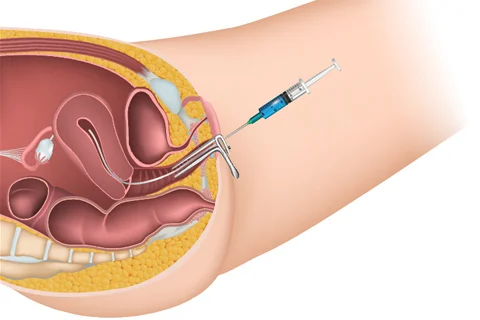
    Illustration of the uterus with a syringe, depicting the intrauterine insemination procedure.

    The Impact of Cancer on Fertility: Why Preservation is Essential

    Fertility preservation not only gives cancer patients hope for the future, but it also provides them with options. It allows them to focus on their treatment without having to worry about the potential loss of fertility. It also allows them to make informed decisions about their reproductive options after treatment.

    The Advancements in Fertility Preservation

    In recent years, there have been significant advancements in the field of fertility preservation. For women, options such as ovarian tissue cryopreservation and in vitro maturation have emerged as potential alternatives to egg freezing. These methods allow for the preservation of ovarian tissue or immature eggs, which can be matured in a laboratory setting after cancer treatment.

    For men, advancements in sperm banking have made it possible to preserve sperm for an indefinite period. Additionally, there have been developments in testicular tissue cryopreservation, which allows for the preservation of sperm-producing cells for future use.

    The Role of Medical Professionals

    One of the key factors in ensuring the success of fertility preservation is the involvement of medical professionals. Oncologists and reproductive specialists must work together to provide comprehensive care for cancer patients. It is essential for oncologists to discuss fertility preservation options with their patients before starting treatment. This not only helps in preserving fertility but also allows for better treatment planning.

    Moreover, medical professionals must also educate cancer patients about the potential impact of treatment on fertility and the available options for fertility preservation. This can help in reducing the emotional burden and anxiety associated with the loss of fertility.

    In Conclusion

    In conclusion, the impact of cancer on fertility is a significant aspect of the disease that must not be overlooked. Fertility preservation is essential for those who want to have children in the future. It not only provides hope and options for cancer patients but also plays a crucial role in their overall well-being. With the advancements in fertility preservation techniques, it is now possible for cancer patients to have a chance at starting a family after treatment.

    Summary:

    Cancer treatments can have a significant impact on fertility, causing damage to reproductive organs and affecting hormone production. This can lead to difficulties with conceiving naturally. Fertility preservation is essential for cancer patients as it gives them hope for the future and provides them with options. Advancements in this field have made it possible for both men and women to preserve their reproductive cells for future use. The involvement of medical professionals is crucial in ensuring the success of fertility preservation and reducing the emotional burden on cancer patients.

  • Fertility Preservation for Women: Understanding Your Options

    Blog Post: Fertility Preservation for Women: Understanding Your Options

    Fertility preservation is a topic that is becoming increasingly important for women of reproductive age. With advancements in medical technology, women now have more options than ever before to preserve their fertility for the future. Whether a woman is facing a medical condition that may affect her fertility, undergoing cancer treatment, or simply wants to delay childbearing, understanding the available options for fertility preservation is crucial. In this blog post, we will explore the various methods of fertility preservation for women and provide information to help you make informed decisions about your reproductive health.

    Understanding Female Fertility

    Before delving into the options for fertility preservation, it is important to understand the basics of female fertility. A woman is born with a finite number of eggs, which is known as her ovarian reserve. As she ages, her ovarian reserve decreases, and the quality of her eggs may also decline. This is why fertility decreases with age, and why women over the age of 35 may have difficulty conceiving.

    Fertility Preservation Options

    There are several options available for preserving fertility in women. These include egg freezing, embryo freezing, ovarian tissue freezing, and hormonal suppression.

    1. Egg Freezing
    Egg freezing, also known as oocyte cryopreservation, is a process where a woman’s eggs are retrieved and frozen for future use. This is typically done through in vitro fertilization (IVF), where the eggs are harvested, frozen, and stored until the woman is ready to use them. This method is best for women who are not ready to have children yet but want to preserve their fertility for future use.

    2. Embryo Freezing
    Embryo freezing is similar to egg freezing, but instead of freezing individual eggs, the eggs are fertilized with sperm to create embryos. The embryos are then frozen and can be used for future IVF procedures. This method is ideal for women who have a partner and are ready to start a family, but may be facing medical treatments that could affect their fertility.

    illustration of intrauterine insemination procedure with a syringe and catheter in the uterus.

    Fertility Preservation for Women: Understanding Your Options

    3. Ovarian Tissue Freezing
    Ovarian tissue freezing involves removing a small piece of the ovary and freezing it for future use. This method is still considered experimental, but it is an option for women who may not be able to undergo egg or embryo freezing due to medical reasons. The frozen ovarian tissue can be transplanted back into the woman’s body in the future, where it can potentially grow and produce eggs.

    4. Hormonal Suppression
    Hormonal suppression is a method of preserving fertility that involves taking medications to suppress ovulation. This method is often used for women who are undergoing cancer treatment and want to prevent damage to their ovaries. It can also be used for women who are at risk of premature menopause.

    Factors to Consider

    When considering fertility preservation options, there are several factors to keep in mind. These include age, medical history, personal preferences, and financial considerations. It is important to consult with a fertility specialist to understand which method may be the most suitable for your individual situation.

    Benefits and Limitations

    Each method of fertility preservation has its own benefits and limitations. Egg and embryo freezing have become more common and have a higher success rate, but they require a partner or donor sperm for fertilization. Ovarian tissue freezing is still considered experimental and may have a lower success rate. Hormonal suppression may not be effective for all women and may have side effects.

    Summary

    Fertility preservation is an important consideration for women who want to preserve their ability to have children in the future. With various options available, it is important to understand the basics of female fertility and the benefits and limitations of each method. Factors such as age, medical history, and personal preferences should also be taken into account when choosing a fertility preservation method.

    In summary, fertility preservation for women includes options such as egg freezing, embryo freezing, ovarian tissue freezing, and hormonal suppression. Each method has its own benefits and limitations, and it is important to consult with a fertility specialist to determine the best option for your individual situation. With advancements in medical technology, women now have more options than ever before to preserve their fertility and have children when they are ready.

  • Fertility Preservation for Women with Endometriosis: A Silver Lining

    Blog Post:

    Endometriosis is a painful and often debilitating condition that affects 1 in 10 women worldwide. It occurs when tissues similar to the lining of the uterus grow outside of the uterus, causing inflammation, scarring, and sometimes infertility. While the symptoms of endometriosis can be challenging to manage, there is a silver lining for women with this condition: fertility preservation.

    Fertility preservation involves the freezing of eggs, embryos, or ovarian tissue for future use in assisted reproductive techniques. It allows women to preserve their fertility and have the option of starting a family later in life. For women with endometriosis, fertility preservation can provide hope and comfort in the face of a condition that can negatively impact their reproductive health.

    Endometriosis not only causes pain and discomfort, but it can also affect a woman’s fertility. The abnormal tissue growth can block or damage the fallopian tubes, making it difficult for the eggs to travel from the ovaries to the uterus. It can also cause scarring on the ovaries, which can affect egg production. Additionally, the chronic inflammation caused by endometriosis can create an inhospitable environment for fertilization and implantation.

    The good news is that fertility preservation offers a solution for women with endometriosis who want to have children in the future. By freezing their eggs, women can bypass the effects of endometriosis on their reproductive organs and increase their chances of conceiving later on. This process involves stimulating the ovaries with hormones to produce multiple eggs, which are then retrieved and frozen for future use.

    For women with severe endometriosis, fertility preservation may also involve freezing ovarian tissue. This procedure is still considered experimental but has shown promising results. During this procedure, a small piece of ovarian tissue is removed and frozen. The tissue contains thousands of immature eggs that can potentially be used for fertilization in the future.

    Fertility preservation can also benefit women with endometriosis who are undergoing surgery. Surgery for endometriosis can sometimes result in the removal of one or both ovaries, which can significantly impact a woman’s fertility. By freezing the healthy ovary or ovarian tissue before surgery, women can preserve their fertility and have the option of using their own eggs for future pregnancies.

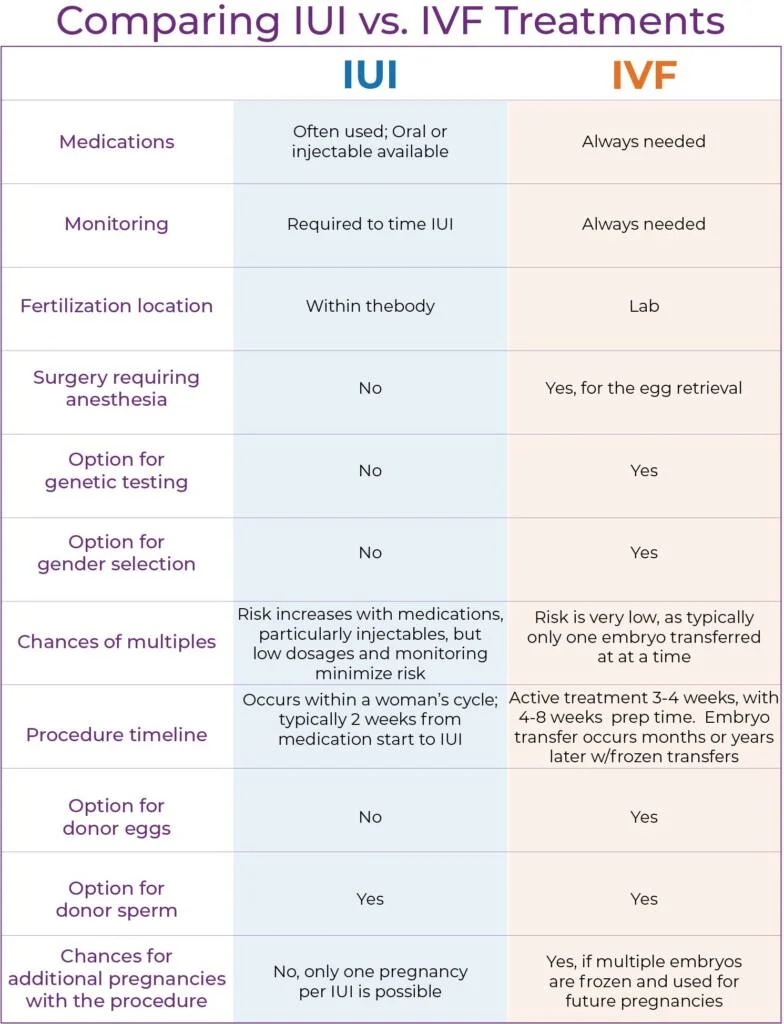
    Comparison chart of IUI and IVF treatments, detailing medications, monitoring, procedures, and success rates.

    Fertility Preservation for Women with Endometriosis: A Silver Lining

    Another benefit of fertility preservation for women with endometriosis is the emotional aspect. Endometriosis can take a toll on a woman’s mental health, especially when it comes to fertility. The uncertainty of being able to conceive can cause stress, anxiety, and even depression. Knowing that they have taken steps to preserve their fertility can provide peace of mind and alleviate some of the emotional burden of endometriosis.

    It’s essential to note that fertility preservation is not a cure for endometriosis. It does not reverse the condition or prevent it from progressing. However, it does offer women with endometriosis the hope of having a family in the future, despite the challenges they may face due to their condition.

    One of the significant barriers to fertility preservation for women with endometriosis is the cost. The process can be expensive and is not always covered by insurance. However, there are options available for financial assistance, such as grants and scholarships, that can help make fertility preservation more accessible for those who need it.

    In addition to cost, there is also a lack of awareness and education about fertility preservation for women with endometriosis. Many women may not know that this option exists or that it can benefit them. It’s crucial for healthcare providers to discuss fertility preservation with their endometriosis patients and offer it as an option for preserving their fertility.

    In conclusion, fertility preservation is a silver lining for women with endometriosis. It offers hope, comfort, and the possibility of starting a family in the future for those who may have thought it was not possible due to their condition. By raising awareness and addressing barriers such as cost, we can ensure that women with endometriosis have access to this valuable option.

    Summary:

    Endometriosis is a painful and often debilitating condition that affects the reproductive health of women. However, there is a silver lining for women with endometriosis: fertility preservation. This process involves freezing eggs, embryos, or ovarian tissue for future use in assisted reproductive techniques. It can help bypass the effects of endometriosis on fertility and provide hope for women who want to have children in the future. While there are barriers to accessing fertility preservation, such as cost and lack of awareness, it remains a valuable option for women with endometriosis.

  • Fertility Preservation vs Adoption: Making the Right Choice for You

    Summary:

    Fertility preservation and adoption are two options available to individuals or couples who want to have children but are facing challenges in conceiving naturally. While both options offer the opportunity to become parents, they differ greatly in their processes, costs, and emotional implications. Making the right choice between fertility preservation and adoption is a deeply personal decision that depends on individual circumstances and beliefs.

    In this blog post, we will discuss the pros and cons of fertility preservation and adoption, as well as factors to consider when making this decision. We will also explore the emotional aspects of both options and provide resources for further guidance. By the end of this post, you will have a better understanding of which option may be the best fit for you and your family.

    Fertility Preservation:

    Fertility preservation, also known as fertility treatment or assisted reproduction, is a medical procedure that helps individuals or couples conceive a child. This option is typically used by those who are facing fertility challenges or have a medical condition that may impact their ability to conceive, such as cancer treatment. Fertility preservation involves various methods, including in vitro fertilization (IVF), egg freezing, and sperm freezing.

    One of the main advantages of fertility preservation is that it allows individuals to have a biological connection to their child. This can be a crucial factor for those who want to pass down their genes or have a strong desire for a biological connection with their child. Additionally, fertility preservation offers a sense of control and allows individuals to plan when they want to have children, rather than relying on chance.

    However, fertility preservation can be a costly and emotionally taxing process. The success rates of fertility treatments vary, and some individuals may require multiple attempts before achieving a successful pregnancy. This can result in significant financial and emotional strain. Moreover, the process may also involve hormone injections and invasive procedures, which can be physically uncomfortable.

    Adoption:

    Adoption is the process of legally and permanently welcoming a child into one’s family. It involves taking on the legal rights and responsibilities of a child who is not biologically related to the adoptive parents. Adoption can be a viable option for individuals or couples who are unable to conceive naturally or choose not to pursue fertility treatments.

    One of the significant advantages of adoption is that it provides a loving home for a child in need. It also allows individuals or couples to become parents without the physical and emotional challenges of fertility treatments. Adoption also offers a sense of fulfillment and purpose for those looking to expand their family.

    However, adoption can also be a lengthy and expensive process. The adoption process involves various steps, such as home studies, background checks, and legal proceedings, which can take months or even years to complete. Additionally, adoptive parents may face challenges in bonding with their child, especially if the child is older or has experienced trauma in their past.

    Factors to Consider:

    diagram of a uterus with a syringe for intrauterine insemination procedure

    Fertility Preservation vs Adoption: Making the Right Choice for You

    When deciding between fertility preservation and adoption, there are several factors to consider. These include:

    1. Medical Condition: If you or your partner have a medical condition that affects fertility, it’s essential to consult with a medical professional to determine the best course of action. Fertility preservation may be a better option for those with a medical condition that can impact their ability to conceive.

    2. Age: Age plays a significant role in fertility, and as individuals age, the chances of conceiving naturally decrease. For those who are older, adoption may be a better option as it offers a shorter and more straightforward process.

    3. Emotional Readiness: The decision to have a child is a significant one, and it’s crucial to consider your emotional readiness for both fertility preservation and adoption. Fertility treatments can be emotionally taxing, and adoption may also have its own set of challenges. It’s essential to take the time to understand your emotions and make a decision that feels right for you.

    4. Financial Considerations: Both fertility preservation and adoption can be expensive processes. It’s crucial to consider your financial situation and determine which option is more feasible for you. It’s also essential to keep in mind that there may be additional costs involved in raising a child, such as education and healthcare expenses.

    Emotional Aspects:

    The decision between fertility preservation and adoption can be an emotional one. It’s essential to take the time to understand your emotions and address any concerns or fears you may have. Some individuals may feel a strong desire for a biological connection with their child, while others may find fulfillment in providing a loving home for a child in need.

    It’s also vital to consider the potential emotional challenges that may arise during the process. Fertility treatments can be physically and emotionally taxing, and adoption may involve navigating relationships with birth parents and potential challenges in bonding with the child. It’s essential to have a support system in place and seek professional guidance if needed.

    Resources:

    If you are struggling to make a decision between fertility preservation and adoption, there are various resources available to help you. These include support groups, online forums, and counseling services. It’s essential to educate yourself on both options, speak with professionals, and connect with others who have gone through a similar experience.

    Making the Right Choice:

    Ultimately, the decision between fertility preservation and adoption depends on individual circumstances and beliefs. It’s essential to take the time to understand your emotions, consider the factors involved, and seek guidance if needed. Both options offer the opportunity to become a parent, and the most important thing is to make a decision that feels right for you and your family.

    In conclusion, fertility preservation and adoption are two options available for those facing challenges in conceiving naturally. While both options have their pros and cons, the decision ultimately comes down to individual circumstances and beliefs. It’s essential to consider factors such as medical conditions, age, emotional readiness, and financial considerations when making this decision. It’s also crucial to understand the emotional aspects and seek support and guidance throughout the process. No matter which option you choose, the most important thing is to make a decision that feels right for you and your family.

  • Fertility Preservation for Women: A Myths vs Facts Breakdown

    Summary:

    Fertility preservation is a process that involves freezing and storing eggs, embryos, or ovarian tissue with the aim of preserving a woman’s fertility for future use. This procedure has gained popularity in recent years as more women are delaying motherhood for various reasons. However, there are many myths surrounding fertility preservation that can create confusion and misinformation. In this blog post, we will break down the myths and present the facts about fertility preservation for women.

    Myth #1: Fertility preservation is only for women with medical conditions.

    Fact: While fertility preservation is commonly used for women facing medical conditions that may affect their fertility, it is not limited to those cases. Many women choose to undergo fertility preservation for personal reasons, such as delaying motherhood due to career or educational pursuits.

    Myth #2: Fertility preservation is only for women in their late thirties or forties.

    Fact: While it is true that fertility declines with age, fertility preservation can be beneficial for women of any age. In fact, the American Society for Reproductive Medicine recommends that women in their 20s and early 30s consider fertility preservation if they have plans to delay motherhood.

    Myth #3: Fertility preservation is only for single women.

    Fact: Fertility preservation can be beneficial for both single women and those in relationships. In fact, it can be a helpful option for couples who are not yet ready to have children but want to ensure their future fertility.

    Myth #4: Fertility preservation is a complicated and risky procedure.

    Fact: Fertility preservation is a safe and straightforward procedure, with success rates comparable to traditional IVF treatments. The process involves hormone injections to stimulate the ovaries, followed by an egg retrieval procedure. The eggs are then frozen and stored for future use.

    Myth #5: Fertility preservation is expensive and not accessible to everyone.

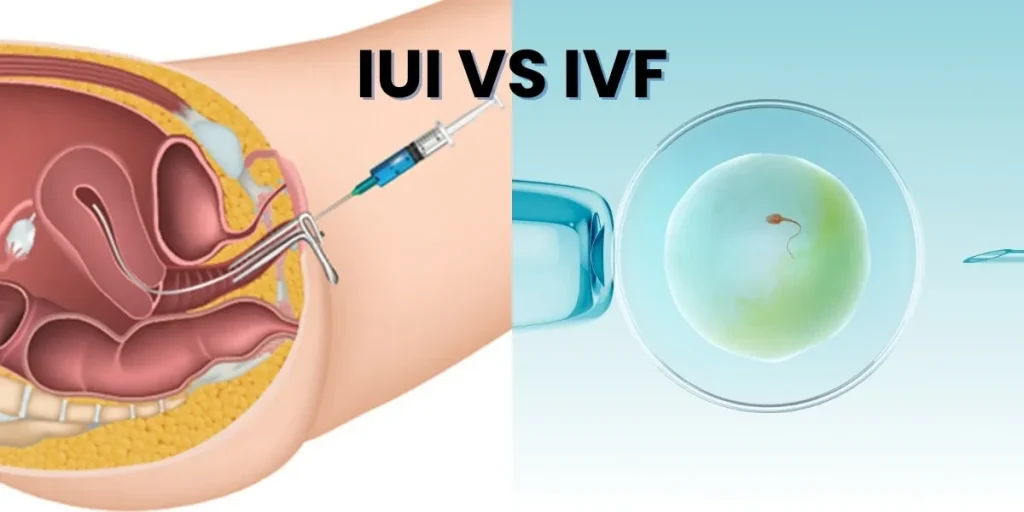
    comparison of IUI and IVF fertility treatments with illustrations of procedures and a petri dish with an egg and sperm

    Fertility Preservation for Women: A Myths vs Facts Breakdown

    Fact: While fertility preservation can be a significant financial investment, there are options available to make it more affordable, such as payment plans and financial assistance programs. Additionally, some insurance plans may cover the cost of fertility preservation for medical reasons.

    Myth #6: Fertility preservation guarantees future pregnancy and childbirth.

    Fact: While fertility preservation can increase the chances of pregnancy in the future, it is not a guarantee. Many factors can affect the success of fertility preservation, including the age and health of the woman at the time of egg retrieval.

    Myth #7: Fertility preservation is only for women who want biological children.

    Fact: Fertility preservation can also be beneficial for women who do not plan to have biological children. Women who have undergone cancer treatments that may affect their fertility can preserve their eggs or embryos to have the option of using a surrogate or a gestational carrier in the future.

    Myth #8: Fertility preservation is a one-time procedure.

    Fact: Fertility preservation can involve multiple cycles of egg retrieval and freezing, as the number of eggs retrieved in each cycle can vary. Additionally, women who have frozen their eggs or embryos may need to undergo further procedures, such as IVF, to achieve pregnancy in the future.

    Myth #9: Fertility preservation is emotionally and physically taxing.

    Fact: While fertility preservation can be a challenging decision for some women, it is not necessarily emotionally or physically taxing. The process involves regular visits to a fertility clinic, but the procedures are typically minimally invasive and do not require a prolonged recovery time.

    Myth #10: Fertility preservation is only available at specialized fertility clinics.

    Fact: Fertility preservation can be performed at specialized fertility clinics, but it is also available at many general gynecology practices. It is essential to choose a reputable and experienced provider regardless of the type of clinic.

    In conclusion, fertility preservation is a safe, accessible, and beneficial option for women looking to preserve their fertility for future use. It is important to understand the facts and dispel the myths surrounding this procedure to make informed decisions about reproductive health.

  • Fertility Preservation for LGBTQ+ Individuals: Breaking Barriers

    Blog Post: Fertility Preservation for LGBTQ+ Individuals: Breaking Barriers

    As society continues to progress towards acceptance and inclusion, the LGBTQ+ community is breaking barriers and gaining visibility in all aspects of life. However, one area that has been overlooked for far too long is fertility preservation for LGBTQ+ individuals. While the road to parenthood may be different for members of the LGBTQ+ community, it should not be impossible. In this blog post, we will explore the challenges faced by LGBTQ+ individuals when it comes to fertility preservation, and how we can break these barriers to help them achieve their dreams of parenthood.

    Fertility preservation, also known as fertility preservation, is the process of preserving reproductive cells, tissues, or organs for future use. This can be done through various methods, including freezing eggs, sperm, or embryos. For LGBTQ+ individuals, fertility preservation can play a vital role in their journey to parenthood. However, there are still many barriers and challenges that stand in their way.

    One of the most significant barriers faced by LGBTQ+ individuals when it comes to fertility preservation is the lack of awareness and education. Many LGBTQ+ individuals are not aware of the options available to them, and they may not know how to navigate the complex world of fertility preservation. This lack of knowledge and understanding can lead to feelings of isolation and hopelessness, as they may believe that parenthood is not an option for them.

    Another barrier is the high cost of fertility preservation. The procedures involved in fertility preservation can be expensive, and many LGBTQ+ individuals may not have the financial means to afford them. Additionally, insurance coverage for fertility preservation may be limited or non-existent for LGBTQ+ individuals, making it even more challenging to access these services.

    Moreover, for transgender individuals, there are specific challenges when it comes to fertility preservation. For transgender men, the use of testosterone can affect their egg production, making it more difficult to retrieve viable eggs for freezing. On the other hand, transgender women may face barriers in accessing fertility preservation due to societal stigma and discrimination.

    In addition to these challenges, LGBTQ+ individuals may also face obstacles when it comes to finding a healthcare provider who is knowledgeable and sensitive to their unique needs. Many LGBTQ+ individuals have experienced discrimination and prejudice in healthcare settings, which can make them hesitant to seek out fertility preservation services.

    Illustration of a uterus with a syringe, representing intrauterine insemination (IUI) procedure.

    Fertility Preservation for LGBTQ+ Individuals: Breaking Barriers

    So, what can be done to break these barriers and make fertility preservation more accessible for LGBTQ+ individuals? First and foremost, there needs to be more education and awareness about the options available for fertility preservation. This can be achieved through outreach programs, support groups, and inclusive education in schools and healthcare settings.

    Secondly, efforts should be made to make fertility preservation more affordable. This could include insurance coverage for LGBTQ+ individuals and financial assistance programs. Additionally, healthcare providers should be encouraged to offer more affordable options for fertility preservation, such as discounted rates or payment plans.

    Another crucial step is to create a safe and inclusive environment for LGBTQ+ individuals in healthcare settings. This can be achieved by providing sensitivity training to healthcare providers and creating policies that prohibit discrimination based on sexual orientation or gender identity.

    Moreover, there needs to be more research and development in the field of fertility preservation for transgender individuals. This could include finding ways to preserve fertility while undergoing hormone therapy or developing new methods for fertility preservation specifically for transgender individuals.

    In conclusion, fertility preservation for LGBTQ+ individuals is an essential aspect of reproductive health that has been overlooked for too long. By breaking the barriers and creating a more inclusive and supportive environment, we can help LGBTQ+ individuals achieve their dreams of parenthood. Education, affordability, and inclusivity are key to ensuring that everyone, regardless of their sexual orientation or gender identity, has access to fertility preservation services.

    Summary:

    Fertility preservation is an essential aspect of reproductive health for LGBTQ+ individuals, but they face many barriers and challenges in accessing these services. These barriers include lack of education, high costs, and discrimination in healthcare settings. To break these barriers, there needs to be more awareness and education, affordable options, inclusive healthcare environments, and research and development in fertility preservation for transgender individuals.